

Introduction to Manakeesh
Manakeesh, often referred to as mana’eesh, is a traditional Middle Eastern flatbread that has gained immense popularity due to its versatility and rich flavors. Originating from Lebanon and other parts of the Levant, this cherished dish showcases the culinary heritage of the region. Typically baked in a wood-fired oven, manakeesh is a staple breakfast item that is beloved by many, providing an authentic taste of Middle Eastern cuisine.
Historically, manakeesh dates back centuries and is deeply embedded in cultural practices. Its preparation often serves as a communal activity, where families come together to enjoy the baking process and share in the final product. This dish is not only a tasty snack; it holds significant cultural importance, often being served during gatherings and special occasions, symbolizing hospitality and warmth.
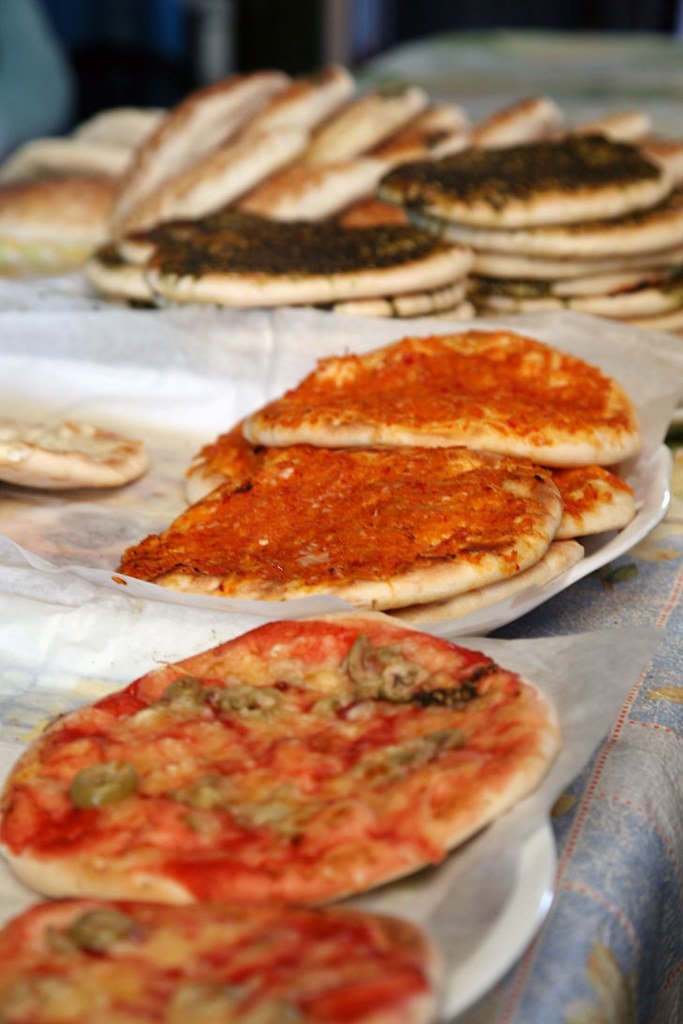
The beauty of manakeesh lies in its adaptability. Typically topped with a variety of ingredients, it offers something for everyone. The most common toppings include za’atar, a blend of thyme, sesame seeds, and olive oil, and cheese. Meat options, such as spiced ground lamb or beef, are also popular. Vegetarians can enjoy various vegetable toppings, facilitating an inclusive dining experience. The variety in toppings not only caters to different tastes but also allows for culinary creativity, making it an ideal dish for beginners to experiment with.
In conclusion, manakeesh is a delectable and multifaceted dish that stands out in Middle Eastern cuisine. Its origins, cultural relevance, and range of toppings make it a perfect recipe for those looking to delve into cooking, especially for beginners who wish to explore comforting food in an approachable way.
Ingredients You’ll Need
To make delicious homemade manakeesh, it is essential to gather the right ingredients. The preparation begins with the core components of the dough. You will require:
- 3 cups of all-purpose flour
- 1 cup of warm water
- 2 teaspoons of active dry yeast
- 1 teaspoon of sugar
- 1 teaspoon of salt
- 2 tablespoons of olive oil
The yeast serves as the leavening agent that gives the dough its fluffy texture, so ensure you use fresh active dry yeast for the best results. The sugar aids the yeast fermentation process, thus enhancing the dough’s flavor. Meanwhile, salt is crucial in balancing the overall taste of the manakeesh.
Once the dough is prepared, you can personalize your manakeesh with a variety of popular toppings. Two favorites include:
- Za’atar: This traditional blend of dried herbs, sesame seeds, and sumac delivers a unique flavor profile. It is ideal for those who appreciate a herbal zest in their dishes.
- Cheese: Whether opting for Akkawi or a mixture of mozzarella and feta, cheese provides a creamy texture that pairs well with the dough.
For dietary restrictions, consider using gluten-free flour as a substitute for the all-purpose flour. Additionally, if you are looking to reduce fat content, low-fat cheese can be an excellent option without compromising the taste. Avocados or various vegetable toppings can also be used to create vegan versions of manakeesh, ensuring there is something for everyone.
Choosing high-quality, fresh ingredients will undoubtedly enhance the flavor and texture of your manakeesh, making it an enjoyable and rewarding cooking experience.
Preparing the Dough
Preparing the dough for manakeesh is a fundamental step that ensures a successful outcome for this delightful dish. Begin by gathering the essential ingredients: all-purpose flour, warm water, yeast, salt, and olive oil. For effective results, use fresh yeast and make sure your water is warm but not hot, ideally between 100-110°F (37-43°C), to promote yeast activation.
In a spacious mixing bowl, combine about 4 cups of all-purpose flour with 1 packet (approximately 2 ¼ teaspoons) of active dry yeast and 1 teaspoon of salt. It’s advisable to first dissolve the yeast in the warm water and let it sit for about five minutes until it becomes frothy. This step guarantees that the yeast is active, which is crucial for the dough’s texture and rise.
Once the yeast is ready, make a well in the center of your flour mixture and gradually pour in the yeast mixture along with about 2 tablespoons of olive oil. Use a wooden spoon or your hand to gently combine the ingredients until a rough dough begins to form. It’s important not to rush this process; ensure that all the flour is incorporated before proceeding.
Now, transfer the dough onto a lightly floured surface. Begin kneading the dough by pushing it down and away from you, then folding it over itself. Rotate the dough a quarter turn after each knead to ensure even conditioning. This kneading process typically lasts around 8-10 minutes until the dough is smooth and elastic. If the dough is too sticky, a little extra flour can be added, but avoid over-flouring, as this may result in a dense final product.
Once kneaded, shape the dough into a ball and place it in a greased bowl, turning it to coat the surface with oil. Cover the bowl with a damp cloth or plastic wrap to retain moisture. Allow the dough to rise in a warm environment for about an hour, or until it has doubled in size. For beginners, this process may feel challenging, but patience is key. Following these steps will lay a solid foundation for your delicious homemade manakeesh.
Choosing Your Topping
Manakeesh, a beloved Middle Eastern flatbread, is versatile when it comes to toppings, making it an appealing option for those looking to experiment in the kitchen. The traditional topping that often comes to mind is za’atar, a fragrant blend of thyme, sesame seeds, and sumac. This topping not only adds a unique, earthy flavor but also provides a burst of freshness that elevates the dough’s simplicity. To prepare za’atar manakeesh, simply mix the za’atar with olive oil to create a paste, then spread this mixture evenly across the surface of the dough before baking.
Another popular topping is cheese. The most commonly used cheeses in manakeesh include Akkawi, Halloumi, or even Mozzarella for a gooey texture. For a cheese manakeesh, simply grating or tearing the cheese and spreading it over the dough creates a deliciously melty experience. You may also consider combining different types of cheese to achieve a rich flavor profile; for example, mixing salty Akkawi with creamy Mozzarella enhances the overall taste and texture.
For those who enjoy heartier fare, minced meat is another intriguing option. This topping usually involves finely ground lamb or beef mixed with spices such as cumin, allspice, and paprika. To prepare it, sauté the meat with the spices beforehand to ensure that the flavors meld beautifully. After this, spread the cooked mixture over the dough. This topping is not only filling but also offers a savory experience that many find irresistible.
Finally, encourage your creativity by mixing and matching these toppings. Consider layering cheese with za’atar or adding vegetables such as spinach or peppers for a unique twist. Experimenting with these combinations allows each cook to find their own favorite rendition of this traditional dish, making manakeesh a delightful and customizable meal option.
Shaping the Manakeesh
Shaping the manakeesh is an essential step in creating this beloved Middle Eastern flatbread. The process begins with the dough that has risen adequately, indicating that it is ready for shaping. Before you start, ensure that your work surface is clean and lightly floured to prevent sticking.
Begin by dividing the dough into equal portions, typically about the size of a golf ball. This will allow you to make individual manakeesh. Take one portion and gently flatten it with your fingers. Start from the center and work your way outwards in a circular motion. The key is to apply even pressure to create a uniform thickness throughout. If you prefer a thicker crust around the edges, leave a slightly raised border as you flatten the dough.
To achieve the perfect round shape, you can use a rolling pin. Roll the dough outwards from the center while rotating it periodically to maintain its circular form. Aim for a thickness of about a quarter inch. If you find the dough is springing back, let it rest for a few minutes before continuing. This allows the gluten to relax and makes it easier to shape.
Once shaped, it is time to apply your desired toppings, which can include za’atar, cheese, or minced meat. Use a spoon or your fingers to evenly distribute the topping across the surface of the dough, leaving a small border around the edges. This ensures the toppings adhere properly during baking and allows for an even bake. A crucial tip is to apply the toppings generously but not excessively, as an overload can lead to uneven cooking.
With these steps, beginners can confidently shape their manakeesh, enjoying the satisfaction of crafting this delightful dish while preparing to savor its rich flavors.
Baking Tips and Techniques
Baking the perfect manakeesh requires attention to detail and an understanding of the baking process. One of the most crucial factors to consider is the temperature of your oven. Ideally, preheat your oven to a temperature between 450°F to 500°F (232°C to 260°C). This high heat allows the manakeesh to cook quickly, resulting in a crisp crust while keeping the inside tender.
Another significant aspect is the use of baking stones or sheets. A baking stone can provide an even distribution of heat, which is essential when making manakeesh. Place your stone on the middle rack of the oven while preheating to ensure it reaches the optimal temperature. If you don’t have a baking stone, an upside-down baking sheet also works well. Ensure your baking surface is adequately heated, as this helps achieve that desired crispy base.
The baking time for manakeesh typically ranges from 12 to 15 minutes. However, this can vary depending on the thickness of your dough and the toppings you choose. It is essential to keep a close eye on your manakeesh as it bakes. Look for a golden-brown color on the crust and bubbling on the toppings, indicating that they are done. If your manakeesh is taking longer to achieve this color, you may need to adjust the baking time or temperature accordingly.
Additionally, it is advisable to rotate the baking tray halfway through the baking process. This technique ensures an even bake, especially if your oven has hot spots. Allow your manakeesh to rest for a few moments before serving to let the flavors settle and the crust firm up slightly.
Serving Suggestions
Manakeesh, a popular Middle Eastern flatbread, can be served in a variety of delicious ways that enhance its flavor and appeal. Traditionally, manakeesh is enjoyed with a selection of toppings that can suit various palates. One popular option is to spread a generous amount of za’atar spice mixture on the dough before baking. This blend of thyme, sumac, and sesame seeds offers a zesty flavor that pairs exceptionally well with fresh vegetables.
For an appetizing presentation, consider garnishing your manakeesh with fresh herbs, such as parsley or mint, after it comes out of the oven. These vibrant greens not only enhance the visual symphony of flavors but also add a refreshing bite. Accompanying your manakeesh with a side of fresh tomatoes, cucumbers, and olives can create a delightful Mediterranean platter that invites sharing and socializing during meals.
When it comes to beverages, serving manakeesh with a yogurt drink, like ayran, provides a perfect balance to the spiciness of the toppings. Alternatively, a light white wine or a sparkling drink can add a sophisticated touch. Dips are also a superb choice; hummus, baba ghanoush, or a spiced tahini sauce can provide delicious contrasts that elevate the experience of enjoying your homemade manakeesh.
For those who have a sweet tooth, consider serving manakeesh with a sprinkle of sugar or a drizzle of honey coupled with nuts for a unique dessert variant. This unexpected twist will delight guests and encourage them to savor each bite. Whether for a casual meal or a gathering with family and friends, presenting your manakeesh with these creative accompaniments will undoubtedly impress and inspire others to share their unique preparations.
Storage and Reheating Tips
To ensure the freshness and quality of your homemade manakeesh, proper storage is key. After your delicious manakeesh has cooled to room temperature, place any leftovers in an airtight container. This will help prevent moisture loss and protect the manakeesh from absorbing any strong odors from the refrigerator. It is advisable to consume the leftovers within three to four days for optimal taste. If you wish to store manakeesh for a more extended period, freezing is an excellent option. Wrap each piece tightly in plastic wrap or aluminum foil, and then place them in a freezer bag. This will help maintain their flavor and texture, allowing you to enjoy them even after a few weeks.
When it comes to reheating your manakeesh, utilizing the oven or skillet will give you the best results. If you choose the oven method, preheat it to 350°F (175°C) and place the manakeesh directly on the oven rack or on a baking sheet. Heat them for about 10 minutes, or until they are warmed through and the crust becomes slightly crispy. This method helps restore their original texture, making them deliciously enjoyable once again.
Alternatively, if you opt for the skillet method, preheat a non-stick skillet over medium heat. Place the manakeesh in the skillet without any oil and cover it with a lid. Heat for about 4 to 5 minutes, turning them once, until they are warm and the base is crispy. This quick reheating method retains the authenticity of the manakeesh while providing a satisfying crunch.
By following these storage and reheating tips, you can ensure that your homemade manakeesh remains flavorful and enjoyable even days after their preparation.
Conclusion and Encouragement to Experiment
Successfully preparing homemade manakeesh can be a fulfilling yet straightforward endeavor, allowing you to immerse yourself in the aromatic and flavorful world of Middle Eastern cuisine. The steps outlined in this guide provide a solid foundation for beginners, from mixing the dough to adding your favorite toppings. Throughout the process, it is vital to remember the joy of cooking is not solely in the end result but also in the experience of creating something from scratch.
Once you have mastered the basic recipe, do not hesitate to experiment with various flavors and techniques. Manakeesh is incredibly adaptable; adding different herbs, spices, or cheeses can drastically change the flavor profile. For example, consider incorporating za’atar, a popular herb blend, into your toppings for a delightful twist, or try using a variety of cheeses such as Akkawi or labneh for richness. Alternatively, you can explore sweet variations by adding a sprinkle of sugar and cinnamon, pairing it with your favorite fruits and nuts.
Cooking is indeed a journey, and every attempt at manakeesh can lead to delicious and new experiences. Encourage yourself to try new ingredients, methods, and presentations. Invite friends and family to join in the process; cooking together can lead to shared memories and creative culinary inspirations. Each batch of manakeesh you make will not only enhance your skills but also create opportunities for connection and discovery. Embrace the art of cooking, enjoy the flavors that you create, and most importantly, have fun along the way!