
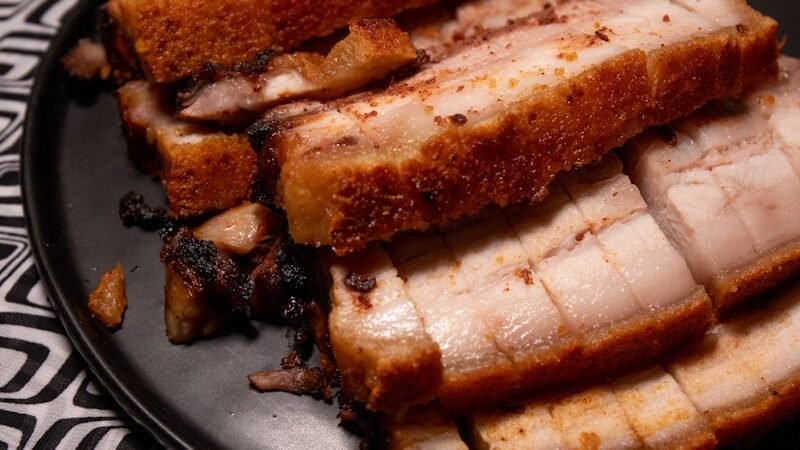
The Essence of Chinese Pork Cooking
Chinese pork cooking is an intricate art form characterized by its diverse flavor profiles and renowned techniques, each lending its distinctive touch to the dishes. One of the fundamental aspects of preparing Chinese pork involves marination, a process that not only enhances the meat’s flavor but also tenderizes it, allowing the spices and seasonings to penetrate deeply. A typical marinade may include soy sauce, rice wine, garlic, ginger, and various spices, which are either mixed together or layered over the pork to develop a rich, savory taste.
When selecting pork cuts, there are several popular options traditionally used in Chinese cuisine. Pork belly is celebrated for its balance of fat and meat, making it ideal for braising and roasting. Other cuts, such as pork shoulder and tenderloin, are also preferred depending on the cooking method. Regional variations play a crucial role as well, influencing the choice of pork and preparatory techniques. For instance, in Sichuan cuisine, one might find spicy and numbing flavors such as Sichuan peppercorns paired with pork, while Cantonese dishes may focus on sweetness and savoriness with ingredients like hoisin sauce.
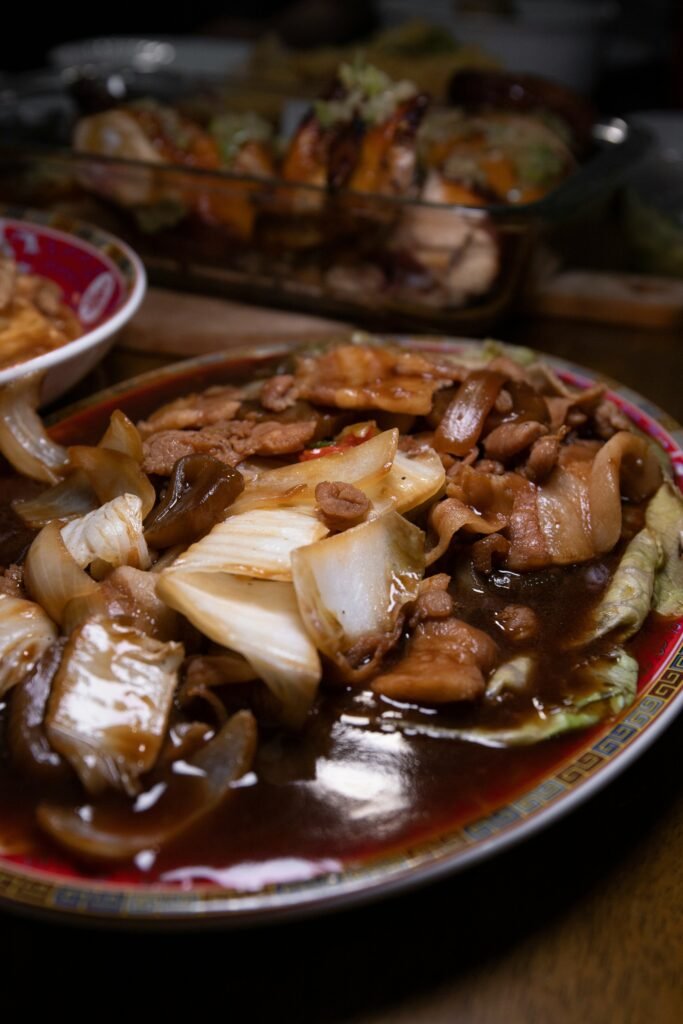
The distinctive taste of Chinese pork recipes is further enhanced by a rich array of spices and sauces. Ingredients such as five-spice powder, star anise, and chili garlic sauce are commonplace, each contributing to the overall flavor balance. Various cooking techniques such as stir-frying, braising, and steaming also play a vital role in achieving the desired texture and taste of the pork. Understanding these elements is crucial for anyone wishing to master the art of Chinese pork cooking, paving the way for creating dishes that resonate with authenticity and flavor harmony.
Marination Magic: Creating a Flavor Base
The art of marinating pork for a Chinese dish is foundational for achieving optimal flavor absorption and tenderness. A successful marinade not only adds flavor but also contributes to the texture of the meat. To create the quintessential Chinese marinade, consider the balance between key ingredients such as soy sauce, hoisin sauce, sugar, garlic, and ginger. Each of these components serves a purpose in enhancing both the taste and the overall eating experience.
Soy sauce acts as the main flavor base, imparting a rich umami profile. It is essential for depth and seasoning. Hoisin sauce, often regarded as a sweet and savory counterpart, adds complexity and a touch of sweetness to the mix. The inclusion of sugar helps to round out the flavor, balancing salty and savory notes with a caramelized finish when cooked. Equally important are the aromatics: garlic and ginger, which provide warmth and zest, bringing vibrant layers of flavor to the pork.
The marination process should not be rushed. Ideally, the pork should be allowed to marinate for at least 30 minutes, though a longer duration of up to several hours or overnight will yield even better results. This extended time allows the flavors to penetrate the meat thoroughly, leading to a more pronounced taste. For optimal outcomes, ensure that the pork is coated evenly in the marinade and stored in an airtight container or wrapped tightly in plastic wrap.
Additionally, marinating not only enhances flavor but also contributes to the texture and tenderness of the meat. The enzymes and acids present in the marinade work to break down the proteins, resulting in a tender dish that melts in the mouth. To ensure maximized flavor absorption and tenderness, consider using cuts of pork with a bit more fat, such as pork belly or shoulder, as they are particularly well-suited for marinating. This method truly exemplifies marination magic, setting the stage for an unforgettable meal.
Cooking Techniques to Elevate Your Dish
When preparing a classic Chinese pork dish, understanding various cooking techniques is essential to achieving flavor harmony and elevating your recipe to an authentic level. Among the most popular methods in Chinese cuisine are stir-frying, braising, and roasting. Each technique brings out distinct flavors and textures suitable for pork.
Stir-frying is a quick and efficient method that involves cooking meat in a hot wok with a small amount of oil. It is imperative to maintain the correct temperature, typically around 350°F (180°C), to preserve the natural juices of the pork and create a beautiful sear. When stir-frying pork, cut it into thin strips to ensure even cooking and tenderness. The process usually takes no longer than 5-7 minutes, allowing the flavors of the marinade to blend with the high heat, producing a delicious result.
Braising is another excellent technique, ideal for tougher cuts of pork. This slow-cooking method begins with searing the meat in a hot pan to lock in flavors before transferring it to a pot with liquid, such as broth or wine. The temperature is lowered to around 300°F (150°C) and the meat is simmered for several hours. This allows the collagen in the pork to break down, resulting in a tender and flavorful dish. Common additions to the braising liquid include soy sauce, ginger, and garlic, enhancing the overall taste.
Roasting pork gives it a crispy outer layer while keeping the inside moist. It’s crucial to preheat your oven to about 375°F (190°C) and regularly baste the meat to ensure even cooking. The use of a meat thermometer to check internal temperature, ideally around 145°F (62°C) for pork, helps achieve the perfect doneness without drying out the meat.
Incorporating these techniques will not only refine the flavors of your pork dish but also help you avoid common mistakes such as overcooking or burning. Mastering these cooking methods is fundamental for creating a mouthwatering and authentic Chinese pork recipe.
Serving and Pairing: Completing the Meal
To truly elevate your homemade Chinese pork dish, careful attention to serving and presentation is essential. Begin by plating the pork attractively on a large, shallow dish. Drizzle with any remaining sauce for added visual appeal and flavor. Consider garnishing the dish with freshly chopped green onions or sesame seeds, as both can provide a pop of color and texture that enhances the overall presentation.
When it comes to pairing, selecting complementary sides is crucial for creating a balanced meal. Steamed jasmine rice is a traditional companion, offering a mild base that allows the flavor of the pork to shine without overwhelming it. Another option could be fried rice, which adds a delightful crunch and additional flavors from the vegetables incorporated within.Furthermore, a simple stir-fried vegetable medley, consisting of bell peppers, snow peas, and broccoli, can introduce vibrant hues and a crunchy texture, which contrasts beautifully with the succulent pork.
No meal is complete without sauces to dip or drizzle. Various soy-based sauces could be offered on the side, such as a sweet soy glaze or a spicy chili sauce, allowing guests to customize their experience according to their taste preferences. These sauces not only amplify the dish but also exemplify the art of balancing flavors in Chinese cuisine.
In Chinese culture, sharing food plays a significant role during meals, symbolizing unity and connection. Consider serving the meal family-style, which encourages guests to serve themselves and fosters a communal dining experience. Set the table with communal serving dishes and individual bowls for rice, thus inviting everyone to partake in this flavor harmony. A well-crafted dining experience fosters connection, making the dining occasion memorable for all involved.