
Understanding Palak Paneer – The Basics
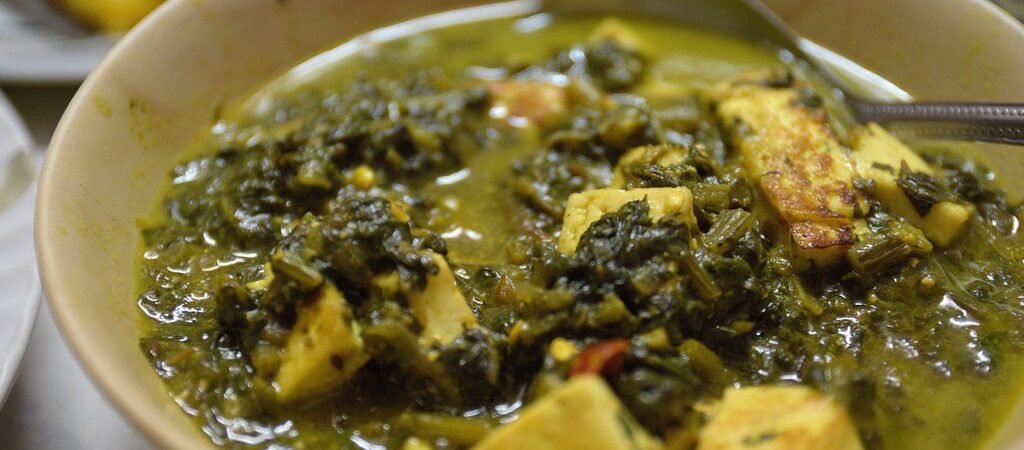
Palak paneer is a quintessential dish in Indian cuisine that showcases the harmonious blend of spinach and Indian cottage cheese, known as paneer. The origins of this dish can be traced back to the northern regions of India, where it has become a staple on many dining tables. With its rich green color and vibrant taste, palak paneer holds a special place not only in everyday meals but also in celebratory feasts, symbolizing health and comfort.
The dish combines palak, or spinach, renowned for its nutrient-rich profile, with paneer, which is a versatile dairy product used extensively in Indian cooking. The interplay between the earthy, slightly bitter flavor of spinach and the creamy, mild taste of paneer creates a delightful balance that is both flavorful and nutritious. This combination is often enhanced with an array of spices, including cumin, coriander, and garam masala, which further elevate the taste profile of palak paneer.
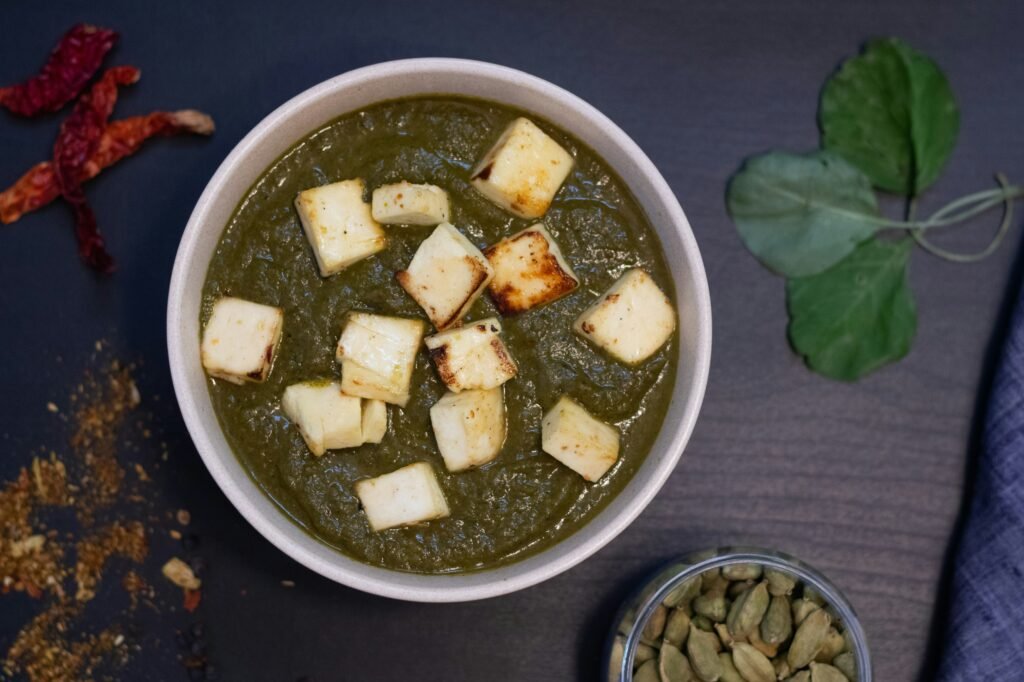
In addition to its flavor, palak paneer also offers a beautiful contrast in texture. The smooth, velvety spinach puree pairs wonderfully with the soft, block-like consistency of paneer cubes, making each bite a memorable experience. As such, mastering palak paneer is not only essential for anyone looking to explore Indian cuisine, but it also serves as a foundation for understanding the nuances of cooking with greens and dairy. Whether served with rice, naan, or roti, palak paneer is a versatile dish that resonates well with both vegetarians and meat lovers alike, making it a must-try recipe for any aspiring chef in the realm of Indian cooking.
Choosing the Freshest Ingredients
When it comes to preparing palak paneer, the choice of ingredients plays a pivotal role in the overall flavor and quality of the dish. Selecting fresh spinach is crucial, as it is the primary ingredient that gives palak paneer its distinctive taste and vibrant green color. Look for spinach leaves that are bright green, firm, and free from any yellowing or wilting. The stems should be crisp and not overly tough. If you have access to organic options, this can further enhance the freshness and flavor.
In addition to fresh spinach, paneer, which is a type of Indian cottage cheese, must also be selected with care. Ideally, paneer should be soft and moist, yet firm enough to hold its shape during cooking. Avoid paneer that appears dry or crumbly, as it may result in a less desirable texture in the finished dish. For those looking to make their own paneer at home, the process is relatively simple and can lead to a creamier, more authentic experience.
Spices are another essential component of palak paneer, contributing not only flavor but also complexity. Fresh spices are always recommended; however, if using ground spices, ensure that they have been stored properly and are not past their expiration date. Whole spices can be ground just before use for maximum flavor.
For those who may not have access to fresh ingredients, frozen spinach can be a viable alternative, although it often contains a bit more moisture. When using frozen spinach, be sure to thaw and drain it to prevent your dish from becoming watery. This option still allows for a nutritious meal that closely resembles the flavor profile of fresh spinach. Homemade paneer can also be made with full-fat milk, offering flexibility and customization in texture and taste, which can ultimately enhance the palak paneer experience. By carefully selecting quality ingredients, one can ensure a delicious and satisfying palak paneer dish.
Mastering the Cooking Process
To create a delicious palak paneer, it is essential to master the cooking process, starting with the preparation of spinach. Begin by selecting fresh, vibrant spinach leaves. Rinse the leaves thoroughly under cold water to remove any dirt or impurities. Following this, blanch the spinach in a pot of boiling water for about two minutes. This quick cooking helps retain the bright green color and nutrients of the spinach. After blanching, immediately transfer the leaves to an ice bath to stop the cooking process. Once cooled, drain the spinach and blend it into a smooth puree using a blender or food processor.
Next, focus on the paneer. Cut the paneer into cubes or triangles, depending on your preference. Paneer can be prepared in multiple ways: frying or grilling. To fry, heat a tablespoon of ghee or oil in a pan until hot, then add the paneer pieces. Fry them until golden brown on all sides for enhanced flavor. Alternatively, grilling the paneer allows for a smoky flavor, which can be achieved using a grill pan. Both methods achieve a delightful texture but remember not to overcrowd the pan to ensure even cooking.
Once your spinach puree and paneer are ready, it’s time to bring everything together. Begin by tempering spices in the cooking oil; heat a tablespoon of ghee and add cumin seeds, followed by finely chopped onions, ginger, and garlic. Sauté until the onions turn translucent. Then, introduce the spinach puree to the tempered spices, stirring to combine. It is crucial not to cook the spinach for too long, as this can dull its vibrant color. Add the paneer cubes and let everything simmer together for a few minutes. Adjust seasoning with salt, red chili powder, and garam masala to enhance the dish’s flavor profile.
To achieve the perfect consistency, consider adding a splash of cream or yogurt towards the end, which not only enriches the dish but also balances the earthy flavors of the spinach. A common pitfall to avoid is overcooking the spinach or paneer; both should be cooked just enough to retain their distinct qualities. Following these steps will ensure that your palak paneer is not only flavorful but visually appealing, embodying the essence of this beloved dish.
Serving and Pairing Suggestions
Palak paneer, with its vibrant green color and rich flavors, presents itself as an appealing dish suited for various occasions. When serving this creamy spinach and cheese delight, presentation plays a crucial role. A simple yet effective way to elevate the dish is by garnishing it with a swirl of cream or a sprinkle of fresh coriander leaves. Serving it in a traditional brass or clay bowl can add an authentic touch, enhancing the dining experience.
Accompanying palak paneer with the right sides is integral to creating a balanced meal. It pairs exceptionally well with various Indian breads, such as warm naan or soft roti, which can help mop up the luscious sauce. Additionally, serving fragrant basmati rice or jeera rice alongside can offer a delightful textural contrast. For a hearty meal, consider including a side of dal (lentils) to add protein and further complexity to the flavors.
To complement palak paneer, beverages like lassi, a yogurt-based drink, or a light Indian beer can be excellent choices. These drinks not only cleanse the palate but also enhance the overall flavor experience of the meal. In terms of side dishes, a refreshing cucumber raita or a simple salad can provide a refreshing crunch, highlighting the creamy texture of the palak paneer.
Culturally, palak paneer is often featured during festive occasions and special gatherings in Indian households. Its rich flavors and appealing appearance make it a favorite among guests, and it can be easily adapted for various settings, from casual family dinners to elaborate celebrations. Thus, whether you are hosting a formal dinner or enjoying a casual meal with loved ones, palak paneer remains a versatile and cherished dish in the Indian culinary repertoire.