
- Introduction to Bacalhau: The Portuguese Icon
- The Basics of Preparing Bacalhau
- Classic Bacalhau Dishes You Must Try
- Easy Bacalhau Recipes for Beginners
- Creative Twists on Traditional Bacalhau
- Pairing Bacalhau with Sides and Wines
- Storage Tips for Bacalhau
- Bacalhau in Portuguese Culture and Celebrations
- Conclusion: Embrace the Bacalhau Adventure
Introduction to Bacalhau: The Portuguese Icon
Bacalhau, or salted cod, holds a revered place in Portuguese cuisine, often regarded as one of the nation’s most iconic and essential ingredients. Its significance transcends culinary boundaries, entwined with the cultural and social fabric of Portugal. Bacalhau is more than just a food item; it symbolizes history, tradition, and endurance. The preservation method of salting cod dates back centuries, crafted out of necessity to extend shelf life during maritime voyages where fresh fish was scarce.
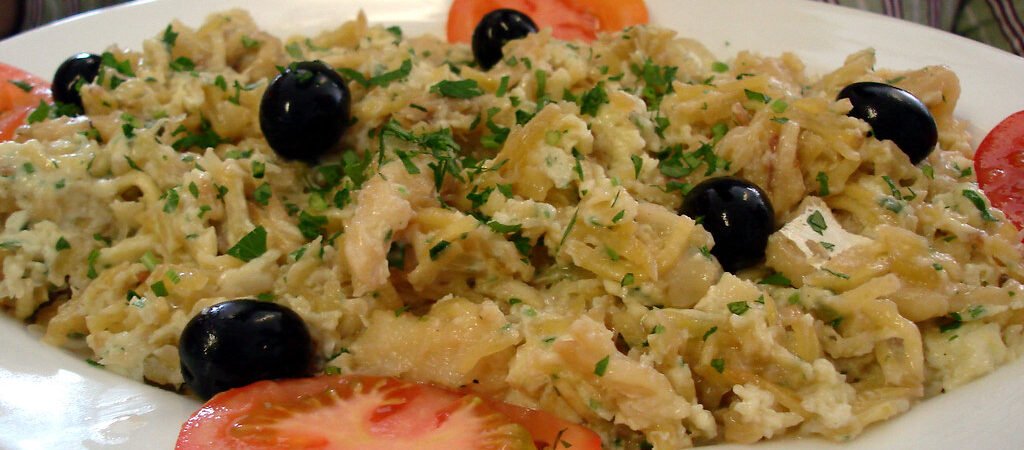
The preparation of bacalhau showcases the resourcefulness of Portuguese cooking. Historically, bacalhau was consumed during Lent and festive occasions due to its long shelf life and satisfying protein content. The phrase “there are as many ways to prepare bacalhau as there are days in the year” emphasizes its versatility. This salted fish can be grilled, baked, stewed, or transformed into dishes such as bacalhau à Brás, which melds the flavors of potatoes and eggs with the distinctive taste of cod.
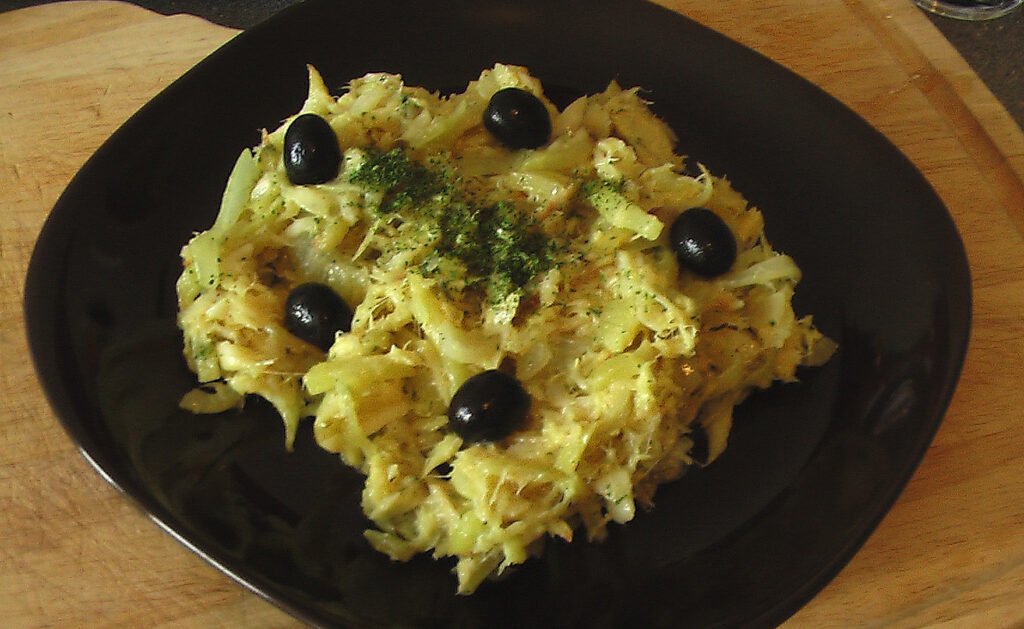
Bacalhau’s flavor profile is complex and multifaceted, offering a slightly briny and rich taste that becomes even more pronounced when rehydrated and cooked. This unique texture allows it to absorb various spices and cooking methods, further enhancing its adaptability in the kitchen. Home cooks find joy in experimenting with bacalhau, integrating it into diverse recipes ranging from simple sautéed dishes to elaborate feasts that herald tradition and innovation alike.
In addition to its culinary uses, bacalhau also represents resilience and tradition in Portuguese culture. It is often featured in family gatherings and celebrations, reinforcing its role as a cherished staple. As more people explore authentic Portuguese dishes, bacalhau remains a centerpiece on tables both in Portugal and worldwide, solidifying its status as a beloved ingredient with a storied past.
The Basics of Preparing Bacalhau
Bacalhau, or salt cod, is a cornerstone of many traditional cuisines, especially in Portuguese cooking. Proper preparation is essential to achieve the authentic taste and texture desired in various recipes. The first step in preparing bacalhau involves soaking the fish to rehydrate it and remove excess salt. Begin by rinsing the bacalhau under cold water to eliminate surface salt. Then, place the fish in a large bowl or container filled with fresh water, ensuring it is fully submerged. Cover the container and refrigerate for 24 to 48 hours, changing the water at least twice a day to effectively desalinate the fish.
Once the soaking process is complete, you should taste a small piece to ensure the desired saltiness has been achieved. It’s important to note that the soaking time can vary based on the thickness of the fish pieces and the level of saltiness you prefer. For thicker cuts, additional soaking time may be necessary.
After desalting, the bacalhau is typically boiled or poached to further cook it and enhance its texture. To do this, bring a pot of water to a gentle simmer and add the soaked bacalhau. Allow it to cook for about 10 to 15 minutes or until the fish flakes easily with a fork. This cooking technique not only softens the fish but also maintains its flavor, preparing it for incorporation into various dishes.
When selecting bacalhau, look for high-quality, firm pieces with a consistent texture and minimal discoloration. Avoid products that appear excessively dry or brittle, as these may indicate poor quality. Common pitfalls to avoid during preparation include insufficient soaking, which could lead to overly salty fish, and overcooking, which can result in a tough, rubbery texture. By adhering to these preparation guidelines, you can ensure that your bacalhau is ready for delicious meals that honor its culinary heritage.
Classic Bacalhau Dishes You Must Try
When exploring the culinary landscape of Portuguese cuisine, codfish, or bacalhau, stands as an iconic ingredient. Among the plethora of bacalhau dishes, three classic recipes hold a special place: Bacalhau à Brás, Bacalhau com Natas, and Bacalhau à Gomes de Sá. Each of these dishes embodies the essence of traditional Portuguese cooking, with unique flavors and preparation methods.
Bacalhau à Brás is a beloved dish that combines shredded salted cod with finely chopped onions and straw fries, bound together by scrambled eggs. To prepare this dish, begin by desalinizing the bacalhau, poaching it until tender, and then flaking it into bite-sized pieces. In a skillet, sauté onions in olive oil until they are translucent, followed by adding the bacalhau and fries. Once everything is combined, gently mix in the beaten eggs, allowing them to cook just enough to bind the ingredients without becoming dry. Garnish with black olives and parsley for a delicious finish. This dish is cherished for its comforting texture and flavors.
Next, Bacalhau com Natas features creamy layers of salted cod, potatoes, and a rich béchamel sauce. Start by soaking the bacalhau to remove excess salt before poaching it and flaking it. For the potatoes, slice them thinly and either fry or bake until golden. Prepare a béchamel by cooking flour and butter together, then gradually whisking in milk until smooth and thick. In a baking dish, layer the potatoes, bacalhau, and béchamel, ensuring all components are generously coated with cream. Finally, bake until golden and bubbly. This dish is perfect for family gatherings, showcasing the luxurious nature of bacalhau.
Lastly, Bacalhau à Gomes de Sá is another staple derived from the northern region of Portugal. This casserole consists of layers of potatoes, bacalhau, onions, and hard-boiled eggs, all drizzled with olive oil. Begin by soaking and preparing the cod, slicing it into manageable pieces. Cook the sliced potatoes and onions until soft, then layer them in a dish with the bacalhau and boiled eggs. Finish with a sprinkle of olives and a drizzle of olive oil before slow-baking until heated through. This dish is dear to many for its simplicity and depth of flavor, perfectly embodying the essence of Portuguese home cooking.
Easy Bacalhau Recipes for Beginners
Bacalhau, or codfish, is a staple in Portuguese cuisine, cherished for its rich flavor and versatility. For novice cooks eager to explore traditional dishes, there are simple recipes that require minimal ingredients and straightforward techniques. Two popular options are Bacalhau Salada and Bacalhau Espiritual, both perfect for beginners.
Bacalhau Salada is a refreshing and easy-to-prepare salad that highlights the delicate flavors of the bacalhau. To create this dish, begin with desalted bacalhau, which is essential for optimal taste. Soak the salted cod in water for 24 to 48 hours, changing the water periodically. Once desalted, boil the fish in water until cooked, typically about 15 minutes. Then, let it cool before flaking the fish into bite-sized pieces.
Combine the flaked bacalhau with boiled potatoes, chopped onions, and chopped parsley. A drizzle of olive oil and a squeeze of fresh lemon juice enhances the flavors beautifully. This dish can be served either warm or cold and is perfect for a light meal.
Next, explore Bacalhau Espiritual, a delightful dish that showcases the versatility of bacalhau in a comforting casserole. Start by preparing the desalted cod in the same manner as for Bacalhau Salada. Once cooked, flake the bacalhau into pieces. Sauté finely chopped onions and garlic in olive oil until golden, adding shredded bacalhau afterward. Stir in cream and a small amount of breadcrumbs, mixing well to combine all the flavors.
Transfer the mixture to a baking dish, sprinkle additional breadcrumbs on top, and bake in the oven until the surface is golden brown and crispy. This dish offers a wonderful way to experience the authentic taste of bacalhau without overwhelming complexity, making it ideal for beginner cooks.
Creative Twists on Traditional Bacalhau
Bacalhau, a staple of Portuguese cuisine, is celebrated for its versatility and rich flavor. While traditional recipes like Bacalhau à Brás and Bacalhau com Natas are beloved, innovative approaches can breathe new life into this iconic ingredient. By incorporating elements from different cuisines or adapting cooking styles, home chefs can create delightful fusion dishes that maintain the essence of bacalhau.
One exciting twist involves utilizing Latin American flavors. Consider a Bacalhau Tacos recipe, where shredded salted cod is combined with avocado, fresh cilantro, and pico de gallo, all wrapped in warm corn tortillas. This dish merges the traditional taste of bacalhau with vibrant Tex-Mex ingredients, offering a fresh take that is both flavorful and accessible.
Alternatively, inspired by Mediterranean cuisine, a Bacalhau Ratatouille can be crafted by pairing the fish with seasonal vegetables such as zucchini, eggplant, and bell peppers. Slow-cooked in olive oil and herbs, this dish highlights the subtleties of bacalhau while introducing a wholesome, colorful array of textures and tastes.
For a more exotic variation, consider a bacalhau curry. Combining salted cod with fragrant spices, coconut milk, and an assortment of vegetables can create a tantalizing dish that honors traditional flavors while introducing a lively and unexpected twist. The use of curry spices can elevate the umami notes of the bacalhau, resulting in a dish that surprises and delights.
Seasonal variations also offer opportunities for creative expression. Incorporating local, in-season vegetables or herbs can enhance the traditional recipes, such as adding fresh asparagus in spring or roasted root vegetables in autumn. These adaptations not only reflect the seasons but also invite a multitude of flavors and colors, making each meal memorable.
Pairing Bacalhau with Sides and Wines
Bacalhau, or salt cod, is a cornerstone of Portuguese cuisine, and it pairs beautifully with various side dishes and wines. When creating a complementary meal, one can consider traditional accompaniments such as boiled potatoes, sautéed greens, and seasonal vegetables. These sides not only enhance the flavors of bacalhau but also contribute to the overall nutritional balance of the dish.
Boiled potatoes seasoned with olive oil and fresh herbs serve as a staple side that absorbs the dish’s robust flavors. Alternatively, serving bacalhau alongside sautéed collard greens or a medley of steamed vegetables adds freshness and color to the plate, while also introducing essential vitamins. A simple salad made with tomatoes, onions, and olives can further elevate the dining experience by adding a refreshing contrast to the richness of the salted fish.
In terms of wine pairing, selecting the right beverage can significantly enhance the meal. A crisp Vinho Verde, which is light and slightly effervescent, is ideal for balancing the saltiness of the bacalhau. Alternatively, a medium-bodied white wine like Alvarinho, with its fruity notes and floral aroma, compliments the dish wonderfully. For those who prefer red wine, a light Pinot Noir can offer a delightful contrast without overpowering the flavors of the bacalhau.
When planning a meal featuring bacalhau, it is important to create a harmonious balance between flavors and textures. By thoughtfully choosing sides and wines, one can not only honor the traditional elements of this dish but also delve into a delightful culinary experience that reflects the essence of Portuguese gastronomy.
Storage Tips for Bacalhau
When it comes to preserving bacalhau, proper storage is essential to maintain its quality and flavor. Bacalhau, or salted cod, has a long shelf life when stored correctly, making it a favorite for many households that appreciate its unique taste and versatility. Before cooking, store dry bacalhau in a cool, dry place, such as a pantry or cupboard. High humidity can lead to spoilage, so ensure the storage area is well-ventilated. If the bacalhau is packaged, it’s best to leave it in its original container until you’re ready to use it.
Once opened, place bacalhau in an airtight container to prevent any moisture absorption. It can last for several months if stored properly, so check the packaging for any specific shelf life recommendations. However, keep in mind that the flavor and quality will degrade over time, so it’s advisable to use it within a reasonable period. Prior to cooking, remember that bacalhau needs to be soaked for at least 24 hours to remove excess salt, so plan accordingly.
After cooking bacalhau dishes, proper refrigeration is key to prolonging the life of your leftovers. Allow the cooked bacalhau to cool to room temperature before transferring it to an airtight container. Refrigerated bacalhau leftovers can be safely stored for up to 3-4 days. For longer storage, consider freezing the cooked dish. Ensure it cools completely, then wrap it tightly in plastic wrap and place it in a freezer-safe bag or container. Frozen bacalhau can be enjoyed for up to three months; however, for optimal flavor and texture, eat it sooner. When ready to consume, thaw in the refrigerator overnight before reheating. This method will help maintain its delightful taste and will ensure that your bacalhau experience is just as satisfying the second time around.
Bacalhau in Portuguese Culture and Celebrations
Bacalhau, or codfish, holds a significant place in Portuguese culture, particularly influencing the culinary landscape during various holidays and celebrations. It is often referred to as a staple food, particularly during Christmas, when several traditional recipes featuring bacalhau are prepared and served. The custom of incorporating bacalhau into festive meals is deeply embedded in history and tradition, reflecting the cultural identity of the Portuguese people.
During the Christmas season, families gather to enjoy the company of loved ones, and bacalhau often takes center stage on the dining table. Various dishes, such as bacalhau à brás or bacalhau com natas, showcase the versatility and richness of this prized ingredient. The preparation of bacalhau for Christmas celebrations is not merely about the dish itself; it is intertwined with family rituals and memories passed down through generations. Each region in Portugal may have its own unique method of preparing bacalhau, adding to the diversity of flavors presented on festive occasions.
Furthermore, bacalhau signifies more than just food; it embodies a sense of community and togetherness. The act of cooking together, sharing recipes, and passing on culinary heritage reflects the values of family bonding and connection. On New Year’s Eve, it is also common to incorporate bacalhau into celebratory meals, signifying prosperity and good fortune for the year ahead.
Overall, the role of bacalhau in Portuguese culture during holidays and celebrations underlines its significance as a cherished ingredient, fostering family traditions and cultural continuity. The enjoyment of bacalhau at festive gatherings serves to strengthen relationships and create lasting memories, illustrating the profound connection between food and cultural identity in Portugal.
Conclusion: Embrace the Bacalhau Adventure
As we conclude this exploration of bacalhau, it is essential to recognize the rich culinary heritage that this versatile ingredient offers. Bacalhau, or salted cod, has been a staple of Portuguese cuisine for centuries, embodying not only tradition but also an opportunity for innovation in home cooking. Whether you are preparing it for a family gathering or a simple meal, incorporating bacalhau into your kitchen repertoire allows you to connect with a piece of Portugal’s gastronomic history.
Its adaptability in various recipes, from the classic Bacalhau à Brás to the delectable Bacalhau com Natas, means that you can experiment and tailor these dishes to suit your palate. The process of rehydrating and cooking bacalhau may seem daunting at first, but with practice, you will find joy in mastering it. Consider trying different seasonings, vegetables, and cooking methods to create your own bacalhau variations. Each attempt can reveal a new facet of flavor and texture that speaks to your culinary style.
We invite you to embark on this bacalhau adventure, share your journey with family and friends, and become part of a broader community that appreciates this unique ingredient. Your experiences, whether they result in a cherished traditional dish or an innovative twist, contribute to the ongoing legacy of bacalhau in modern cooking. Let the kitchen be your playground, and savor the challenges and triumphs that come with crafting remarkable meals. We encourage you to post your creations and share your unique takes on bacalhau dishes, celebrating the delicious possibilities nestled within this iconic ingredient.