

What Are Gyros?
Gyros are a popular Greek dish that has garnered international acclaim for their unique flavors and satisfying presentation. The term ‘gyros’ originates from the Greek word meaning ‘turn,’ which aptly describes the method of cooking the meat on a vertical rotisserie. Traditionally, gyros are made using pork, but variations include chicken, lamb, or beef, allowing for diverse flavor profiles and catering to different dietary preferences.
In terms of preparation, the meat is typically marinated in a blend of spices and herbs before being layered on the spit, ensuring an amalgamation of flavors with every slice. Once cooked, the meat is shaved off into tender pieces, often served in a warm pita with a variety of toppings such as diced tomatoes, onions, and a generous dollop of tzatziki sauce—a yogurt-based condiment laden with garlic and cucumbers.
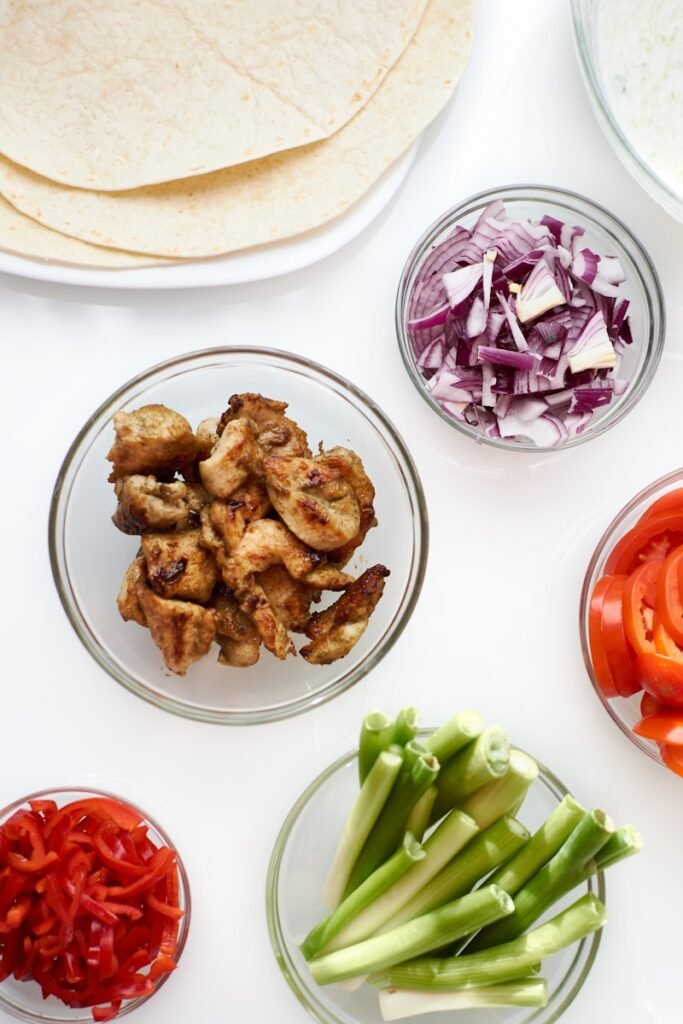
The culinary significance of gyros in Greek cuisine cannot be overstated. They embody the comfort food ethos, with their rich flavors and satisfying textures, making them a staple within Mediterranean diets. Furthermore, gyros have gained immense popularity beyond Greece’s borders, often appearing in diverse culinary landscapes around the world. In many cities, gyros are available from food trucks, restaurants, and street vendors, showcasing their accessibility and widespread appeal.
Different interpretations of gyros can be found internationally; for instance, in the United States, gyros are often served with a side of fries, diverging from the traditional practices. However, no matter the variation, the charm of gyros lies in their ability to deliver a taste of the Mediterranean right from the plate to any eager palate.
Essential Ingredients for Homemade Gyros
To create authentic gyros at home, several key ingredients are necessary. These components not only contribute to the flavor but also ensure the right texture and presentation of the dish.
First and foremost, the choice of meat is critical. Traditional gyros are made with pork, lamb, or chicken, marinated to perfection with various spices. Pork is the most common option in Greece, whereas lamb offers a richer flavor. For a healthier twist, chicken can be used, though it may require additional seasoning to achieve an authentic taste. For those seeking a plant-based alternative, seasoned falafel or spiced mushrooms can serve as substitutes.
Next, the seasoning blend plays an essential role in enhancing the meat’s flavor. Common ingredients include garlic, oregano, cumin, and paprika, which infuse the meat with a robust aroma. Additionally, the use of olive oil helps in tenderizing the meat and boosting its taste. Beginners can also experiment by incorporating lemon juice or vinegar into their marinade for an extra zest.
Pita bread is a fundamental element for wrapping gyros. Soft, airy pita is preferred for its ability to cradle the filling without tearing. When selecting pita, look for those labeled as “Greek pita” as they are typically thicker and more suitable for gyros. If pita is unavailable, tortillas can work as a suitable alternative.
The signature sauce for gyros is tzatziki, a yogurt-based dip made from strained yogurt, cucumber, garlic, and dill. Tzatziki not only complements the meat but also adds a refreshing element to the dish. Those unable to find tzatziki can substitute it with a mixture of yogurt and mayonnaise spiced with garlic and dill.
Finally, toppings such as sliced tomatoes, onions, and fresh parsley enhance the overall flavor and texture, adding crunch and freshness. Each of these ingredients plays a pivotal role in achieving the classic gyros experience that makes this dish beloved worldwide.
Step-by-Step Guide to Making Gyros
Making gyros at home involves several crucial steps, each contributing to the overall flavor and texture. To begin, select your preferred meat—commonly pork, chicken, or lamb. The first step is marinating the meat. In a bowl, combine olive oil, Greek yogurt, lemon juice, minced garlic, and a mix of herbs such as oregano, thyme, and rosemary. This marinade not only enhances the meat’s flavor but also ensures it remains juicy during cooking. Allow the meat to marinate for at least two hours, or ideally overnight, in the refrigerator to deepen the flavors.
Once the meat is marinated, it’s time to cook it. For a traditional approach, you can use a vertical rotisserie; however, grilling or roasting the meat in an oven is perfectly acceptable for beginners. If using an oven, preheat it to 400°F (200°C). Place the marinated meat on a baking sheet and roast for approximately 25-30 minutes, or until the internal temperature reaches safe levels (165°F for chicken and 145°F for pork/lamb). If grilling, cook for about 15-20 minutes over medium heat, turning occasionally until cooked through.
While the meat is cooking, prepare the tzatziki sauce. In a bowl, mix together Greek yogurt, grated cucumber (squeezed to remove excess moisture), lemon juice, minced garlic, dill, salt, and pepper. This fresh sauce complements the savory flavor of the meat, adding creaminess and zest.
Now, assemble your gyros. Warm pita bread briefly on the grill or in a skillet. Layer slices of the cooked meat onto the pita, followed by a generous dollop of tzatziki. Finish with fresh toppings such as sliced tomatoes, red onions, and lettuce. Each bite should balance the spiced meat, refreshing sauce, and crisp vegetables, culminating in a delightful homemade gyro experience.
Serving Suggestions and Variations
Homemade gyros offer a delightful opportunity to personalize your meal. To enhance the gyro experience, consider various serving suggestions and complementary side dishes. Traditional accompaniments include crispy potato fries, a fresh Greek salad with tomatoes, cucumbers, olives, and feta cheese, or even a simple yogurt sauce and pita bread for dipping. These sides not only balance the flavors but also add nutritional value, making your meal more satisfying.
When it comes to beverages, refreshing drinks such as tzatziki-infused lemonade or an iced tea infused with fresh herbs can elevate your dining experience. For those who prefer a touch of indulgence, a light white wine, such as Sauvignon Blanc, can complement the rich flavors of a gyro perfectly.
Moreover, developing unique variations of gyros allows for creativity in the kitchen. Those seeking vegetarian or vegan alternatives can substitute the traditional meat with grilled vegetables, such as zucchini, bell peppers, and portobello mushrooms. Alternatively, chickpeas or lentils can provide a hearty base when seasoned with spices. Using a plant-based yogurt or tahini sauce instead of dairy-based sauces ensures that these variations remain flavorful and satisfying.
Additionally, consider experimenting with different flavor profiles by incorporating international elements, such as spicy harissa or sweet teriyaki sauce, instead of the classic tzatziki. Add unique toppings, such as kimchi or pickled vegetables, to give a modern twist to this timeless dish.
These serving suggestions and variations make it easy for anyone to enjoy homemade gyros while customizing their culinary adventure. The possibilities are endless, and by exploring different ingredients, one can truly make the dish their own.