
Choosing the Perfect Octopus
When preparing Pulpo a la Gallega, selecting the right octopus is crucial for achieving the dish’s distinctive flavor and texture. Generally, there are two types of octopus often used: the Mediterranean octopus (Octopus vulgaris) and the common octopus (Octopus minor). Both varieties offer a unique taste and are suitable for this classic dish; however, the Mediterranean octopus is considered superior in terms of flavor and tenderness.
Freshness is a key indicator of the quality of octopus. When sourcing your octopus, look for specimens that are firm to the touch and possess a vibrant, moist appearance. A fresh octopus should have a clean and briny odor, reminiscent of the sea; any off-putting or fishy smells are indicators that the product is not fresh. Pay attention to the skin as well; it should be shiny and smooth without any discoloration. The color can vary, but generally, a bright hue indicates freshness.
In terms of sustainability, it is essential to procure octopus from responsible sources. Look for seafood that is certified by organizations like the Marine Stewardship Council (MSC) or the Aquaculture Stewardship Council (ASC). These certifications indicate that the seafood is harvested in ways that maintain healthy populations and minimize environmental impact.
When deciding between frozen and fresh octopus, you may find that frozen seafood can sometimes retain more flavor and texture than its fresh counterpart, especially if it was frozen shortly after being caught. If you opt for frozen octopus, select products that have been properly vacuum-sealed to prevent freezer burn. High-quality seafood can often be found at local fish markets or specialty grocery stores, warranting a source that prioritizes freshness and quality.
Preparing and Tenderizing the Octopus
When preparing Pulpo a la Gallega, achieving the optimal texture of the octopus is essential. Begin by cleaning the octopus, which is a crucial step for a flavorful dish. Start by rinsing the octopus under cold water to remove any debris. Next, ensure you remove its beak, which is located at the center of the tentacles, and take out the insides carefully. This process involves gutting the octopus to ensure that only the edible parts are retained, contributing to a better taste and texture.
After cleaning, the octopus must be tenderized effectively, as its natural toughness can deter from the otherwise delicate dish. There are several techniques traditionally used for this purpose. One popular method is to freeze the octopus before cooking it. Freezing helps break down the muscle fibers, resulting in a more tender texture once the octopus is boiled.
Alternatively, boiling is another common technique used for tenderizing. To do this, bring a large pot of salted water to a rapid boil. It is recommended to dip the octopus into the boiling water three times before fully submerging it. This technique is believed to help maintain the structure of the tentacles while slowly cooking the meat inside. Once the octopus is fully cooked, it should be tender and should easily give when pressed. The cooking time will vary, so it is advisable to use a fork or knife to check for doneness. A perfectly tenderized octopus will enhance the overall culinary experience of your Pulpo a la Gallega.
Cooking Techniques for Pulpo a la Gallega
Preparing Pulpo a la Gallega, a traditional Galician octopus dish, involves several key cooking techniques that ensure a tender texture and rich flavor. The primary method involves boiling the octopus, but it can be enhanced through alternative techniques such as grilling or oven-roasting, each imparting unique characteristics to this delightful seafood dish.
To start with the boiling method, it is essential to use live or frozen octopus. Freezing the octopus prior to cooking can help tenderize the flesh, making it more palatable. Begin by bringing a large pot of water to a rolling boil, optionally adding sea salt, bay leaves, or an onion for added flavor. Once the water reaches boiling point, immerse the octopus for a few seconds and then remove it; repeating this step three times is believed to enhance the final texture. This technique, often referred to as “asustar” or shocking, causes the skin to tighten, preventing it from becoming rubbery.
After the initial immersion, allow the octopus to simmer gently for approximately 30 to 45 minutes, depending on the size of the octopus. To ensure perfect cooking, use a fork or skewer to check for tenderness; you should feel little resistance when piercing the flesh. It is crucial to maintain a stable, low temperature to prevent overcooking.
Once the octopus is tender, it can be transferred to an ice bath to halt cooking before slicing it into manageable pieces. Alternatively, for an added layer of flavor, consider grilling or oven-roasting the octopus. For grilling, brush it with olive oil and season it with spices, then cook over medium heat until slightly charred. In the case of oven-roasting, season the octopus, wrap it in foil, and roast at around 350°F (175°C) for about 40 minutes. Both methods lend a smoky flavor that complements the dish’s traditional preparation.
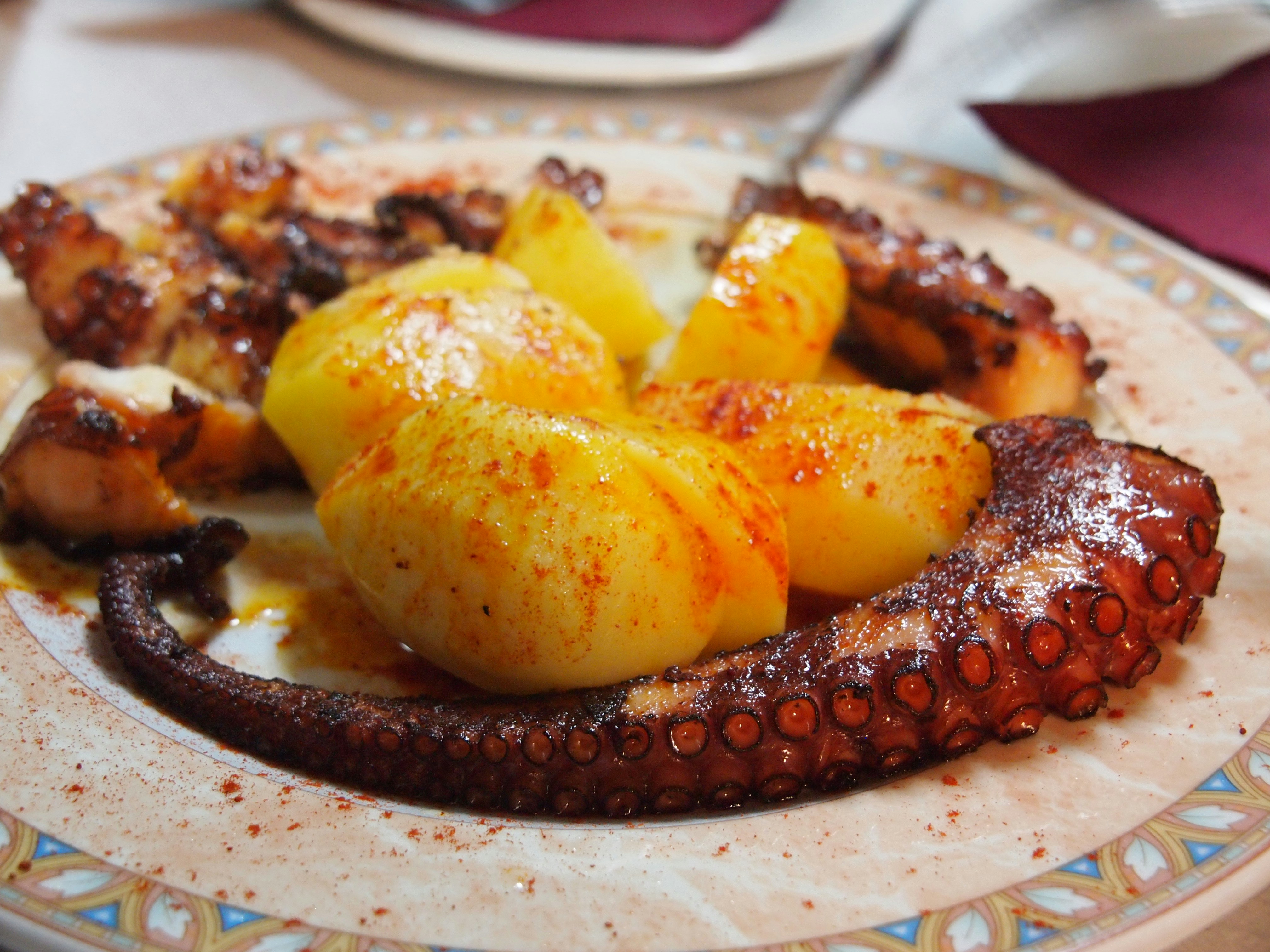
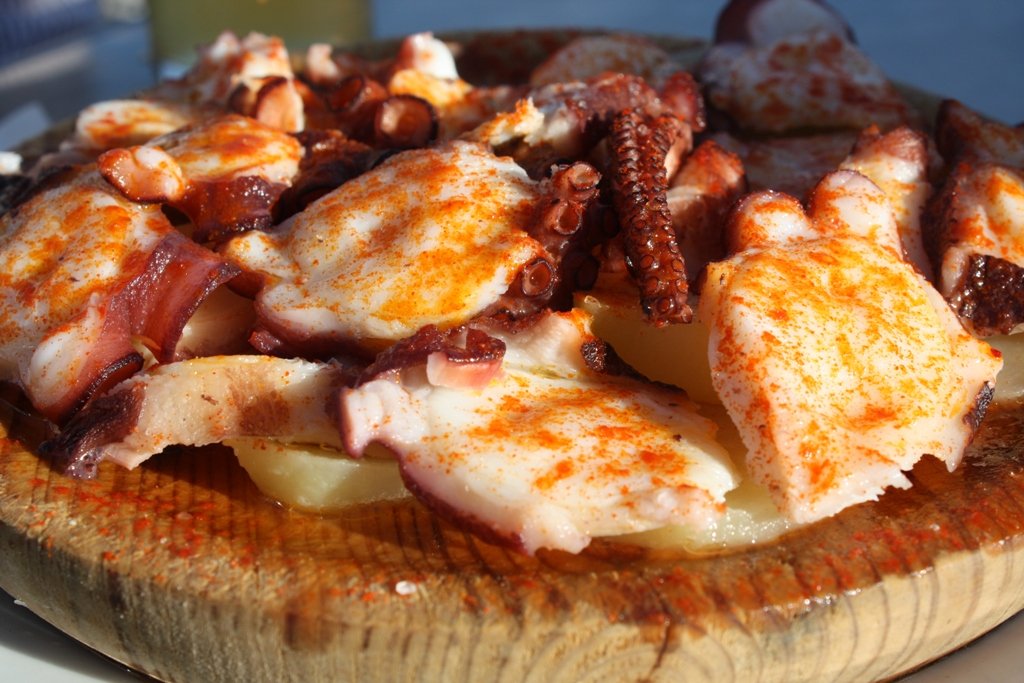
Regardless of the cooking technique chosen, the presentation of Pulpo a la Gallega plays a critical role. Slicing the octopus into rounds and garnishing with a drizzle of olive oil, Pimentón, and a sprinkle of coarse salt not only enhances flavor but also creates an inviting visual appeal. By employing these techniques, anyone can master the art of making Pulpo a la Gallega like a seasoned chef.
Serving Suggestions and Accompaniments
When it comes to serving Pulpo a la Gallega, presentation and accompaniments play a crucial role in elevating this iconic Galician dish. Traditionally, pulpo is served on a wooden board, which not only reflects the rustic roots of the dish but also enhances the overall experience. The tentacle slices should be arranged in a circular pattern, allowing the vibrant colors and textures to be showcased prominently.
To elevate the flavors of Pulpo a la Gallega, traditional accompaniments include a generous drizzle of extra virgin olive oil, a sprinkle of smoked paprika, and a touch of coarse sea salt. The rich and fruity notes of the olive oil create a luxurious mouthfeel, while the smoky paprika adds depth and warmth to the dish. The coarse sea salt enhances the natural brininess of the octopus, ensuring each bite is an explosion of flavor.
For an elegant presentation, consider garnishing the plate with fresh parsley or microgreens, which provide a pop of color and freshness. Additionally, serve the dish alongside thinly sliced boiled potatoes, which not only complement the octopus but also absorb the wonderful flavors from the olive oil and paprika. This combination serves as both a side dish and a vehicle for enjoying the hearty, satisfying elements of Pulpo a la Gallega.
To complete the dining experience, pairing Pulpo a la Gallega with the right wine is essential. A crisp Albariño or a light Txakoli will enhance the flavors of the dish without overpowering them. These white wines possess a refreshing acidity that balances the richness of the olive oil and complements the briny notes of the octopus, making for a perfect culinary pairing.