
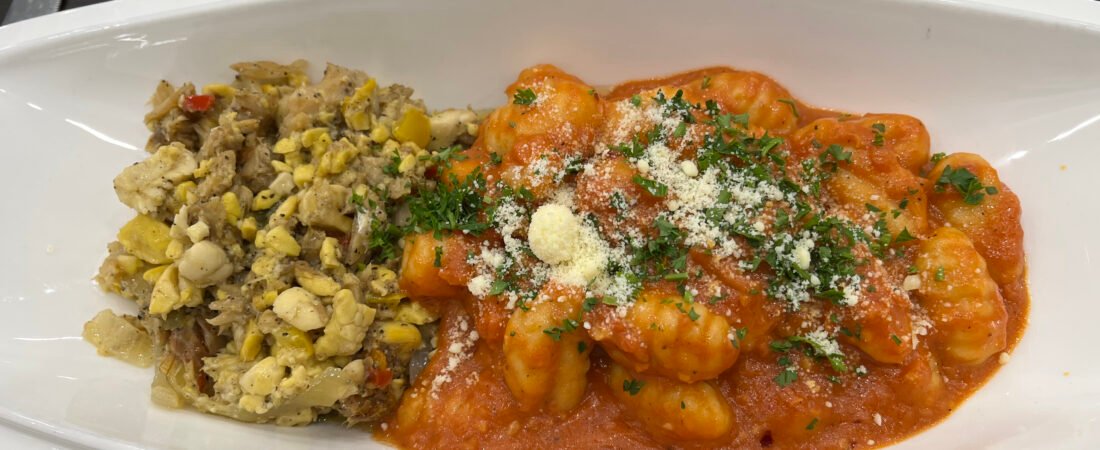
What is Rasta Pasta?
Rasta Pasta is a flavorful dish that blends traditional Italian pasta with Caribbean spices and ingredients, creating a unique culinary fusion. The origins of this dish can be traced back to Jamaica, where it reflects the country’s rich cultural tapestry, particularly the influence of Rastafarian philosophy and lifestyle. Rastafarian culture emphasizes a connection to nature, community, and using fresh, local ingredients, which is evident in the preparation of Rasta Pasta.
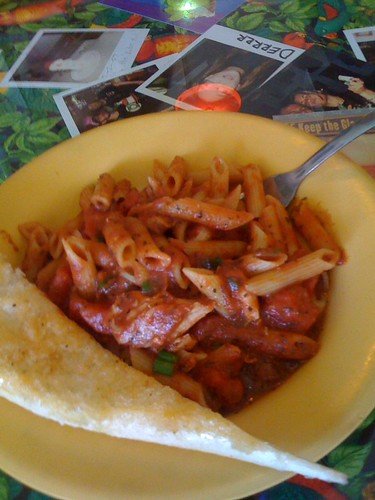
The dish usually features penne or fettuccine pasta, sautéed with a variety of vibrant vegetables such as bell peppers, onions, and tomatoes, which not only add sweetness and color but also evoke the colors of the Rastafarian flag: red, gold, and green. The vegetables are often accompanied by a creamy sauce that incorporates coconut milk and various spices, providing a delightful aroma and enriching the overall taste.
Cultural significance plays a crucial role in the popularity of Rasta Pasta. It reflects the Rastafarian ethos of using natural ingredients and celebrating the bounties of local produce. As the dish gained popularity, many Jamaican restaurants began offering their interpretations, sometimes incorporating seafood or chicken for added protein. It has evolved into a beloved comfort food not only within Jamaica but also in regions with a significant Caribbean diaspora.
In recent years, the dish has garnered attention in culinary circles, with food enthusiasts eager to recreate this iconic Jamaican meal at home. The recipe for Rasta Pasta is versatile, allowing for personalization based on individual taste preferences or dietary restrictions. This flexibility, combined with its impressive flavors, ensures that Rasta Pasta remains a cherished dish in Jamaican cuisine and beyond.
Essential Ingredients for Rasta Pasta
Rasta Pasta, a vibrant and flavorful dish, is known for its bold colors and tastes that reflect the vibrant Jamaican culture. To prepare this dish authentically, one must gather several key ingredients that contribute significantly to its unique flavor profile.
The cornerstone of Rasta Pasta is, of course, the pasta itself. Traditionally, linguine or fettuccine is used, but any long pasta can work equally well. The choice of pasta plays a crucial role in the overall texture of the dish, allowing it to hold onto the sauce more effectively.
The sauce is where the magic happens. A blend of coconut milk, bell peppers, and spices such as garlic, thyme, and allspice creates a rich and creamy base. Each bell pepper—red, yellow, and green—not only adds color but also brings a sweet crunch that complements the creaminess of the coconut milk. For a little heat, a pinch of Scotch bonnet pepper or a dash of cayenne can be added, catering to those who enjoy a spicy kick.
Proteins are also a vital element in Rasta Pasta. Common options include chicken, shrimp, or even vegetarian alternatives like tofu or chickpeas for those with dietary restrictions. These proteins bring substance to the dish, enhancing its nutritional value and overall heartiness.
A garnish of fresh herbs, such as cilantro or parsley, and a squeeze of lime juice can elevate the dish’s flavor, providing freshness that balances the richness of the sauce. It is essential to choose ingredients that not only contribute flavor but also texture and nutritional balance to the meal. By ensuring that these ingredients are fresh and of high quality, home chefs can recreate the vibrant and enticing spirit of this beloved Jamaican dish.
Step-by-Step Cooking Instructions
To prepare Rasta Pasta at home, follow these simplified steps to ensure a delightful culinary experience. Start by gathering your ingredients, which typically include penne pasta, bell peppers in vibrant colors, onions, garlic, and a choice of protein, such as chicken or shrimp. Additionally, ingredients like coconut milk and jerk seasoning will enhance the dish’s flavor.
Begin by boiling water in a large pot. Add a pinch of salt for flavor, then incorporate your pasta. Cook it according to the package instructions until it reaches an al dente texture. Once ready, drain the pasta and set it aside, allowing it to cool slightly.
Next, heat a sizable skillet over medium heat and add a tablespoon of oil. Introduce diced onions and minced garlic to the hot oil, stirring frequently until they become aromatic and translucent. This step is crucial as it lays the foundation for the overall flavor of the dish.
Following this, add in your sliced bell peppers. A mix of red, yellow, and green adds visual appeal while providing different flavor notes. Sauté these for about three to five minutes until they start to soften. If you are using a protein such as chicken or shrimp, this is the ideal time to incorporate it into the skillet. Cook until the protein is fully done.
Once the vegetables and protein are cooked to your liking, pour in the coconut milk and sprinkle jerk seasoning. Simmer this mixture for roughly five minutes to allow the flavors to meld seamlessly. At this stage, fold in the cooked pasta, ensuring it is well-coated with the vibrant sauce.
Continue to stir gently for an additional couple of minutes until each pasta piece is heated through. For an extra touch, consider garnishing your dish with chopped cilantro or green onions before serving. Enjoy your homemade Rasta Pasta, a delightful combination of flavors and colors that brings a taste of the Caribbean right to your table!
Tips and Variations for Perfecting Rasta Pasta
To elevate your Rasta Pasta dish, it is essential to consider various cooking techniques and ingredient adjustments. Start by selecting high-quality pasta, preferably one made from durum wheat, as it holds sauces well. Ensure you cook the pasta al dente, which will prevent it from becoming mushy when combined with the sauce. To add depth to the flavor, sauté your aromatic vegetables such as bell peppers and onions until they are caramelized, rather than merely softening them.
For those interested in variations, Rasta Pasta can seamlessly accommodate vegetarian or vegan options. Consider replacing traditional cream with coconut milk or cashew cream for a rich texture that enhances the tropical vibe of the dish. Additionally, incorporating protein-rich ingredients such as beans or lentils can create a satisfying and nutritious vegetarian option.
When it comes to plating, incorporating vibrant colors can greatly improve the presentation. Arrange the pasta and sauce neatly and consider garnishing with fresh herbs like cilantro or parsley. A sprinkle of nutritional yeast can also lend a cheesy flavor without the dairy, making it a delightful addition for vegans.
Avoid common mistakes such as overcooking the pasta or neglecting to season adequately. Spice levels can be adjusted according to personal preferences; for a milder taste, consider using less scotch bonnet pepper, or omit it altogether. Conversely, to enhance the heat, add additional spices or hot sauce at the end of cooking. This flexibility allows you to create a dish that suits your palate.
By following these tips and experimenting with various ingredients, you are sure to perfect your Rasta Pasta, making it a standout dish at any gathering.