
Introduction to Yakitori
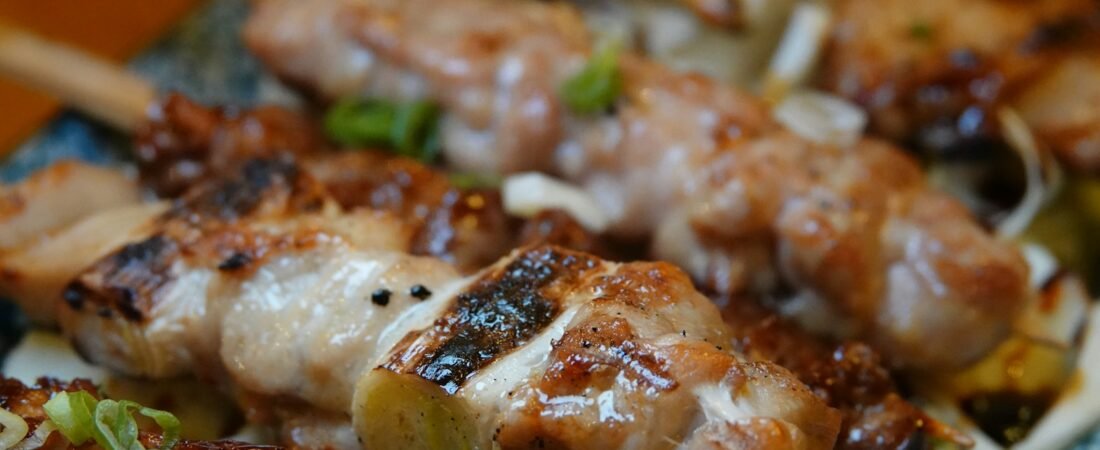
Yakitori, a beloved Japanese dish, can be defined as skewered grilled chicken, but its significance extends beyond a simple meal. Originating during the Edo period (1603-1868), yakitori was initially conceived as an efficient and economical way to use leftover chicken parts. As time progressed, it evolved into a culinary staple, enjoying a prominent position in izakayas—casual dining establishments across Japan.
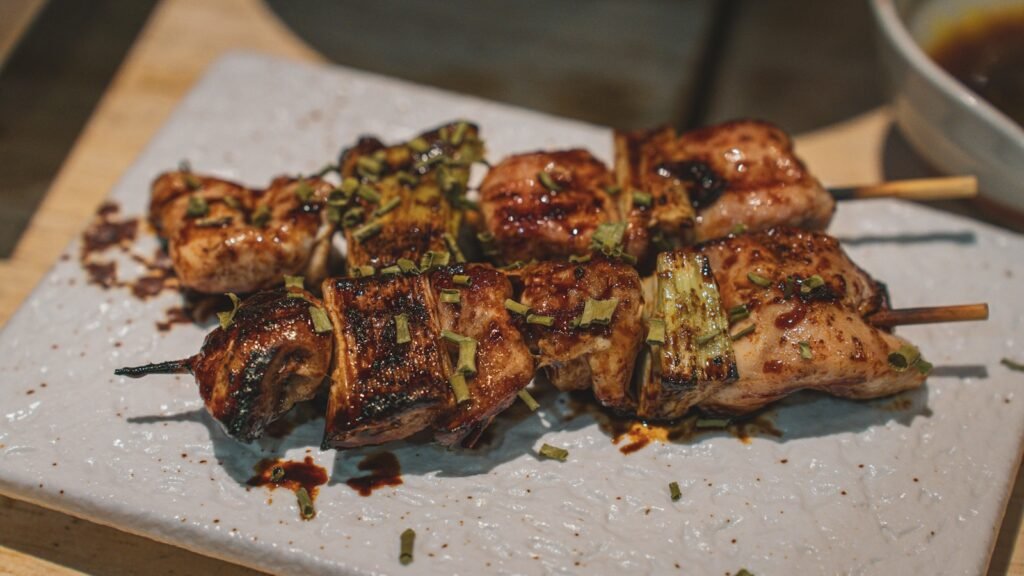
This dish encompasses various types of skewers, which are primarily made from chicken meat and can feature different parts of the bird, including thighs, breasts, wings, and even offal. Traditional yakitori might be seasoned merely with salt (shio) or brushed with a savory-sweet sauce known as tare, which is made from soy sauce, mirin, and sake, lending the dish its distinctive taste. Furthermore, the cooking method is essential; expertly grilled over charcoal (binchotan) imparts a unique smokiness and flavor, elevating the experience of enjoying yakitori.
The cultural significance of yakitori extends beyond its origin. Commonly enjoyed with beer or sake, it acts as a social food, often shared among friends and family during gatherings. This characteristic has played a crucial role in its rise in popularity, not only within Japan but across the globe, appealing to those who crave a cozy and communal dining experience.
With its increasing presence in international culinary scenes, yakitori has captured the attention of food enthusiasts everywhere. The interactive nature of cooking skewers at home encourages beginners to experiment with various ingredients and flavors. As you venture into the world of yakitori, you will discover a dish that is not only deeply rooted in tradition but also offers endless possibilities for creativity and enjoyment.
Essential Ingredients and Equipment
To master the art of yakitori, it is crucial to familiarize oneself with the essential ingredients and equipment that create this iconic Japanese dish. Yakitori primarily revolves around chicken, and the choice of chicken cuts greatly influences the flavor and texture of the final product. The most common cuts used for yakitori include thigh, breast, skin, and even organ meats such as liver and heart. In particular, chicken thigh is often favored for its tenderness and rich flavor, making it a staple in yakitori preparation.
Apart from the cuts of chicken, marinades also play a pivotal role in enhancing the taste of yakitori. Typically, a marinade called tare is utilized, which is a mixture of soy sauce, sake, mirin, and sugar. This marinade can be brushed onto the skewers during cooking to build layers of flavor. Alternatively, some prefer a simple seasoning of salt, allowing the natural flavors of the chicken to shine without overpowering them.
In addition to ingredients, the right cooking equipment is essential for achieving optimal results. For beginners, investing in quality skewers, either bamboo or metal, is recommended to hold the chicken pieces firmly during the cooking process. If using bamboo skewers, soaking them in water prior to usage can prevent them from burning. Furthermore, a charcoal grill or a broiler can be employed for cooking yakitori; however, a grill is preferred among traditionalists for the imparted smoky flavor. For those without access to an outdoor grill, an indoor electric grill can serve as a versatile alternative.
By selecting the right ingredients and utilizing the appropriate cooking tools, budding chefs can ensure a successful yakitori experience, paving the way for delicious homemade skewers.
Marinades, Seasonings, and Skewering Techniques
Mastering the art of yakitori begins with understanding the importance of marinades and seasonings. Two primary types of flavoring provide the foundation for this Japanese delicacy: tare and salt. Tare is a sweet soy-based sauce that frequently features ingredients such as mirin and sake, making it rich and complex in flavor. It serves not only as a marinade but also as a brushing sauce applied during the grilling process. On the other hand, a simple sprinkling of salt—often coarse sea salt—can enhance the natural taste of the chicken or vegetables without overpowering them, allowing the innate flavors to shine through.
To create a well-balanced yakitori, it is essential to experiment with various marinades. One might add ingredients like ginger, garlic, or scallions to tare for a more personalized touch. Alternatively, marinating the chicken overnight can lead to a deeper infusion of flavors, resulting in a succulent finished product. The choice between tare and salt can also be influenced by the type of meat used in the skewers—more robust cuts may benefit from tare, while lighter options may pair better with salt.
Equally crucial to flavoring is the technique of skewering. The effectiveness of the cooking method is directly proportional to how well the ingredients are skewered. For optimal grilling, use bamboo skewers, soaking them in water beforehand to prevent burning. Arrange the chicken and vegetables in a way that allows even cooking; for instance, when skewering chicken, it is advisable to use a fold-and-thread method that maintains structural integrity. It is also essential not to overcrowd the skewers, as this can lead to uneven cooking and underwhelming taste.
Cooking Techniques and Serving Suggestions
When it comes to preparing yakitori, the primary cooking technique involves grilling skewered meat over charcoal, a method that imparts a distinct smoky flavor. This traditional method is often preferred due to the high heat achieved by the charcoal, which enables the outer layer of the chicken to become charred while sealing in the juices within. To achieve the ideal char and texture, it is vital to use the right type of charcoal, such as binchotan, which burns at a high temperature and produces even heat distribution.
Another viable cooking method is broiling, especially for those who may not have access to a grill. Using an oven’s broiler allows one to replicate the intense heat necessary for proper cooking. Set the grill element to high and place the skewers on a broiler pan to facilitate even cooking. It is advisable to keep a close watch to prevent excessive charring of the meat.
Regardless of the cooking method employed, achieving the perfect yakitori involves constant basting with tare sauce, a sweet soy-based glaze, which not only enhances flavor but also aids in caramelization. The ideal yakitori should be well-cooked, with a slightly crispy exterior and tender, succulent meat within.
When it comes to serving suggestions, yakitori can be paired with a variety of side dishes to enhance the dining experience. Classic accompaniments include a refreshing salad with sesame dressing, a bowl of steamed rice, or yakimeshi, which is a flavorful fried rice dish. Additionally, consider serving yakitori with dipping sauces like tare or shio, which complement the grilled flavors beautifully. For those looking to expand their culinary repertoire, pairing yakitori with sipped beverages like sake or beer can elevate the meal.