
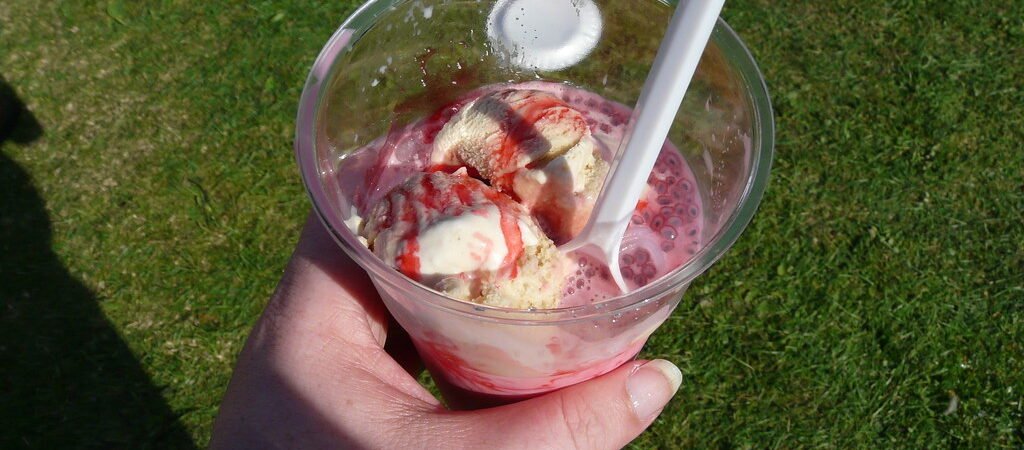
Introduction to Falooda: A Refreshing Delight
Falooda is a delightful dessert beverage that is enjoyed across many South Asian countries, particularly in India and Pakistan. This unique concoction artfully blends various flavors and textures, making it a popular choice to indulge in, especially during the sweltering summer months. The origins of falooda can be traced back to the Mughal Empire, where it was initially known as ‘faluda’ and was commonly consumed as a delicious treat during festive occasions.
What sets falooda apart from other cold drinks is its intricate layering of ingredients. Traditionally, it features a combination of rose syrup, vermicelli noodles, basil seeds (sabja), and milk, which is often flavored or sweetened. This colorful drink is not only visually appealing but also refreshingly cool, providing a perfect balance of sweetness against the creamy texture of the milk. Its versatility has led to numerous variations, with ingredients such as ice cream, fresh fruits, and flavored jellies being incorporated to enhance the flavor profile even further.
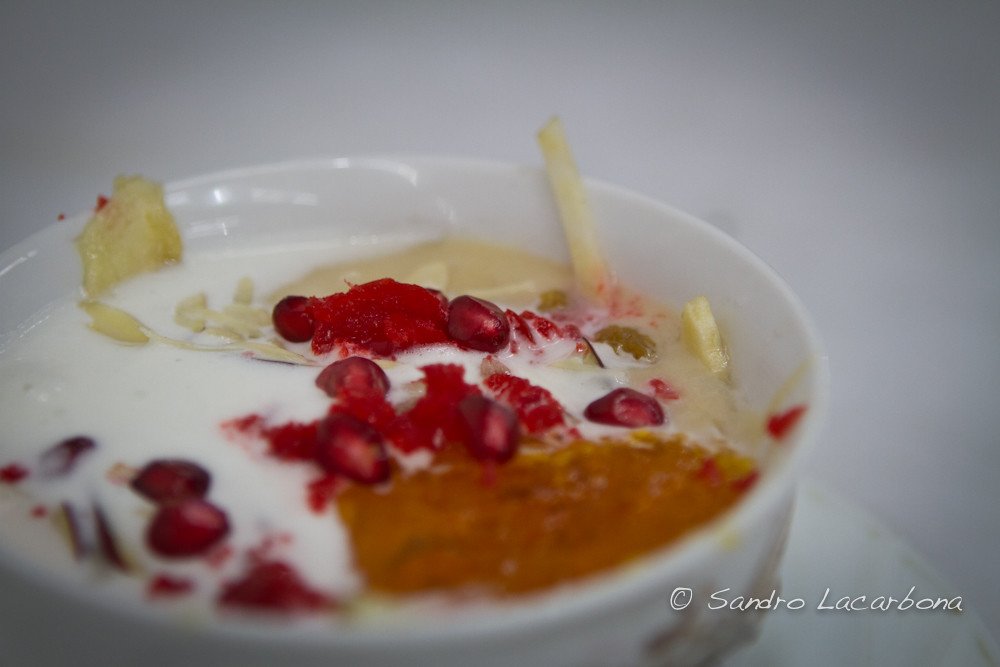
In South Asian cuisines, falooda is cherished not just as a beverage but as a delightful proof of culinary artistry. Different regions have their own unique adaptations, such as the use of kulfi in place of standard ice cream or the introduction of various syrups for an extra flavor kick. With its delightful textures and refreshing nature, falooda remains a desired treat, allowing one to indulge in the extravagance of flavors that are synonymous with South Asian culture.
Ingredients Required for Homemade Falooda
To prepare a delightful homemade Falooda, it is essential to gather a selection of key ingredients that not only contribute to its unique flavor but also provide a delightful texture. Here is a comprehensive list of the ingredients required for making Falooda, along with tips on selecting quality items.
1. Basil Seeds: Also known as tukmaria seeds, these play a crucial role in adding a distinctive texture to Falooda. They are small, black seeds that swell up when soaked in water. When purchasing basil seeds, look for whole, intact seeds for a better outcome. If basil seeds are hard to find, you can also substitute them with chia seeds.
2. Vermicelli: The traditional choice is thin rice vermicelli, which should be cooked al dente to maintain a pleasant bite. Typical measurements for a serving would be about 30 grams per person. You might also find alternatives in the form of arrowroot or corn vermicelli for gluten-free options.
3. Rose Syrup: This syrup is the primary flavoring component in Falooda, giving it a sweet and aromatic essence. When buying rose syrup, choose natural products that do not contain artificial flavors or colors. For a different flavor profile, consider using kewra syrup or even flavored fruit syrups as a substitute.
4. Milk: Whole milk is preferred for a rich taste, but alternatives like almond or coconut milk can be used for a lighter version or for dairy-free diets.
5. Toppings: To enhance the visual appeal and texture, various toppings are optional, such as chopped nuts (pistachios, almonds), mixed fruits (mango or strawberries), and a scoop of ice cream. Selection of these toppings can cater to personal preferences.
When assembling these ingredients, always focus on freshness and quality. This ensures that the Falooda not only tastes great but also presents beautifully, making it an attractive dessert option.
Step-by-Step Instructions for Preparing Falooda
Preparing Falooda, a traditional dessert drink, involves several components that come together to create a refreshing and visually appealing treat. This guide will take you through each step, ensuring a delightful experience at home.
First, you need the essential ingredients: basil seeds, vermicelli noodles, milk, sugar, rose syrup, and ice cream. Begin by soaking two tablespoons of basil seeds in water for about 30 minutes. This allows the seeds to swell and develop their characteristic gelatinous texture. After soaking, drain the seeds and set them aside.
Next, cook the vermicelli noodles according to the package instructions. Typically, this involves boiling them in water for around 5-7 minutes until they become soft, then draining and rinsing them under cold water to stop the cooking process. Once drained, place the vermicelli in a bowl and set aside.
Now, it is time to prepare the milk base. In a saucepan, heat 2 cups of milk and add 2-3 tablespoons of sugar, adjusting to your taste preferences. Stir until the sugar dissolves completely. To enhance the flavor, incorporate a few tablespoons of rose syrup into the warm milk mixture. Allow the milk to cool to room temperature.
With all components prepared, it’s time to assemble the Falooda. In tall glasses, begin by layering the prepared vermicelli noodles, followed by a layer of soaked basil seeds. Pour the sweetened milk over the layers, filling the glass up to three-quarters full. Add a generous scoop of your favorite ice cream on top to complete the drink.
For an aesthetically pleasing presentation, consider drizzling additional rose syrup over the ice cream or sprinkling crushed nuts on top. You can also create distinct layers of colors with the rose syrup and milk, giving the Falooda an attractive appearance. Serve immediately with a spoon or a straw, and enjoy the rich flavors and textures of this delightful concoction!
Serving Suggestions and Variations of Falooda
Falooda is a delicious and visually appealing dessert that can be enjoyed in various ways, catering to different tastes and preferences. Traditionally served in tall glasses, falooda can be garnished with a variety of toppings to enhance its presentation and flavor. Common garnishes include chopped nuts such as pistachios and almonds, fresh fruits like mango or strawberries, and a drizzle of chocolate or strawberry syrup. For an added touch of color, edible flowers or mint leaves can also make for an attractive finish.
When it comes to serving falooda, creativity can be embraced. One innovative variation is to create a layered falooda parfait. By alternating layers of falooda with yogurt, fresh fruit, and granola, you can transform this classic dessert into a delightful, hearty snack that also appeals to the health-conscious eater. Furthermore, falooda can be served as a topping on ice cream or used to create a falooda milkshake, thus combining the best of both worlds.
For those with dietary preferences, numerous alternatives are available. Vegan falooda can be achieved by substituting regular milk with almond, soy, or oat milk, while using agar-agar instead of gelatin will help in maintaining a plant-based profile. Sugar-free options can be prepared using natural sweeteners like stevia or erythritol, ensuring that anyone watching their sugar intake can still indulge in this delightful treat.
Seasonal ingredients can also add a refreshing twist to falooda. Incorporating ripe mangoes during summer or festive spices like cardamom and saffron during winter can greatly enhance the flavor profile. No matter the preference, falooda remains a versatile dessert that can be adapted to suit every palate and occasion, offering endless possibilities for personalization.