

Introduction to Halloumi: What Is It and Why Grill It?
Halloumi is a semi-hard, unripened cheese that originated in Cyprus, known for its distinctive texture and flavor. Made primarily from sheep’s or goat’s milk, it possesses a unique combination of firmness and elasticity, making it a versatile addition to various dishes. One of the most notable characteristics of halloumi is its high melting point. This quality enables it to retain its shape during the cooking process, making it an exceptional candidate for grilling.
The texture of halloumi is somewhat similar to mozzarella, yet it holds more character. Its slightly squeaky nature when bitten into is appreciated by many cheese aficionados. The flavor is mild, with a slight saltiness that enhances when grilled. When exposed to high heat, halloumi develops a golden-brown crust while the interior remains soft and creamy, creating a delightful contrast that adds depth to any meal.
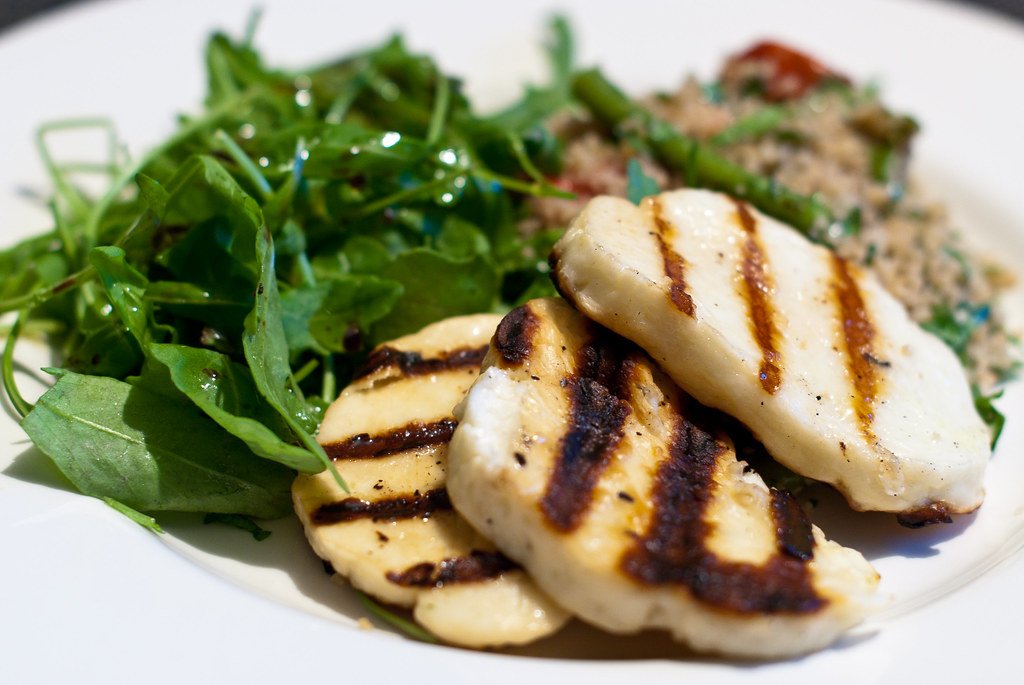
Grilling halloumi brings out its rich flavors and adds a delightful char, elevating the cheese to new culinary heights. The grilling process caramelizes the exterior, which not only enhances the cheese’s savory profile but also adds a texture that is truly satisfying. Moreover, grilling allows for creative pairings, whether with vegetables, salads, or even in sandwiches. The ability to withstand high temperatures and not melt away makes halloumi an ideal choice for outdoor grilling and gatherings, where its robust qualities can shine. This is why so many culinary enthusiasts and home chefs alike revel in using halloumi as a centerpiece in their grilling repertoire.
Choosing the Right Halloumi: Tips for Selecting Quality Cheese
When it comes to grilling halloumi, choosing the appropriate cheese is vital to achieving the best possible flavor and texture. Halloumi, a traditional Cypriot cheese, is available in both local and imported varieties. While both can be enjoyable, it is often the case that local halloumi is fresher and more suited to grilling, due to closer monitoring of production standards. However, imported halloumi can offer unique flavor profiles depending on its origin, making it worthy of consideration.
One of the key factors in selecting quality halloumi is checking its firmness. A good halloumi should have a robust, slightly squeaky texture. This firmness ensures that the cheese can withstand grilling without melting into oblivion. In addition to firmness, moisture content plays a critical role. Halloumi that is overly wet may not grill well, as it releases excess moisture during cooking, preventing the desirable crispiness. Aim for halloumi that is somewhat dry but still has a little elasticity.
Artisanal varieties of halloumi can also enhance your grilling experience. These cheeses are often handcrafted using traditional methods, which results in distinctive flavors and textures. Although they may come at a higher price point, the superior quality and unique taste they provide can greatly enhance your grilling dishes. Furthermore, freshness is crucial when selecting halloumi. Always check the expiration date and feel confident in sourcing cheese from reputable suppliers.
Last but not least, proper storage is essential to maintain the quality of your halloumi before grilling. Keep the cheese wrapped in its original packaging and refrigerate it to preserve its freshness. If not consumed quickly, consider freezing halloumi, as this can also extend its shelf life without compromising its texture significantly.
Mastering the Grilling Technique: Tips and Tricks for Perfectly Grilled Halloumi
Grilling halloumi can yield delicious results, but mastering the technique requires a few essential insights. The first consideration is the type of grill to use. A gas grill provides a consistent temperature control, making it a preferred option, while a charcoal grill can add a unique smoky flavor. Regardless of the grill type, ensuring that it is properly preheated to medium-high heat is crucial for achieving that coveted golden-brown crust on the halloumi.
Before grilling, preparation plays a key role. Cut the halloumi cheese into uniform slices, about half an inch thick. This thickness allows the cheese to hold its shape while developing a char. Some cooks prefer to marinate their halloumi in olive oil, lemon juice, and herbs for about 30 minutes prior to grilling. This not only adds flavor but also aids in preventing the cheese from sticking to the grill grates.
Timing is critical during the grilling process. Grill the halloumi for about 3 to 4 minutes on each side, turning only once. This technique allows for even cooking and prevents the cheese from becoming rubbery. To avoid overcooking, keep an eye on the cheese; it should develop a crisp exterior while remaining warm and soft inside.
Common mistakes include overcrowding the grill, which can lead to uneven cooking, and grilling on too low heat, resulting in an undesirable texture. Additionally, ensuring the grill grates are clean and well-oiled can greatly enhance the overall grilling experience. Following these strategies can guide you towards perfectly grilled halloumi, boasting a delightful crust that pairs beautifully with various accompaniments.
Delicious Halloumi Recipes: Creative Ways to Enjoy Grilled Halloumi
Grilled halloumi is a versatile ingredient that can enhance a variety of dishes. Here are three creative recipes that showcase the unique flavor profile of this delicious cheese.
1. Grilled Halloumi Skewers: Start by cutting halloumi into thick cubes. Marinate them in olive oil, garlic, and fresh herbs for at least 30 minutes. Thread the halloumi onto skewers, interspersed with cherry tomatoes, bell peppers, and zucchini for added color and taste. Preheat your grill to medium-high heat and place the skewers on it for about 3-4 minutes on each side, or until the cheese is golden brown and slightly crispy. Serve these skewers warm with a drizzle of balsamic glaze for a delightful side dish or appetizer.
2. Halloumi Salad with Fresh Vegetables: For a refreshing salad, start with a base of mixed greens, such as arugula or spinach, topped with sliced cucumbers, cherry tomatoes, and red onions. Grill slices of halloumi until golden on both sides, then allow them to cool slightly. Add the warm halloumi to the salad, along with a handful of olives and toasted nuts (such as walnuts or almonds) for crunch. Dress with a light lemon vinaigrette. This dish can be customized by incorporating seasonal vegetables or adding grains like quinoa to create a more filling meal.
3. Halloumi Burgers: For a unique take on the classic burger, try using grilled halloumi as the centerpiece. Slice the halloumi into thick patties, seasoning them with your choice of spices. Grill until crispy. Serve on a toasted bun with fresh lettuce, tomato, and a dollop of tzatziki sauce or hummus. This vegetarian option is not only flavorful but can also be tailored for gluten-free diets by using lettuce wraps instead of buns. Pair these burgers with a side of sweet potato fries for a satisfying meal.
These recipes illustrate how grilled halloumi can be integrated into various dishes. Whether served as skewers, in salads, or as burgers, halloumi brings a rich flavor and a delightful texture that will impress your guests and cater to diverse dietary preferences.