

- Introduction to Clam Chowder
- Cultural Stories Behind Clam Chowder
- Exploring Unique Flavors of Clam Chowder
- Textures of Clam Chowder: Creamy vs. Chunky
- Visual Appeal: The Appearance of Clam Chowder Dishes
- Plating Techniques for Clam Chowder
- Similar Dishes: Comparing Clam Chowder to Other Soups
- Cultural Variations of Clam Chowder Around the World
- Conclusion: The Enduring Legacy of Clam Chowder
Introduction to Clam Chowder
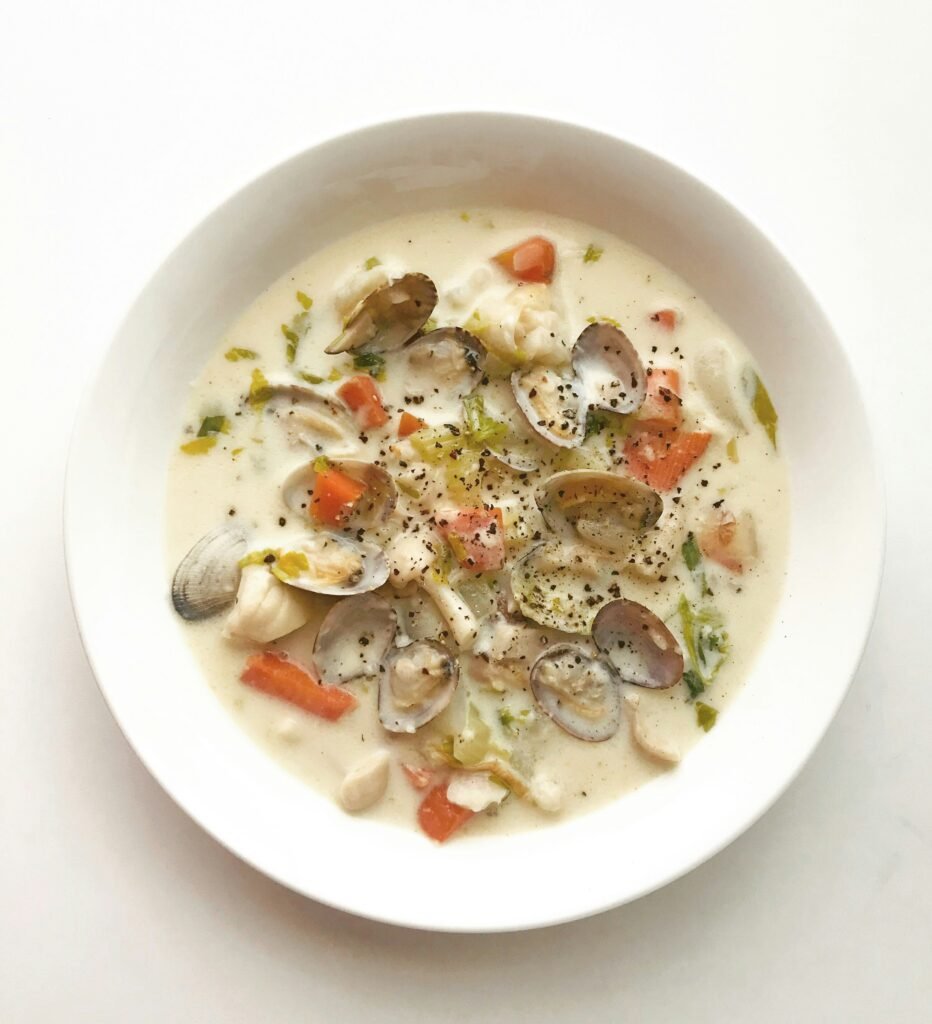
Clam chowder is much more than a mere soup; it embodies the rich culinary heritage of coastal regions, particularly in New England, where it first gained prominence. The origins of clam chowder can be traced back to the early European settlers who were inspired by the native populations’ affinity for clams. Over time, this dish has evolved, leading to the creation of various regional varieties, each reflecting local traditions and tastes.
The two most recognized types of clam chowder are New England clam chowder and Manhattan clam chowder. New England clam chowder is characterized by its creamy texture, which is achieved through the incorporation of milk or cream, alongside potatoes, onions, and of course, clams. Its rich and hearty nature has made it a staple in many coastal communities, serving as comfort food for fishermen and families alike. In contrast, Manhattan clam chowder opts for a tomato-based broth, which offers a vibrant color and a slightly tangy flavor profile. This variation signifies a departure from tradition, showcasing how different cultural influences can reshape classic dishes.
Clam chowder holds significant cultural importance in many maritime towns, often celebrated in festivals and local events, reflecting the community’s connection to the sea. It serves as a culinary bridge, bringing together diverse cultures and heritage through the shared enjoyment of seafood. Clam chowder not only represents the bounty of the ocean but also tells stories of the people who depend on it for their livelihoods. The variation in recipes and methods of preparation across different regions offers a fascinating lens through which to explore the broader narrative of coastal life, survival, and adaptation.
As we delve deeper into the unique flavors and cultural anecdotes surrounding clam chowder, it becomes clear that this dish is a testament to the enduring relationship between people and the sea, representing both sustenance and tradition.
Cultural Stories Behind Clam Chowder
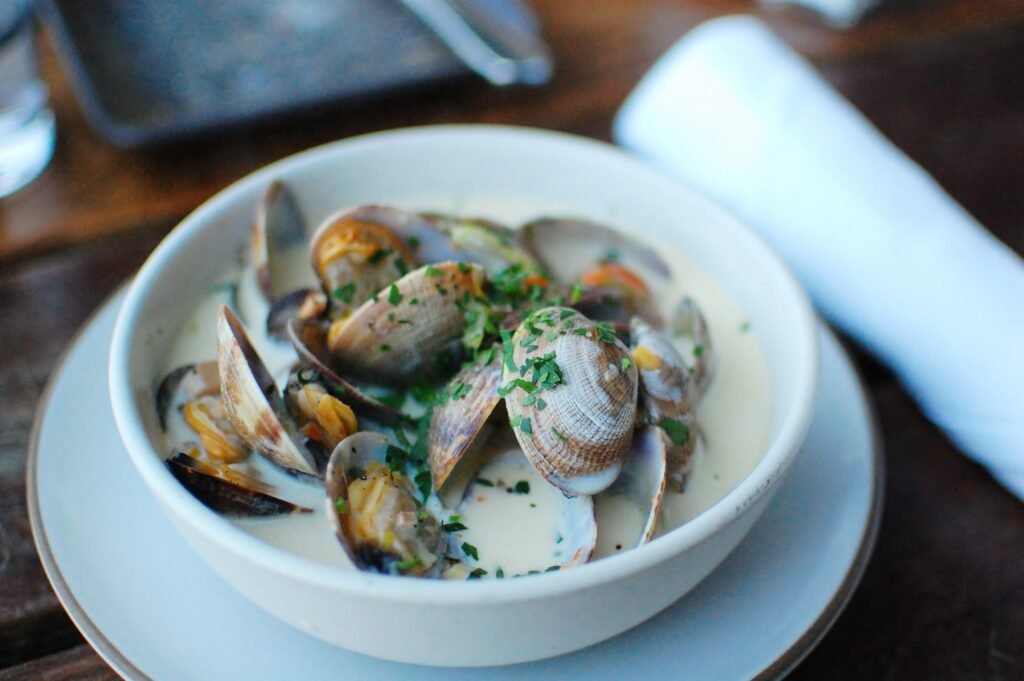
Clam chowder, a dish brimming with history and cultural significance, traces its roots back to the coastal regions of North America, particularly New England. Its development is often attributed to the arrival of European settlers in the 1600s, who sought to recreate the hearty soups and stews of their homeland. The indigenous peoples, such as the Narragansett tribe, contributed to this culinary evolution by introducing clams to the settlers, sparking the first recipes of what is now a beloved staple.
The signature recipe of New England clam chowder extends beyond simple ingredients; it embodies a communal spirit. Particularly in seaside towns, clam chowder became a dish prepared during gatherings, family meals, and local festivals. In these communities, the clam chowder pot often served as a centerpiece, inviting neighbors to share stories and experiences over a warm bowl, symbolizing camaraderie and hospitality.
Anecdotes and local legends further enrich the narrative surrounding clam chowder. One popular tale recounts how early fishermen would prepare the dish on the beach, using freshly caught clams, salt pork, and whatever vegetables were available. This practice not only exemplified resourcefulness but also became a ritual shared among crews, bonding them through the act of cooking and fellowship.
Clam chowder’s role as comfort food cannot be overstated. For many, it evokes cherished memories of family gatherings, chilly winter evenings, or trips to the coast. As such, each bowl tells a story, woven from generations of shared recipes and flavors. Furthermore, the dish varies significantly across regions, with different cities boasting unique versions, such as Manhattan clam chowder, which incorporates tomatoes, demonstrating how cultural adaptations ensure its continual evolution.
Thus, the significance of clam chowder extends beyond sustenance; it is a reflection of cultural identity, community bonds, and shared history, making it a cherished dish in culinary traditions across America.
Exploring Unique Flavors of Clam Chowder
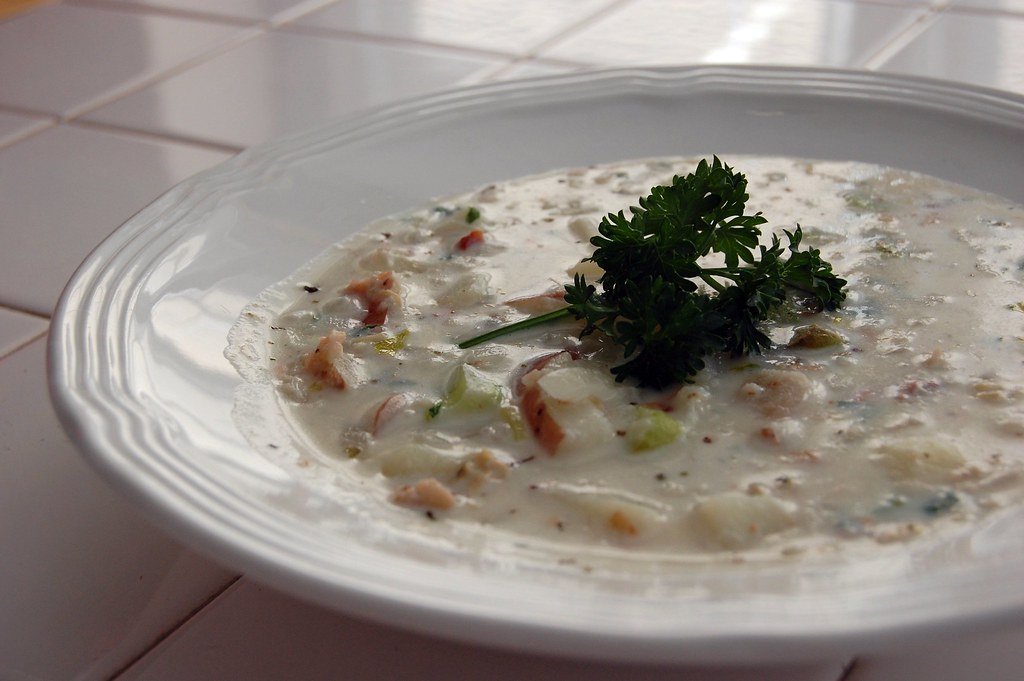
Clam chowder, a beloved dish with deep cultural roots, is celebrated for its unique blend of flavors that create a harmonious balance of creamy, savory, and briny notes. At its core, clam chowder typically blends tender clams, potatoes, and various seasonings, all enveloped in a rich base that can range from creamy to more broth-like textures. These elements come together to create a distinctive taste that varies markedly across regions, showcasing local influences and ingredient availability.
In New England, the most famous version is the creamy clam chowder, characterized by a rich combination of milk or cream, butter, and salt pork. This version embodies comfort and warmth, with a smooth, velvety texture that allows the clams’ natural sweetness to shine. Complementary ingredients such as onions, celery, and thyme enhance its overall flavor profile. The seasoning is typically rather subtle, allowing the clam’s taste to dominate.
On the other hand, Manhattan clam chowder offers a different experience altogether. It replaces the creamy base with a tomato broth, which introduces a vibrant, tangy sharpness to the dish. This regional variation often includes additional vegetables like carrots and bell peppers, providing a contrasting sweetness that balances the tomatoes’ acidity. The combination of flavors results in a chowder that is lighter yet still rich in umami, showcasing the versatility of clams in cooking.
Regional variations do not stop at these two chowder styles; they extend to countless interpretations that incorporate distinct spices and local ingredients. Some recipes may integrate smoked bacon or various herbs, fostering a distinct taste that celebrates local culinary traditions. Each adaptation is a representation of its region, inviting diners to enjoy clam chowder as not only a meal but a narrative of cultural heritage and regional pride.
Textures of Clam Chowder: Creamy vs. Chunky
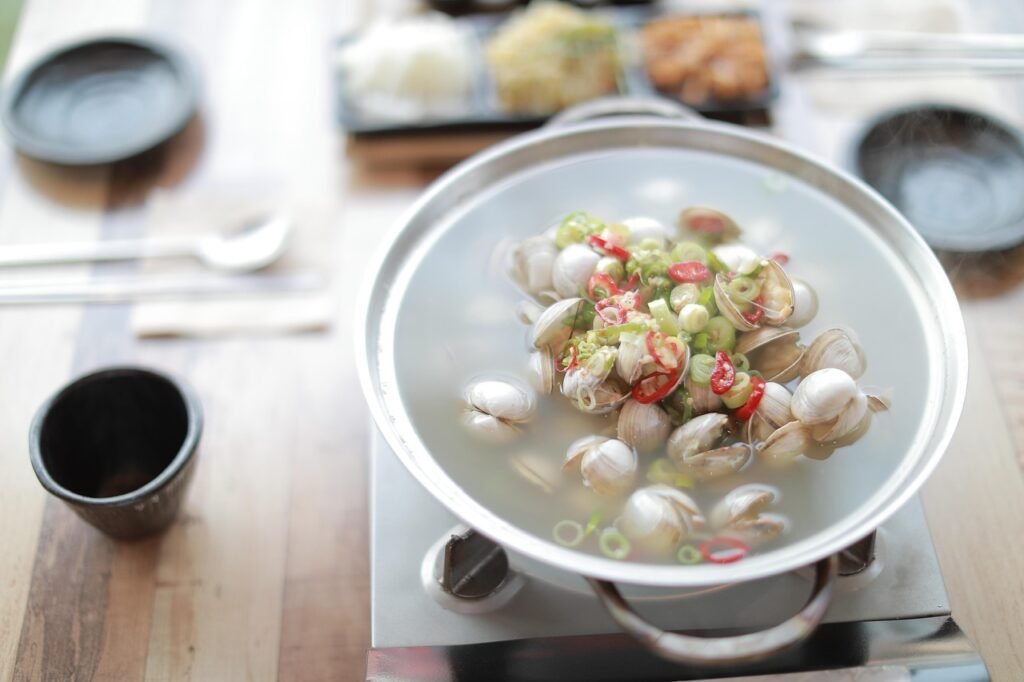
When discussing clam chowder, one cannot overlook the significance of texture, which plays a crucial role in shaping the overall dining experience. The two dominant styles, creamy and chunky, offer distinctly different mouthfeel characteristics that cater to diverse preferences and tastes. Creamy clam chowder, often associated with a velvety consistency, is created by blending clams, potatoes, and a rich base of milk or cream. This style provides a smooth, luxurious texture that envelops the palate, allowing each bite to deliver a comforting and indulgent sensation. The cream acts as a binder, marrying the flavors of the clams with the subtle sweetness of the potatoes, thereby enhancing the chowder’s profile and creating a delightful harmony in each spoonful.
In contrast, chunky clam chowder is characterized by its heartier texture. This variety emphasizes the larger, visible pieces of clams and potatoes, which contribute significantly to the overall mouthfeel. The contrast between the firm textures of the ingredients and the broth creates a more robust eating experience. Each spoonful is filled with morsels that provide not only flavor but also a satisfying bite that many chowder enthusiasts appreciate. The chunky version often highlights the freshness of clams by preserving their shape and texture, allowing diners to fully experience the briny essence of the ocean. Additionally, the inclusion of vegetables and herbs in a chunky clam chowder can further add layers of texture, presenting a more rustic approach to this traditional dish.
Ultimately, whether one favors the creamy or chunky variant of clam chowder may boil down to personal taste preferences. Each texture presents a different narrative to the classic dish, emphasizing the artistry of clam chowder preparation and its deep-seated cultural significance.
Visual Appeal: The Appearance of Clam Chowder Dishes
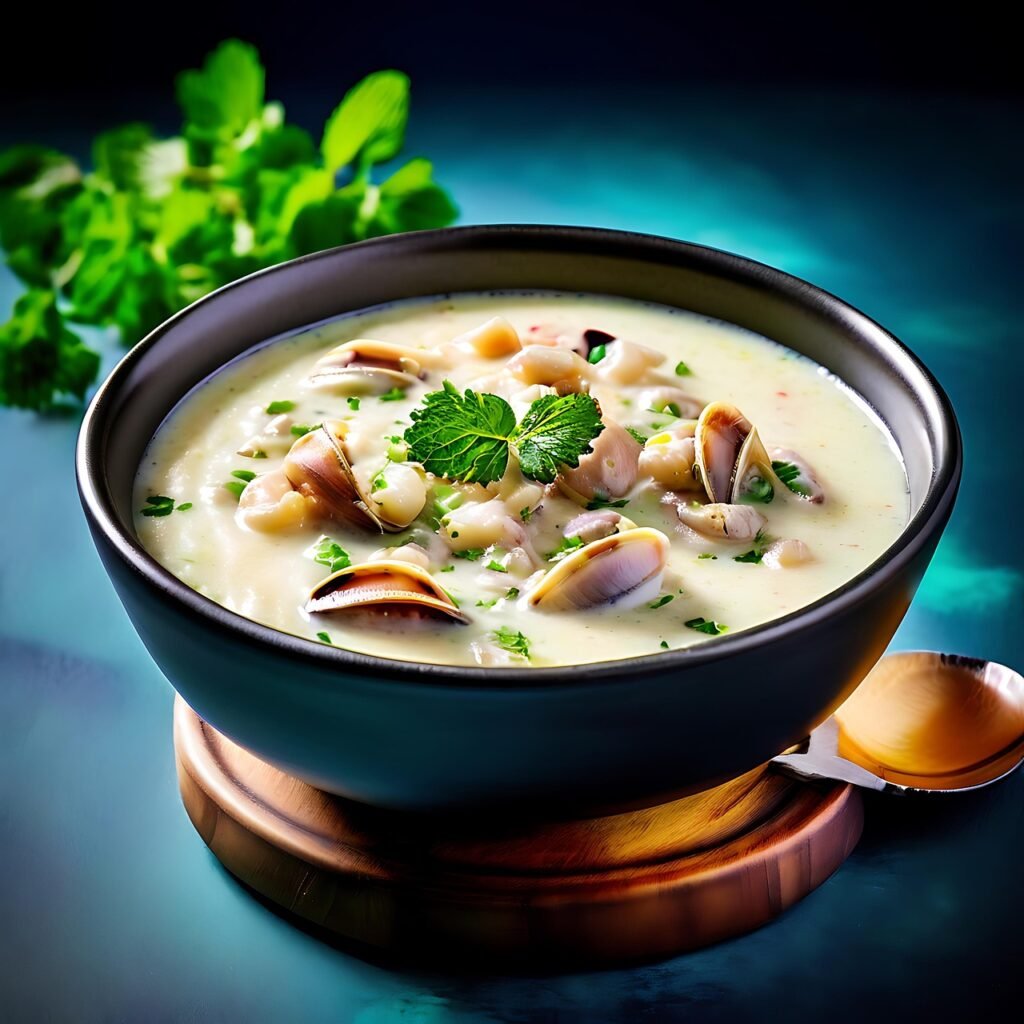
The visual appeal of clam chowder is a significant aspect of its overall experience, playing a vital role in how diners perceive and enjoy this classic dish. The first thing that captivates attention is the color of the chowder itself. Traditional New England clam chowder is renowned for its creamy, off-white hue, which suggests richness and comfort. In contrast, Manhattan clam chowder presents a vibrant red-orange color, indicative of the tomato base and the inclusion of various vegetables. The interplay of these colors not only provokes an appetite but also showcases the regional diversity inherent in clam chowder recipes.
In addition to the base color, garnishing plays an essential role in enhancing the visual aesthetics of clam chowder. A sprinkle of fresh parsley or chives provides a burst of green, complementing the creamy background beautifully. Clams, when artfully arranged atop the chowder, lend an inviting and appealing texture, hinting at the delightful flavors within. Furthermore, the strategic addition of crispy bacon or croutons can introduce a textural contrast, as well as an appealing crunch that encourages diners to delve in.
The presentation style is equally important in showcasing clam chowder as more than just comfort food; it elevates it to a work of art. Serving the chowder in unique bowls—such as rustic bread bowls, which not only add character but also enhance the experience by offering a mode of consumption. The combination of visual elements culminates in a dish that is not only flavorful but also inviting, making clam chowder a feast for the eyes as much as for the palate.
Overall, the aesthetic consideration surrounding clam chowder is a testament to its culinary significance, beautifully demonstrating how a dish can be made appealing through careful attention to color, garnish, and presentation technique.
Plating Techniques for Clam Chowder
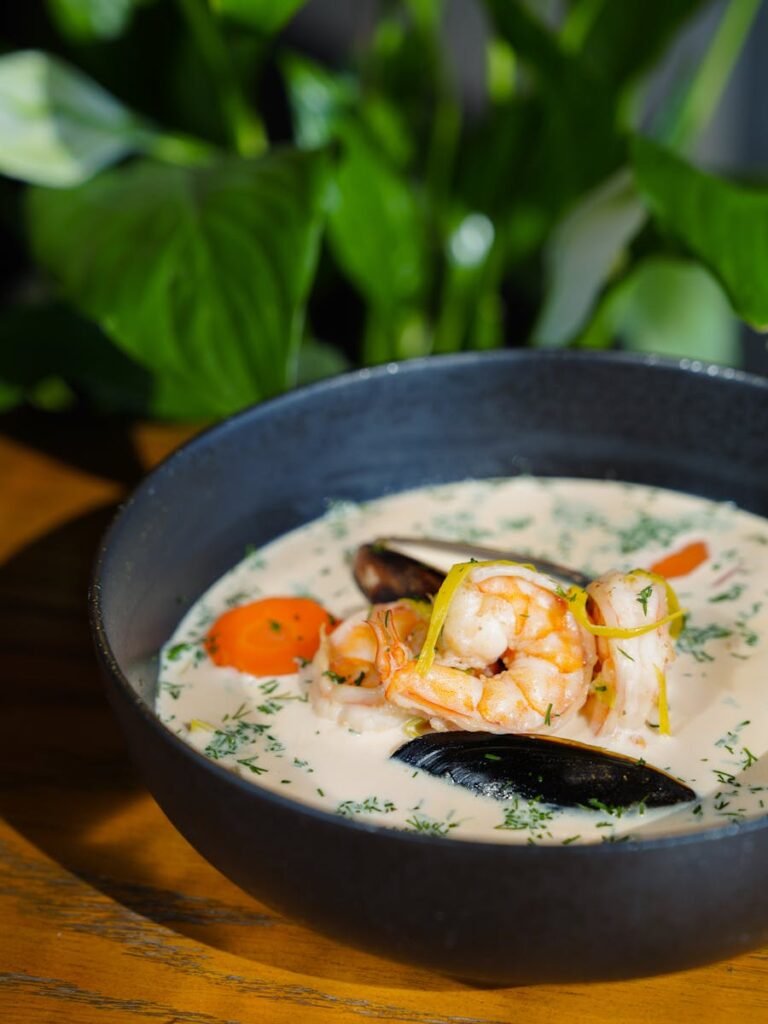
Plating clam chowder is an art that can significantly enhance the dining experience, whether in a restaurant setting or at home. Effectively presenting this classic dish is essential to showcasing its rich flavors and inviting texture. One popular plating technique involves serving clam chowder in a bread bowl, which not only adds a rustic charm but also provides an edible vessel that complements the dish’s taste. The combination of warm, soft bread with the creamy chowder creates a delightful synergy that is both visually appealing and savory.
Garnishing takes clam chowder presentation to another level. Fresh herbs, such as chives or parsley, can be finely chopped and sprinkled atop the chowder, offering a burst of color and a hint of freshness. A drizzle of high-quality olive oil or a swirl of cream can further elevate the visual aesthetic, creating an enticing and sophisticated look. Additionally, adding a few pieces of crispy bacon or fried clams as toppings not only enhances the texture but also adds an appealing contrast to the creamy base.
Including complementary side dishes can enrich the overall presentation and flavor profile of clam chowder. Consider pairing the chowder with a light, crisp salad or a plate of artisanal crackers. These elements not only add diversity to the meal but also serve as great accompaniments to the richness of the chowder. When assembling the dish, it is vital to consider color contrast, texture variation, and portion sizes to achieve a harmonious plate that captures the eye and palate of the diner.
In summary, the presentation of clam chowder through innovative plating techniques, thoughtful garnishing, and complementary sides can significantly enhance the dish’s appeal. By emphasizing these careful considerations, one can celebrate the rich tradition of this culinary favorite, ensuring it leaves a lasting impression on all who experience it.
Similar Dishes: Comparing Clam Chowder to Other Soups
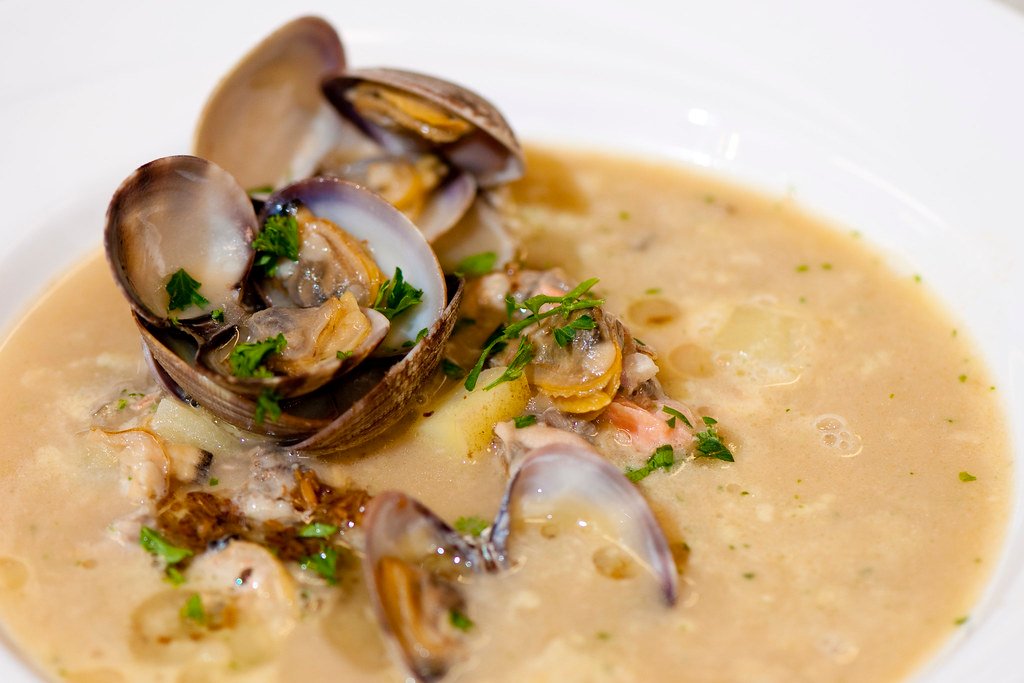
Clam chowder is celebrated for its creamy texture and robust seafood flavor, but it is part of a broader family of soups and stews that also aim to deliver rich and satisfying experiences. Among these, bisques stand out with their elegant and smooth characteristics, often made from pureed seafood or meat. Commonly featuring lobster or crab, bisques share a certain luxuriousness akin to clam chowder. However, they typically lack the chunky ingredients—like clams and potatoes—that give clam chowder its distinctive heartiness.
Another comparable dish is the seafood stew, which varies widely in preparation and tradition but generally emphasizes fresh ocean flavors. For instance, the bouillabaisse from France, with its mix of fish and shellfish served in a broth seasoned with herbs and spices, exhibits a bold taste profile. While it shares the oceanic essence found in clam chowder, the absence of cream in most seafood stews results in a thinner consistency. This difference in texture can greatly influence the overall dining experience, making clam chowder particularly comforting and satisfying during colder months.
Furthermore, regional specialties, such as New England fish chowder or Rhode Island clam chowder, underscore local adaptations of the clam-based soup. The New England version is known for its creamy base, similar to traditional clam chowder, while the Rhode Island iteration opts for a tomato-based broth. Each dish illustrates variations in ingredients and preparation that highlight local culinary traditions, yet they still cannot replicate the iconic status and comforting flavor profile of classic clam chowder.
Overall, while a variety of soups may share similarities with clam chowder—from bisques to seafood stews—they each possess unique qualities that set them apart. The rich tradition of clam chowder continues to stand out, offering a consistency and flavor profile that is both nostalgic and satisfying for many.
Cultural Variations of Clam Chowder Around the World
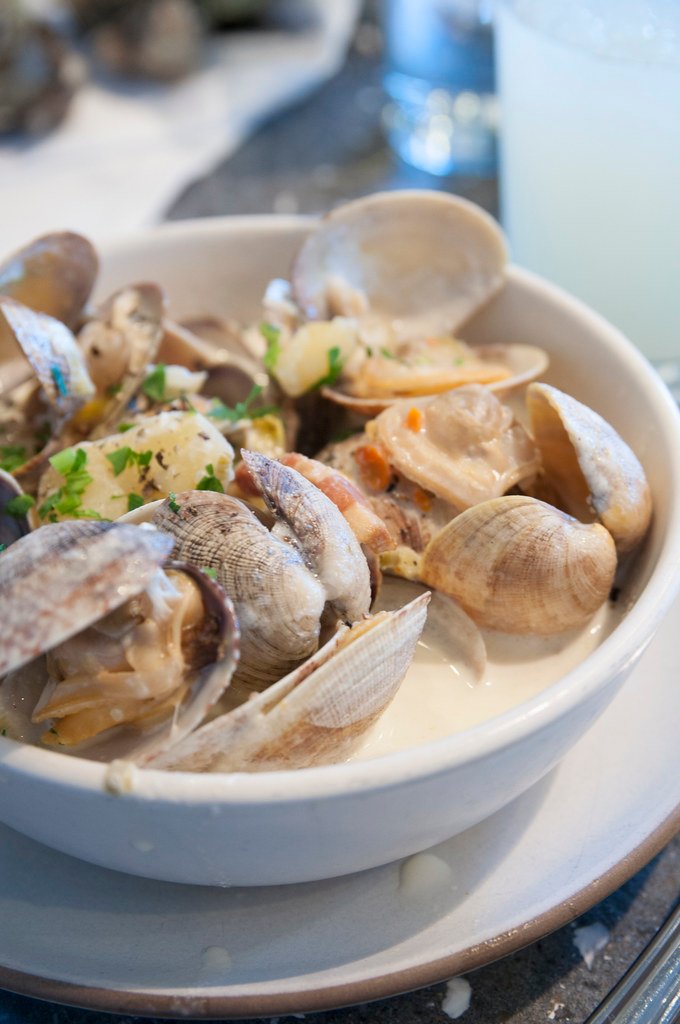
Clam chowder is a beloved dish that has nuanced interpretations across the globe, showcasing various cultural adaptations and regional ingredients. The traditional New England clam chowder, with its creamy base, is perhaps the most recognized variation in the United States. This chowder typically includes clams, potatoes, onions, and salt pork, creating a rich and hearty meal. However, as the popularity of clam chowder spread, numerous cultures began to experiment with the basic recipe, resulting in unique adaptations that reflect local tastes and available resources.
In coastal regions of the Pacific Northwest, for instance, the clam chowder often incorporates fresh herbs, like dill, to enhance the dish’s profile. The use of local shellfish, such as Manila clams, replaces the common quahog found in New England versions, leading to a distinctly different flavor. Meanwhile, Asian-inspired versions may include ingredients like coconut milk, ginger, and lemongrass, offering a vibrant twist that emphasizes fresh and exotic flavors.
Moving across the globe, countries such as France contribute their own interpretations with the classic ‘chowder de Poisson,’ which blends clams with various fish and vegetables, offering a lighter, broth-based alternative. Over in the Caribbean, clam chowder may be spiced with local hot peppers, transforming it into a fiery dish that reflects the region’s love for bold flavors. The unique combinations of ingredients, spices, and cooking methods illustrate how different cultures have embraced clam chowder, making it their own.
Additionally, chowder variations often provide insights into cultural identities and heritage. For instance, Portuguese chowder might incorporate chorizo, displaying the influence of Mediterranean cooking traditions. This global perspective on clam chowder invites culinary enthusiasts to not only enjoy the dish but also appreciate its cultural significance, illustrating how food can travel and evolve across borders while retaining its essence.
Conclusion: The Enduring Legacy of Clam Chowder

Clam chowder has established itself as more than just a dish; it represents a rich tapestry of culinary history and cultural significance that has evolved over centuries. Originating from New England, this flavorful soup has become a staple across various regions, each adding its own unique twist to the recipe. The enduring legacy of clam chowder is reflected in its ability to adapt and resonate with an ever-changing society, making it relevant across generations.
The dish’s significance lies not only in its unique flavors—ranging from the creamy textures of Manhattan to the hearty warmth of New England clam chowder—but also in the communal experiences it fosters. Families and friends often gather around bowls of this comforting soup, creating shared memories that transcend cultural divides. Clam chowder has become synonymous with warmth and togetherness, frequently featured in gatherings, festivals, and even formal events, solidifying its status as a cherished comfort food.
As modern food culture continues to grow and diversify, clam chowder remains a constant, celebrated by food enthusiasts and home cooks alike. Its versatility accommodates various dietary preferences and culinary innovations while maintaining the essence of tradition. From gourmet presentations in fine dining establishments to hearty servings at casual seafood shacks, clam chowder exemplifies how food can bring people together, regardless of setting or circumstance.
In conclusion, clam chowder’s legacy is one of shared experiences, cultural significance, and unparalleled flavor. As we continue to explore and appreciate this iconic dish, its role in culinary history and modern food culture will undoubtedly endure for many generations to come.