
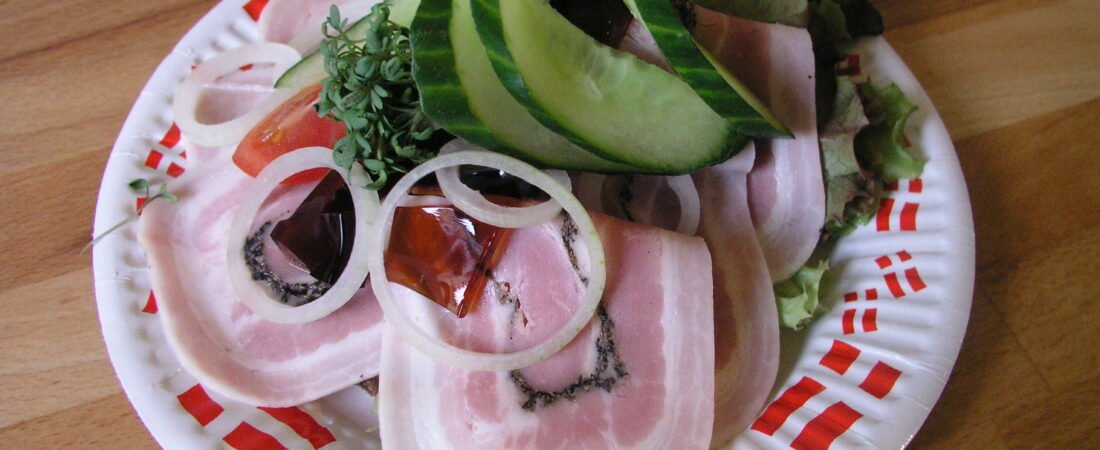
Introduction to Smørrebrød
Smørrebrød, a traditional Danish open-faced sandwich, offers a delightful glimpse into the culinary heritage of Denmark. This dish consists of a slice of buttered rye bread, typically topped with a variety of ingredients ranging from pickled herring to roast beef, creating a well-balanced meal that emphasizes both flavor and presentation. Its roots trace back to the 19th century, when it became a popular choice among Danish workers, providing a hearty meal that was both portable and nourishing.
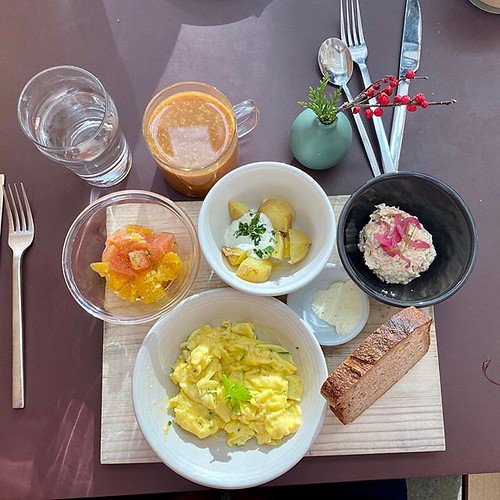
Culturally, smørrebrød occupies a prominent place in Danish society. It is more than just a meal; it represents social gatherings, family traditions, and national pride. Many Danish households delight in serving smørrebrød during festive occasions or as a casual lunchtime staple. The preparation of this dish often transforms into a communal activity, with family members gathering to assemble beautiful and intricate designs on their open-faced sandwiches.
The versatility of smørrebrød adds to its allure. Diners can enjoy an extensive array of toppings that cater to varying palates. Common toppings include spiced meats, cured fish, fresh vegetables, and aromatic herbs. Additionally, the choice of bread is paramount, with dark rye being the preferred base due to its robust flavor and texture. Alternative options like white bread or gluten-free varieties have also gained traction, appealing to a broader audience.
Not limited to Denmark, smørrebrød has garnered international acclaim, attracting food enthusiasts intrigued by its simplicity and the artful combinations of ingredients. Whether enjoyed in a Scandinavian restaurant or crafted at home, this open-faced sandwich continues to captivate diners, showcasing the rich flavors of Danish cuisine. As we delve deeper into the process of making smørrebrød, readers will discover the essential components and techniques to create this iconic dish themselves.
Essential Ingredients and Tools
To create authentic and flavorful smørrebrød, it is important to select the right ingredients and tools. The primary component of this traditional Danish open-faced sandwich is the bread. A dense rye bread, known as rugbrød, is typically used for its robust flavor and hearty texture. Alternatively, a lighter sourdough can also serve as a base depending on personal preference. The key is to choose high-quality, fresh bread that can hold the toppings without becoming soggy.
Next, the spreads play a crucial role in enhancing the flavors of the smørrebrød. Common options include a rich butter, a tangy mustard, or a creamy cheese spread. These can be applied liberally to provide a flavorful foundation for the toppings. When it comes to proteins, the options are plentiful and can vary widely. Classic choices include pickled herring, cold cuts of roast beef, or smoked salmon, each contributing a unique taste profile.
Garnishes are essential for presenting smørrebrød attractively and enhancing the overall taste. Consider adding thinly sliced radishes, fresh dill, or capers, which not only provide visual appeal but also elevate the flavor combinations. Other popular garnishes are hard-boiled eggs, onions, or even cucumber slices, allowing for endless customization.
In terms of tools, a sharp knife is indispensable for cleanly slicing the bread and toppings. A cutting board or a designated assembling plate is also essential for constructing your smørrebrød efficiently. A reliable spatula can be helpful for serving, ensuring that the layers remain intact during the transfer to a plate.
Step-by-Step Recipe for Making Smørrebrød
Smørrebrød, the traditional Danish open-faced sandwich, is not only a culinary delight but also an art form that boasts creativity and personalization. To create the perfect smørrebrød, start with selecting the right base. A dense rye bread is most commonly used because it holds up well against moist toppings. Cut slices approximately one inch thick to ensure a hearty serving. If rye bread is unavailable, whole grain bread serves as a good alternative.
Next, it’s essential to spread a thin layer of butter on the bread. Unsalted butter is generally preferred, providing a rich and creamy layer that enhances the flavor of the toppings while preventing the bread from becoming soggy. If you seek a healthier option, a layer of cream cheese can be utilized while maintaining the moistness of the base.
Once the base is prepared, it’s time to choose toppings. Popular choices include herring marinated in vinegar, cured meats like liver pâté, or various cheeses. Vegetables such as pickled cucumbers, radishes, and fresh herbs are excellent finishing touches that offer freshness and balance. Getting creative with garnishing can elevate your smørrebrød. For instance, a couple of capers or a hint of dill can add flair and flavor.
After arranging the main toppings, presentation is vital. Serve your smørrebrød on a beautiful platter, and consider adding a side of dill pickle or a small salad to accompany the dish. For an artistic touch, a drizzle of dressing or a sprinkle of spices can enhance visual appeal. This attention to detail not only makes the smørrebrød more delicious but also transforms it into a feast for the eyes.
By following these steps, even beginners can master the art of making smørrebrød, allowing for endless combinations and variations. Each assembly can reflect personal tastes, making every smørrebrød uniquely yours.
Serving Suggestions and Variations
Smørrebrød, the traditional Danish open sandwich, offers limitless opportunities for creativity. When serving this delightful dish, consider arranging a variety of toppings on a platter to cater to diverse tastes and preferences. Classic combinations often include pickled herring, roast beef, and shrimp, but experimenting with seasonal ingredients can elevate the experience. For instance, incorporating fresh spring vegetables such as asparagus or radishes can add a crisp texture, while autumn ingredients like caramelized apples or hearty root vegetables contribute warmth and richness.
For a more personalized touch, consider hosting a smørrebrød party where guests can assemble their sandwiches. Set up a DIY smørrebrød bar, complete with various types of bread, spreads, and toppings. This not only encourages creativity among guests but also makes for an interactive dining experience. Include a selection of traditional Danish side dishes, such as red cabbage salad or potato salad, to complement the smørrebrød and enhance the overall meal.
Additionally, beverages play a significant role in the Danish dining experience. Pair your smørrebrød with traditional Danish beers or aquavit, a spirit that perfectly complements the flavors of the toppings. For a lighter option, a crisp white wine or sparkling water can also be refreshing choices.
Ultimately, smørrebrød’s versatility allows both host and guests to embrace culinary creativity. Whether you stick to tradition or introduce modern twists, the beauty of this dish lies in its adaptability. From seasonal variations to personal touches, experimenting with different toppings and presentations can lead to a unique and enjoyable dining experience. Explore these suggestions as a way to make your smørrebrød memorable, ensuring that each gathering celebrates the joy of good food and the company of friends and family.