
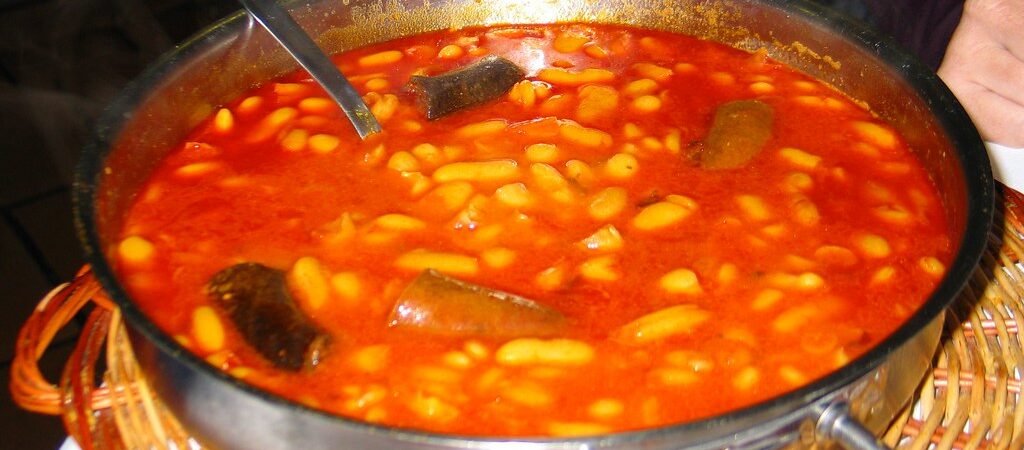
Introduction to Fabada Asturiana
Fabada Asturiana is a traditional Spanish dish that hails from the picturesque region of Asturias, located in northern Spain. This hearty stew has gained immense popularity both within Spain and internationally, celebrated for its robust flavors and comforting qualities. A staple of Asturian cuisine, fabada encapsulates the essence of home-cooked meals, often associated with family gatherings and festive occasions.
The dish is primarily composed of large white beans known as fabes, which serve as the foundation for the stew. These beans are renowned for their creamy texture and ability to absorb the rich flavors of the accompanying ingredients. In addition to the fabes, fabada Asturiana traditionally includes a variety of meats that enhance its depth and complexity. The most common meats used in this flavorful stew are chorizo, morcilla (blood sausage), and pancetta, each adding its own unique richness to the dish.
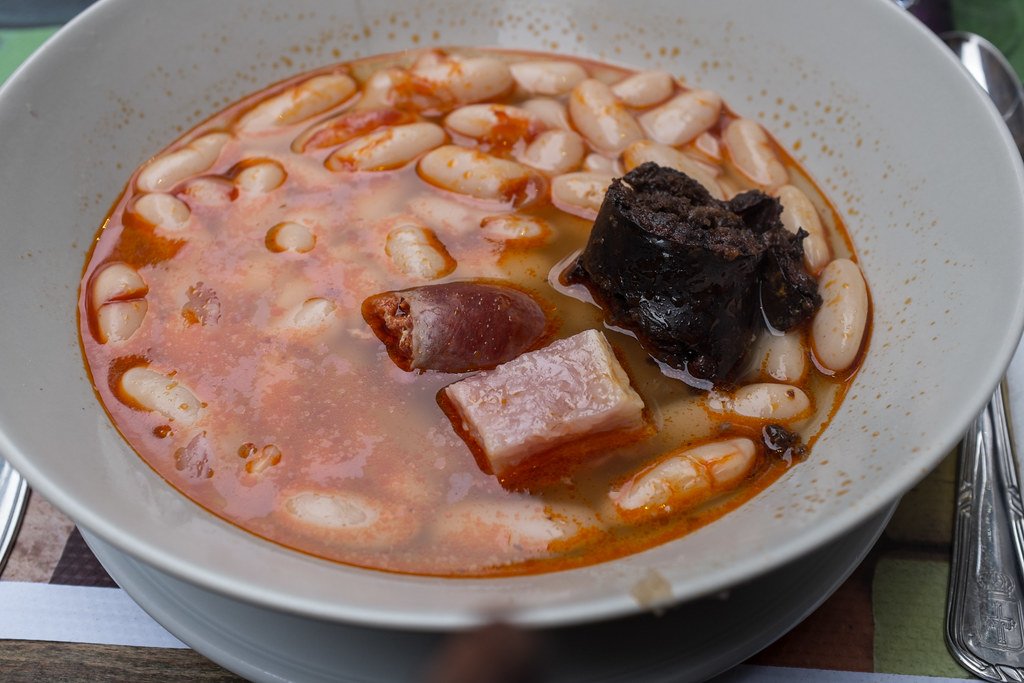
Originating as a peasant food, fabada was created to provide nourishment and sustain the laborers in the Asturias region, particularly during the cold winter months. Over the years, it has evolved into a symbol of Asturian identity, often enjoyed during special occasions and festive celebrations, showcasing the region’s culinary heritage.
Preparing fabada Asturiana at home not only presents an opportunity to indulge in a beloved dish but also allows one to connect with the cultural traditions of Spain. By utilizing locally sourced ingredients and adhering to time-honored cooking methods, you can craft an authentic fabada that brings the flavors of Asturias to your kitchen. The next sections will guide you through the step-by-step process of creating this delightful dish, ensuring an enjoyable culinary experience.
To prepare a traditional Fabada Asturiana, it is crucial to gather the essential ingredients that define this hearty dish. The main component of Fabada, of course, is the beans. Specifically, it is best to use large white beans known as “fabes” from Asturias, which contribute a creamy texture and absorb flavors beautifully.
In addition to the beans, a selection of meats enhances the dish’s rich profile. Typically, this includes Spanish chorizo, which adds a slight spiciness, and morcilla, a type of blood sausage that brings depth to the flavor. You may also include pieces of pork shoulder or bacon to infuse additional savory notes. These meats play a critical role in transforming the beans into a flavorsome and satisfying meal.
Seasoning is vital in building the dish’s character. Commonly, saffron, paprika, and garlic are used, with paprika providing a sweet smokiness that complements the beans and meats. Salt should be used judically, ensuring it enhances instead of overwhelming the natural flavors of the ingredients.
Equally important is the cooking equipment that will aid you in creating the perfect Fabada. A heavy-bottomed pot or Dutch oven is preferred, as it distributes heat evenly and prevents the beans from sticking or burning. This provides a controlled environment to achieve a tender consistency in both the beans and meats. For the best results, selecting a pot with a tight-fitting lid will allow the flavors to meld and the dish to cook evenly.
In summary, assembling quality ingredients such as fabes, chorizo, morcilla, and proper seasonings, along with possessing a sturdy cooking pot, is essential for a successful Fabada Asturiana preparation. By following these guidelines, you will be well on your way to creating a true culinary delight at home.
Step-by-Step Cooking Instructions
Preparing a traditional Fabada Asturiana requires careful attention to each step to ensure the rich flavors develop and meld together. Begin by soaking approximately 400 grams of Asturian beans (fabes) in water for at least 12 hours. This is crucial as it softens the beans and helps them cook evenly. Once soaked, drain the beans and set them aside.
Next, prepare your meat components. You will need about 200 grams each of chorizo, morcilla (blood sausage), and pancetta or bacon. Slice the chorizo and morcilla into thick rounds. In a large pot, heat a tablespoon of olive oil over medium heat and add the pancetta. Sauté until it becomes crispy, which usually takes about 5 minutes, then add the chorizo slices. Cook until they have released their flavorful oils, approximately another 5 minutes.
With the meats sautéing nicely, it’s time to incorporate the beans. Add the drained fabes to the pot, followed by enough water to cover the ingredients by about an inch. Bring this mixture to a gentle boil, then reduce the heat to low. At this point, add a bay leaf, a few saffron threads, and a pinch of salt. It’s important not to over-season at this stage, as the meats will impart additional flavors.
Cover the pot partially and let the fabada simmer for about 2 to 3 hours, stirring occasionally. Keep an eye on the water level, ensuring it does not dry out. If needed, add more water to maintain a consistent level. After the simmering time, check the beans for tenderness; they should be creamy in texture but not mushy. When ready, add the morcilla and let it simmer for an additional 30 minutes before serving.
Finally, serve the Fabada Asturiana warm, ensuring each portion has a generous helping of beans and meats. Enjoy the delightful blend of flavors that is characteristic of this iconic Asturian dish.
Serving and Pairing Suggestions
Serving Fabada Asturiana is about more than just providing a delicious dish; it’s also about elevating the dining experience through thoughtful presentation and proper accompaniments. Traditionally, Fabada Asturiana, a rich Asturian bean stew, is served hot in deep bowls to capture the aromatic essence of the dish. To enhance the experience, it is recommended to garnish the stew with a sprinkle of freshly chopped parsley or diced chorizo to add a contrasting visual element.
When it comes to side dishes, a simple crusty bread is essential for sopping up the flavorful broth. A loaf of crusty bread, such as a traditional Asturian pan de escanda, complements the stew perfectly by adding texture and tang. For people seeking to refresh their palate, a crisp green salad dressed with a mild vinaigrette can provide a buoyant contrast to the richness of the stew.
In terms of beverages, serving Fabada Asturiana is best accompanied by a good Spanish wine. An excellent pairing choice is a robust red wine from the region, such as a Tempranillo or a Mencia. These wines not only complement the flavors of the dish but also enhance the overall dining experience. Alternatively, some might prefer serving a light, chilled cider, which is a staple in Asturias and pairs beautifully with the hearty nature of the stew.
For storing leftovers, allow the Fabada Asturiana to cool entirely before transferring it to an airtight container. This stew can last up to three days in the refrigerator. It can also be frozen for future consumption, making it a practical choice for meal prep. To reheat, gently warm the stew on the stove, adding a splash of water or stock if the consistency has thickened. By taking these serving and pairing suggestions into account, one can fully appreciate the full flavor profile of Fabada Asturiana while enjoying a delightful meal experience.