
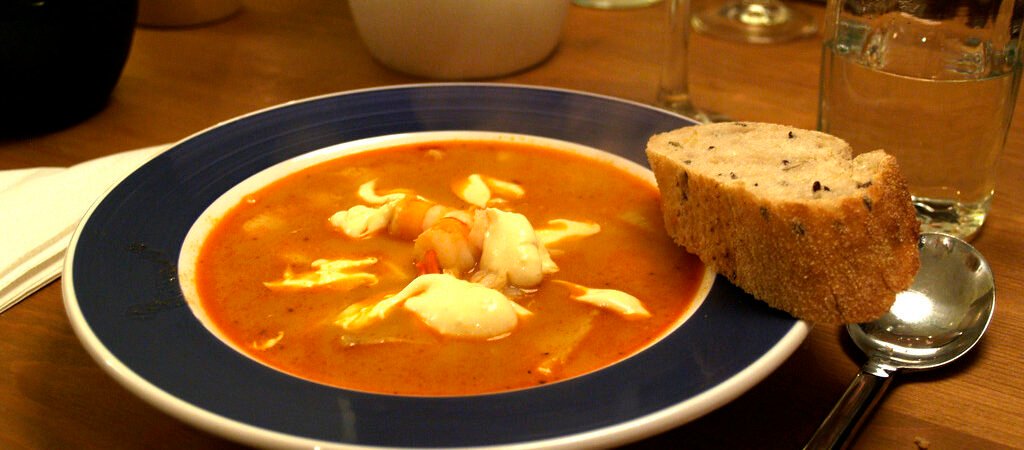
Introduction to Bouillabaisse
Bouillabaisse is a traditional French fish stew that hails from the vibrant port city of Marseille. This dish embodies the rich culinary heritage of the region, marrying fresh seafood with aromatic herbs and spices. Historically, bouillabaisse was a humble meal prepared by fishermen, utilizing the day’s catch that was less desirable for sale. Over time, it has transformed into a gourmet experience, showcasing the diversity and depth of flavors characteristic of Mediterranean cuisine.
The origins of bouillabaisse date back to ancient times, with influences from various cultures including Greek and Roman cuisines. Its name is derived from the Provençal words ‘bouil’, meaning to boil, and ‘abais’, which means to lower heat. This cooking method is central to crafting a perfect bouillabaisse – starting with a rich stock made from fish bones, herb-infused water, and tomatoes, before introducing a variety of fresh fish and shellfish.
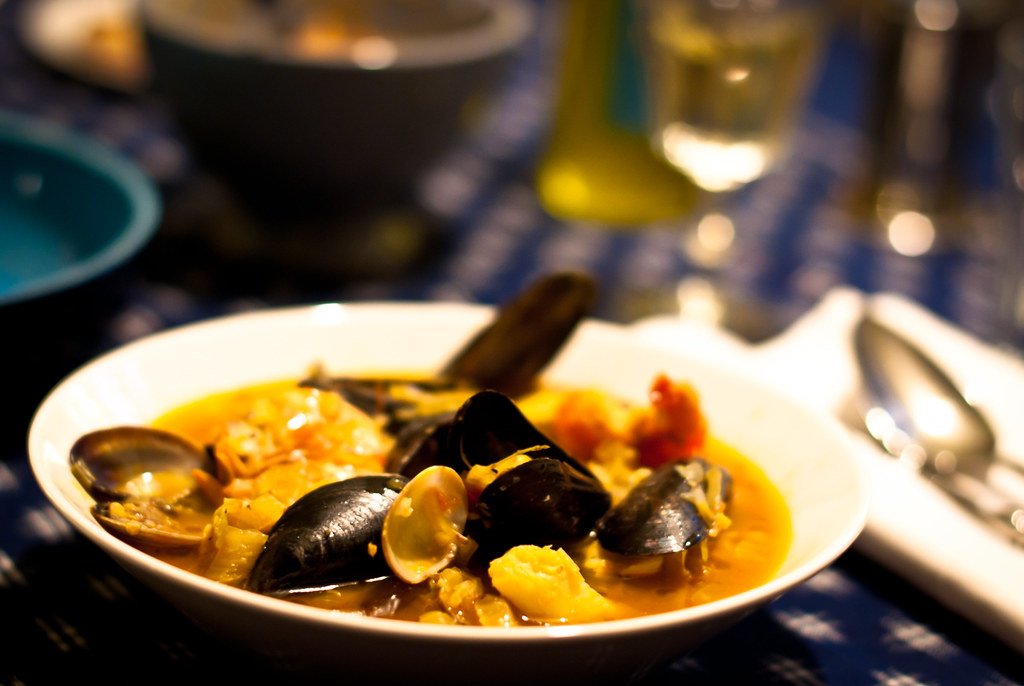
What sets bouillabaisse apart from other seafood soups is not only its distinct flavor profile but also its elegant presentation and complex preparation methods. The inclusion of various fish, such as rascasse and conger eel, combined with other maritime ingredients, contributes to a layered taste experience. Often, it is complemented by a rouille sauce, made of garlic, saffron, and chili, which enhances the overall dish’s sophistication. Bouillabaisse is also traditionally served with crusty bread, making it a filling choice for seafood enthusiasts.
Consumers today continue to celebrate bouillabaisse not just for its remarkable taste, but also for its cultural significance. It embodies the essence of Provençal life, showcasing the close relationship between the inhabitants and the sea. This beloved dish is often regarded as a testament to the artistry of French cooking, continually inspiring chefs and home cooks alike to explore its rich flavors and textures.
Essential Ingredients for Bouillabaisse
Bouillabaisse is a classic Provençal fish stew that emphasizes the importance of high-quality ingredients. The key to crafting an authentic bouillabaisse lies in selecting a variety of fresh fish and shellfish, which form the backbone of this dish. Commonly used fish varieties include white fish such as monkfish, hake, or cod, while shellfish options may include mussels, clams, and shrimp. The blend of seafood contributes to the stew’s complex flavor profile, making it essential to choose fish that are fresh and sustainably sourced.
Aromatics play a crucial role in developing the dish’s foundation. Ingredients like garlic, onions, and leeks provide depth to the broth, enhancing the overall complexity of flavors. It is recommended to sauté these aromatics in olive oil, which adds richness and a fragrant quality. The traditional use of saffron is also vital, as it imparts a beautiful golden hue and a distinct, aromatic flavor to the bouillabaisse. Other herbs such as parsley and thyme can complement the dish and elevate its aromatic layers.
In addition to seafood and herbs, pantry staples like canned tomatoes play a significant role in building the stew’s base. A good quality fish stock or broth is also necessary for achieving the right consistency and depth of flavor. The combination of tomatoes with the other ingredients not only thickens the broth but also balances the richness of the seafood. When preparing bouillabaisse, it is essential to prioritize fresh, quality materials, as they ultimately define the dish’s character and flavor. Selecting the right ingredients and knowing how to utilize them is key to creating an unforgettable bouillabaisse experience.
Step-by-Step Cooking Instructions
To begin creating a delicious bouillabaisse, first gather the essential ingredients, including fresh fish, shellfish, and aromatic vegetables. Begin by preparing the base broth, which is crucial for the rich flavor profile of the dish. In a large pot or Dutch oven, heat a few tablespoons of olive oil over medium heat. Add diced onions, leeks, or shallots, and sauté until they become translucent. Follow this with minced garlic, diced tomatoes, and a bouquet garni of herbs such as thyme, parsley, and bay leaf, allowing the flavors to meld for a few minutes.
Next, incorporate fish stock or water into the pot, followed by seasonings such as saffron, fennel seeds, salt, and pepper. Bring this mixture to a gentle simmer and allow it to cook for about 20-30 minutes. This step is vital as it develops an aromatic base that will enhance the final dish.
After the broth has simmered, strain the liquid back into the pot to eliminate any solids, ensuring a smooth consistency. Now is the time to introduce the fish and shellfish. It is recommended to use a variety of fresh seafood, including white fish, mussels, and shrimp. Add the seafood to the broth and increase the heat, allowing them to cook for an additional 5-10 minutes, or until fully cooked. Be cautious not to overcook the seafood, as this may make it tough.
To serve, ladle the bouillabaisse into bowls, ensuring each serving has a mix of seafood. Traditionally, it is accompanied by a rouille—a garlic mayonnaise served on crostini. This step not only complements the dish but also enhances the overall flavor experience.
Serving Suggestions and Variations
Bouillabaisse, the traditional French fish stew, is not only a feast for the eyes but also a delight for the palate. To enhance your bouillabaisse experience, consider serving it alongside some crusty bread, ideal for soaking up the rich broth. A classic accompaniment to this dish is the fiery rouille sauce, a garlic and saffron mayonnaise that adds both flavor and creaminess. You can prepare the rouille by blending together garlic, egg yolk, and olive oil, often with the addition of saffron for that authentic touch.
When it comes to variations, bouillabaisse is a versatile dish that can be tailored to suit seasonal ingredients or personal preferences. For instance, while the classic recipe typically includes a variety of fish such as snapper or monkfish, it can also accommodate shellfish like mussels, clams, or shrimp. This adaptability allows for creativity, making it possible to prepare bouillabaisse using whatever fresh seafood is available at the market.
Furthermore, different regions of France have their unique takes on this dish. In Marseille, the city of its origin, bouillabaisse is typically served with a side of croutons for added texture. Meanwhile, variations found in other coastal areas might incorporate local herbs and spices, reflecting the culinary traditions of that specific region. Additionally, you may choose to adjust the spiciness of the broth by adding more or less saffron, or introducing cayenne pepper for those who enjoy a bit of a kick.
Ultimately, enjoying bouillabaisse is about personalization—experimenting with side dishes, sauces, and ingredients not only augments the dining experience but also provides an avenue for exploring the rich tapestry of flavors this dish offers. Whether you prefer it as a simple yet elegant dish or a more elaborate spread, bouillabaisse remains a timeless choice that invites endless customization.