

Understanding Cornbread: Origins and Varieties
Cornbread holds a significant place in American culinary history, stemming from the rich cultural traditions of indigenous peoples who first cultivated corn thousands of years ago. Native American tribes utilized corn as a staple food source, creating various forms of bread from cornmeal, which laid the groundwork for what is now recognized as cornbread. Over time, European settlers adopted these indigenous techniques, incorporating their own ingredients and baking methods to create diverse variations of cornbread.
Regional differences emerged, influenced by local cultures and available resources. Southern cornbread, for example, is typically made with stone-ground cornmeal and is characterized by its savory flavor, often incorporating ingredients such as buttermilk or bacon fat. This version tends to have a crumbly texture and is often served as a side dish with hearty meals, complementing dishes like gumbo or chili.
In contrast, Northern cornbread is typically sweeter, frequently including sugar and a lighter flour, resulting in a more cake-like texture. This variation is commonly baked in a skillet, creating a crispy crust that many enjoy as a breakfast item or dessert. Other versions, such as those found in the Southwest, may incorporate cheese, jalapeños, or even corn kernels for added texture and flavor.
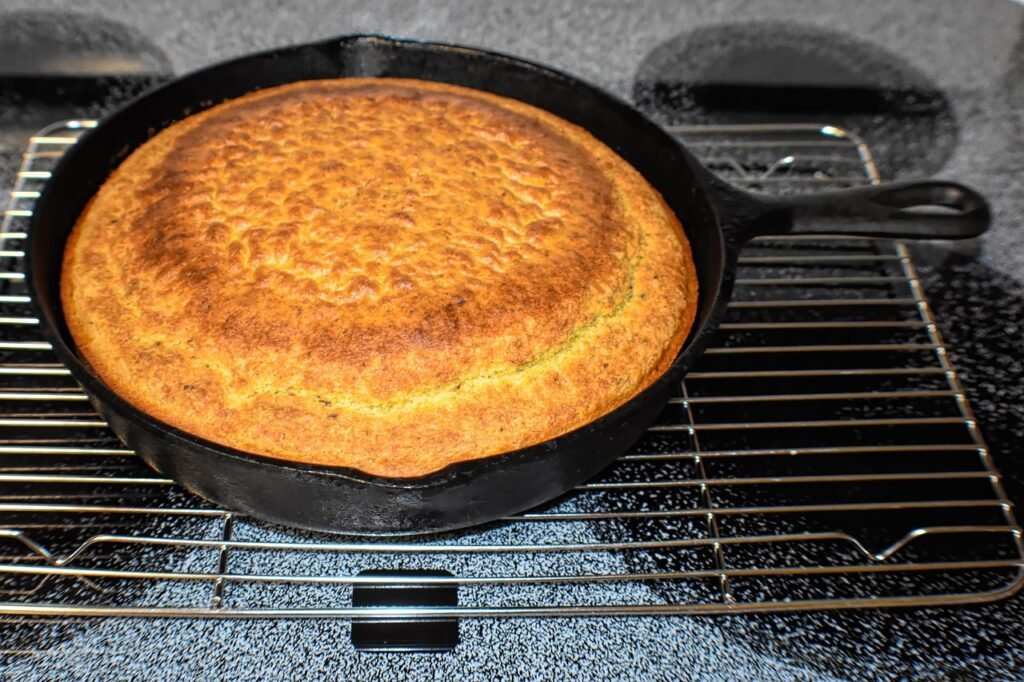
The sweet versus savory debate continues to be a topic of discussion among culinary enthusiasts. Preferences often vary based on family traditions and regional cuisines, further demonstrating how cornbread embodies the intersections of history, culture, and agricultural practices in America.
Understanding these diverse origins and variations of cornbread not only enriches one’s appreciation for this beloved dish but also enhances one’s ability to master the art of cornbread baking, leading to the creation of perfectly textured and flavorful results in the kitchen.
Essential Ingredients for Cornbread Success
Creating the perfect cornbread begins with selecting the right ingredients. The primary component of cornbread is cornmeal, which comes in various forms, notably stone-ground and finely milled. Stone-ground cornmeal retains more of the corn’s natural flavor and texture, resulting in a heartier loaf, while finely milled cornmeal offers a softer texture. Depending on your preference, you may opt for one over the other to achieve the desired cornbread consistency.
Besides cornmeal, the freshness of other ingredients significantly affects the overall outcome. Fresh eggs and high-quality dairy products, such as milk or buttermilk, contribute essential moisture and richness to the batter. Buttermilk, in particular, adds a slight tang that can enhance the flavor profile of cornbread. Using room temperature eggs ensures a more uniform mix and aids in the batter’s rise during baking.
Another crucial factor to consider is the balance of sweeteners. Many cornbread recipes incorporate sugar or honey, which can help counteract the natural bitterness of cornmeal. Sweeteners not only improve the taste but also affect the browning of the crust. If you prefer a less sweet cornbread, you can adjust the quantity accordingly or use alternatives like maple syrup for a more nuanced flavor.
For individuals with dietary restrictions, gluten-free options are readily available. Substituting traditional wheat flour with gluten-free all-purpose flour or almond flour, combined with cornstarch, can produce delicious results without compromising texture. When sourcing ingredients, it is essential to prioritize high-quality products, as this translates into a better tasting cornbread. Supporting local mills or farmers’ markets can lead to discovering fresh and superior ingredients that elevate your cooking experience.
Techniques for Achieving the Perfect Texture and Flavor
When it comes to baking cornbread, the right techniques can significantly enhance both texture and flavor. One of the fundamental practices is the mixing method; for best results, it is crucial to avoid overmixing your batter. Overmixing can lead to a dense end product, as it develops the gluten in the flour. Instead, gently fold the ingredients together until just combined, allowing for a light and airy cornbread.
Another important consideration is the preheating of your baking pans. Preheating helps to create that desirable crispy crust that characterizes well-made cornbread. A hot pan allows the batter to begin cooking immediately upon contact, which contributes to the formation of a golden brown exterior. Cast iron skillets are particularly effective, offering even heat distribution that accentuates the crust’s crispness, but other options can work well too.
Additionally, bake times and temperature settings are key factors in achieving the right texture. Typically, a temperature of 400°F (204°C) works well for cornbread, allowing the center to cook through without drying out the edges. Checking for doneness is equally important; inserting a toothpick into the center should yield moist crumbs rather than wet batter. This simple test ensures that you achieve the perfect balance of moist interior with a crumbly texture.
Finally, don’t overlook the importance of quality ingredients and their measurements. Using finely ground cornmeal, fresh baking powder, and the right proportions of liquid can also dramatically enhance the overall flavor profile. With these techniques in mind—gentle mixing, properly preheated pans, accurate bake times, and ingredient quality—you can master the art of cornbread baking with delightful results every time.
Creative Twists on Classic Cornbread
While traditional cornbread holds its place in many homes, there is ample opportunity to experiment with innovative ingredients and flavors to create a unique version of this beloved dish. By incorporating an array of herbs, cheeses, vegetables, and even toppings, home bakers can customize cornbread to fit their palate and elevate it beyond the ordinary.
One of the simplest ways to enhance cornbread is by adding fresh or dried herbs. Ingredients such as cilantro, rosemary, or thyme can offer a fragrant and savory twist that complements the natural sweetness of cornmeal. Experimenting with cheese is another delightful avenue; sharp cheddar or pepper jack can add richness and a hint of spice, making the cornbread not only flavorful but also vastly more satisfying.
Vegetables such as finely chopped bell peppers, jalapeños, or sweet corn kernels can provide texture and a burst of flavor. These additions can brighten up the cornbread, making it a versatile side dish or a stand-alone snack. Additionally, incorporating sweet elements like blueberries or fresh corn can create a delightful balance between sweetness and savory notes.
When it comes to serving cornbread, the options are nearly limitless. A drizzle of honey or a smear of freshly churned butter can enhance the flavor profile remarkably. For a savory twist, consider topping your cornbread with a dollop of sour cream and a sprinkle of chives, melding comfort food with a gourmet touch.
Encouraging oneself to step outside the bounds of traditional baking opens doors to personal creativity. With these suggestions in mind, cornbread can truly become a reflection of individual tastes, proving that even classics can evolve. Each ingredient or topping can transform basic cornbread into a culinary masterpiece, aligning with diverse preferences and making the baking process an engaging adventure.