
- The Origins of Tom Yum Soup
- Cultural Significance of Tom Yum Soup
- Unique Flavors of Tom Yum Soup
- Textures in Tom Yum Soup
- Visual Appeal of Tom Yum Soup
- The Appearance of Tom Yum Soup
- Plating Tom Yum Soup: Techniques and Tips
- Tom Yum Soup Variations Around the World
- Making Tom Yum Soup at Home: A Step-by-Step Guide
The Origins of Tom Yum Soup
Tom Yum Soup, a hallmark of Thai cuisine, boasts a rich history that intertwines with the country’s cultural evolution. While the precise timeline of its origins remains somewhat elusive, it is widely accepted that this exquisite soup emerged in Thailand during the early 20th century. The term “Tom Yum” itself translates to “boiled” and “spicy,” aptly describing the soup’s signature characteristics. Ancient Thai culinary practices embraced the use of fresh herbs and spices, with ingredients such as lemongrass, kaffir lime leaves, and galangal forming the backbone of many traditional dishes.
Originally, Tom Yum Soup was influenced predominantly by local ingredients and seasonal availability. The foundational recipes utilized fresh seafood, particularly shrimp, which reflected the country’s abundant coastal resources. As trade routes expanded, the introduction of new ingredients diversified the soup’s flavor profile. Thai cooks began experimenting with the inclusion of mushrooms, tomatoes, and a variety of spices, evolving the soup into a more complex and layered dish.
Throughout the decades, Tom Yum has experienced various adaptations influenced by regional and global culinary trends. For instance, urbanization in Thailand has led to the emergence of numerous versions of Tom Yum, catering to contemporary palates. Notably, the popularity of this soup expanded beyond Thailand, inspiring numerous renditions worldwide. International chefs have incorporated their local ingredients, thus giving rise to amalgamated flavors that maintain the essence of this beloved dish while introducing innovative twists.
In essence, the journey of Tom Yum Soup illustrates not only the rich heritage of Thai gastronomy but also the inherent adaptability of traditional culinary practices. Today, it stands as a symbol of Thailand’s vibrant culture and culinary excellence, celebrated by food enthusiasts globally. As the soup continues to evolve, it remains deeply rooted in the historical tapestry of Thailand’s cuisine.
Cultural Significance of Tom Yum Soup
Tom Yum soup is more than just a dish; it is a representation of Thai culture and hospitality. Originating from the Central and Southern regions of Thailand, this iconic soup has established its place not only as a staple in everyday meals but also as a key component in celebratory events and social gatherings. The vibrant flavors and aromatic ingredients used in Tom Yum reflect the essence of Thai cuisine, which is characterized by a harmonious blend of sweet, sour, salty, and spicy notes.
In Thai society, sharing food is an essential part of social bonding, and Tom Yum soup often plays a central role in this tradition. It is a common choice for family gatherings, where dynamics unfold over bowls of steaming soup, sparking conversations and fostering relationships. The soup is a frequent fixture at parties and festivals, symbolizing togetherness and unity as people gather to enjoy this flavorful dish. The act of serving Tom Yum to guests is regarded as a gesture of hospitality, showcasing the care and effort that goes into preparing a meal that satisfies the palate and nurtures the soul.
Moreover, Tom Yum embodies the rich culinary heritage of Thailand, as it incorporates fresh, local ingredients such as lemongrass, kaffir lime leaves, and galangal. This dish encapsulates the principle of using seasonal produce in Thai cooking, emphasizing sustainability and community. As it evolves, Tom Yum soup is also adapting to contemporary tastes, with variations that cater to diverse preferences without losing its traditional essence. Through its presence in both everyday dining and special occasions, Tom Yum soup serves as a culinary icon and a cultural bridge that connects generations within Thai society, reminding everyone of the importance of food in fostering connections and expressing identity.
Unique Flavors of Tom Yum Soup
Tom Yum Soup, revered as a culinary icon of Thailand, is celebrated for its distinctive flavor profile that captures the essence of Thai cuisine. The balance of sweetness, sourness, saltiness, and spiciness creates a harmonious taste experience that is both invigorating and aromatic. Central to this balance are the key ingredients that each contribute their unique characteristics, resulting in the soup’s signature taste.
Lemongrass serves as a foundational element by infusing the broth with a fragrant citrus note. This herb not only adds a refreshing aroma but also enhances the overall flavor complexity. Combined with kaffir lime leaves, which provide a sharp and slightly bitter scent, the combination of these two ingredients encapsulates the freshness characteristic of Thai dishes. Together, they create a refreshing backdrop against which the other flavors can shine.
Another essential component is galangal, a root similar to ginger but with a more earthy and aromatic flavor. Its pungent characteristics add depth to the soup, enriching the broth while creating a delightful contrast to the more vibrant notes of lemongrass and lime. Galangal’s unique contribution to Tom Yum Soup ensures that each spoonful is layered with flavor, making the culinary experience truly memorable.
Chili peppers are indispensable when crafting this soup, offering a kick of heat that varies in intensity depending on individual preferences. Whether one opts for a mild or fiery rendition, the spiciness enhances the overall flavor profile, ensuring that it does not overshadow other tastes. Together, the interplay between these ingredients results in a symphony of flavors that defines Tom Yum Soup, highlighting its status as a beloved dish within Thai cuisine.
Textures in Tom Yum Soup
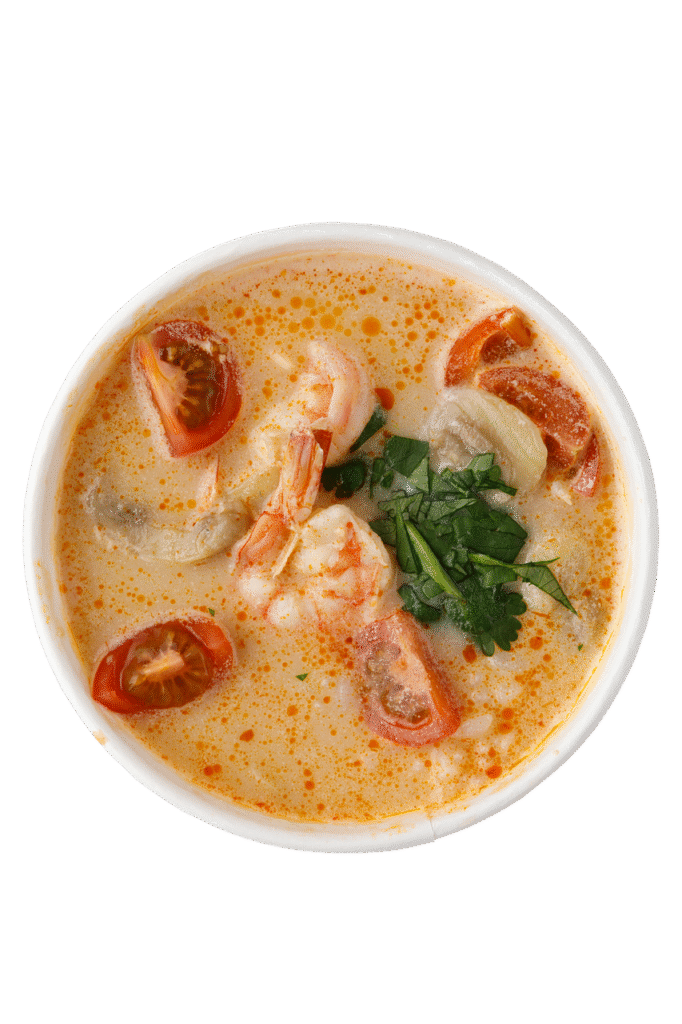
Tom Yum Soup is renowned not only for its vibrant flavors but also for its remarkable textures that enhance the overall dining experience. When one takes a sip of this beloved Thai soup, the first impression is the smoothness of the broth. The base is typically a harmonious blend of broth infused with an array of herbs and spices, creating a velvety consistency that sets the stage for the myriad of textures to follow. The clarity and lightness of the broth, often made with chicken or seafood stock, provide a soothing contrast to the more robust ingredients.
At the heart of Tom Yum Soup are the proteins, often shrimp or chicken, which are cooked to tender perfection. The proteins absorb the aromatic essence of the broth while maintaining a satisfying softness. Each bite of shrimp offers a slight bounce, a quality that is both inviting and indulgent. The tenderness of the proteins juxtaposes beautifully with the freshness of the accompanying herbs and vegetables, adding depth to the overall texture profile.
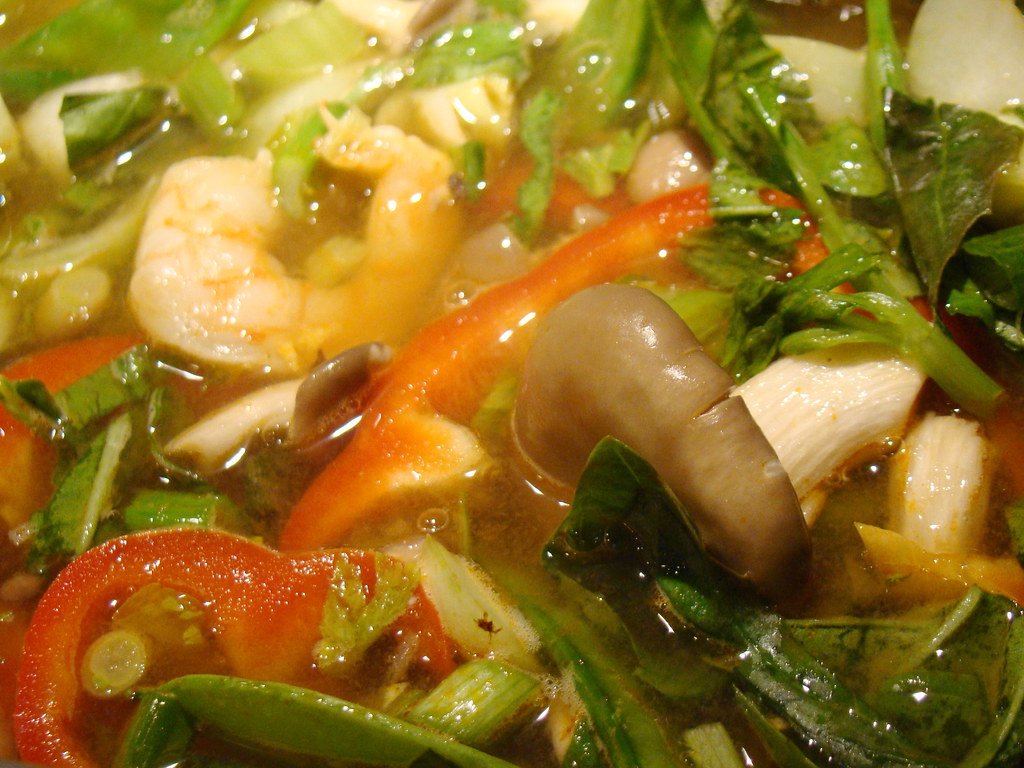
Fresh herbs, such as cilantro and Thai basil, contribute a refreshing crunch that complements the soup’s other components. This textural interplay enhances every spoonful, inviting the diner to savor the unique combinations of tastes and textures. Furthermore, mushrooms often included in the soup introduce a subtle firmness, providing an enjoyable chewiness that contrasts with the smooth broth and tender proteins. Additionally, the occasional addition of chili peppers brings not only heat but also a slight crispness that can surprise the palate.
Overall, the interplay of tenderness, crunchiness, and smoothness in Tom Yum Soup creates a multidimensional experience that captivates the senses. The balance of these textures, from the velvety broth to the crispy herbs and soft proteins, is essential in delivering the soup’s signature charm. This complex layering of textures ensures that Tom Yum Soup remains a memorable dish in Thai cuisine.
Visual Appeal of Tom Yum Soup
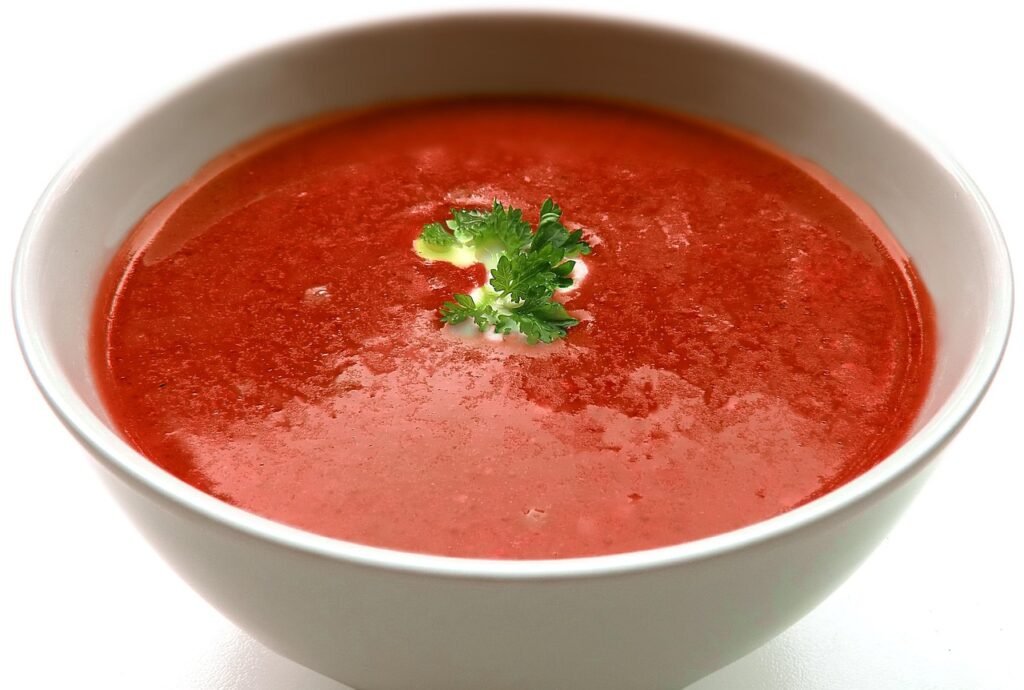
Tom Yum Soup is not only renowned for its exquisite taste but also for its striking visual appeal. The vibrant colors found in this traditional Thai dish offer a feast for the eyes and serve as an enticing introduction to the rich flavors contained within. The clear broth, often infused with a hint of zesty lime, acts as a canvas upon which the fresh ingredients create a vivid mosaic.
One of the most iconic features of Tom Yum Soup is the bright red chilies that float amidst the clear liquid. These chilies not only contribute heat but also provide a sharp contrast against the transparent backdrop, making the soup visually stimulating. The specks of red symbolize the spice and heat that characterize this classic recipe, promising a bold flavor experience.
Complementing the chilies are the fresh green herbs, namely cilantro and kaffir lime leaves. Their lush green tones breathe vibrancy and freshness into the dish, reinforcing the concept of using fresh ingredients. The lushness of the herbs enhances the overall attractiveness of Tom Yum Soup, indicating the high-quality produce used in its preparation.
The assortment of ingredients, including prawns, mushrooms, and lemongrass, offers an additional layer of visual diversity. The translucent shells of the prawns, the earthy tones of the mushrooms, and the straw-like appearance of the lemongrass all contribute to a harmonious layout in the bowl. This combination not only highlights the freshness of the components but also enhances the appetite appeal of the soup.
This aesthetic appeal is crucial in a culinary context, as it plays a significant role in attracting diners. The representation of bright, hearty ingredients in Tom Yum Soup exemplifies the essence of Thai cuisine, where the visual and sensory experiences intertwine, ultimately creating a memorable dining experience.
The Appearance of Tom Yum Soup
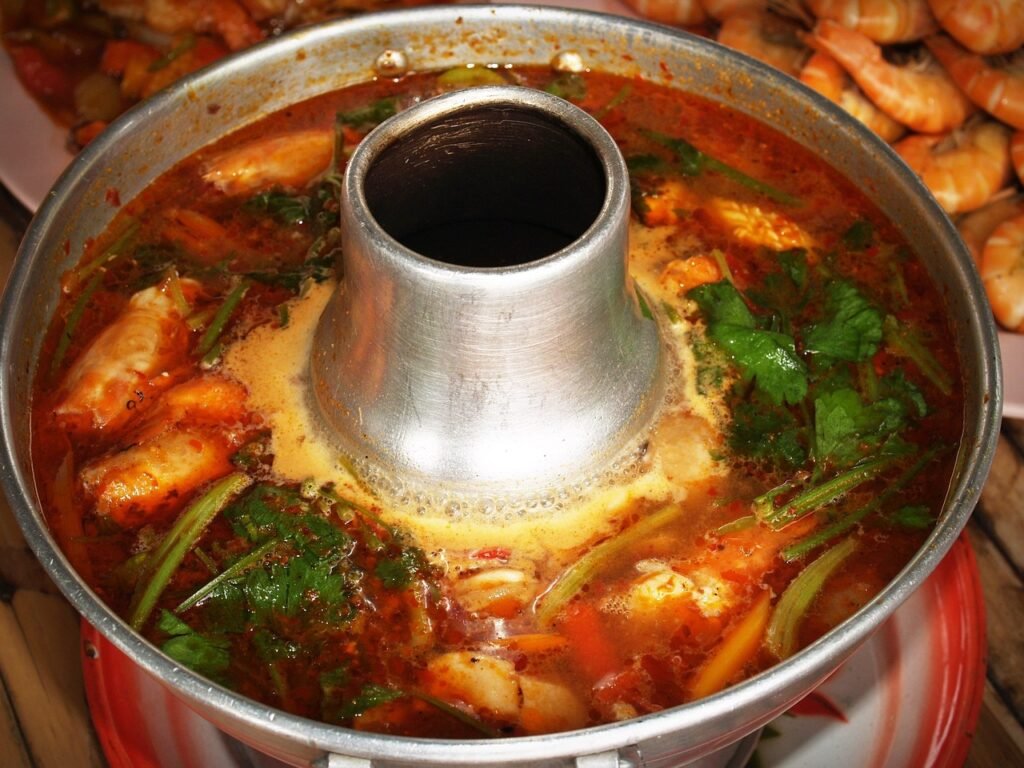
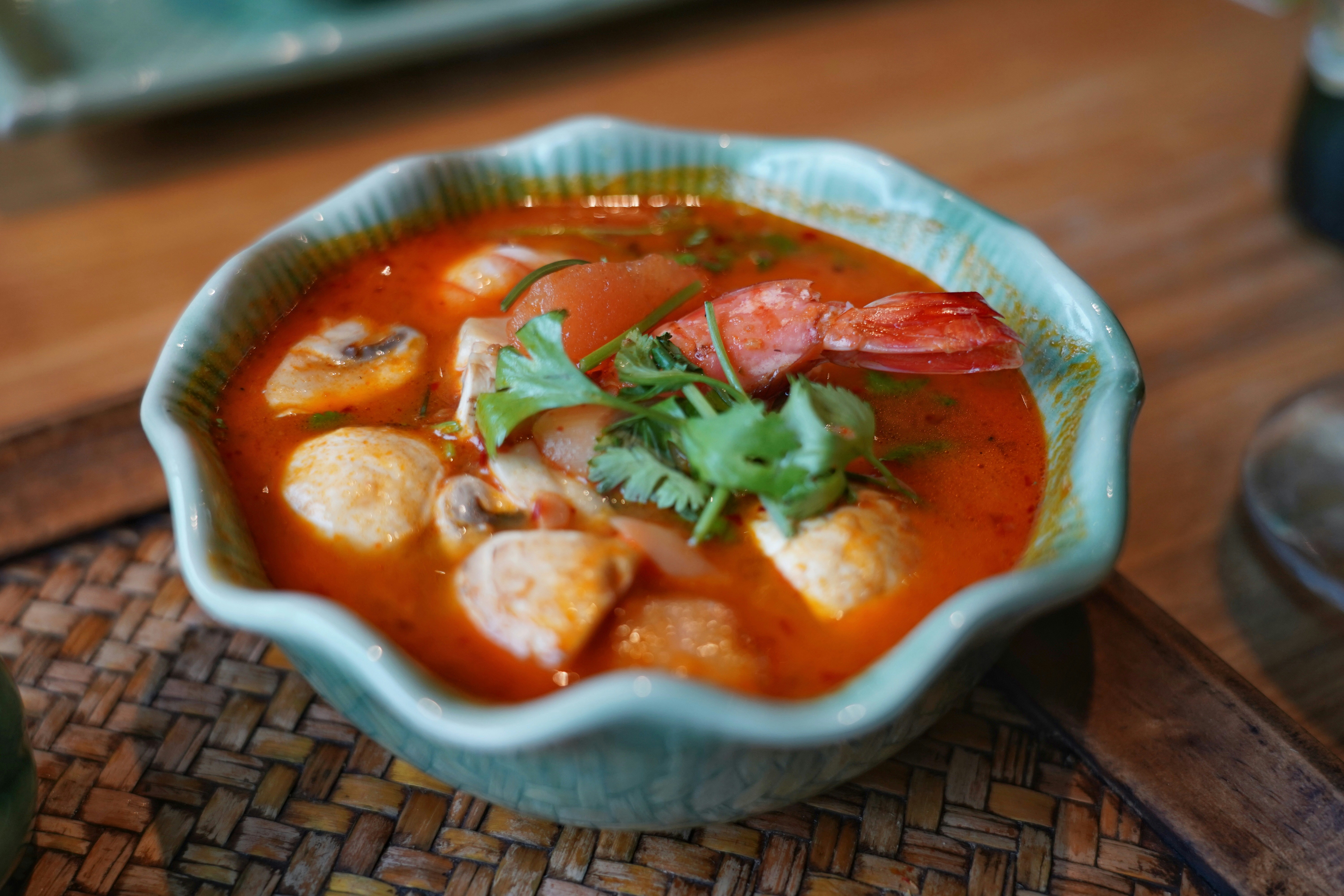
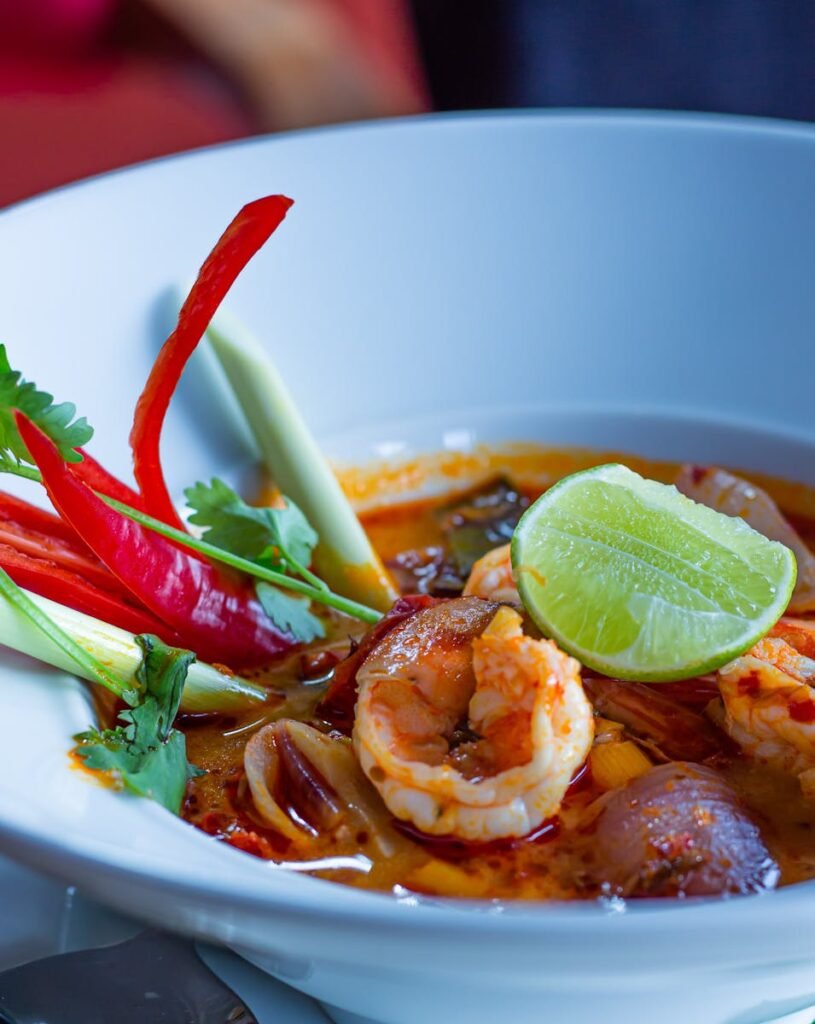
Tom Yum Soup, renowned for its bold flavors and aromatic qualities, presents a delightful visual experience that reflects its rich culinary heritage. Typically served in a traditional Thai bowl or a sturdy clay pot, the soup is often accompanied by a small individual serving bowl, allowing diners to enjoy the dish at their own pace. The vibrant colors of the ingredients are paramount, as they create an enticing appeal. The base of the soup, usually a clear or slightly cloudy broth, is adorned with an array of ingredients that contribute to its distinct look. Fresh herbs and spices, such as kaffir lime leaves, lemongrass, and galangal, typically float gracefully atop the liquid, providing a splash of greenery that enhances its visual allure.
Commonly, the soup features plump shrimp, tender mushrooms, and slices of fresh chili, all arranged in a manner that showcases the freshness and variety of components. The contrasting colors and textures play a vital role in elevating the overall presentation. For instance, the bright red of the chili contrasts vividly against the pale shrimp and earthy mushrooms, while the green herbs add a touch of freshness. This meticulous arrangement not only makes the dish appealing but also heightens the sensory experience for diners, priming their taste buds for the flavorful journey ahead.
Moreover, garnishing is a key aspect of the presentation of Tom Yum Soup. A sprinkle of freshly chopped cilantro or diced green onions often adorns the surface just before serving, adding an extra layer of color and fragrance. This attention to detail in presentation is deeply rooted in Thai culinary culture, where the visual appeal of a dish is considered just as important as its taste. The visual arrangement of Tom Yum Soup not only entices the eye but also sets the stage for a memorable dining experience, demonstrating the symbiotic relationship between appearance and flavor in Thai cuisine.
Plating Tom Yum Soup: Techniques and Tips
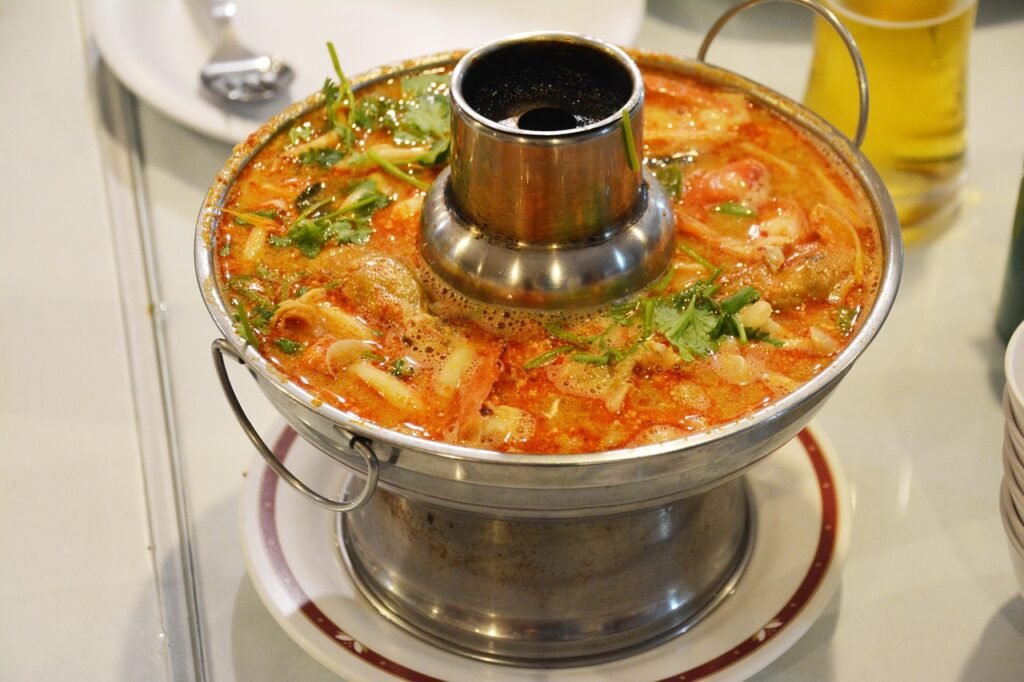
Plating Tom Yum Soup in an appealing manner is crucial as it enhances not only the visual experience but also the overall enjoyment of this renowned Thai dish. The first consideration in presentation is the choice of bowl. A shallow, wide bowl allows for an expansive view of the soup’s vibrant ingredients, while a deep bowl retains heat and offers a comforting appeal. Selecting the right bowl sets the stage for an aesthetically pleasing dish.
When serving Tom Yum, layering the ingredients thoughtfully is paramount. Start with a base layer of broth, ensuring that it is clear and well-seasoned. The broth should be carefully poured so that the herbs and spices settle gracefully, rather than being disturbed. Following this, strategically place key ingredients such as shrimp, mushrooms, and Thai herbs atop the broth. This creates a layered look that showcases each component, emphasizing the complexity of flavors that make this soup so beloved.
For an added touch, garnish with fresh, vibrant herbs like cilantro or Thai basil. A slice of lime can add a pop of color while letting diners know that they can enhance the soup with a squeeze of citrus. Additionally, including elements such as sliced chili or a sprinkle of crushed peanuts can provide not just flavor but also contrasting texture, inviting diners to explore the multitude of layers the dish offers.
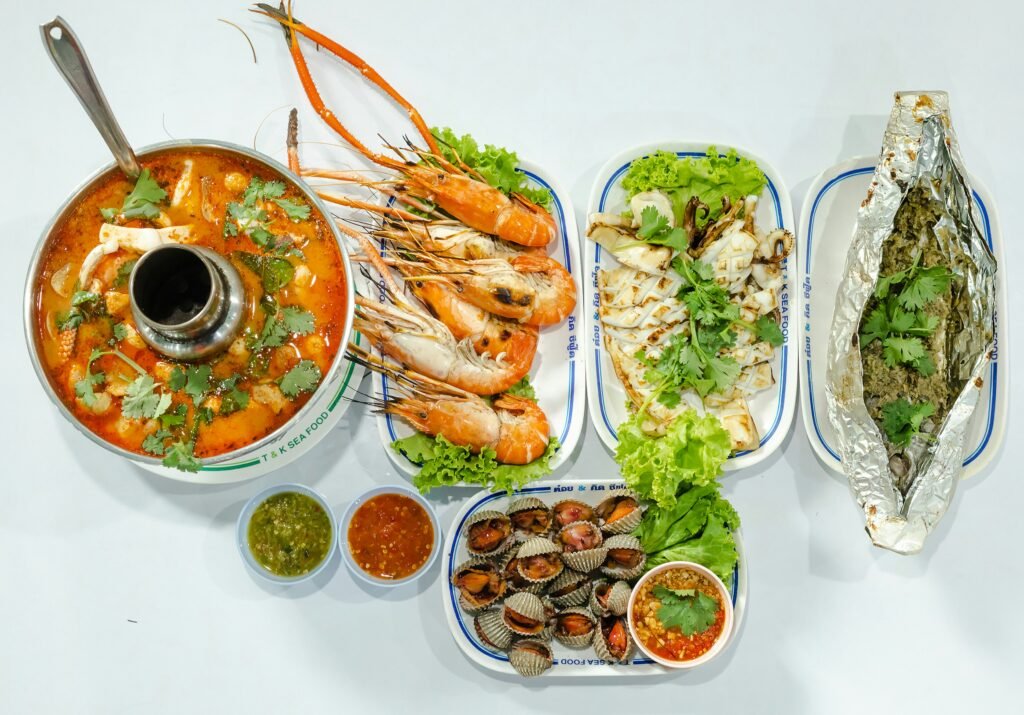
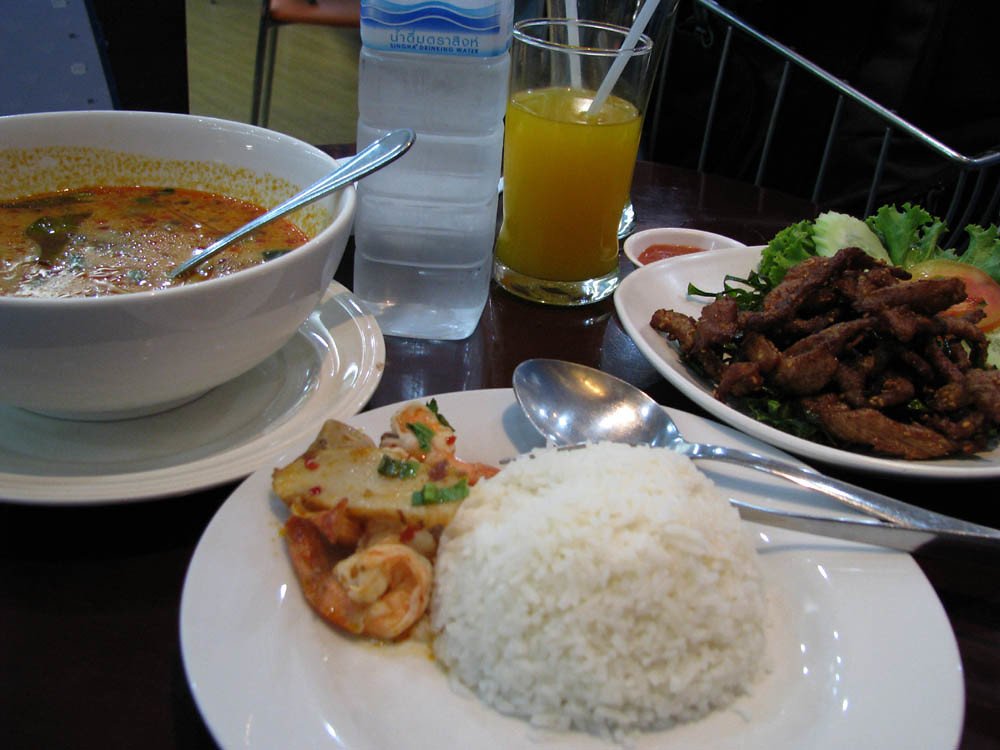
The final aspect of plating involves considering the dining experience as a whole. Presenting the soup with accompanying elements, such as steamed jasmine rice or crispy fried shallots, can create a more immersive experience. These side components can either be served on the side or delicately placed around the soup bowl. Such attention to detail not only heightens the appeal of Tom Yum Soup but also engages the senses, making it a memorable culinary delight.
Tom Yum Soup Variations Around the World
Tom Yum Soup, recognized for its bold flavors and fragrant ingredients, has transcended its Thai origins, leading to an array of adaptations worldwide. Different regions have embraced this iconic dish and made it their own, showcasing the versatility of Tom Yum while adhering to the fundamental components that define this beloved soup.
In Southeast Asia, particularly in countries such as Laos and Malaysia, variations of Tom Yum often incorporate local ingredients and culinary techniques. For instance, in Laos, the soup known as “Tom Yum Laos” includes ingredients such as lemongrass, kaffir lime leaves, and a variety of mushrooms, while also featuring distinct herbs like mint and coriander, which enhance its aromatic profile. Malaysian adaptations often involve the use of lemongrass but may also introduce coconut milk, resulting in a creamy version that adds a layer of richness to the soup.
In the West, particularly in the United States and Europe, fusion recipes have emerged, blending Tom Yum with other culinary traditions. For instance, some restaurants serve a “Tom Yum Ramen,” where the traditional soup base is mixed with ramen noodles, creating a unique dish that pays homage to both Thai and Japanese cuisines. This fusion showcases the adaptability of Tom Yum, appealing to palates that appreciate diverse flavor experiences.
Even in India, the essence of Tom Yum has been captured, often incorporating local spices and ingredients. A version may appear with a spicy kick typical of Indian cuisine, integrating curry leaves and chili to create a distinct interpretation that resonates with local tastes while maintaining the core identity of the original Thai soup.
From these diverse adaptations, it is evident that Tom Yum Soup holds universal appeal. Its boldness invites creativity, encouraging chefs and home cooks alike to explore various combinations that highlight their regional flavors, ensuring this culinary icon remains a dynamic part of global gastronomy.
Making Tom Yum Soup at Home: A Step-by-Step Guide
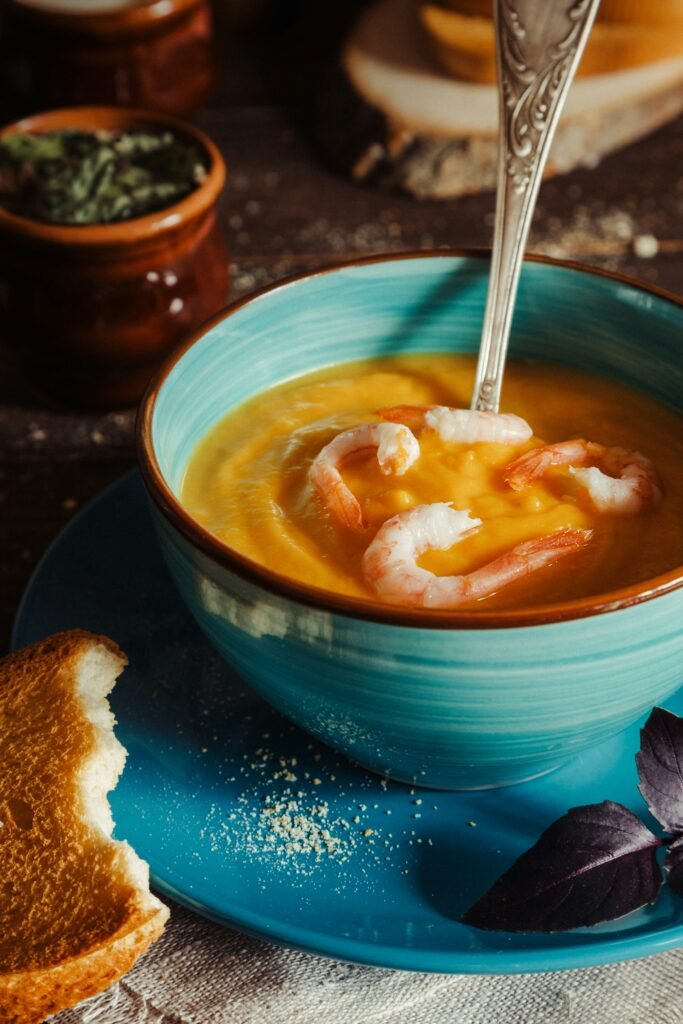
Tom Yum Soup, a beloved Thai dish, is characterized by its bold flavors and fragrant aromas. Preparing this culinary icon at home requires a careful selection of ingredients and a step-by-step approach to achieve an authentic taste.
To begin with, gather the essential ingredients. The base of Tom Yum Soup typically includes fresh lemongrass, kaffir lime leaves, galangal, and Thai bird’s eye chilies, which together create a vibrant and tangy broth. Additionally, you will need shrimp or chicken, depending on your preference, as well as mushrooms, tomatoes, and cilantro to enhance the dish’s flavor and presentation. For those who enjoy a richer broth, consider incorporating fish sauce and lime juice, which are crucial for achieving the signature taste.
Once you have gathered your ingredients, start by preparing the aromatic base. Begin by boiling water in a pot and then adding crushed lemongrass, sliced galangal, and torn kaffir lime leaves. Allow these ingredients to simmer for about 5-10 minutes, allowing their essential oils to infuse the water, resulting in a fragrant broth.
Next, introduce your choice of protein. If using shrimp, add them when the broth is boiling to ensure they cook perfectly without becoming rubbery. For chicken, it should be added earlier to ensure it is cooked through. Follow this by adding mushrooms and tomatoes, which contribute both texture and flavor to your soup.
To achieve the ideal balance of taste, season the broth with fish sauce, adjusting the amount according to your salt preference. Finish the soup with fresh lime juice, and if desired, additional chilies for extra heat. For presentation, garnish your Tom Yum with fresh cilantro just before serving, elevating both its flavor and visual appeal.
This guide provides a general framework for making Tom Yum Soup at home. Feel free to customize the recipe by adjusting the spice levels or experimenting with different proteins and vegetables, ensuring each bowl reflects your personal taste. Enjoy your culinary journey through Thailand with this vibrant and flavorful dish.