
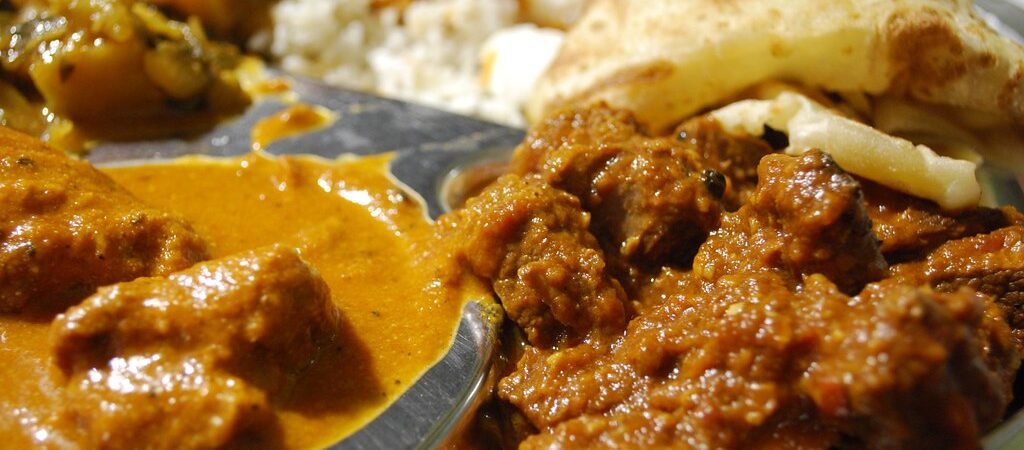
Introduction to Butter Chicken
Butter chicken, renowned for its rich flavors and creamy texture, is a dish that originated in the Indian subcontinent during the 1950s. This culinary delight, also known as “murgh makhani,” was created at the Moti Mahal restaurant in Delhi, which combined leftover chicken with a luscious tomato-based sauce, flavored with a blend of aromatic spices and a generous amount of butter and cream. The result was an indulgent meal that quickly gained fame and remains beloved worldwide.
The essence of butter chicken lies in its delightful balance of spices, the smoothness of cream, and the slight acidity of tomatoes, creating a sauce that perfectly complements tender pieces of marinated chicken. Its appealing taste makes it a favorite choice for both family dinners and festive occasions, where it dazzles guests with its vibrant color and mouthwatering aroma.
Making butter chicken at home not only allows you to savor this popular Indian dish but also offers an opportunity to master the art of Indian cooking. One of the most rewarding aspects of preparing butter chicken is customizing the spices and ingredients to suit your preferences, ensuring each experience is uniquely enjoyable. Homemade butter chicken guarantees freshness and allows you to control the quality of the ingredients, making it a healthier option compared to many restaurant versions. Furthermore, the dish can be easily paired with accompaniments such as naan or basmati rice, making it versatile and suitable for any dining setting.
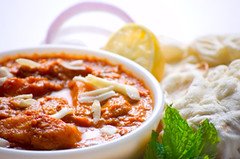
In summary, butter chicken’s rich history, appealing flavor profile, and the satisfaction of cooking it at home make it an excellent choice for anyone looking to impress their guests or simply enjoy a comforting and delicious meal.
Ingredients Needed for Butter Chicken
To prepare a delicious butter chicken, it is essential to gather the right ingredients that contribute to its rich flavor and creamy texture. The following is a detailed list of ingredients you will need:
For the Chicken Marinade:
- 500 grams of boneless chicken, preferably thigh pieces for tenderness
- 1 cup of plain yogurt
- 2 tablespoons of lemon juice
- 1 tablespoon of ginger-garlic paste
- 1 teaspoon of red chili powder
- 1 teaspoon of turmeric powder
- Salt to taste
For the Chicken Curry:
- 3 tablespoons of unsalted butter
- 2 tablespoons of vegetable oil (helps with cooking at higher temperatures)
- 1 medium onion, finely chopped
- 2 large tomatoes, pureed (or 1 can of crushed tomatoes)
- 1 cup of heavy cream
- 1 teaspoon of garam masala
- 1 teaspoon of cumin powder
- 1 teaspoon of coriander powder
- Salt to taste
Optional Ingredients:
- Fresh cilantro leaves for garnishing
- 1-2 green chilies, slit for added heat
- Cashew paste (for a richer texture and flavor)
When sourcing ingredients, it is advisable to opt for high-quality produce. Fresh chicken, organic tomatoes, and real butter can significantly enhance the dish’s flavor profile. For the yogurt, choose unsweetened plain variants to maintain the balance of flavors. By selecting the best ingredients, you will achieve a butter chicken that is not only satisfying but also a delight to the palate.
Step-by-Step Cooking Instructions
To create a delicious butter chicken dish, it is essential to follow a series of well-defined steps, ensuring that each element is perfectly executed. The journey begins with marinating the chicken. In a mixing bowl, combine 500 grams of boneless chicken pieces with 1 cup of plain yogurt, 2 tablespoons of lemon juice, and a mixture of spices such as 1 teaspoon of turmeric, 1 tablespoon of garam masala, 1 tablespoon of cumin, and salt to taste. Cover the bowl and let the chicken marinate in the refrigerator for at least one hour, or ideally overnight to allow the flavors to meld.
Next, prepare to cook the marinated chicken. In a heavy-bottomed skillet or pan, heat 2 tablespoons of ghee or cooking oil over medium heat. Add the marinated chicken pieces, cooking them until they are lightly browned on all sides, which should take about 7-10 minutes. Remove the chicken and set aside, reserving the juices in the pan.
Now, it’s time to prepare the sauce. In the same pan, add one finely chopped onion and sauté until golden brown. Follow this by stirring in 2 tablespoons of ginger-garlic paste, cooking for an additional minute before adding the spices: 1 teaspoon of chili powder, 1 teaspoon of coriander powder, and 1 teaspoon of cumin powder. Then, introduce 200 grams of crushed tomatoes and cook until the oil begins to separate from the mixture.
Once the sauce develops a rich flavor, return the chicken to the pan, along with any collected juices. Pour in 1 cup of cream and stir gently, allowing the mixture to simmer for about 15 minutes on low heat until the chicken is tender and the sauce thickens. Adjust the seasoning with salt as necessary.
For the final touch, garnish with fresh cilantro and a drizzle of cream before serving. Accompany your butter chicken with naan bread or steamed rice for a complete meal. Each step in this process plays a crucial role in achieving the perfect butter chicken, ensuring a flavorful and unforgettable dish.
Serving Suggestions and Variations
Butter chicken, a beloved dish that hails from India, is typically served with a variety of sides that enhance its rich flavors. One of the most popular accompaniments is naan bread, which is perfect for scooping up the sauce. Additionally, steamed basmati rice is an excellent choice, as its fluffy texture complements the creamy butter chicken beautifully. For those looking for a lighter option, a fresh salad tossed with a zesty dressing can provide a refreshing contrast to the dish’s richness.
In terms of variations, butter chicken can be adapted to suit dietary preferences and regional tastes. For instance, a vegetarian version can replace chicken with paneer or chickpeas while maintaining the distinctive sauce. This variation allows those who prefer a plant-based diet to enjoy the beloved flavors of butter chicken without sacrificing taste.
Moreover, regional adaptations of the recipe can be found across India and beyond. For example, some variations may incorporate additional spices or ingredients like coconut milk or cashew cream, lending a unique twist to the traditional preparation. Adjusting the spice levels is also an option; for those who prefer a milder flavor, using less chili powder and adding more cream can create a dish that satisfies all taste buds.
For those who plan to prepare butter chicken in advance, understanding how to store leftovers is key. Place any uneaten portions in an airtight container in the refrigerator to maintain freshness for up to three days. When reheating, it is advisable to do so gently on the stove or in the microwave, ensuring the dish remains moist and flavorful. By exploring various serving suggestions and modifications, one can enjoy butter chicken in diverse ways that cater to different preferences and occasions.