
The Origins of Jollof Rice
Jollof rice, a beloved dish in West Africa, possesses a rich history that can be traced back to the Senegambian region, particularly among the Wolof people. This culinary staple, characterized by its vibrant tomato base and distinct spices, is not just food; it serves as a marker of cultural identity and communal heritage. The precise origins of Jollof rice remain subject to scholarly debate, with various theories positing its evolution over centuries.
One prevailing theory suggests that Jollof rice originated from the Wolof people, who inhabited present-day Senegal and The Gambia. The word “jollof” itself is derived from “wolof,” reflecting this cultural connection. Traditionally, the dish was prepared using locally available ingredients, including rice, tomatoes, onions, and a range of spices, showcasing the agricultural bounty of the region. As trade flourished along the West African coast and inland, the dish began to transform, absorbing diverse culinary influences from different ethnic groups.
Another factor contributing to the evolution of Jollof rice is the extensive cultural exchanges resulting from trade routes that traversed West Africa. The trans-Saharan trade and maritime commerce enabled not only the exchange of goods but also the sharing of culinary practices. Consequently, Jollof rice adapted to local tastes and preferences, resulting in numerous regional variations. From the spicy, smoky Nigerian version to the more subtly flavored Ghanaian take, each iteration tells a unique story shaped by ingredients and traditions native to that area.
As the influence of Jollof rice spread across West Africa, it became a symbol of celebration and togetherness, often served at significant gatherings, festivities, and cultural events. The adaptation of Jollof rice over time not only illustrates the dish’s resilience but also highlights the dynamic interplay of trade, migration, and cultural interchange that has shaped its identity over centuries.
Cultural Significance of Jollof Rice
Jollof rice holds a revered position in West African cuisine, embodying not only a delectable dish but also rich cultural narratives that resonate across the region. As a staple at various gatherings such as weddings, festivals, and family reunions, it plays a pivotal role in communal celebrations, serving as a unifying force that brings together families and friends. The preparation and sharing of Jollof rice often signify a time of joy and togetherness, marking significant life events and traditional ceremonies. Its vibrant flavors and visually striking appearance make it a centerpiece of festive tables, drawing people in and fostering a sense of community.
Moreover, Jollof rice has become a symbol of friendly competition among West African countries, particularly Nigeria and Ghana, as they vie for culinary supremacy over this beloved dish. Each nation claims its unique twist, with variations in secret ingredients and cooking techniques that spark lively debates among food enthusiasts and casual diners alike. This rivalry not only highlights the distinctive culinary traditions of each country but also promotes regional pride and cultural identity. Each time Jollof rice is prepared, it is imbued with the spirit of its country of origin, exemplifying the diverse heritages and histories that have shaped it.
Furthermore, the dish transcends cultural boundaries, evolving into a unifier in a region characterized by a colorful tapestry of ethnicities and languages. Festivals celebrating Jollof rice allow communities to come together, reflecting a rich history of shared experiences and diverse culinary skills. As Jollof rice continues to gain international recognition, it emerges as a cultural ambassador for West African heritage, making it an essential dish that encapsulates the essence of unity, celebration, and competition in its very essence.
Unique Flavors of Jollof Rice
Jollof rice is a culinary masterpiece that showcases a rich array of flavors, making it one of the most beloved dishes across West Africa. The fundamental ingredients that define this dish are tomatoes, onions, and peppers, which provide a vibrant and robust base. When combined, these essentials create a rich sauce that forms the foundation for the rice, contributing both color and depth to the overall flavor profile of Jollof rice.
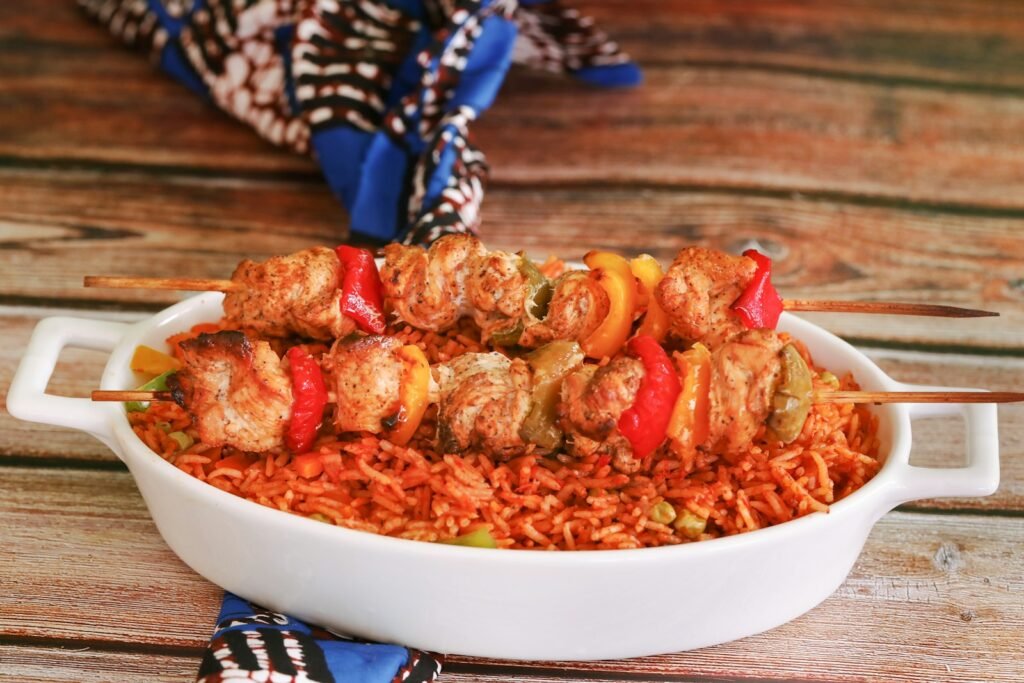
Beyond the basic tomato base, the addition of various spices plays a crucial role in enhancing the uniqueness of Jollof rice. Common spices include thyme, bay leaves, and curry powder, which, when introduced during the cooking process, lend nuanced flavors that deepen the character of the dish. The choice of proteins, such as chicken, beef, or seafood, also significantly impacts the flavor, with each option imparting its distinctive taste to the rice. Some recipes may include smoked meats, which introduce a delightful smokiness, further enriching the culinary experience.
Regional variations of Jollof rice highlight the cultural diversity within West Africa. In Nigeria, for instance, the dish is characterized by its spicy kick, often including Scotch bonnet peppers. In contrast, Ghanaian Jollof rice tends to be slightly sweeter, incorporating a different blend of spices and cooking methods that produce a softer texture. These localized approaches not only showcase individual culinary traditions but also elevate Jollof rice into a tapestry of flavors that reflect the unique ingredients available in each country.
Local ingredients play a significant role in the distinct taste of Jollof rice across various regions. From the specific variety of tomatoes used to the herbs and spices sourced from local markets, these components contribute to the dish’s overall flavor complexity. Such variations make Jollof rice more than just a meal; it is a celebration of the diverse cultural heritage across West Africa.
Textures: A Culinary Experience
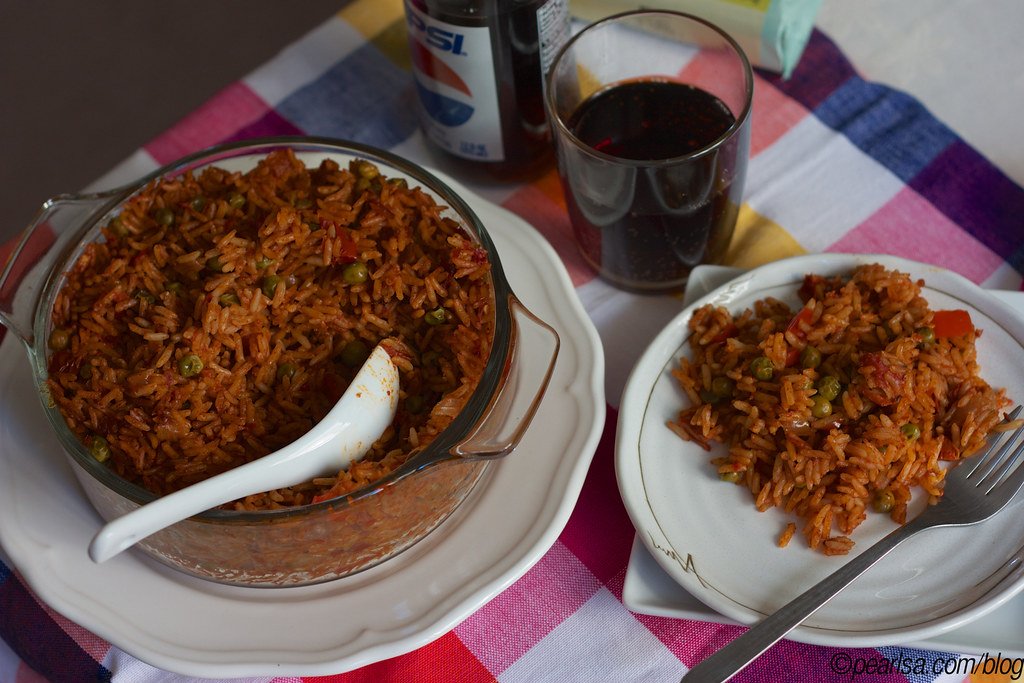
One of the most captivating aspects of Jollof rice lies in its textures, which contribute significantly to the overall dining experience. The dish is characterized by soft and fluffy rice grains, which are achieved through careful cooking methods that include simmering the rice in a well-seasoned tomato-based sauce. This technique allows for optimal absorption of flavors while ensuring the grains remain tender yet distinct from one another, creating a delightful mouthfeel.
Accompanying the rice, tender meats such as chicken, beef, or fish provide a contrast in texture that further enhances the dish. The choice of protein often varies depending on regional preferences, but the key lies in how these meats are prepared. Grilling or frying them before adding them to the Jollof rice can introduce a crispy outer layer, which beautifully complements the soft rice. This interplay between crunchy and soft elements offers a multi-layered experience that excites the palate.
Moreover, the use of vegetables, such as bell peppers and onions, adds an additional textural dimension to the dish. When these ingredients are sautéed before being mixed into the Jollof rice, they become tender while still providing a satisfying bite. The harmonious blend of textures—from the moist, fluffy rice to the tender meats and crisp vegetables—ensures that each bite is a celebration of culinary artistry.
Jollof rice is not just a dish; it is a canvas where different textures converge to create a memorable experience. The preparation techniques and ingredient choices play a crucial role in achieving the desired textures that define this cherished meal, making it not only a staple in many cultures but also a source of enjoyment for those who indulge in it.
Visual Appeal of Jollof Rice
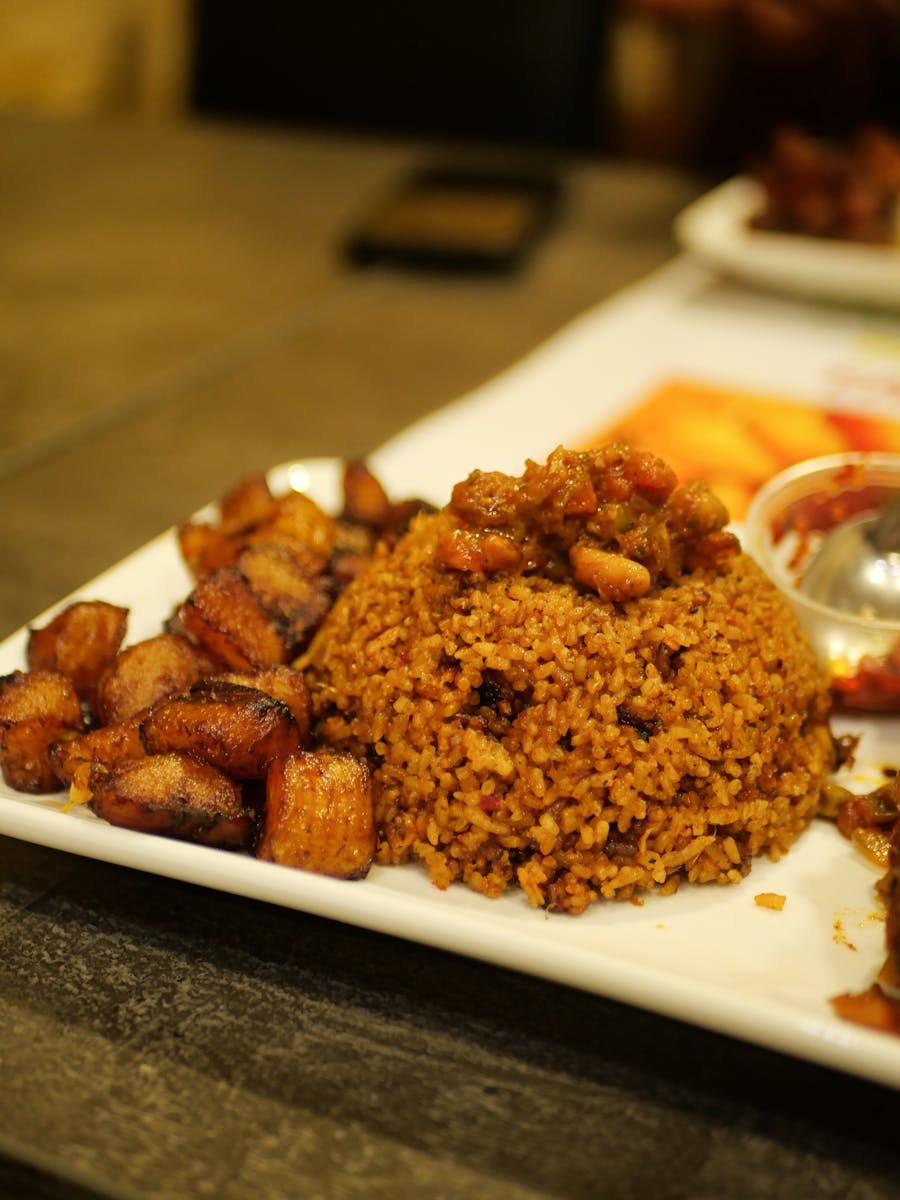
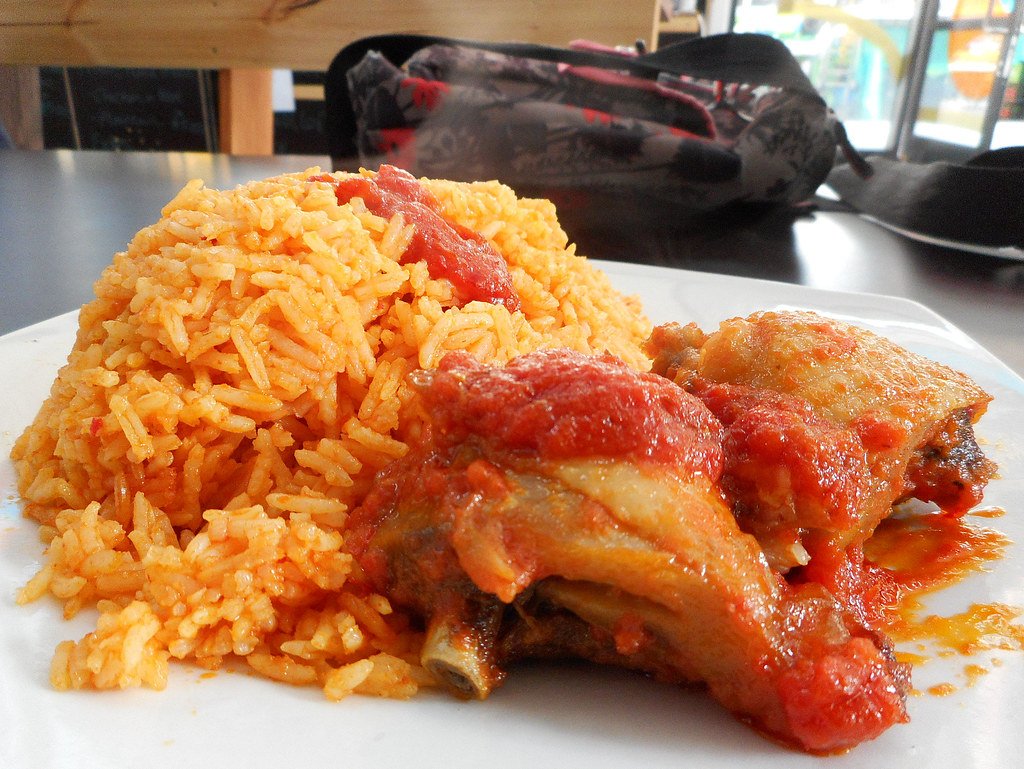
Jollof rice is an iconic dish renowned not only for its rich flavor but also for its striking visual appeal. The vibrant red hue of the rice, typically derived from the combination of ripe tomatoes, red bell peppers, and an array of spices, draws attention and invites diners to explore its myriad of tastes. The presentation of Jollof rice plays a crucial role in its overall impression; a well-served plate immediately communicates care and artistry, enhancing the dining experience.
The use of fresh ingredients, including vegetables and herbs, adds depth to the dish’s aesthetic appeal. Chopped onions, green bell peppers, and sprigs of parsley are often artfully arranged alongside the rice, creating a colorful contrast that elevates its visual allure. These elements not only make the plate more attractive but also signify the dish’s freshness and quality. Additionally, garnishes such as slices of avocado or fried plantains can transform a simple serving of Jollof rice into a feast for the eyes, further inviting diners to indulge.
Research indicates that color plays a significant role in our perception of food and can even affect appetite. The warm tones commonly associated with Jollof rice, such as red and orange, are known to stimulate hunger, making the dish appear more appetizing. Furthermore, the presence of bright, fresh ingredients can evoke feelings of freshness, healthiness, and satisfaction, enhancing the overall dining experience. Therefore, the aesthetics of Jollof rice are not merely superficial; they are intrinsically tied to how the dish is perceived and enjoyed.
In conclusion, the vibrant colors and thoughtful presentation of Jollof rice contribute significantly to its appeal, showcasing not just the culinary artistry behind the dish but also the cultural significance it holds within the culinary landscape. A visually stunning plate of Jollof rice can elevate any gathering, transforming mere meals into memorable experiences.
The Appearance of Jollof Rice Dishes
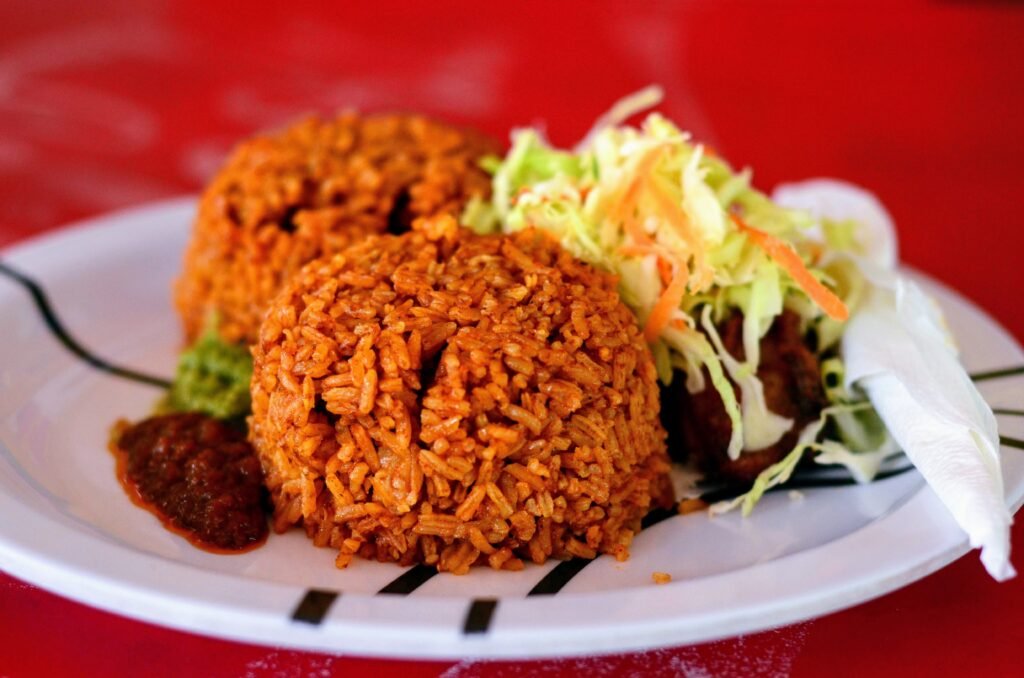
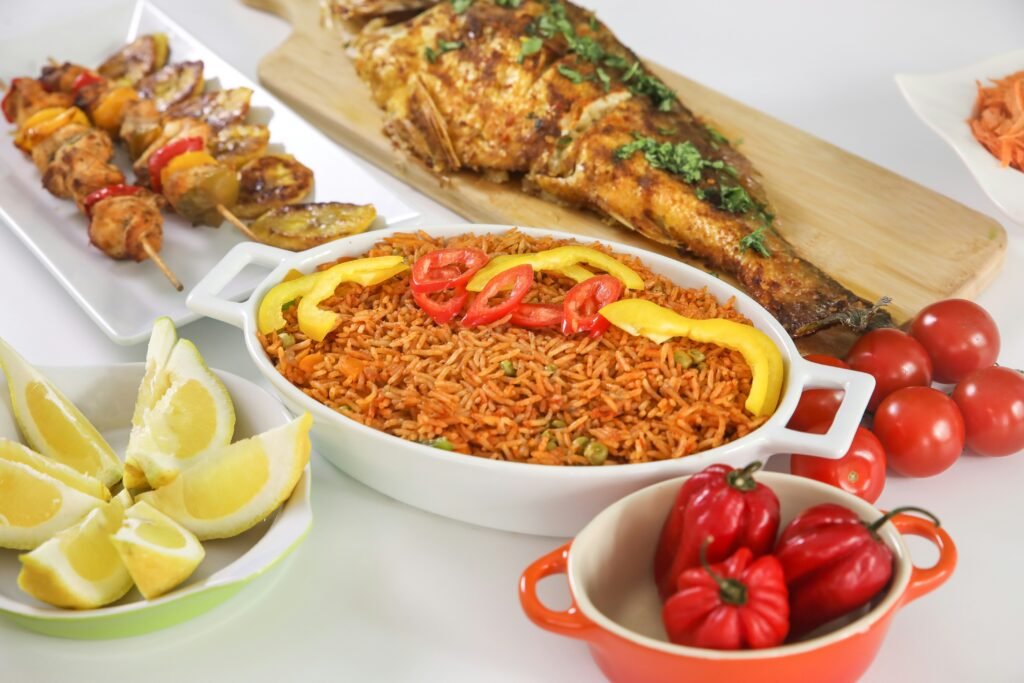
Jollof rice is not only celebrated for its rich flavor and texture but also for its visually appealing presentation. Traditionally, Jollof rice is served in both communal platters and individual portions, allowing it to adapt to various social settings, from family gatherings to formal events. The communal style often features an impressive display, fostering a sense of togetherness and sharing, which is deeply rooted in the cultural significance of the dish.
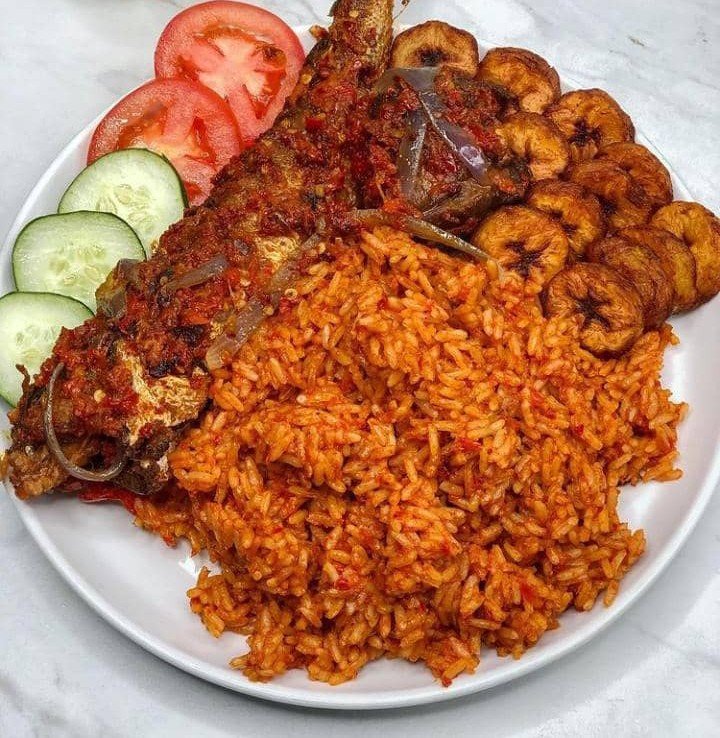
When presented, Jollof rice stands out with its vibrant red or orange hue, a result of the tomatoes, peppers, and spices used in its preparation. This striking coloration can be complemented by the addition of various accompaniments that enhance both flavor and aesthetic appeal. Commonly paired with fried plantains, grilled chicken, or fish, these elements create a contrasting color palette that entices the eye. The arrangement of these components on the plate is crucial; for example, the Jollof rice is often heaped in the center, surrounded by the side dishes, drawing attention to it as the main attraction.
To elevate the experience further, garnishing plays an important role in the overall appearance. Fresh herbs, such as parsley or cilantro, can be sprinkled over the dish, adding a dash of green and a hint of freshness. Additionally, slices of cucumber or tomatoes can be arranged around the plate, enhancing the visual complexity and contributing refreshing flavors. The use of colorful serving ware, such as bright plates or bowls, can also elevate the presentation, making the dish not only taste good but look appetizing as well.
Ultimately, the appearance of Jollof rice dishes is a testament to the culinary artistry involved in their preparation. The combination of vibrant colors and thoughtful arrangement reflects the cultural importance of Jollof rice, making it not just a meal, but a feast for the senses.
Plating Jollof Rice: Art on a Plate
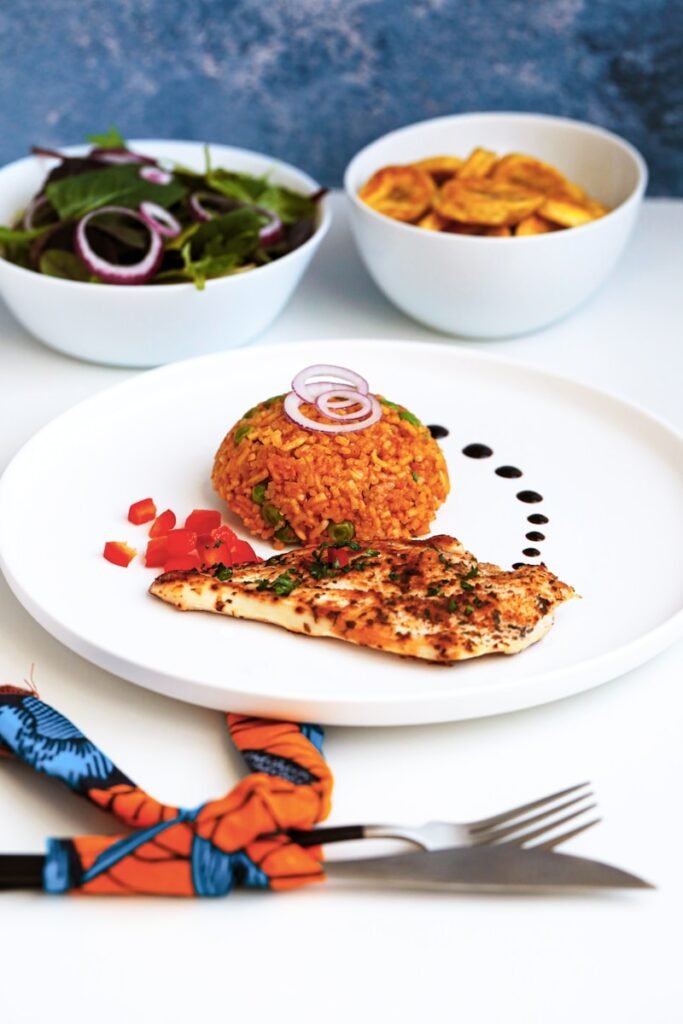
Plating Jollof rice is an essential practice that transcends mere serving; it transforms this beloved dish into an artwork that captivates the senses. Originating from West Africa, Jollof rice is already rich in flavor and history, but the presentation can elevate this dish to new heights, showcasing not only its culinary richness but also its cultural significance. The appearance of Jollof rice can enhance the overall dining experience, making each meal a feast for the eyes as well as the palate.
One popular technique for plating Jollof rice is the use of layering. By carefully stacking the rice with components such as grilled proteins, vegetables, or garnishes, a visually appealing height can be achieved. Utilizing molds can also provide structured shapes, which adds a modern twist to traditional serving styles. This method ensures that each layer is distinct, allowing for a variety of textures and flavors to shine through, embodying the essence of the dish.
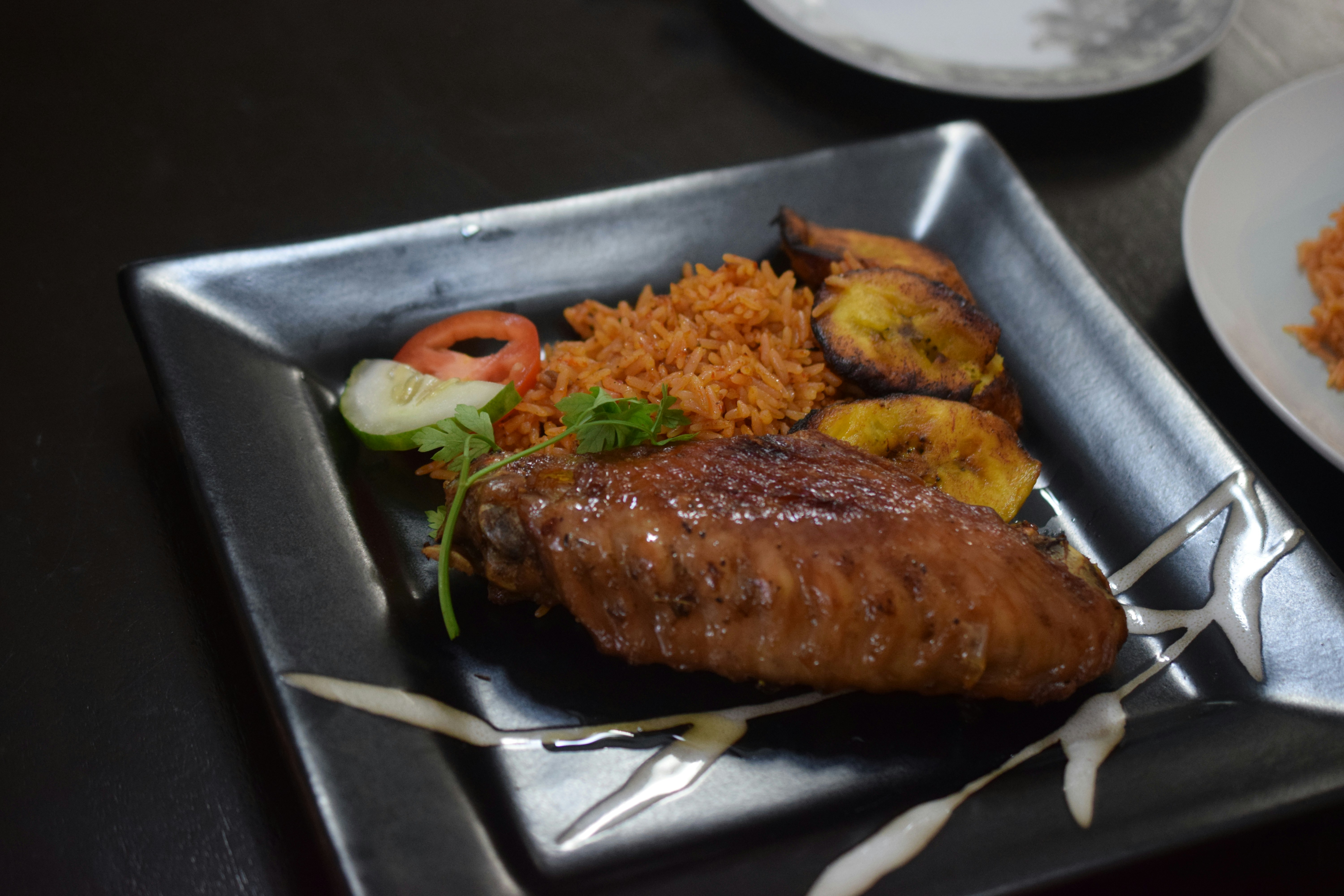
Incorporating vibrant garnishes can further enhance the aesthetic appeal of Jollof rice. Fresh herbs like cilantro or parsley, along with colorful peppers and onions, can create not only a burst of color but also an inviting aroma that enriches the dining experience. Consider pairing the dish with complementary items such as plantains or spicy chicken wings artfully arranged around it, thus creating a harmonious balance that celebrates the bold flavors inherent in Jollof rice.
Moreover, using contemporary plating techniques—such as splashing or drizzling sauces around the plate—can offer an artistic flair that resonates with modern culinary trends. The goal is to honor the dish’s rich heritage while simultaneously embracing the innovations of contemporary cuisine. By emphasizing the beauty of Jollof rice through thoughtful plating, one can create a culinary masterpiece that leaves a lasting impression on all who partake.
Jollof Rice Variations Across West Africa

Jollof rice, a beloved dish across West Africa, showcases a rich array of regional differences that highlight the unique cultural practices and culinary artistry of each nation. The adaptations of this dish vary not only in taste but also in preparation techniques and core ingredients. Notable players in the contest for Jollof supremacy include Nigeria, Ghana, and Senegal, each contributing its distinct flavor profile and cooking methods.
In Nigeria, Jollof rice is often characterized by the bold use of spices. This version typically includes tomatoes, onions, and a plethora of seasonings like thyme, curry powder, and bay leaves, creating a distinctive earthy flavor. Nigerian cooks may prepare their Jollof by using parboiled rice, which they then cook in a richly flavored tomato sauce before serving with proteins such as chicken or fish. The emphasis on achieving a smoky flavor, often from cooking over an open flame, further sets this variant apart.
Conversely, Ghanaian Jollof rice is celebrated for its simplicity and relies heavily on local ingredients, including long-grain rice and a tantalizing blend of tomatoes, onions, and bell peppers. The dish is cherished for its slightly sweeter flavor, stemming from the use of ripe tomatoes, and is often accompanied by fried plantains or barbecued meat. The preparation method, which includes a one-pot cooking technique, reflects the communal culture of Ghana, where meals are often shared among family and friends.
Meanwhile, Senegal lays claim to an origin story for Jollof rice with its traditional version, known as ‘ceebu jën.’ This version incorporates fish, vegetables, and a variety of seasonings, highlighting the country’s maritime heritage. It often employs a combination of rice and a blend of local vegetables to create a hearty meal that serves as a communal centerpiece. Each country not only celebrates the shared heritage of Jollof rice but also exemplifies its cultural identity through these adaptations, ensuring the dish remains an integral part of West African culinary history.
Conclusion: The Legacy of Jollof Rice
Throughout the ages, Jollof rice has transcended its status as merely a beloved dish, evolving into a potent cultural icon that resonates deeply within the societies of West Africa. This remarkable culinary creation embodies the rich tapestry of history, tradition, and communal bonding that is integral to the region’s identity. From its origins traced back to the Senegambian jollof, the dish has undergone various adaptations, enriching itself with diverse influences that reflect the historical movements and interactions of peoples across the continent.
As we explored, Jollof rice is not just a meal; it’s a vessel of storytelling that speaks to the cultural heritage of West Africa. Each family and region brings its unique touch to the recipe, resulting in vibrant variations that showcase local ingredients and cooking techniques. The competitive spirit surrounding Jollof rice, exemplified in frequent ‘Jollof rice competitions,’ further cements its role as a unifying force within communities. These events highlight the pride and creativity that individuals invest in perfecting this legendary dish, spotlighting its significance beyond a culinary delight.
In today’s globalized world, Jollof rice continues to carve out a significant niche, gaining recognition beyond its traditional domains. The rising interest in African cuisine and cultural heritage offers an opportunity to celebrate and preserve this treasured dish for future generations. As enthusiasts embrace the idea of sharing meals and stories over a plate of Jollof rice, this beloved dish serves as a reminder of the importance of culinary traditions in fostering unity, identity, and cultural pride. The legacy of Jollof rice is undoubtedly set to flourish, both in homes across West Africa and in kitchens around the globe, keeping the spirit of this iconic dish alive for many years to come.