
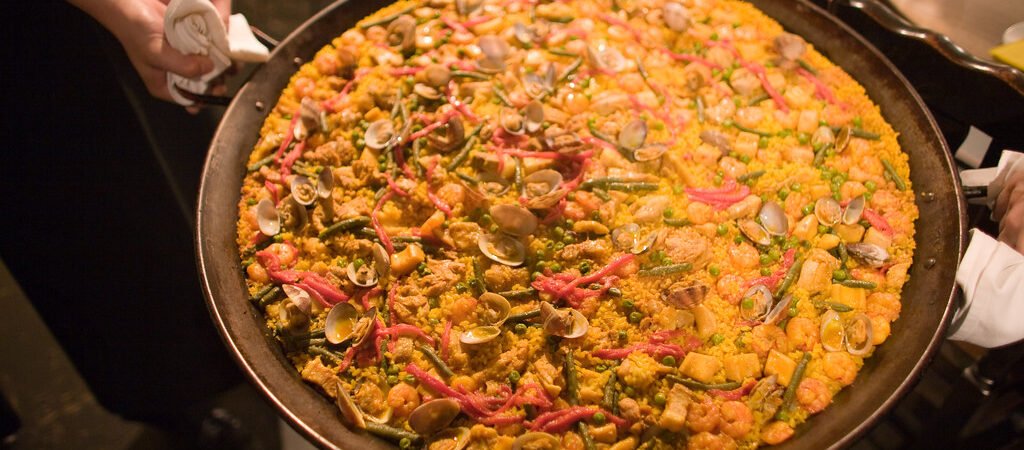
Introduction to Paella
Paella, a quintessential Spanish dish, hails from the region of Valencia and has garnered international acclaim for its distinctive flavors and vibrant colors. Traditionally cooked in a wide, shallow pan, paella’s origins can be traced back to the mid-19th century when it was a humble meal prepared by farmers and laborers. These early versions were often crafted from ingredients sourced locally, including rice, vegetables, snails, and various proteins, highlighting the communal aspect of meals in Spanish culture.
The name “paella” itself derives from the Old French word “paelle” for pan, emphasizing the significance of the cooking vessel. Over time, this dish evolved, and today, it encompasses numerous variations that reflect the diverse culinary traditions across Spain. For instance, seafood paella, rich with fresh fish and shellfish, is prevalent in coastal regions, while meat-based versions, featuring chicken and rabbit, are favored in inland areas. Each regional interpretation showcases the unique ingredients and flavors that define that locality.
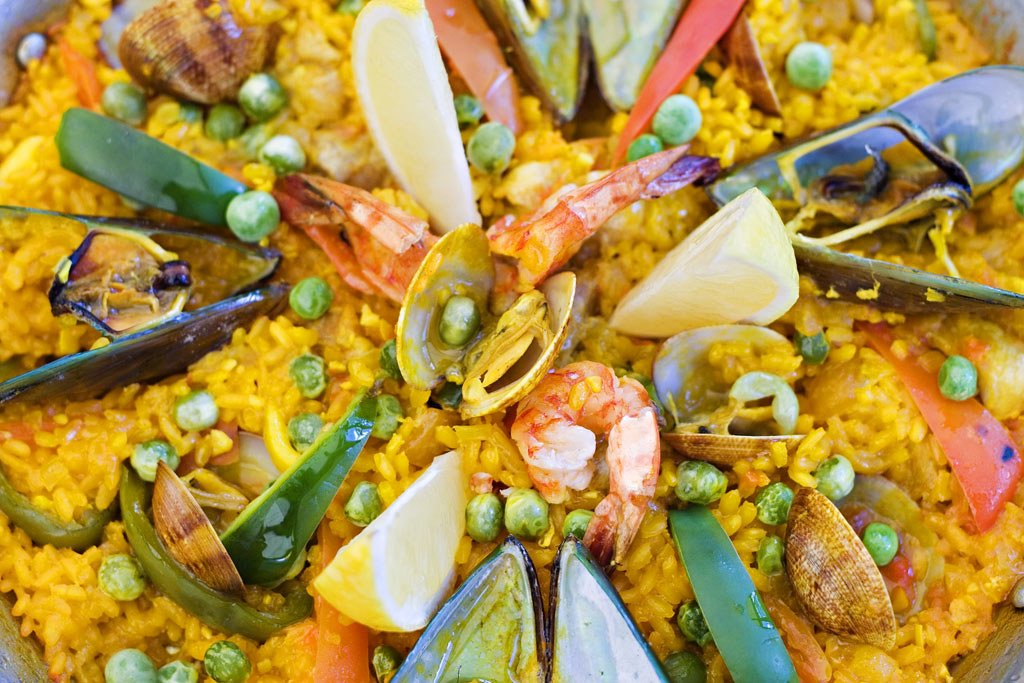
Traditionally, the primary ingredients of paella include short-grain rice, such as Bomba or Calasparra, which is known for its ability to absorb flavors without becoming mushy. Saffron, a prized spice, imparts the iconic golden hue and earthy aroma that characterizes this dish. Additionally, vegetables like green beans, bell peppers, and peas, along with various meats, enhance the dish’s richness. The flexibility in ingredient selection makes paella a favorite for home cooks, enabling them to create their own personalized variations while experiencing the essence of Spanish cuisine.
Ingredients Needed for Your Paella
To prepare an authentic Spanish paella, it’s essential to gather a range of ingredients. This dish is highly versatile, allowing you to adapt it based on your preferences and local availability. The core components of a basic paella include:
- Rice: The best choice for paella is a short-grain rice variety, such as Bomba or Calasparra, which absorbs flavors well and maintains its texture.
- Broth: A good quality chicken or seafood broth is crucial. Homemade broth can enhance the flavor, but store-bought options work just as well.
- Proteins: Common choices include chicken, rabbit, or seafood, such as shrimp, mussels, or squid. You may select one type or combine several for added flavor.
- Vegetables: Typical vegetables used in paella include bell peppers, tomatoes, peas, and green beans. These add color and freshness to the dish.
- Saffron: This spice is vital for achieving the characteristic yellow color and unique taste of traditional paella. Although it can be pricey, only a small amount is needed to make an impact.
- Olive Oil: High-quality extra virgin olive oil is preferred for sautéing the ingredients. It contributes to the overall flavor profile of the dish.
- Garlic and Onion: These aromatics are used to enhance the base flavor of your paella, providing depth to the dish.
In addition to these core components, various optional ingredients can elevate your paella, including chorizo, artichokes, or herbs like rosemary and parsley. The beauty of paella lies in its adaptability, allowing beginners to get creative while using ingredients available at their local markets. Experimenting with different combinations can lead to a personalized version of this classic Spanish meal.
Step-by-Step Cooking Instructions
To master the art of making paella, one must follow a systematic approach that includes preparation, cooking, and serving. Begin by gathering all the necessary ingredients: short-grain rice (preferably Bomba or Calasparra), saffron, a mix of seafood and proteins such as chicken, shrimp, and chorizo, bell peppers, peas, and vegetable or chicken broth. Don’t forget olive oil, garlic, and a pinch of salt. Having everything in place ensures a smooth cooking process.
Start by heating a large, shallow pan (traditionally a paellera) over medium heat. Add a generous amount of olive oil to the pan. Once heated, add diced chicken and chorizo to the pan, cooking until both are browned evenly. This step adds a depth of flavor essential for authentic paella. Following this, incorporate chopped onions and bell peppers into the pan, allowing them to soften for about five minutes.
Next, add minced garlic along with the rice. Stir the mixture gently for 1-2 minutes, ensuring the rice is well coated with oil and absorbs the flavors from the meats and vegetables. The focus here is on toasting the rice slightly, which enhances its texture. Immediately after, pour in the broth and sprinkle the saffron, allowing it to infuse its vibrant color and unique flavor into the dish. Ensure the liquid is enough to cover the rice completely.
Do not stir the rice once the broth is added, as this will affect the formation of a flavorful crust at the bottom, known as socarrat. Let it simmer for approximately 20 minutes, reducing the heat as necessary to maintain a steady simmer. After 15 minutes, add the seafood and peas, distributing them evenly.
Finally, when the liquid is absorbed and the rice is tender, remove the pan from heat and let it rest for about five minutes covered with a cloth. This resting period allows the flavors to meld together perfectly. To serve, garnish with fresh lemon wedges and enjoy your homemade paella, a delightful Spanish meal made effortlessly at home.
Tips and Tricks for a Perfect Paella
Creating a delicious paella is an art that can be perfected with some helpful tips and tricks. One of the keys to a great paella lies in the rice; using a short-grain rice, such as Bomba or Calasparra, will yield the best texture and absorb the flavors effectively. Ensuring the rice is uniformly spread out in the pan rather than stirred after adding the liquid is crucial for achieving the classic socarrat, the crispy bottom layer that defines authentic paella.
Customization is encouraged in paella-making. While traditional recipes often call for seafood, chicken, or rabbit, feel free to explore various proteins or even plant-based alternatives to suit your dietary preferences. Incorporating seasonal vegetables not only enhances the dish’s color and nutrition but also adds a personal touch. For instance, adding peas, green beans, or artichokes can elevate your dish’s flavor profile.
Common mistakes include overcrowding the pan and using too much liquid. Adhere to the recommended rice-to-liquid ratio of approximately 1:2, and avoid adding extra broth once the rice has begun cooking. Also, be cautious of high heat as it can lead to burnt rice or uneven cooking. Instead, maintain a consistent medium heat throughout the cooking process.
When it comes to side dishes, a well-prepared paella pairs beautifully with a simple green salad dressed in olive oil and vinegar. Additionally, serving a side of garlic mayonnaise can add a delightful creaminess to complement the robust flavors of the paella. Finally, consider a chilled glass of Spanish white wine or a refreshing sangria to enhance the overall dining experience.