
Introduction to Colcannon: History and Significance
Colcannon, a traditional Irish dish, has a rich and fascinating history that intertwines with the cultural fabric of Ireland. Its origins can be traced back to the 17th century when the dish was primarily composed of mashed potatoes mixed with various ingredients such as kale or cabbage. The name ‘colcannon’ is derived from the Irish word ‘cinnenn’ which means ‘white-headed’ and likely refers to the prominent leaf variety used in the dish.
Over the years, colcannon has become a staple in Irish households, symbolizing comfort and togetherness. The dish is particularly celebrated during the festival of Samhain, which marks the end of the harvest season and the beginning of winter. On Halloween night, families traditionally prepare colcannon as part of their festive meal. As an expression of Irish heritage, colcannon serves as a reminder of the agrarian roots of the country, where potatoes were a fundamental component of the diet.
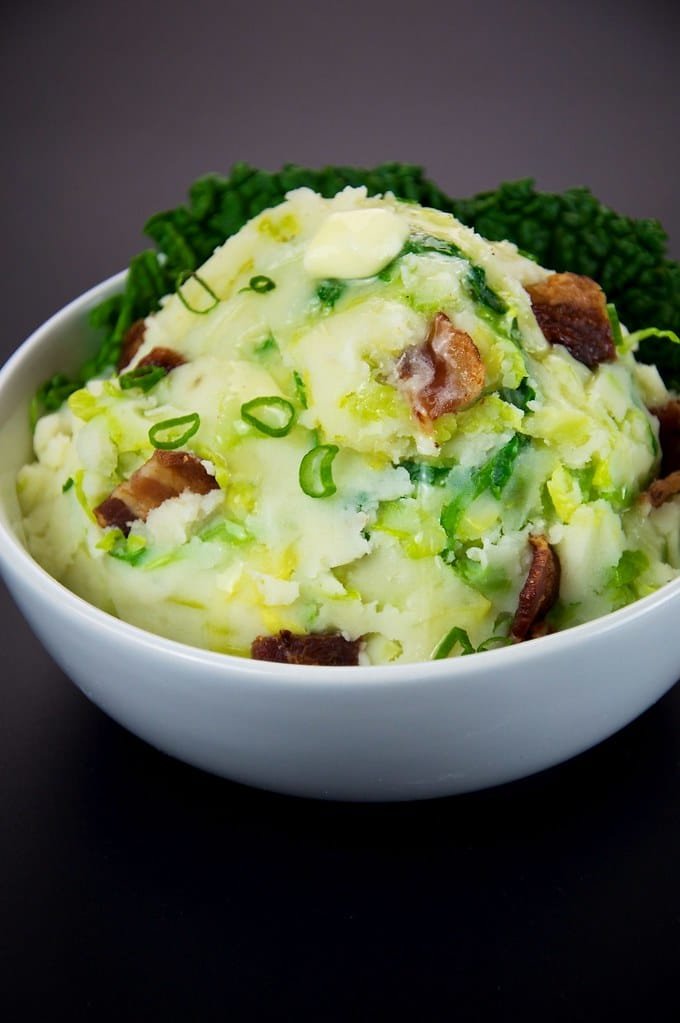
The ingredients in colcannon may vary regionally and seasonally, reflecting the local produce available. While the core components remain as potatoes and greens, variations may include additions like butter, cream, or even scallions. This adaptability showcases the dish’s evolution through time, as families have personalized their recipes according to taste and tradition.
The cultural significance of colcannon extends beyond mere sustenance; it represents a heartfelt connection among generations. As families gather to partake in this beloved dish, they are not only sharing food but also preserving a piece of their heritage. In contemporary Ireland, colcannon remains a beloved comfort food enjoyed by many, ensuring the dish’s legacy endures.
Selecting Ingredients: The Essential Components of Colcannon
To create authentic colcannon, selecting the right ingredients is crucial. The main components include potatoes, cabbage or kale, and various seasonings that elevate the dish’s flavor profile. Choosing the best potatoes is fundamental; for mashing, varieties such as Russet or Yukon Gold are commonly recommended. They possess a starchy texture that results in a creamy and fluffy mash, making them ideal for this traditional Irish dish.
Alongside potatoes, incorporating fresh cabbage or kale is essential for achieving the characteristic taste of colcannon. When selecting cabbage, look for heads that are firm and heavy for their size, indicating freshness. For kale, choose vibrant green leaves without any signs of wilting or browning. These leafy vegetables not only add flavor but also provide a nutritious aspect to the dish.
Seasonings play a vital role in enhancing the overall taste of colcannon. Common options include salt and pepper, which provide a basic foundation of flavor. Additionally, incorporating scallions (spring onions) can offer a mild onion flavor that complements the creaminess of the potatoes. If a richer taste is desired, adding butter or cream can greatly enhance the texture and flavor. Optional ingredients such as bacon or chives can also be included, catering to personal preferences while paying homage to traditional recipes.
When sourcing ingredients, prioritize quality to ensure the best outcome for your colcannon. Whenever possible, opt for locally sourced, seasonal vegetables as they are often fresher and more flavorful. Making thoughtful choices can elevate a simple colcannon dish into a delightful culinary experience, celebrating the essence of this cherished recipe.
Step-by-Step Cooking Instructions: How to Make Colcannon
To create a delicious colcannon, start by gathering the necessary ingredients: potatoes, kale or cabbage, butter, milk, and green onions. Begin by peeling and chopping about two pounds of potatoes into even chunks. This ensures consistent cooking. Place the potatoes in a large pot, and cover them with cold water, adding a generous pinch of salt. Bring the water to a boil over high heat and then reduce to a simmer. Cook the potatoes for approximately 15-20 minutes or until they are fork-tender.
While the potatoes are boiling, prepare the greens. Rinse and chop approximately one cup of kale or cabbage and set it aside. In a separate pan, heat two tablespoons of butter over medium heat. Once melted, add the chopped greens along with a pinch of salt and sauté for about 5-7 minutes, or until the greens are tender and bright in color. If desired, you can also stir in finely chopped green onions during the last minute of cooking for added flavor.
Once the potatoes are done, drain them and return them to the pot. Begin mashing the potatoes using a potato masher or ricer to achieve a smooth consistency. Gradually add in half a cup of warm milk, along with the sautéed greens and a few additional tablespoons of butter. Mix well until all ingredients are combined, and adjust the texture by adding more milk if necessary. It is important to maintain a creamy texture without making the mixture too runny.
Taste the colcannon and season with salt and pepper to your preference. Serve the dish while hot, making a small well in the center and adding a pat of butter for an authentic touch. This traditional Irish colcannon can be accompanied by meats or enjoyed on its own, providing a filling and flavorful meal.
Serving Suggestions and Variations: Enjoying Colcannon Your Way
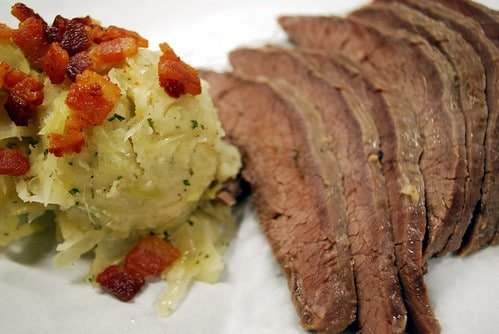
Colcannon, a traditional Irish dish made from mashed potatoes and cabbage or kale, offers versatility in both preparation and presentation, making it a delightful addition to various meals. To enjoy colcannon to its fullest, consider serving it alongside complementary dishes. Classic pairings include grilled sausages, corned beef, or a hearty bacon joint, which enhance the flavor profile and provide a satisfying meal. For a vegetarian option, consider serving colcannon with a baked portobello mushroom or sautéed mushrooms, adding a savory richness that contrasts beautifully with the creamy potatoes.
Beverage choices can greatly influence the dining experience when enjoying colcannon. A pint of rich Irish stout or a crisp cider can underscore the dish’s flavors and provide a refreshing balance. For those looking for a non-alcoholic option, a light sparkling water or herbal tea can complement the meal well without overpowering it.
Experimentation can transform this traditional dish into personal favorites. Consider incorporating variations to the standard recipe by adding ingredients such as leeks, scallions, or various herbs and spices. These additions not only amplify the flavor but also allow for a unique twist on this classic comfort food. For an even richer taste, consider mixing in cheese, such as cheddar or gruyere, for a creamy texture that elevates the dish.
Storing leftover colcannon is simple; it can be refrigerated in an airtight container for up to three days. When reheating, it is best to use low heat on the stove, stirring occasionally to maintain its creamy consistency. Alternatively, placing it in the microwave will yield results, but be sure to add a splash of milk or cream to preserve moisture. By employing these storage tips and serving suggestions, colcannon can easily remain a delightful part of your culinary repertoire.