
Understanding Jerk Chicken: Origins and Ingredients
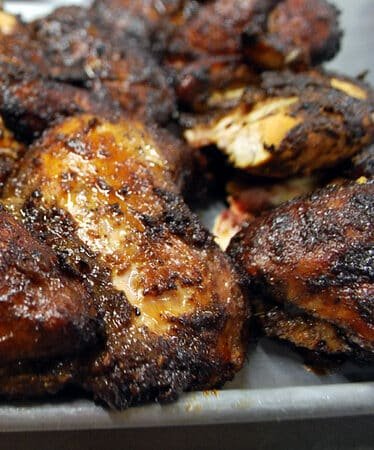
Jerk chicken is a traditional Jamaican dish that has garnered international acclaim for its distinctive flavor and zesty seasoning. The origins of jerk cooking can be traced back to the Maroons, runaway slaves who combined indigenous cooking techniques with the spices and cooking methods of their African heritage. This method was developed primarily in Jamaica, where it became a vital aspect of local culinary culture.
The unique flavor of jerk chicken is primarily attributed to the marinade and spice rub known as jerk seasoning. At the heart of this traditional seasoning are Scotch bonnet peppers, which provide the dish with its distinctive heat and depth. These vibrant peppers are not only integral for their spiciness but also contribute to the profile of authentic jerk cuisine. Additionally, allspice, known as pimento in Jamaica, plays a crucial role in the seasoning blend, adding warm, aromatic notes that harmonize beautifully with the peppery heat.
Thyme is another essential ingredient that enhances the jerk chicken’s flavor. This herb imparts an earthy freshness that balances the robust spices and aromatic profile. Other common ingredients in jerk seasoning include garlic, ginger, and various types of onion, which together create a complex, multi-layered taste experience. Regional variations of jerk chicken exist across Jamaica and the Caribbean, reflecting local tastes and available ingredients. For instance, certain areas may incorporate additional spices, or they may adapt cooking methods to suit specific traditions or preferences.
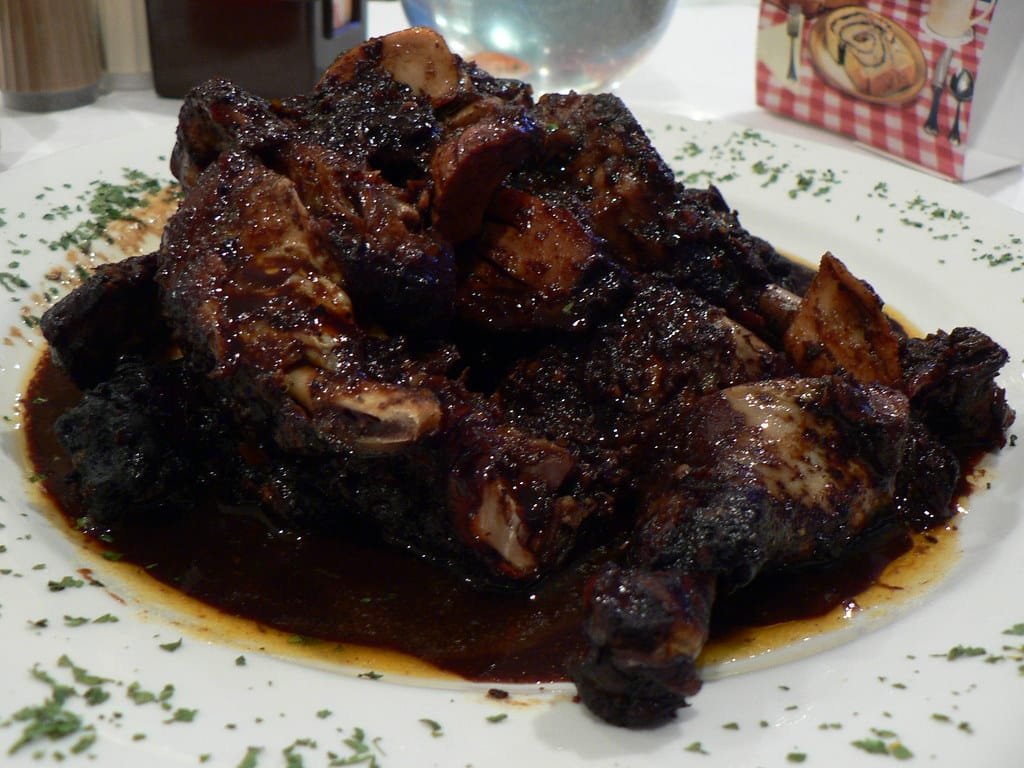
Overall, understanding the origins and ingredients of jerk chicken is fundamental to appreciating its cultural significance and the unique culinary artistry that it represents. The dish has evolved, transcending its roots to become a beloved delicacy enjoyed worldwide, celebrated for its bold flavors and rich history.
The Marinade: Crafting the Perfect Jerk Sauce
Creating an authentic jerk marinade is an art form that captures the rich flavors of Jamaican culture. At the heart of this marinade are the fresh ingredients that contribute to the distinct taste of jerk chicken. To begin, gather the essential components: scallions, garlic, ginger, thyme, scotch bonnet peppers, allspice, cinnamon, nutmeg, soy sauce, and vinegar. Each ingredient plays a crucial role in achieving the perfect balance of heat and flavor.
Start by blending together the scallions, garlic, ginger, and herbs in a food processor until finely chopped. Next, add the scotch bonnet peppers, which are renowned for their fiery kick. Adjust the quantity based on your heat tolerance; a single pepper can dramatically affect the spiciness of the jerk sauce. Incorporate the allspice and other spices into the mixture, which will provide depth and a characteristic warmth. Incorporating soy sauce and vinegar will not only enhance flavor but also assist in tenderizing the chicken.
A crucial step in marinating is allowing the mixture to rest to develop its flavors fully. After blending, transfer the marinade to a bowl and let it sit for at least 30 minutes. This resting period will allow the ingredients to meld, creating a more cohesive and vibrant jerk sauce.
When marinating the chicken, ensure that each piece is generously coated in the sauce. It is recommended to marinate the chicken for at least four to six hours; however, overnight marination is ideal. This extended marination time allows the flavors to penetrate deeply into the meat, resulting in tender and flavorful jerk chicken. Cover the chicken with plastic wrap and refrigerate it during this time to maintain the freshness of the ingredients. By following these guidelines, you will craft a jerk marinade that truly embodies the essence of authentic jerk chicken.
Cooking Methods: Grilling, Baking, and Beyond
When it comes to preparing authentic jerk chicken, the cooking method plays a crucial role in achieving the desired flavor and texture. Traditionally, jerk chicken is grilled over pimento wood, which infuses the meat with a distinct smoky flavor that is quintessential to this Jamaican dish. Grilling allows the fat to drip away, resulting in juicy chicken with minimal drying out. Additionally, the high heat from the grill creates appealing char marks, enhancing both the visual and taste experience.
For those who may not have access to a grill, baking is a viable alternative that can also yield delicious results. When baking jerk chicken, it is recommended to preheat the oven to around 375°F (190°C). Placing the chicken on a wire rack over a baking sheet can help air circulate while the chicken cooks, allowing it to remain moist. Bake the chicken for approximately 45 to 60 minutes, depending on the size of the pieces, ensuring the internal temperature reaches 165°F (74°C) for food safety.
Another method worth mentioning is the use of a slow cooker, which allows the chicken to marinate in the spices gradually. This method requires less attention but may not impart the same level of crispness or smokiness as grilling or baking. For optimal flavor, consider searing the chicken briefly in a hot skillet before transferring it to the slow cooker.
Regardless of the method chosen, key tips for maintaining a rich, smoky flavor include incorporating marinating time, utilizing a spice rub, and considering the use of wood chips or liquid smoke for baking. Each cooking technique has its pros and cons, but with careful attention to temperature and timing, achieving perfectly cooked jerk chicken is entirely possible in the comfort of your home.
Serving and Enjoying Jerk Chicken: Traditional Pairings and Modern Twists
Authentic jerk chicken is not only a culinary delight but also an integral part of Jamaican culture, often served at gatherings, celebrations, and family dinners. When it comes to serving jerk chicken, traditional pairings can enhance its rich flavors. A classic accompaniment is rice and peas, which comprises rice cooked with kidney beans and flavored with coconut milk and spices. This dish provides a creamy balance to the spicy, smoky notes of the jerk chicken.
Another popular side dish is coleslaw, which offers a refreshing crunch and a touch of sweetness to temper the heat of the jerk seasoning. Additionally, fried plantains, either sweet or savory, can be added to the plate, providing a satisfying contrast to the spicy chicken. These components collectively create a well-rounded meal that relishes the vibrant tastes of Jamaican cuisine.
While maintaining traditional side dishes pays homage to authentic preparation, contemporary twists on jerk chicken presentations can cater to diverse palates and occasions. For instance, serving jerk chicken in wraps with fresh vegetables, avocado, and a drizzle of tangy sauce can make for a delectable lunch option. Alternatively, combining shredded jerk chicken into a salad topped with mango and citrus vinaigrette can transform it into a light and healthy dinner choice.
Moreover, for barbecue enthusiasts, jerk chicken can be part of a larger platter alongside grilled vegetables, cornbread, and various dipping sauces, appealing to both the traditionalist and the modern guest. By exploring these serving ideas, one can turn the experience of enjoying jerk chicken into a memorable culinary event. Whether adhering to traditional pairings or experimenting with novel approaches, the versatility of jerk chicken allows it to shine as a centerpiece within diverse dining settings.