
Introduction to Ratatouille
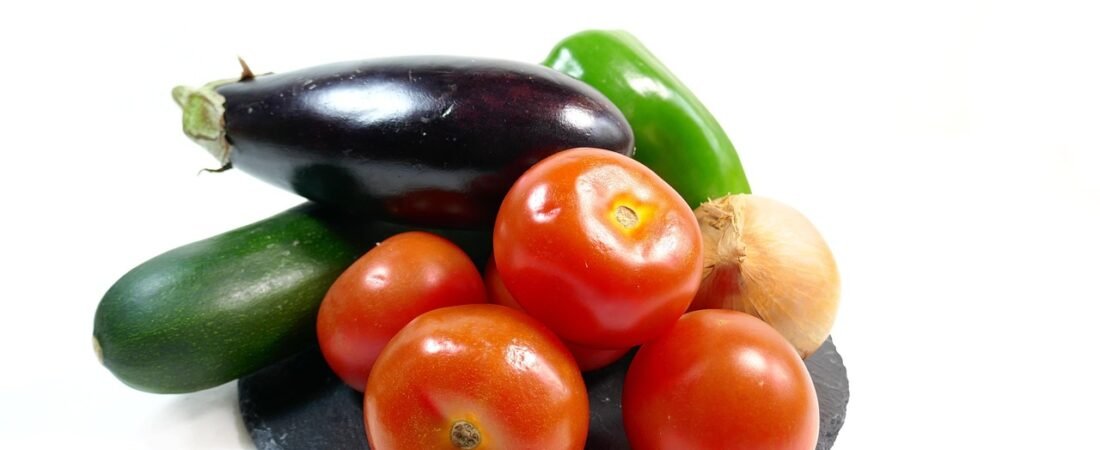
Ratatouille is a traditional French dish that has become synonymous with Provençal cuisine. Originating from the region of Provence in southeastern France, this dish showcases the rich agricultural heritage of the area, emphasizing the use of fresh, seasonal vegetables. What makes ratatouille particularly significant is its adaptability; it serves as a canvas for various vegetables, which are typically grown in abundance during the summer months, including zucchini, eggplant, bell peppers, and tomatoes.
The historical roots of ratatouille can be traced back to the 18th century, where it was primarily a humble peasant dish. It was crafted out of necessity, combining leftover produce that was available to families. Over time, ratatouille evolved from a simple rustic recipe into a refined dish that is now celebrated in French culinary arts, often served as a side or a light main course.
Ratatouille also holds a special place in popular culture, notably represented in various films and media that highlight its visual appeal and cultural significance. One of the most notable mentions is the animated feature film titled “Ratatouille,” released by Pixar in 2007. This film not only introduced a global audience to the dish but also portrayed its essence—creating a masterpiece from simple ingredients. The movie encapsulates the heart of this quintessentially French dish: a celebration of flavor, tradition, and the love of cooking.
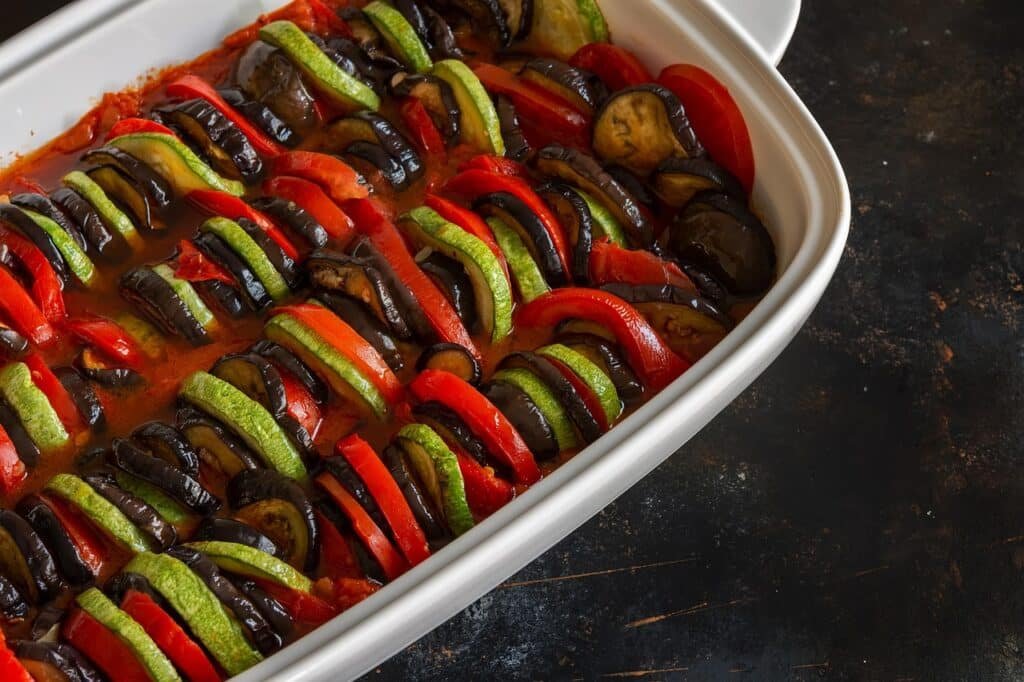
In essence, ratatouille is more than just a meal; it is a reflection of the Mediterranean lifestyle, emphasizing the importance of fresh produce and the joy of preparing meals from locally sourced ingredients. Through its rich history and cultural representations, ratatouille continues to inspire chefs and home cooks alike, making it a timeless staple in culinary traditions.
Essential Ingredients for Ratatouille
Ratatouille is a traditional Provençal dish that celebrates the essence of summer vegetables. The key to achieving an authentic and flavorful ratatouille lies in the selection of essential ingredients. Begin with fresh vegetables such as eggplant, zucchini, bell peppers, tomatoes, and onions. These vegetables not only provide distinct textures but also contribute to the overall depth of flavor in the dish.
When choosing vegetables, prioritize high-quality, seasonal produce. This ensures that your ratatouille will have the best possible taste and nutritional value. For instance, select eggplants that are firm and glossy, while zucchinis should be tender without any blemishes. Bell peppers should be vibrant and crisp, and tomatoes need to be ripe for maximum juiciness. Onions play a fundamental role as they serve as a flavor base, so opt for sweet varieties for a milder taste.
Additionally, you can enhance the dish further with optional ingredients such as garlic, which adds a fragrant layer, and herbs like thyme and basil, which infuse the ratatouille with aromatic notes. Thyme pairs particularly well with the vegetables, bringing forward their earthy flavors, while basil lends a fresh, slightly sweet note that complements the dish beautifully.
Incorporating a medley of these fresh, high-quality ingredients will not only elevate the ratatouille but also ensure that it remains a vibrant and wholesome dish. Keep in mind that the joy of making ratatouille lies not only in the cooking process but also in selecting the freshest ingredients available.
Step-by-Step Preparation Guide
Making ratatouille, a classic Provençal dish, involves a series of steps that highlight fresh vegetables and fragrant herbs. To begin, gather your tools: a sharp knife, a sturdy cutting board, measuring cups, and several bowls to hold the chopped vegetables. You will also need a large skillet or Dutch oven for sautéing and a baking dish if you prefer the oven method.
Start by preparing your vegetables. Ratatouille typically includes eggplant, zucchini, bell peppers, and tomatoes. Wash each vegetable thoroughly under cold water. Using a sharp knife, chop the eggplant into cubes, the zucchini into half-moons, the bell peppers into strips, and the tomatoes into wedges. To enhance the flavors, finely chop some onion and garlic, which are essential aromatics in this recipe.
Heat olive oil in your skillet over medium heat. Begin cooking the onions and garlic first, stirring frequently for about 3-5 minutes, until softened and fragrant. Next, add the diced eggplant, as it takes the longest to cook. Allow the eggplant to sauté for approximately 8 minutes, stirring occasionally, until it becomes tender. This method helps draw out its bitterness.
Once the eggplant is ready, incorporate the bell peppers into the mixture and cook for another 5 minutes. The vibrant colors enhance the dish’s visual appeal while also introducing additional flavors. Afterward, add the zucchini and cook for an additional 4-5 minutes. Lastly, fold in the tomatoes and season with salt, pepper, and fresh herbs such as thyme and basil.
Allow the ratatouille to simmer for about 15-20 minutes, stirring occasionally, ensuring that the flavors meld together beautifully. This is a crucial step that helps develop the dish’s rich taste. Once the vegetables are tender and the sauce thickens, your ratatouille is ready to serve—either warm or at room temperature, making it a versatile dish for any occasion.
Serving and Storing Tips
Ratatouille is a versatile dish that can be served in various ways. Traditionally, it is enjoyed as a side dish, but it also makes a delicious main course, especially when paired with crusty bread, which can be used to soak up the rich flavors of the vegetables. Additionally, serving ratatouille with rice or pasta creates a wholesome meal, allowing the dish’s vibrant tastes to shine. For a lighter option, consider serving it on top of a fresh salad, complementing the cooked flavors with the crispness of raw greens.
When it comes to storing leftovers, it’s important to focus on retaining the dish’s integrity and taste. To properly store ratatouille, allow it to cool to room temperature before transferring it to an airtight container. This will help prevent the growth of bacteria and maintain freshness. Ratatouille can be refrigerated for up to four days; however, for longer storage, consider freezing it. When freezing, use a freezer-safe container, leaving some space at the top for expansion as the dish freezes.
To reheat ratatouille, it is preferable to do so gently. Microwave heating is convenient but may lead to uneven warming; instead, consider reheating on the stovetop over low heat or in an oven preheated to 350°F (175°C) until warmed through. This helps preserve the vegetables’ texture and flavors. Ratatouille’s adaptability extends beyond the dinner plate. It can be repurposed; for example, use it as a topping on pizza for a flavorful twist or as a filling for omelets, introducing a hearty and nutritious breakfast option, thus transforming your leftovers into new culinary creations.