
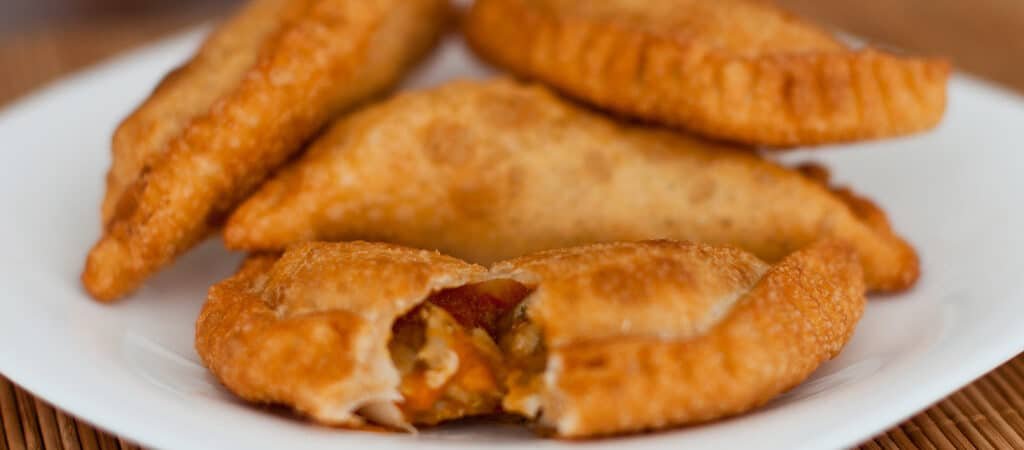
Introduction to Empanadas: A Brief Overview
Empanadas are delightful pastries that have their roots in various culinary traditions, primarily from Spain and Latin America. The word “empanada” derives from the Spanish verb “empanar,” which means to wrap in bread. These versatile pastries have a rich heritage, and their history dates back to the medieval times when they were introduced to the Iberian Peninsula, eventually spreading to Latin American countries through colonization.
What makes empanadas truly unique is their adaptability. They can be made with an array of fillings—including meats, cheeses, vegetables, or fruits—making them a popular choice for any meal or occasion. The dough can also vary; while traditional recipes often call for a simple flour-based pastry, modern variations may include cornbread or whole wheat options. This versatility allows individuals to experiment with different flavor profiles, catering to their personal preferences or dietary restrictions.
Across cultures, empanadas hold various meanings. In Argentina, they are a traditional food enjoyed during national holidays, while in the Philippines, they often appear as a street food delicacy. Countries like Chile, Mexico, and Uruguay have also adapted empanadas to reflect their regional tastes, further showcasing the dish’s global appeal. This broad representation in different cultures emphasizes the significance of empanadas not just as a meal, but as a cultural symbol cherished by many.

For beginners, making empanadas can be an incredibly rewarding culinary experience. By following simple steps and using a variety of flavors, anyone can create these delicious pastries in their own kitchen. This guide aims to equip novice cooks with the knowledge and skills necessary to undertake this exciting cooking project, inviting them to embrace the world of empanadas.
Ingredients and Tools Needed for Making Empanadas
To make delicious empanadas, it is essential to gather a variety of ingredients and tools to ensure a successful cooking experience. The basic dough for empanadas typically requires flour, salt, water, and a fat source, such as butter or shortening. For beginners, a simple recipe can begin with:
- 2 cups of all-purpose flour
- 1/2 teaspoon of salt
- 1/2 cup of unsalted butter, chilled and cubed
- 1/4 to 1/2 cup of cold water
Once the dough is prepared, it’s time to choose filling options. Empanadas can feature a variety of fillings that cater to different tastes. Typical fillings include:
- Meats such as ground beef, shredded chicken, or chorizo
- Cheese varieties including mozzarella or feta
- Vegetable options like spinach, bell peppers, and mushrooms
- Beans and lentils for a vegetarian alternative
Additionally, spices can enhance the flavor of the fillings. Common seasonings include cumin, paprika, garlic powder, and black pepper, which can be adjusted according to personal preference.
Equipping the kitchen with proper tools is equally important for making empanadas. Necessary tools include:
- A mixing bowl for the dough preparation
- A rolling pin to flatten the dough
- A sharp knife or pizza cutter to cut out rounds
- A baking sheet or frying pan, depending on the cooking method
- A pastry brush for applying egg wash
Having these ingredients and tools ready will simplify the process of making empanadas, allowing beginners to follow the recipe confidently and enjoy their culinary experience.
Step-by-Step Instructions to Create Perfect Empanadas
Creating empanadas from scratch is an enjoyable process that beginners can master with a little guidance. To start, gather your ingredients for both the dough and filling. The dough typically requires all-purpose flour, cold water, butter, and salt. For the filling, options like seasoned ground beef, chicken, cheese, or vegetables are popular choices.
First, prepare the dough. In a large mixing bowl, combine two cups of all-purpose flour with a pinch of salt. Add a third of a cup of cold butter, cutting it into the flour until the mixture resembles coarse crumbs. Gradually mix in about half a cup of cold water, stirring until the dough forms. Knead the dough gently on a floured surface for about five minutes. Wrap it in plastic and let it rest for at least 30 minutes, which will make it easier to roll out.
While the dough is resting, focus on the filling. If you choose ground beef, for example, sauté it in a pan over medium heat, adding onions, bell peppers, and spices to enhance the flavor. Once cooked, set the filling aside to cool, as placing hot filling on the dough can make it soggy.
After the dough has rested, divide it into small balls, roughly the size of a tennis ball. Roll each ball out on a floured surface until it reaches a circular shape about a quarter-inch thick. Place a spoonful of filling in the center of each circle. To shape the empanadas, fold the dough over the filling, creating a half-moon shape, and press the edges together firmly. Use a fork to crimp the edges, ensuring a secure seal.
Finally, preheat your oven to 375 degrees Fahrenheit. Place your empanadas on a baking sheet lined with parchment paper. You may brush the tops with an egg wash for a golden finish. Bake for 20 to 25 minutes or until they are golden brown. For the best results, consider letting them cool for a few minutes before serving, which will enhance their flavor and texture.
Serving Suggestions and Variations for Your Empanadas
Empanadas are versatile pastries that can be enjoyed in numerous ways, making them a perfect dish for various occasions. When serving your empanadas, consider pairing them with a range of dips and sides that can enhance their flavor and appeal. Traditional options include chimichurri sauce, a vibrant blend of parsley, garlic, vinegar, and olive oil, which complements the savory essence of meat-filled empanadas. Additionally, a tangy salsa verde or a spicy aioli can add an exciting zest to your meal. If you prefer something creamy, a refreshing tzatziki sauce can serve as a perfect accompaniment.
Besides dips, consider serving your empanadas alongside a simple side salad. A crisp green salad with a light vinaigrette can refresh the palate, contrasting beautifully with the richness of the empanadas. Alternatively, roasted vegetables or a warm quinoa salad can add a hearty aspect to your meal, making it balanced and satisfying.
While traditional empanadas often feature fillings of beef, chicken, or cheese, it is worth exploring creative variations to personalize your dish. Vegetarians can delight in empanadas stuffed with roasted vegetables, mushrooms, or a hearty lentil mixture. Additionally, sweet empanadas filled with fruits such as apples, peaches, or chocolate can be a delightful treat for dessert lovers. Experimenting with combinations like spinach and feta, or even barbecue chicken, can yield delicious results. Try incorporating different spices or herbs into the dough to enhance flavor further.
Encouraging experimentation, beginners should feel empowered to create their unique empanada recipes. The flexibility of fillings, combined with dynamic serving options, ensures that empanadas can cater to diverse taste preferences and dietary needs, making them an enjoyable endeavor for anyone in the kitchen.