
What is Hot Pot?
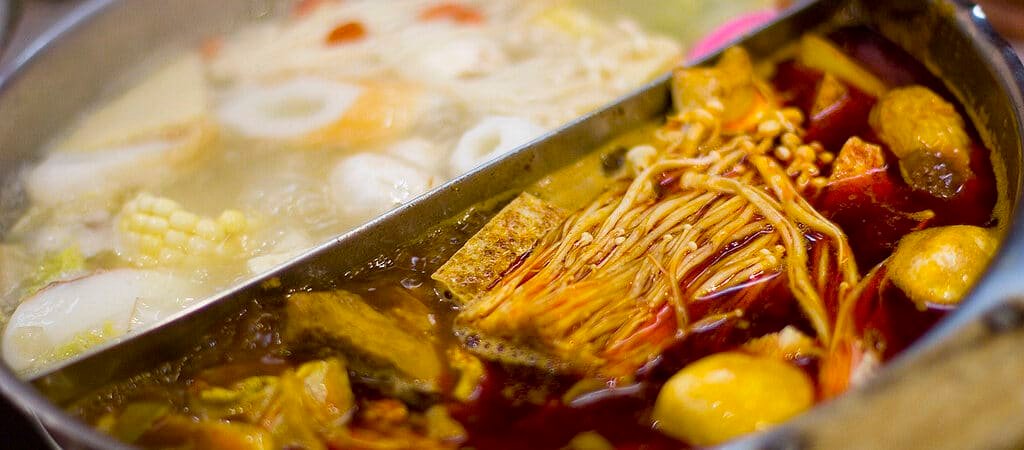
Hot pot is a popular dining tradition that originated in China and has since spread to various regions across Asia, gaining a lot of fans worldwide. At its core, hot pot consists of a simmering pot of broth placed at the center of the dining table. Diners then cook a variety of ingredients such as thinly sliced meats, seafood, vegetables, tofu, and noodles by dipping them into the boiling broth. This method of cooking not only allows for a diverse culinary experience but also fosters a communal atmosphere, making it a cherished social activity.
The history of hot pot can be traced back thousands of years, evolving from simple cooking methods used by nomadic tribes in Mongolia to the complex and varied styles we see today. Each region has its unique twists on hot pot. For example, Sichuan hot pot is known for its spicy, numbing flavors attributed to the liberal use of chili oil and Sichuan peppercorns, while Cantonese hot pot may emphasize lighter broths, allowing the fresh ingredients to shine through.
Moreover, hot pot serves as more than just a means to fuel the body; it embodies cultural significance. In many East Asian societies, sharing a meal in this manner stands as a symbol of togetherness, promoting connection among family and friends. The interactive nature of hot pot dining encourages collaboration as diners select their ingredients, discuss their preferences, and cook together, weaving a tapestry of shared experiences.
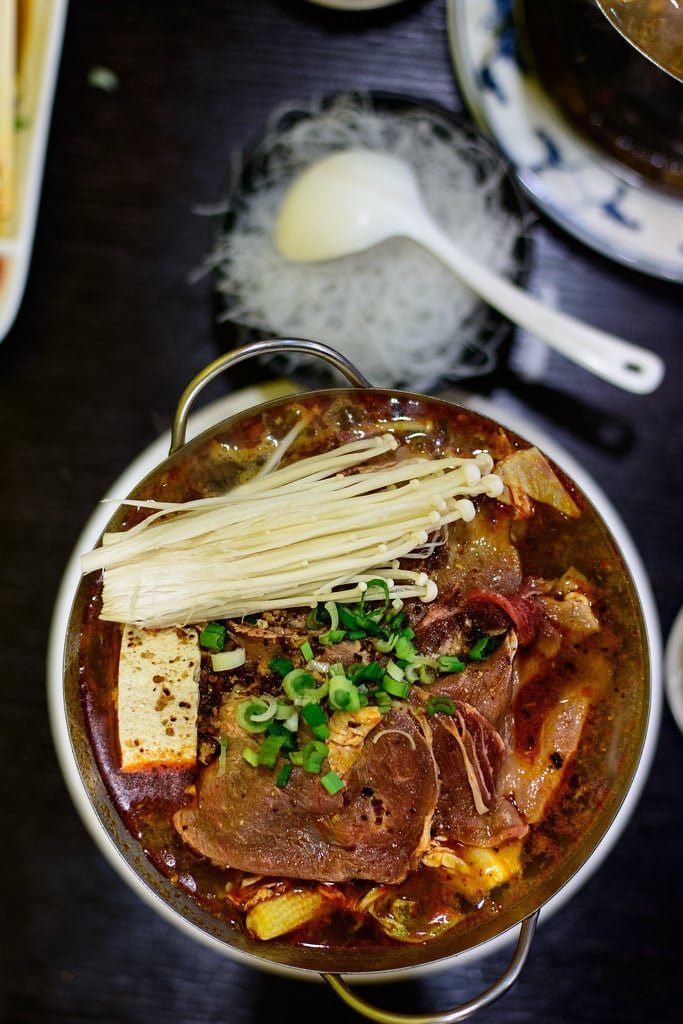
Overall, hot pot is not only a meal but an engaging culinary journey that transcends mere consumption, offering an opportunity for bonding and conviviality among diners. As one explores hot pot, they not only enjoy diverse flavors but also step into a rich cultural tradition that celebrates community.
Essential Tools and Equipment for Hot Pot
Embarking on the delightful journey of hot pot dining necessitates an understanding of the essential tools and equipment that will enhance the experience. At the heart of a hot pot setup is the pot itself; selecting the right hot pot is crucial. Traditional options often include a split pot that allows for dual broths, catering to various taste preferences. On the other hand, electric hot pots provide convenience with adjustable temperature settings, making them suitable for beginners.
In addition to the pot, proper heating sources are fundamental. Electric burners, portable gas stoves, or induction cooktops are commonly used, and they ensure that the broth reaches the desired temperature efficiently. Safety should be a priority when choosing a heat source, as it directly impacts the overall enjoyment of the meal.
Next, one cannot overlook the need for appropriate cooking utensils. Long chopsticks are essential for cooking ingredients in the pot, allowing for safe handling while avoiding burns. Ladles for soup, strainers for retrieving cooked items, and serving plates are also necessary to streamline the process. Depending on cultural variations, some might opt for additional tools like a skimmer or even specialized forks for seafood preparation.
Gathering fresh ingredients is equally vital for a successful hot pot experience. This includes a variety of proteins such as thinly sliced meats, seafood, and plenty of vegetables which are the highlight of the meal. Therefore, preparing a dedicated hot pot station with these tools and ingredients will set the stage for an enjoyable culinary experience that celebrates communal dining.
Must-Try Ingredients for Your Hot Pot
Hot pot is a delightful culinary experience that revolves around a shared pot of simmering broth, where diners cook their chosen ingredients right at the table. A key aspect of this dish is the variety of ingredients that can be used, which can significantly enhance the overall flavor and enjoyment of the meal. Understanding the types of proteins, vegetables, noodles, and sauces will help you create a rich and varied hot pot experience.
When it comes to proteins, there is a vast array to choose from. Common meat options include thinly sliced beef, lamb, and pork. Seafood lovers can opt for shrimp, squid, or fish fillets, providing a fresh and delicate flavor to the broth. For a vegetarian or vegan-friendly hot pot, tofu serves as an excellent protein source. It absorbs the flavors of the broth exceptionally well and adds a satisfying texture.
Alongside proteins, fresh vegetables play a vital role in hot pot. Crisp leafy greens such as bok choy, napa cabbage, and spinach are popular additions. Other vegetables like mushrooms, corn, zucchini, and carrots not only add color and nutrition but also contribute a range of flavors. Noodles are another essential component, with choices like rice noodles, udon, or egg noodles offering their distinct textures and tastes.
Dipping sauces and seasonings deserve special attention as they complement the ingredients beautifully. Popular sauces include sesame oil, soy sauce, and chili paste, which can be mixed with garlic, scallions, or cilantro for a burst of flavor. Some regions put a unique spin on hot pot by introducing specific ingredients like pickled vegetables or special spice mixes, which can alter the profile of the dish altogether.
Selecting fresh ingredients is crucial for achieving the best flavors. Look for vibrant, unblemished vegetables and high-quality proteins that are firm and have a pleasant smell. Investing time in choosing the right ingredients ensures a delightful hot pot experience that reflects both personal tastes and regional traditions.
Tips for a Great Hot Pot Experience
To ensure a wonderful hot pot experience, it is essential to consider a variety of factors that contribute to the overall enjoyment of this communal dining tradition. One critical aspect is understanding the appropriate cooking times for the various ingredients. For instance, thinly sliced meats like beef or lamb typically require only a few seconds to cook, whereas denser vegetables such as potatoes or carrots may need several minutes. Familiarizing yourself with the recommended cooking times for different components will make for a more efficient and enjoyable dining process.
Balancing flavors is another crucial consideration. Hot pot broth can be either mild or intensely flavored, so it is beneficial to have a well-rounded selection of dipping sauces that can complement the elements cooked within the broth. Typical dips might include sesame sauce, soy sauce, or a spicy sauce, which can be mixed with fresh herbs and additional seasonings. Encourage diners to experiment with their combinations, allowing for a personalized touch that enhances the overall experience.
Etiquette also plays a significant role during a hot pot meal. It is common for diners to serve each other, creating a shared atmosphere of enjoyment and cooperation. Make sure to use separate utensils for raw ingredients to maintain hygiene, and offer to refill broth or share additional ingredients with others at the table. Such gestures foster a sense of community, which is at the heart of the hot pot tradition.
Additionally, pairing specific ingredients can elevate your hot pot experience. For example, thin slices of pork can be complemented well with vegetables like mushrooms and leafy greens like bok choy. While exploring variations, consider different broths, ranging from spicy Sichuan to milder herbal options, to please different palates at the table.