

Introduction to Biryani: A Culinary Treasure
Biryani represents one of the most cherished and popular dishes in Indian cuisine, deeply rooted in a rich history that reflects the cultural diversity of the subcontinent. Its origins can be traced back to Persian cuisine, believed to have been brought to the region by travelers and traders. Over time, it has evolved, incorporating local ingredients and cooking techniques, leading to the creation of distinct regional styles.
The journey of biryani across India has given rise to several beloved variants. Among these, the Hyderabadi biryani stands out with its aromatic blend of basmati rice, marinated meat, and a mix of exotic spices. On the other hand, Lucknowi (or Awadhi) biryani offers a more subtle flavor profile, achieved through a slow cooking process known as ‘dum’ cooking, which ensures that the rice and meat are infused with the delicate essence of saffron and spices. Kolkata biryani, unique in its use of potatoes and boiled eggs, showcases yet another dimension of culinary creativity, hinting at the region’s historical influences.
Each biryani type has its own distinctive ingredients that contribute to its unique flavor and texture. The fundamental elements consist of aromatic basmati rice, high-quality meat (often chicken, mutton, or beef), various spices such as cardamom, cloves, and bay leaves, and garnishes like fried onions and fresh herbs. The method of preparation is equally important, and methods such as layering, marinating, and the timing of when to mix ingredients profoundly affect the outcome.
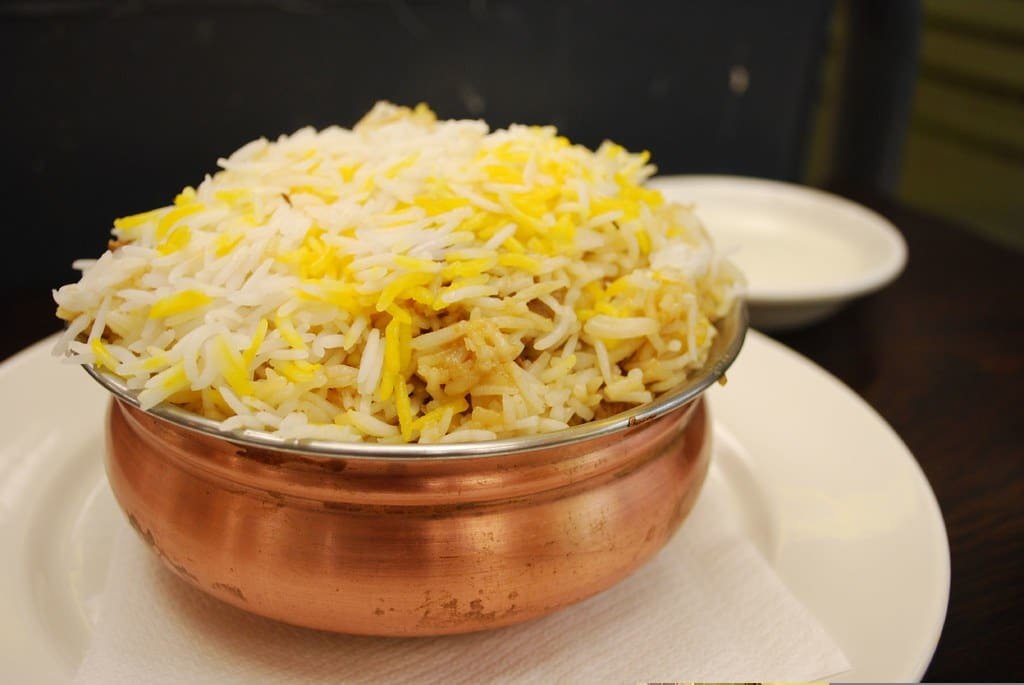
The allure of biryani cannot be understated; it is a dish that not only fills the stomach but also captivates the senses with its vibrant colors and rich aromas. Making biryani at home offers more than just a culinary challenge; it invites an exploration of cultural heritage and culinary artistry, making the cooking experience truly rewarding and enjoyable for enthusiasts.
Essential Ingredients: What You Need for the Perfect Biryani
Creating the perfect biryani at home requires a carefully curated selection of ingredients that contribute to its rich flavor and aroma. At the heart of the dish is the rice, ideally of the long-grain variety such as Basmati. This rice is prized for its delicate texture and ability to absorb flavors. When choosing rice, opt for high-quality brands as they significantly impact the final texture and taste of the biryani.
The next key component is the protein, which can be either meat or vegetables, depending on dietary preferences. Traditional biryani often features chicken, lamb, or goat. However, for a vegetarian version, paneer or a mix of seasonal vegetables works beautifully. It is essential to marinate the protein beforehand using yogurt and spices, as this enhances flavor and tenderness.
Spices are crucial in biryani, with a typical mix including cumin, coriander, cardamom, cloves, and cinnamon. Freshly ground spices are recommended for the best flavor. Additionally, saffron can be used for its distinct color and aroma, though turmeric can serve as a substitute for those seeking a more budget-friendly option.
Herbs and aromatics also play a significant role in biryani. Fresh cilantro and mint not only uplift the dish with freshness but also balance the rich, heavy flavors of the meat or vegetables. Onions, sautéed until golden brown, provide a sweet depth of flavor and should not be overlooked when preparing biryani.
Finally, sourcing the freshest ingredients is vital for achieving a vibrant, flavorful biryani. Local markets often offer seasonal vegetables and aromatic herbs, while specialty stores may carry a broader selection of quality spices needed for this dish. By ensuring that each ingredient is of the highest quality, you set the stage for a truly exceptional biryani experience.
Step-by-Step Cooking Process: From Start to Finish
Preparing the perfect biryani requires a meticulous approach that involves several steps, ensuring that every element contributes to the dish’s rich flavor and texture. First, begin with selecting high-quality ingredients. Choose long-grain basmati rice for its aroma and fluffiness. Rinse the rice under cold water until the water runs clear, then soak it for 30 minutes. This step ensures the grains remain separate once cooked.
Next, prepare the meat, which can be chicken, mutton, or any protein of choice. Marinate the meat in yogurt, garlic, ginger, and various spices—such as cumin, coriander, and garam masala—for at least one hour, but preferably overnight. This process allows the flavors to penetrate deeply into the meat.
Now, it’s time to parboil the rice. In a large pot, bring water to a boil, add salt, and then the soaked rice. Cook the rice for approximately 5-7 minutes, allowing it to achieve a half-cooked consistency. Drain the rice and set it aside.
In a separate pot, start layering the biryani. Begin with a layer of the marinated meat, followed by a layer of the parboiled rice. Incorporate fried onions, mint, and coriander leaves between the layers for added flavor. Repeat this process until all ingredients are used.
For cooking methods, you may choose the Dum technique, which involves sealing the pot with dough or a tight lid, allowing for slow cooking to develop deep flavors. Alternatively, a stovetop method exists where you can cook the biryani with low heat, adding water only if necessary to prevent burning. Ensure to monitor the biryani closely during this time.
Finally, once the rice reaches a fluffy consistency and the meat is tender, gently mix the layers from the bottom using a fork. This movement preserves the integrity of the rice grains while ensuring an even distribution of flavors. With these steps, your homemade biryani is ready to be served, showcasing all the rich textures and aromas that characterize this classic dish.
Serving Suggestions and Variations: Elevate Your Biryani Experience
To truly appreciate the richness of biryani, serving it correctly is essential. Typically, biryani is accompanied by cooling side dishes that balance its spices. Raita, made from yogurt and complemented with cucumber, mint, or boondi, serves as an excellent partner, providing a refreshing contrast to the flavorful rice and meat. Alongside, a simple salad of fresh cucumbers, tomatoes, and onions can offer a crunchy texture, enhancing the overall dining experience. For those who prefer a more robust accompaniment, a light curry or a spiced gravy can elevate the dish to new heights, wrapping the palate in a tapestry of flavors.
As biryani is a versatile dish with roots in many cultures, there are numerous variations to explore. Traditional meat biryanis often use chicken, lamb, or beef, each bringing its profile and essence. For those following a vegetarian lifestyle, options abound such as vegetable biryani, which can seamlessly blend various seasonal vegetables with delightful spices. Creative cooks may also consider biryani variations that incorporate seafood, bringing forth unique flavors characteristic of coastal culinary traditions.
Additionally, hybrid styles like the Indo-Chinese biryani have permeated international borders, merging different cooking philosophies. Experiments with quinoa or brown rice offer healthier alternatives, inviting a broader audience to enjoy this cherished dish. Each bite becomes a canvas on which one can paint a personal interpretation of biryani, making it a dish that reflects individual preferences.
While exploring different variations, it is worth keeping in mind the cultural practices surrounding biryani. In many cultures, biryani is not just a meal; it is a celebration, often served on special occasions or festive gatherings. This communal aspect can enhance the biryani experience, allowing one to share and enjoy this dish with family and friends.