
Understanding Pad Thai: A Culinary Overview
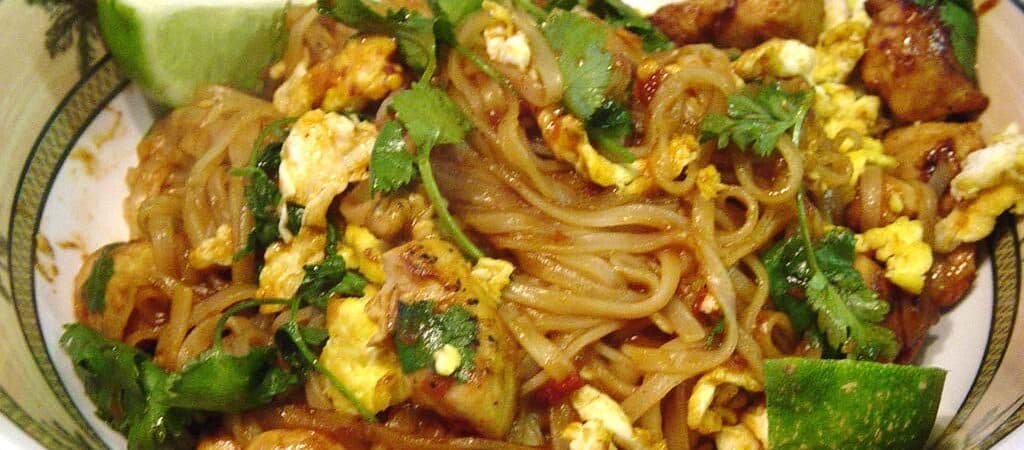
Pad Thai is a quintessential dish of Thai cuisine that has gained worldwide popularity, appreciated for its delightful combination of flavors and textures. The history of Pad Thai dates back to the 1930s, when it was promoted by the Thai government as a national dish to foster Thai identity. This effort was part of broader initiatives to modernize the country and reduce rice consumption during a period of economic struggles.
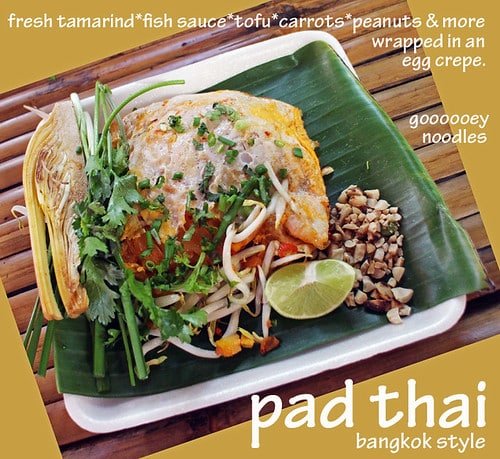
The traditional Pad Thai is prepared using rice noodles, which are stir-fried with a variety of fresh ingredients including shrimp, chicken, or tofu, alongside vegetables like bean sprouts and scallions. A characteristic of Pad Thai is its distinctive sauce, made with tamarind paste, sugar, fish sauce, and lime juice. This blend creates a perfect balance of sweet, salty, sour, and spicy flavors, which are integral to the dish’s appeal.
Numerous variations of Pad Thai exist, reflecting the regional preferences across Thailand and adaption to international tastes. For instance, some regions may prefer to enhance the dish with peanuts or serve it with a fried egg on top. In addition, the use of alternative proteins, such as tempeh or seitan, caters to vegetarian or vegan diets, demonstrating the versatility of Pad Thai.
The deliciousness of Pad Thai rests not only in its complex flavor profile but also in the ease with which it can be prepared. Home cooks and professional chefs alike are drawn to this dish, sharing their interpretations and innovative takes on a classic recipe. As Pad Thai continues to evolve globally, it remains a beloved comfort food that brings a touch of Thai culture to dining tables around the world.
Essential Ingredients for Your Pad Thai
Creating a delicious Pad Thai starts with understanding its essential ingredients, each contributing to the dish’s unique flavor and texture. The first key element is rice noodles, which serve as the backbone of Pad Thai. These noodles are typically flat and can be found in various thicknesses, providing a chewy texture when cooked properly. Choose rice noodles labeled specifically for Pad Thai for the best results.
Another crucial component is tamarind paste. This ingredient imparts a distinct sour flavor that characterizes authentic Pad Thai. It can be accessed in Asian grocery stores; however, for those who cannot find it, a mixture of lime juice and brown sugar can serve as a suitable substitute, albeit with a slightly different taste profile.
Fish sauce is integral to the umami flavor in Pad Thai, offering depth and complexity. For a vegetarian or vegan option, soy sauce or a mushroom-based seasoning can replicate some of the savory notes found in fish sauce, making it accessible for those with dietary restrictions.
To add crunch and nutty flavor, peanuts are essential. They are usually crushed and added just before serving. If you have a peanut allergy, sunflower seeds can be an excellent alternative, providing a similar texture without the allergens.
Other ingredients include bean sprouts, which add freshness and a slight crunch, and essential herbs like coriander or basil, which enhance the dish’s fragrance. Lastly, a sprinkle of lime juice at the end brightens the flavors, tying the dish together.
By understanding these components and their roles, you can easily tailor your Pad Thai to suit your tastes or dietary needs while maintaining its authentic essence.
Step-by-Step Guide to Making an Easy Pad Thai
Pad Thai is a beloved dish that can be made easily at home with just a few simple ingredients. To start, gather all necessary ingredients: rice noodles, shrimp or chicken, eggs, bean sprouts, chives, peanuts, tamarind paste, fish sauce, sugar, and lime. Begin by soaking the rice noodles in warm water, allowing them to soften while you prepare the other ingredients. This soaking process typically takes around 20-30 minutes.
Once the noodles are ready, heat a tablespoon of vegetable oil in a wok or a large skillet over medium-high heat. Ensure the oil is hot but not smoking, as this will allow for proper stir-frying without burning the ingredients. Add your choice of protein—either shrimp or sliced chicken. Cook for approximately 2-3 minutes, just until the protein is opaque and cooked through. Remove the protein from the wok and set aside, allowing the flavors to meld.
In the same pan, introduce the soaked noodles along with a splash of fish sauce and tamarind paste. Stir-fry for 2-3 minutes, ensuring the noodles are well-coated with the sauces. Next, create a space in the center of the pan and crack in two eggs. Allow them to cook for about 1 minute before scrambling them through the noodles.
After the eggs are incorporated, add the bean sprouts and chopped chives, tossing everything together to combine. Cook for an additional 1-2 minutes, which will give the vegetables a slight crunch while still retaining their freshness. Once all ingredients are well-mixed, it’s time to serve.
Transfer the Pad Thai to individual plates and garnish with crushed peanuts and lime wedges. Be cautious when handling hot oil and the wok; ensure to keep flammable items away and maintain a safe distance. This simple yet delicious recipe can be enjoyed in under an hour and is perfect for weeknight dinners or gatherings.
Serving Suggestions and Variations on Classic Pad Thai
To fully embrace the delightful experience that Pad Thai offers, serving suggestions play a crucial role in its enjoyment. A classic Pad Thai can be paired with various sides that complement its flavors. For instance, serving it alongside spring rolls or a light cucumber salad can provide a refreshing contrast. Additionally, a Thai-style iced tea or a chilled Singha beer can elevate the dining experience, harmonizing the dish’s rich flavors.
Pad Thai is renowned for its versatility, allowing for a multitude of variations to cater to diverse dietary preferences. For those who prefer meat, chicken or shrimp options can be incorporated seamlessly, enhancing the traditional flavor profile. Alternatively, for a vegetarian or vegan approach, tofu or a medley of vibrant vegetables can be employed, ensuring that the essential taste remains intact. The use of plant-based proteins, such as tempeh, can also provide a satisfying texture while keeping the meal nutritious.
Spicing up Pad Thai can be an exciting adventure for those who enjoy bold flavors. Incorporating chili flakes, fresh lime juice, or a dab of sriracha can transform the dish into a fiery delight. Experimenting with different bases, like zucchini noodles for a gluten-free option or brown rice for added nutrients, can further diversify the dish. For a touch of personal flair, garnishing with crushed peanuts, bean sprouts, or fresh herbs like cilantro can significantly enhance both the aesthetic appeal and flavor complexity of the dish.
Ultimately, the appeal of Pad Thai lies in its adaptability. By exploring various proteins, vegetables, and toppings, individuals can create a unique version that satisfies their particular cravings, ensuring that each dining experience remains fresh and exciting.