
Understanding Sushi Rice
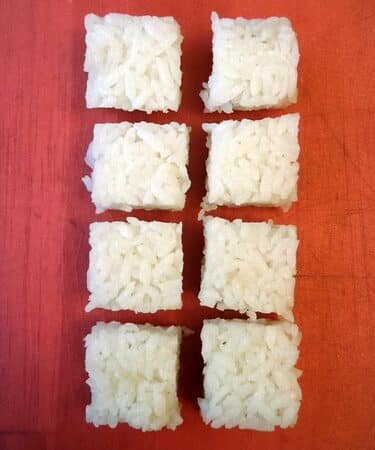
Sushi rice, known as “shari” or “sumeshi” in Japanese, is a vital component in sushi preparation. This rice is unique due to its specific characteristics, which greatly influence the overall quality of sushi. To create authentic sushi, it is essential to use the right type of rice. Most sushi chefs prefer Japonica rice, a short-grain variety prized for its sticky texture once cooked. The sticky nature allows the rice to hold its shape and cling together, which is crucial when forming sushi rolls or nigiri.
The primary reason for choosing Japonica rice for sushi is its high starch content, particularly amylopectin, which contributes to the desired level of stickiness. This attribute sets sushi rice apart from other rice varieties, such as long-grain rice or basmati, which do not offer the same bonding properties or flavor profile. While long-grain rice tends to remain fluffy and separated after cooking, sushi rice becomes compact, providing a chewy texture essential for a delightful sushi experience.
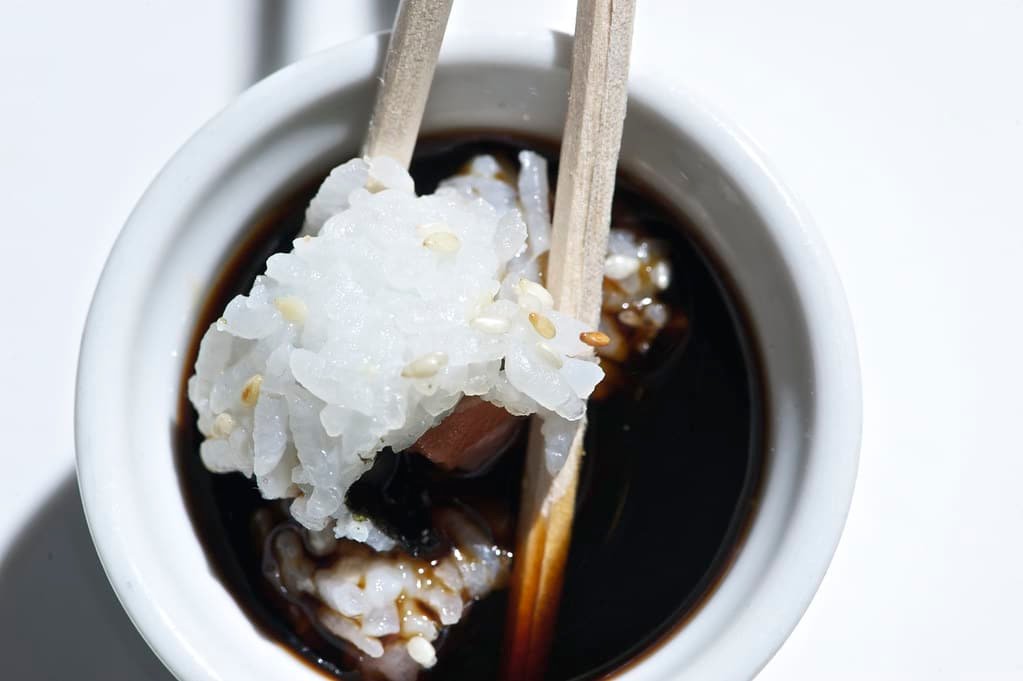
In addition to its texture, the flavor of sushi rice is equally important. After cooking, sushi rice is often seasoned with a vinegar mixture, which enhances its taste and adds a subtle tanginess that complements various fillings and toppings. This seasoning process further differentiates sushi rice from regular rice. The careful balance of vinegar, sugar, and salt achieves a harmony of flavors that is fundamental to sushi. Understanding these differences is key to appreciating the artistry behind sushi-making, where the careful selection and preparation of sushi rice sets the foundation for an exceptional dish.
Ingredients and Essential Tools
To create authentic sushi rice, it is crucial to begin with the right ingredients. The primary component of sushi rice is short-grain Japanese rice, which has a high starch content, making it sticky and ideal for sushi preparations. Common varieties include Koshihikari and Calrose rice. For the flavoring, you will need rice vinegar, which balances the richness of the rice. Authentic sushi recipes typically call for a specific type of rice vinegar—preferably a seasoned one which contains sugar and salt, contributing to the rice’s delicate taste.
In addition to rice and vinegar, sugar and salt are essential for achieving the perfect flavor profile. Use granulated sugar, typically around 2 tablespoons per cup of uncooked rice, and fine sea salt, which dissolves easily. Some recipes may also include a dash of kombu (dried kelp) to enhance umami flavor. While the kombu is optional, its subtle addition can elevate the sushi rice significantly.
Now, as we consider the tools required for making sushi rice, a rice cooker stands out as an indispensable device. A rice cooker provides uniform heat and moisture, ensuring that the rice cooks evenly. If you do not have a rice cooker, a heavy pot with a tight-fitting lid can also suffice. After cooking, a wooden spatula is recommended for mixing the rice without damaging its integrity. Finally, a bamboo mat, or makisu, is essential for rolling the sushi once the rice is prepared. Each of these tools plays a vital role in crafting sushi rice that is not only flavorful but also has the perfect texture for sushi-making.
Step-by-Step Cooking Instructions
Making perfect sushi rice begins with choosing the right rice. Select short-grain sushi rice, as its sticky texture is essential for holding sushi together. Begin by measuring out the desired amount of sushi rice, generally about two cups, to serve four people.
First, rinse the sushi rice thoroughly under cold water. Use a fine-mesh sieve or bowl to do this. The goal is to remove excess starch, which can cause the rice to become gluey rather than fluffy. Rinse the rice several times until the water runs clear, indicating that the starch has been adequately removed.
Next, soak the rinsed rice in a bowl of cold water for approximately 30 minutes. Soaking allows the rice grains to absorb some moisture, resulting in a more even cooking process. Following the soak, drain the rice and allow it to rest for another 10 minutes, ensuring that any excess water is removed.
It is now time to cook the rice. In a pot, combine the soaked rice with 2.5 cups of water. The typical ratio is 1 cup of rice to 1.25 cups of water, though variations can occur based on personal preference. Bring the mixture to a boil over medium heat, then reduce the heat to low, covering the pot with a lid. Let the rice simmer for about 18-20 minutes without lifting the lid, ensuring it cooked evenly.
Once cooked, remove the pot from heat and let it sit with the lid on for an additional 10 minutes. This resting period allows the rice to steam and firm up. While the rice cools, prepare the seasoning by mixing 1/3 cup of rice vinegar, 2 tablespoons of sugar, and 1 teaspoon of salt in a separate bowl until dissolved.
Once the rice has cooled slightly, transfer it to a large wooden or glass bowl (avoid metal, as it can react with the vinegar). Gradually drizzle the vinegar mixture over the rice while gently folding it with a spatula. This ensures even distribution and prevents the rice from breaking apart.
Finish by fanning the rice as you mix, which helps to keep it cool and brings out a glossy texture. The sushi rice should have a slightly sticky but fluffy consistency, which is ideal for rolling or forming sushi. Enjoy your homemade sushi rice as you craft delicious sushi dishes!
Storing and Using Sushi Rice
Properly storing sushi rice is crucial in preserving its unique texture and flavor following cooking. Once the sushi rice is prepared, it is essential to avoid letting it sit at room temperature for an extended period, as this can cause the rice to dry out or become overly sticky. Allow the rice to cool to room temperature before storage, as keeping it in a warm environment can lead to spoilage. A useful technique is to spread the cooked rice out on a large tray or a shamoji to speed up the cooling process. This distributes the heat more evenly and creates airy, fluffy grains.
Once cooled, sushi rice should be stored in an airtight container in the refrigerator. This prevents moisture from affecting the rice and maintains its ideal consistency. When stored this way, sushi rice can retain its quality for about 3 to 5 days. For longer-term storage, consider freezing the sushi rice. To do this, place the cooled rice in a vacuum-sealed bag or an airtight container, ensuring to remove as much air as possible. Frozen sushi rice can last for up to a month, and when ready to use, simply thaw it overnight in the refrigerator.
Beyond traditional sushi rolls, high-quality sushi rice can be a versatile ingredient in various dishes. For instance, it can be utilized in sushi bowls or chirashi, where the rice serves as a bed for an assortment of sashimi and toppings. Sushi rice can also be incorporated into rice salads, or used as a filling for onigiri, which are rice balls often wrapped in nori. Furthermore, it can complement stir-fries or even serve as a base for rice pudding, demonstrating its flexibility in culinary applications. By creatively using sushi rice, you can elevate many dishes while enjoying its distinct characteristics.