

Choosing the Best Ingredients for Your Cottage Pie
Creating a delicious cottage pie starts with selecting the right ingredients. The cornerstone of any classic cottage pie is the meat. Traditionally, minced beef is the preferred option due to its rich flavor and texture; however, some variations use ground lamb or even a combination of meats. Opting for grass-fed or organic meat can enhance the overall taste, as quality significantly impacts the richness of the dish.
Vegetables play a critical role in rounding out the flavor profile of the cottage pie. Common choices include onions, carrots, and peas. These ingredients not only add nutritional value but also contribute to the dish’s comforting essence. When selecting vegetables, fresh produce is superior; however, frozen alternatives can also provide excellent flavors and textures without the risk of spoilage. Canned vegetables should be used cautiously, as they may contain added preservatives and sugars, which can alter the taste.
Herbs and spices are essential for elevating the overall flavor of the cottage pie. A combination of thyme, rosemary, and bay leaves are traditional favorites, providing depth and complexity. Additionally, a dash of Worcestershire sauce can introduce a savory richness. When sourcing these ingredients, consider using fresh herbs for a brighter flavor during cooking. Dried herbs are practical options, but they often lack the vibrancy of fresh herbs, particularly when added at the beginning of the cooking process.
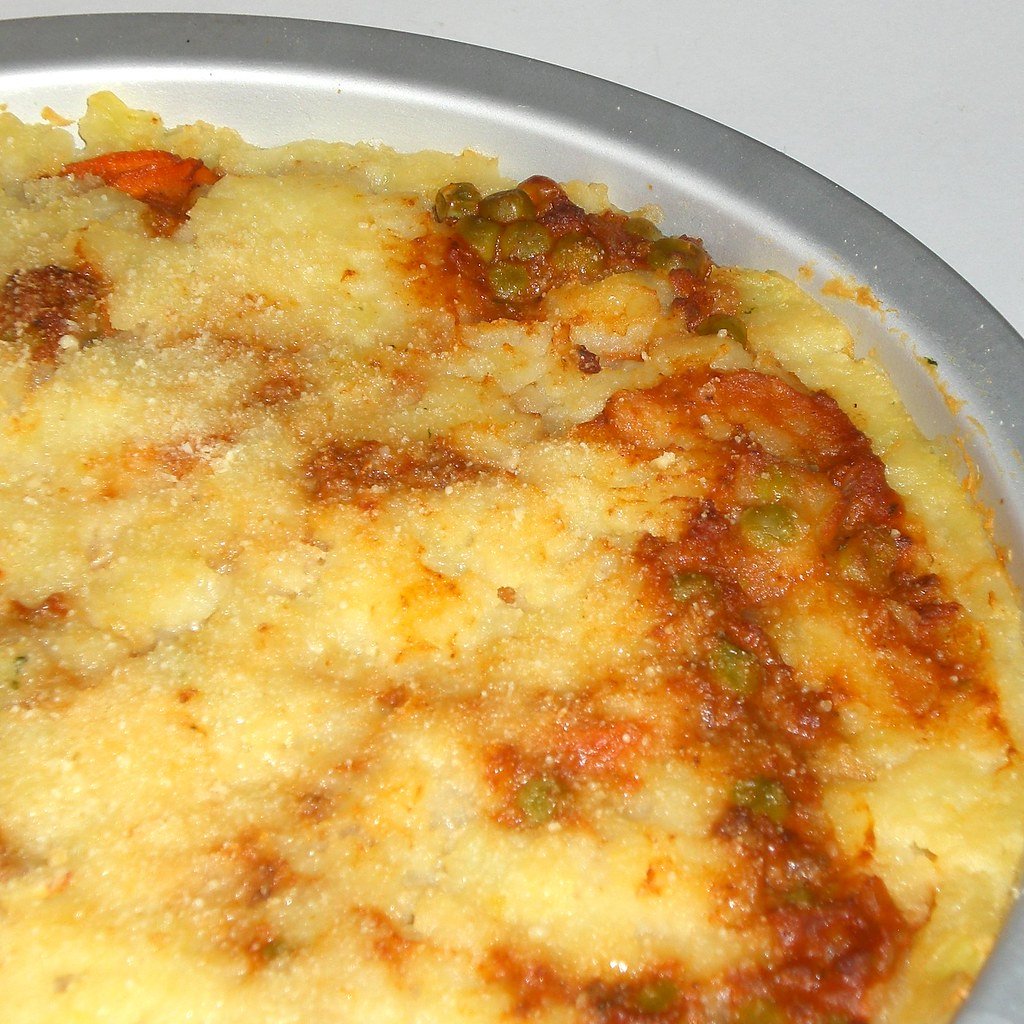
To ensure the best cottage pie, prioritize quality ingredients. Sourcing fresh produce from local farmers’ markets or reputable grocery stores can make a notable difference in flavor. Organic and free-range options for meat and vegetables often yield superior results compared to standard alternatives. Investing time in selecting quality components will ultimately lead to a more satisfying and delectable cottage pie experience.
Mastering the Meat Filling: Techniques and Flavors
The meat filling is a crucial component of cottage pie, traditionally made with minced beef, but various other meats or vegetarian options can be explored. To prepare the filling, it is essential to start with browning the meat adequately. This process not only enhances the flavor through caramelization but also adds a rich color to the dish. Use a heavy-based pan to ensure even heating, which helps achieve a perfect sear.
Seasoning is key in elevating the meat filling. Begin with salt and pepper, and consider adding herbs such as thyme or rosemary. These herbs complement the dish beautifully and add depth of flavor. Explore the incorporation of vegetables as well. Onions, carrots, and peas contribute sweetness and texture. Sauté these vegetables before adding the meat, allowing them to soften and their flavors to meld before combining them.
For an extra layer of flavor in your cottage pie, consider incorporating broth, tomato paste, or even a splash of red wine. Broth adds moisture and richness, while tomato paste provides a subtle acidity, balancing the savory elements. Red wine contributes a depth of flavor that enhances the overall richness of the dish. When using red wine, let it simmer for a few minutes after adding to evaporate the alcohol and concentrate the flavors.
Additionally, if you wish to experiment with alternative meats, ground lamb is a popular choice, offering a distinct flavor profile. For those seeking vegetarian or vegan options, lentils or mushrooms make excellent substitutes. They can absorb the other flavors in the dish, creating a hearty and satisfying filling that aligns with the traditional essence of cottage pie.
Perfecting the Mashed Potato Topping
To create an exceptional mashed potato topping for your cottage pie, the first step lies in selecting the right type of potatoes. Starchy potatoes, such as Russets or Yukon Golds, are ideal due to their fluffy texture once cooked. These varieties yield a light and airy mash, providing an excellent base for your topping. Begin by peeling and cutting the potatoes into evenly sized chunks to ensure uniform cooking.
Boiling the potatoes until fork-tender is crucial for achieving the perfect mash. Drain them thoroughly, allowing steam to escape, which helps reduce moisture and prevents a soggy topping. Next, employ a potato masher or ricer for the mashing process. Ricing will create an ultra-smooth consistency, while mashing by hand will leave a few lumps, which some may prefer for added texture.
Enhancing your mashed potatoes with flavor-boosting ingredients can elevate the dish significantly. Incorporate generous amounts of butter and heavy cream or milk to enrich the flavor and achieve a creamy texture. For an extra layer of indulgence, consider adding shredded cheese, such as cheddar or parmesan, which not only adds taste but also aids in browning when baked. Fresh or dried herbs like chives, parsley, or thyme can also be blended in for a fragrant touch.
To achieve a golden-brown crust, ensure your mashed potato topping is spread evenly over the meat filling, allowing the edges to crisp up as they bake. For an extra crispy finish, use a fork to create ridges in the surface of the mashed potatoes; these will brown beautifully. Bake in a preheated oven at 375°F (190°C) until the topping is bubbling around the edges and has developed a lovely golden hue. This creates an irresistible contrast to the savory pie beneath it.
Assembly and Cooking Techniques for Cottage Pie
Assembling a cottage pie requires careful attention to layering and distribution to ensure each bite is filled with the rich flavors of the filling and the creamy potato topping. Begin with the meat filling, which should be evenly spread across the bottom of a baking dish. Using a spatula, gently press the filling to create a uniform layer, taking care to ensure it fully covers the base. Next, it’s essential to add any vegetables that are part of your recipe. If using peas, carrots, or other vegetables, sprinkle them uniformly over the meat layer. This layering technique prevents the vegetables from sinking into the meat and allows for balanced flavors throughout the pie.
Once the filling is layered properly, prepare the mashed potatoes. For optimal texture, ensure the potatoes are smoothed until creamy and seasoned appropriately. Use a spoon or spatula to dollop the mashed potatoes on top of the filling, then carefully spread them out to cover the entire surface. This not only adds to the aesthetic appeal but also ensures that every portion has an equal amount of potato topping, which will achieve a golden crust during baking.
For cooking the cottage pie, preheat your oven to a temperature of 200°C (400°F). Bake the assembled pie for approximately 25 to 30 minutes, or until the top is golden brown and the filling is bubbling. It is important to monitor the pie towards the latter part of cooking to prevent over-browning. If you find that the top is browning too fast, you can cover it lightly with aluminum foil.
If you have leftovers or wish to prepare the dish in advance, cottage pie can be stored in the refrigerator for up to three days. To freeze, ensure the pie has cooled completely before wrapping it tightly in plastic wrap or aluminum foil. It can be frozen for up to three months. When ready to eat, defrost in the refrigerator overnight and reheat in the oven until piping hot throughout.