
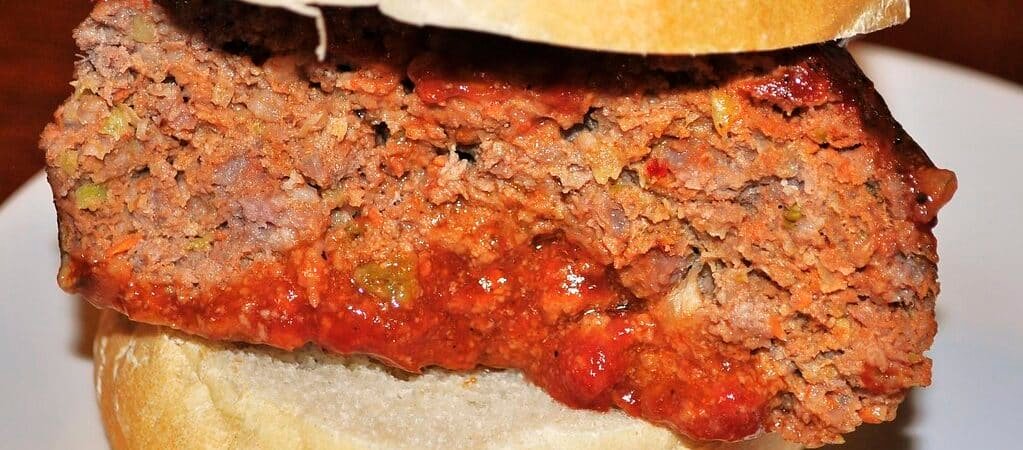
Introduction to Meatloaf: A Comfort Food Classic
Meatloaf is a dish that holds a cherished place in the hearts and homes of many families across the globe. Its history can be traced back to ancient times, with variations emerging in various cultures, signifying its adaptability and widespread appeal. Originating from humble beginnings, the dish was primarily developed as a way to utilize leftover meats and bread while maximizing flavor and nutrition. Over the years, it has evolved into a quintessential comfort food, often associated with wholesome family meals.
In the United States, meatloaf gained popularity during the Great Depression as a cost-effective meal option. It quickly became a staple on the dinner table, resonating with the sentiment of home-cooked meals and familial bonds. As families gathered around the table, enjoying the savory delight of meatloaf, it became much more than just a meal; it turned into a tradition, often passed down through generations.
Regional variations of meatloaf are abundant, each showcasing unique ingredients and preparation methods. For example, Southern meatloaf often incorporates ingredients like barbecue sauce, whereas Northern variations may emphasize seasonings such as sage or thyme. This adaptability allows meatloaf to reflect the diverse cultural influences and preferences found across the country.
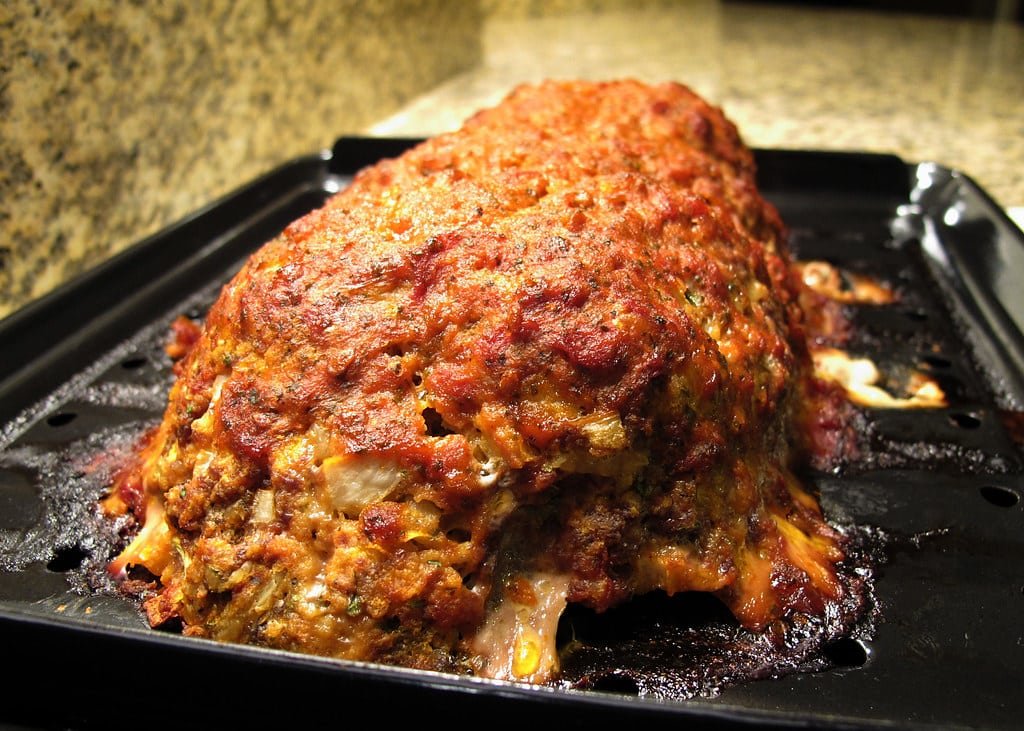
Nostalgia also plays a significant role in the cultural significance of meatloaf. Many individuals have fond memories of their mothers or grandmothers preparing this dish, making it a symbol of comfort and tradition. As families continue to gather for holidays and celebrations, meatloaf remains a prominent feature on menus, serving not only as a meal but also as a reminder of shared love and togetherness. The comfort food classic is truly a reflection of culinary history, family heritage, and the simplicity of home cooking.
Ingredients You’ll Need for a Perfect Meatloaf
Creating a classic meatloaf that delivers on flavor and texture requires a thoughtful selection of ingredients. The foundation of any good meatloaf is the choice of meat; a combination of ground beef and ground pork is often preferred. The ground beef provides a rich flavor, while the ground pork adds moisture and tenderness. If you are looking for a leaner option, ground turkey can serve as a suitable substitute, though it may slightly alter the flavor profile.
In addition to the meat, binders are essential to ensure that your meatloaf retains its shape while cooking. Traditional binders include breadcrumbs and eggs, which help stabilize the mixture. If gluten-free options are needed, ground oats or gluten-free breadcrumbs can be used without sacrificing texture.
Vegetables such as finely chopped onions and bell peppers are commonly added for flavor and moisture. Sautéing these vegetables beforehand can enhance their sweetness and depth of flavor. Other vegetables like carrots or celery can also be included according to personal preference.
Seasonings play a crucial role in developing the overall taste of your meatloaf. Commonly used seasonings include salt, pepper, garlic powder, and Worcestershire sauce. For those looking to experiment, adding herbs such as thyme or parsley can bring freshness to the dish. Toppings and sauces are optional but recommended; a blend of ketchup and brown sugar is a classic choice, adding a tangy glaze that complements the savory meat.
The quality of ingredients is paramount in achieving an outstanding meatloaf. Opting for fresh, high-quality meat and organic produce can significantly elevate your dish. Furthermore, customization is key; feel free to adapt the ingredient list to suit dietary restrictions or taste preferences while maintaining the essence of a classic meatloaf.
Step-by-Step Instructions for Preparing Classic Meatloaf
Preparing a classic meatloaf involves a series of straightforward steps that ensure a delicious and memorable dish. Begin by preheating your oven to 350°F (175°C). This temperature is ideal for cooking the meatloaf evenly without drying it out.
Next, you will need to gather the necessary ingredients. Typically, this includes ground beef, breadcrumbs, egg, onion, garlic, milk, and a blend of seasonings such as salt, pepper, and perhaps some Worcestershire sauce for added flavor. In a large mixing bowl, combine the ground beef with one cup of breadcrumbs, a beaten egg, half a cup of milk, one finely chopped onion, and minced garlic. Mix these ingredients thoroughly, but be cautious not to overwork the meat, as this can lead to a denser loaf.
Once the ingredients are well incorporated, it is time to shape your meatloaf. Transfer the mixture to a baking dish or a lined loaf pan, pressing it gently into a loaf shape. To avoid a soggy bottom, it is advisable to elevate the meatloaf using a wire rack or by making small indentations on the bottom of the pan which allow the fat to drain away.
Next, prepare a glaze to complement the meatloaf. A simple glaze can be made by mixing ketchup, brown sugar, and a dash of vinegar. Brush this mixture over the top of the loaf to create a flavorful crust while it bakes.
Finally, place the meatloaf in the preheated oven and bake for approximately 1 hour. To check for doneness, use a meat thermometer to ensure the internal temperature reaches 160°F (70°C). Once cooked through, let the meatloaf rest for about 10 minutes before slicing. This allows the juices to redistribute, resulting in a moist and flavorful experience. By following these step-by-step instructions, you will create a classic meatloaf that is sure to impress.
Serving and Storing Your Meatloaf: Tips and Tricks
Once your classic meatloaf is baked to perfection, the way you choose to serve it can enhance the dining experience significantly. For a traditional presentation, slice the meatloaf into thick, evenly sized portions. Arrange the slices on a serving platter and garnish with fresh parsley for a pop of color. To complement this dish, consider serving side dishes that harmonize with the meatloaf flavors; mashed potatoes, steamed green beans, or a crisp coleslaw can create a delightful meal. Additionally, consider a rich gravy or a tangy barbecue sauce served on the side to elevate the taste further.
When it comes to storing leftovers, it’s important to do so properly to maintain the meatloaf’s flavor and texture. Allow the meatloaf to cool completely before wrapping it in plastic wrap or aluminum foil. Alternatively, you can place the meatloaf in an airtight container. Stored this way in the refrigerator, it can last for up to three to four days. For longer storage, consider freezing meatloaf; it can be frozen for up to three months. Just be sure to slice it first to allow for easy reheating.
Reheating meatloaf can be done effectively in several ways to ensure it retains its deliciousness. The oven is ideal for reheating, as it warms the meatloaf evenly without drying it out. Preheat your oven to 350°F (175°C), cover the meatloaf with foil to retain moisture, and heat for about 20 minutes or until warmed through. Alternatively, if you seek a quicker method, the microwave can also serve the purpose; just ensure to use a microwave-safe container and cover it to avoid splatters. For a twist, consider transforming leftover meatloaf into sandwiches or mini muffins for a quick and satisfying meal option.