

- The Origins of Ackee and Saltfish
- Cultural Significance of Ackee and Saltfish
- Unique Flavors of Ackee and Saltfish
- Textures of Ackee and Saltfish
- Visual Appeal of Ackee and Saltfish
- Plating Techniques for Ackee and Saltfish
- The Cooking Process: Preparing Ackee and Saltfish
- Variations of Ackee and Saltfish
- Ackee and Saltfish in Contemporary Cuisine
The Origins of Ackee and Saltfish
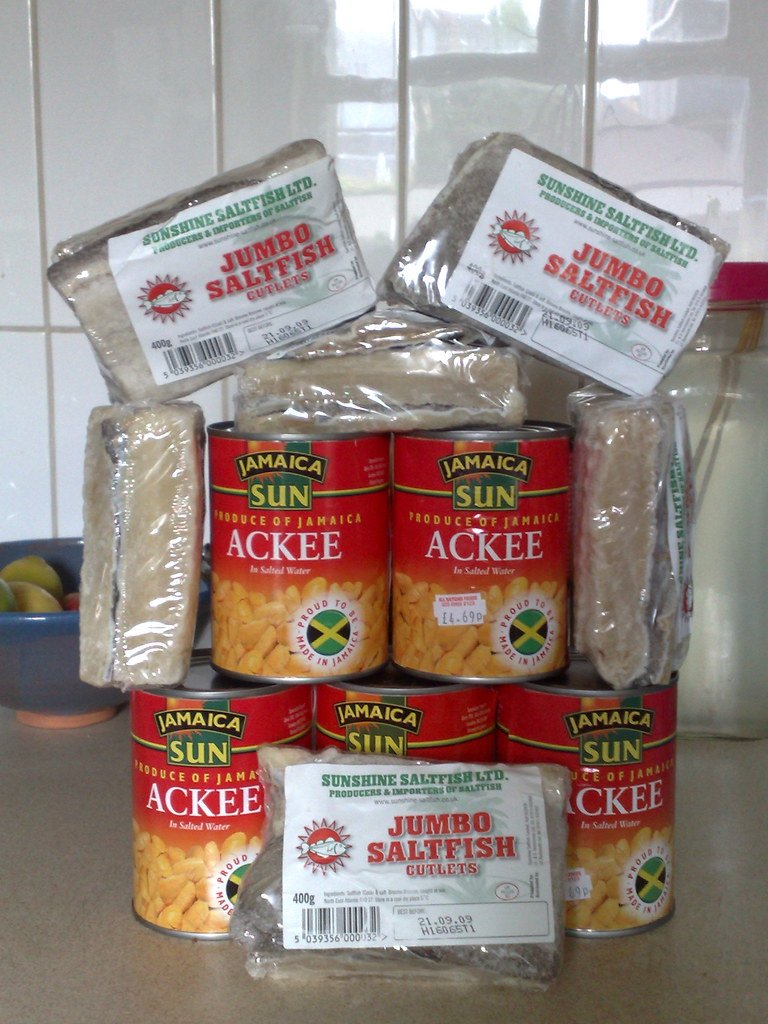
Ackee and saltfish is a quintessential dish that embodies the rich cultural tapestry of Jamaica. The origins of this culinary delight can be traced back to the indigenous Taino people, who were the original inhabitants of the island. They cultivated the ackee fruit, which is native to West Africa, and incorporated it into their diet long before the arrival of Europeans.
The introduction of saltfish to Jamaican cuisine occurred following the transatlantic slave trade when enslaved Africans brought their culinary traditions and ingredients to the island. Saltfish, typically dried and salted cod, was a staple protein for enslaved individuals, making it a common part of their diet. The blending of the ackee fruit, introduced by the Taino, and saltfish, brought by African slaves, marked the genesis of this now-iconic dish.
Historically, ackee and saltfish served as a convenient meal for those working on plantations, as it was both easy to prepare and nourishing. The dish began to evolve over time, incorporating various spices and additional ingredients, such as scallions, onions, and peppers, to enhance its flavor. This evolution not only reflects the tastes of the Jamaican people but also signifies the influence of different cultures, particularly African and European, on the island’s culinary practices.
By the mid-20th century, ackee and saltfish gained prominence as a national dish in Jamaica, symbolizing a unique culinary fusion that celebrates the island’s diverse heritage. Today, it is commonly enjoyed at breakfast and is a staple in Jamaican households and restaurants alike. The dish not only represents a meal but also serves as a cultural emblem of unity and resilience, showcasing the journey of its ingredients through history.
Cultural Significance of Ackee and Saltfish
Ackee and saltfish holds a distinguished place within Jamaican society, being recognized as the national dish of Jamaica. This culinary staple is not only a favorite among locals but also a testament to the rich and diverse cultural heritage of the island. The dish’s origins trace back to the 18th century, where it emerged out of the fusion of African and European influences, reflecting the complex history of Jamaica. With ackee, a fruit that originated from West Africa, paired with saltfish, which was introduced by British colonizers, the dish symbolizes a blend of traditions and flavors that define Jamaican identity.
In various cultural celebrations and gatherings, ackee and saltfish is often served, reinforcing its status as a dish that brings people together. Festivals, holidays, and family reunions are savored with this beloved fare, making it a vital component of communal dining experiences. Given its deep-rooted significance, ackee and saltfish transcends mere sustenance; it acts as a connecting thread within the community, fostering unity and pride among Jamaicans. Many families have their unique recipes, passed down through generations, further embedding the dish within familial and cultural narratives.
The recognition of ackee and saltfish as a quintessential aspect of Jamaican cuisine also extends beyond the island’s borders. Through food festivals, culinary tourism, and diaspora celebrations, this dish serves as an ambassador of Jamaican culture, sharing its essence with the world. Thus, ackee and saltfish is more than just a meal; it encompasses the spirit of Jamaica, reflecting its history, values, and communal bonds. The dish invites everyone to partake in a culinary journey, rooting them in a vibrant culture that cherishes its heritage and embraces innovation.
Unique Flavors of Ackee and Saltfish

Ackee and saltfish is a dish renowned for its distinct flavor profile, which represents an exquisite fusion of textures and tastes. The star ingredient, ackee, is a fruit that delivers a unique creamy consistency when cooked, evoking the essence of scrambled eggs. This texture serves as an ideal canvas for the briny, savory notes of saltfish, commonly made from salted cod. The combination of these two ingredients creates a harmonious balance that attracts the palate.
The flavor journey begins with the saltfish, which imparts a robust salinity that enhances the overall dish. The salted cod is often soaked and boiled to reduce its intense saltiness, allowing its rich, umami taste to shine through. Coupled with the smooth, buttery flavor of ackee, the result is a medley of both sweetness and saltiness, producing a delightful culinary experience.
The seasoning choices that accompany ackee and saltfish further amplify the dish’s complexity. Commonly used are aromatic ingredients such as onions, garlic, and bell peppers. These vegetables introduce layers of flavor that complement the primary ingredients. For those seeking an extra kick, Scotch bonnet peppers provide a fiery element, adding heat and depth while remaining integral to traditional Jamaican cuisine. The balance of spices can vary based on personal taste, allowing for a customized flavor experience that caters to different preferences.
Additionally, the dish is often served with accompaniments such as fried dumplings, rice, or plantains, which further enriches the dining experience. Each element contributes to the dish’s overall appeal, making ackee and saltfish a beloved staple in Jamaican culture. The interplay of flavors in this dish not only delights the taste buds but also embodies a significant aspect of the culinary heritage of Jamaica.
Textures of Ackee and Saltfish
One of the most compelling aspects of the dish known as ackee and saltfish lies in its contrasting textures. Ackee, a fruit native to Jamaica, plays a vital role in creating a creamy softness that stands in stark contrast to the characteristics of salted cod, or saltfish. The ackee possesses a delicate, buttery texture, which results from its cooking process. When prepared correctly, the flesh of the ackee becomes tender and palatable, offering a rich mouthfeel that delights the senses.
On the other hand, the saltfish introduces a different texture dynamic. The dried and salted cod is rehydrated before use, leading to a light flakiness that is slightly chewy, lending itself well to the overall dish. The process of pulling apart the saltfish creates irregular pieces that further enhance the dish’s appeal, as they mingle with the soft ackee. This combination is not simply about flavor; it is a celebration of physical breadth that brings considerable satisfaction upon each bite.
Moreover, the addition of vegetables such as onions, tomatoes, and bell peppers adds yet another layer of texture to ackee and saltfish. The crunchiness of these fresh ingredients provides an exciting contrast to the creamy ackee and flaky fish, culminating in a dish that is both visually appealing and texturally stimulating. Each ingredient in ackee and saltfish plays a role in enriching this traditional meal’s sensory experience, allowing for that perfect balance of softness, chewiness, and firmness. The interplay of these textures, when combined with spices and seasonings, illustrates why ackee and saltfish remains a favorite both in Jamaica and among those who appreciate Caribbean cuisine.
Visual Appeal of Ackee and Saltfish

The visual aspects of a dish significantly contribute to the overall dining experience, and ackee and saltfish is no exception. This traditional Jamaican dish is renowned for its vibrant color palette, which not only enhances the appeal of the meal but also symbolizes the rich culture from which it originates. The most striking component is the ackee fruit, which displays a bright yellow hue, offering a sense of warmth and inviting diners to delve into the culinary experience.
The contrast between the sunny yellow of the ackee and the soft, pale white of the saltfish creates a harmonious balance on the plate. The saltfish, often shredded and seasoned, serves as the perfect base, amplifying the dish’s visual depth. Accompanying vegetables, typically bell peppers and onions, introduce red and green shades, adding further vibrancy and freshness. This combination not only pleases the eye but also highlights the fresh ingredients commonly used in Caribbean cuisine, igniting curiosity and hunger alike.
Beyond its colors, presentation plays a crucial role in enhancing the allure of ackee and saltfish. A carefully arranged dish, artfully garnished with sprigs of fresh herbs or slices of additional vegetables, can elevate the dining experience. Diners are naturally drawn to dishes that are visually appealing, and the bright colors of ackee and saltfish work to stimulate appetites and create anticipation. This demonstrates how impactful a well-presented meal can be, encouraging one to explore the flavors embedded within the vibrant palette.
In essence, the visual appeal of ackee and saltfish not only captivates the gaze but also embodies the essence of Caribbean culture, making it a dish that is not just eaten, but celebrated through its beautiful presentation.
Plating Techniques for Ackee and Saltfish
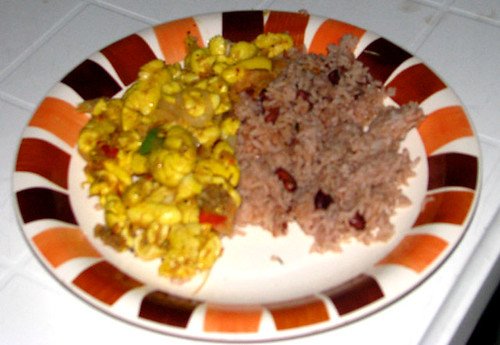
When preparing ackee and saltfish, an iconic dish within Jamaican cuisine, presentation plays a crucial role in enhancing its visual appeal. To achieve an attractive plating, start by selecting a suitable plate that complements the vibrant colors of the dish. A simple white plate often works best, as it allows the golden hue of the ackee, the rich texture of the saltfish, and the fresh green of accompanying vegetables to stand out.
The first step in plating is to create a base for the ackee and saltfish. Consider using a scoop of the dish at the center of the plate, forming a mound that showcases the ingredients. To add dimension, use a slotted spoon to let excess cooking liquid drain off before placing it on the plate, thus avoiding a soggy presentation. Layering the dish with sautéed onions, bell peppers, and tomatoes not only enhances the flavor but also adds colorful contrast.
Incorporating garnishes is another effective technique for elevating the presentation. Fresh herbs, such as finely chopped scallions or cilantro, can be sprinkled on top to provide a burst of flavor and striking visual contrast. Additionally, slices of avocado can be arranged artistically around the main dish, offering a creamy texture that complements the savory elements of ackee and saltfish.
For a complete meal, consider pairing ackee and saltfish with traditional sides such as fried plantains, boiled green bananas, or a fresh garden salad. Position these sides in a way that balances the plate; for example, placing plantains alongside the main dish can create an inviting composition. Remember, the goal is to highlight the textures and colors of the dish, ensuring that the presentation reflects the rich cultural heritage of this beloved Jamaican recipe.
The Cooking Process: Preparing Ackee and Saltfish
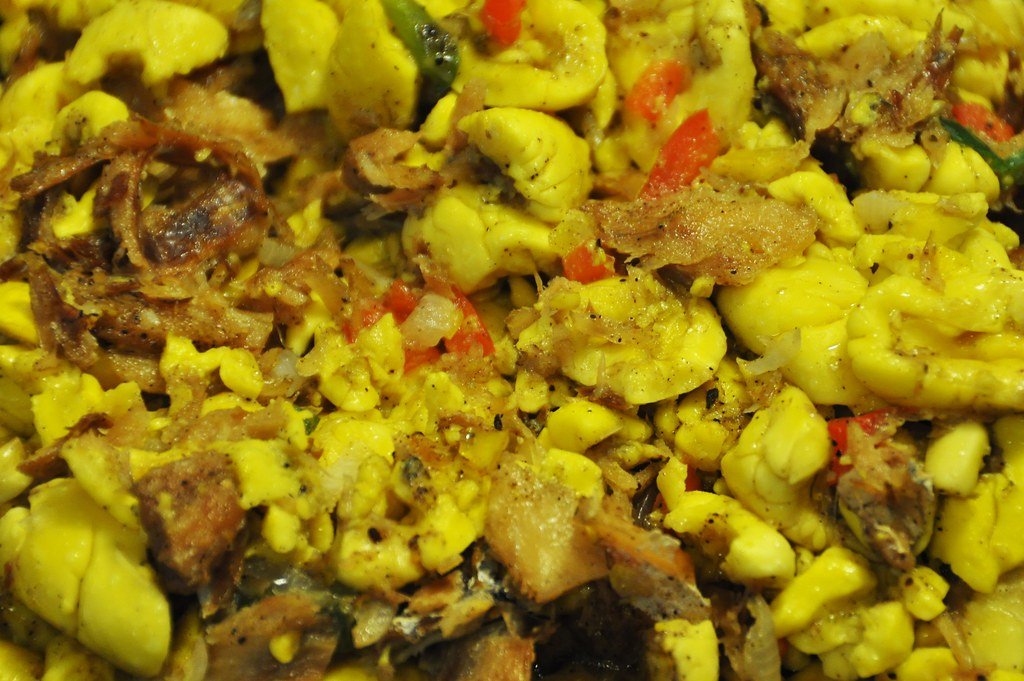
Preparing ackee and saltfish involves a series of thoughtful steps that culminate in a flavorful and authentic dish. The first step begins with the saltfish, traditionally cod, which needs to be desalinated. Place the saltfish in a pot of water and bring it to a boil. This process usually takes about 15 to 20 minutes. After boiling, drain the water and rinse the fish thoroughly to remove excess salt. The next step requires shredding the saltfish into bite-sized pieces, which will blend seamlessly with the ackee.
The ackee, a fruit that is unique to Jamaica, must be treated with care. If using fresh ackee, ensure it is ripe, as unripe ackee can be toxic. Boil the ackee in water for 10 to 15 minutes. Once boiled, use a slotted spoon to gently scoop the ackee from the pot, taking care not to mash it. Allow it to cool before further handling. If using canned ackee, simply drain and rinse to prepare it for cooking.
Once both the saltfish and ackee are ready, the next phase involves sautéing the ingredients. In a large skillet, heat some oil and add chopped onions, bell peppers, and garlic, sautéing until they become soft and aromatic. Next, add the shredded saltfish, and let it fry for a few minutes, allowing the flavors to meld. After this, carefully incorporate the cooked ackee into the skillet. Season the mixture with black pepper, fresh thyme, and a touch of scotch bonnet pepper for added heat and flavor.
It is crucial to handle the ackee gently during this stage to maintain its fluffy texture. Stir the ingredients carefully to combine, cooking for an additional 5 to 7 minutes to ensure even heat distribution. Once complete, the dish can be served immediately. Pair it with sautéed vegetables, bread, or dumplings to enhance the culinary experience of ackee and saltfish.
Variations of Ackee and Saltfish
Ackee and saltfish, often regarded as Jamaica’s national dish, embodies a unique blend of flavors and cultural heritage. This iconic dish has witnessed various adaptations across Jamaica and in Jamaican communities worldwide. Through these diverse interpretations, it showcases an impressive versatility that caters to local tastes and ingredient availability.
In the coastal regions of Jamaica, for instance, one might find ackee and saltfish paired with fresh seafood. Local fishermen often incorporate shrimp or crab, enhancing the dish with a touch of the sea. Furthermore, some chefs may include a mix of vegetables, such as bell peppers and carrots, contributing to the dish’s color and nutritional value. Such variations reflect the influence of the surrounding environment and the innate creativity of the cook.
In urban settings, particularly in the diaspora, ackee and saltfish has undergone further transformations. Many immigrants incorporate elements from their adopted countries. In the United States, for example, it is not uncommon to see this dish served alongside fried plantains or even a side of rice instead of the traditional provision, providing a fusion of cultures on a single plate. Some also substitute salted cod with readily available smoked fish, maintaining the core essence of the dish while making it more accessible.
Additionally, special occasions often inspire variations of ackee and saltfish. For festive gatherings, one might encounter a more elaborate version, featuring additional seasonings and side dishes that align with the celebratory atmosphere. This adaptability not only highlights the dish’s robustness but also its profound role in uniting families and communities through shared culinary experiences.
In essence, while ackee and saltfish retains a foundational structure, these adaptations across regions and cultures underscore its significance as a beloved and dynamic dish, promoting culinary heritage and exploration.
Ackee and Saltfish in Contemporary Cuisine
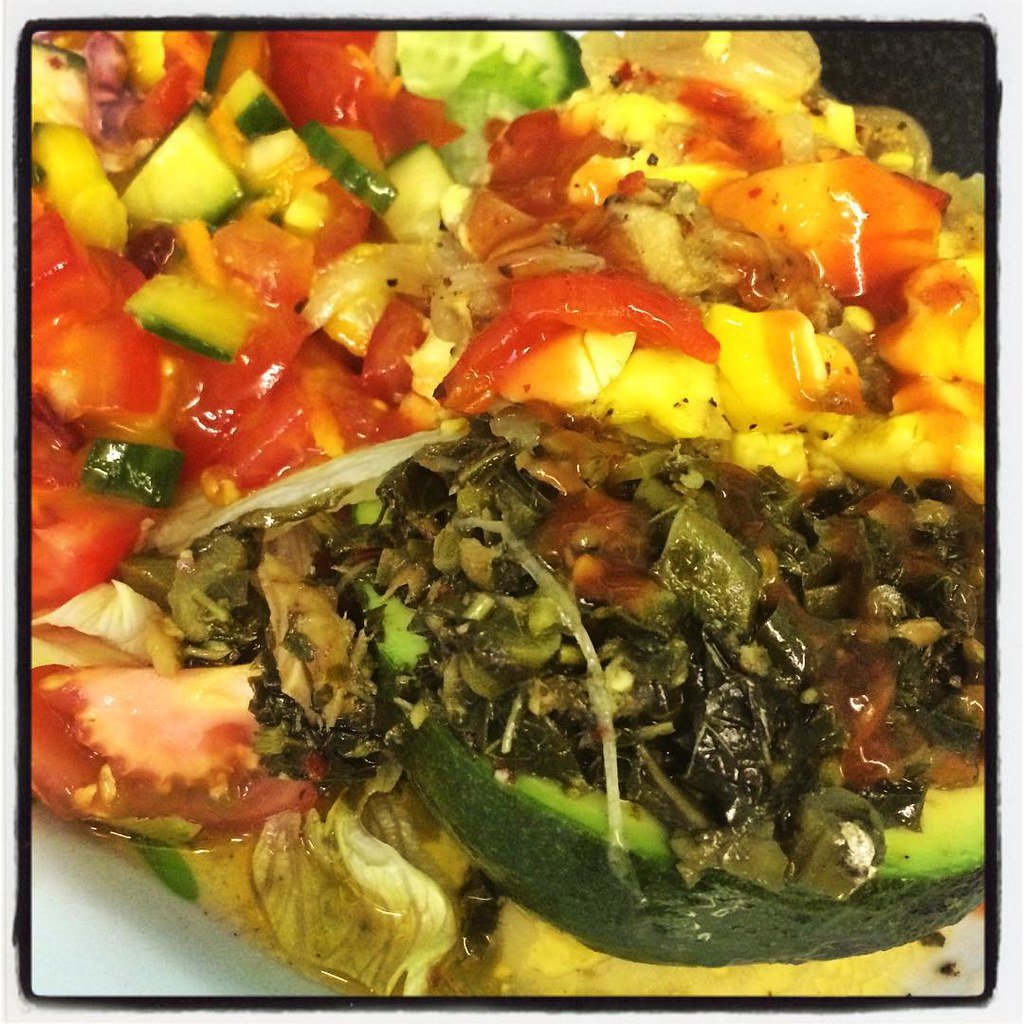
Ackee and saltfish, a traditional Jamaican dish, has transcended its regional boundaries and found its way into contemporary culinary settings worldwide. Chefs and food enthusiasts are increasingly incorporating this iconic dish into various dining experiences, thereby popularizing its unique flavors beyond Jamaica. The rich, creamy texture of ackee combined with the savory, flaky saltfish provides a delightful contrast that appeals to a diverse palate, signaling its growing acceptance in international cuisine.
Restaurants outside of Jamaica are serving ackee and saltfish in imaginative ways, blending it with elements from various culinary traditions. Some chefs have embraced the dish as a canvas for innovation, pairing ackee and saltfish with ingredients and techniques from Asian or Mediterranean cuisines. For instance, it may be served as a filling in a spring roll or accompanied by a fusion of spices that integrate influences from Caribbean and Latin American cuisine, thus creating a new and exciting taste experience. This adaptability demonstrates the dish’s resonance with contemporary food trends, which often celebrate cross-cultural culinary exchanges.
Furthermore, modern chefs are committed to preserving traditional cooking methods while also experimenting with new presentations. Dishes may now appear as part of tasting menus, showcasing ackee and saltfish in a style that highlights its aesthetic value as well as its flavor. Contemporary interpretations might include the use of local, seasonal ingredients that enhance the overall dining experience. By maintaining a respectful nod to the dish’s roots, these culinary innovators honor the cultural significance while making it more accessible to a wider audience.
The allure of ackee and saltfish in contemporary cuisine lies in its unique ability to adapt and evolve without losing its foundational identity. As it continues to capture the interest of chefs and diners alike, it represents a dynamic intersection of tradition and modernity in the culinary world.