
What is Mole Sauce?
Mole sauce is a traditional Mexican condiment that holds a prominent place in the culinary heritage of Mexico. Its rich history dates back to pre-Columbian times, with origins linked to indigenous civilizations. The word “mole” itself comes from the Nahuatl term “molli,” meaning “sauce” or “mixture.” Mole sauce is not a single recipe; rather, it encompasses a diverse range of sauces, each with distinct flavors, ingredients, and regional variations.
In Mexican cuisine, mole sauce is often recognized as a celebratory dish, frequently served during festive occasions such as weddings, holidays, and day-of-the-dead festivities. The significance of mole extends beyond its taste; it symbolizes community, tradition, and culinary artistry. Various types of mole sauces are distinguished by their unique characteristics, including color, flavor profile, and components. The most commonly known types include Mole Poblano, Mole Verde, and Mole Rojo, each offering a different combination of spices and chilies.
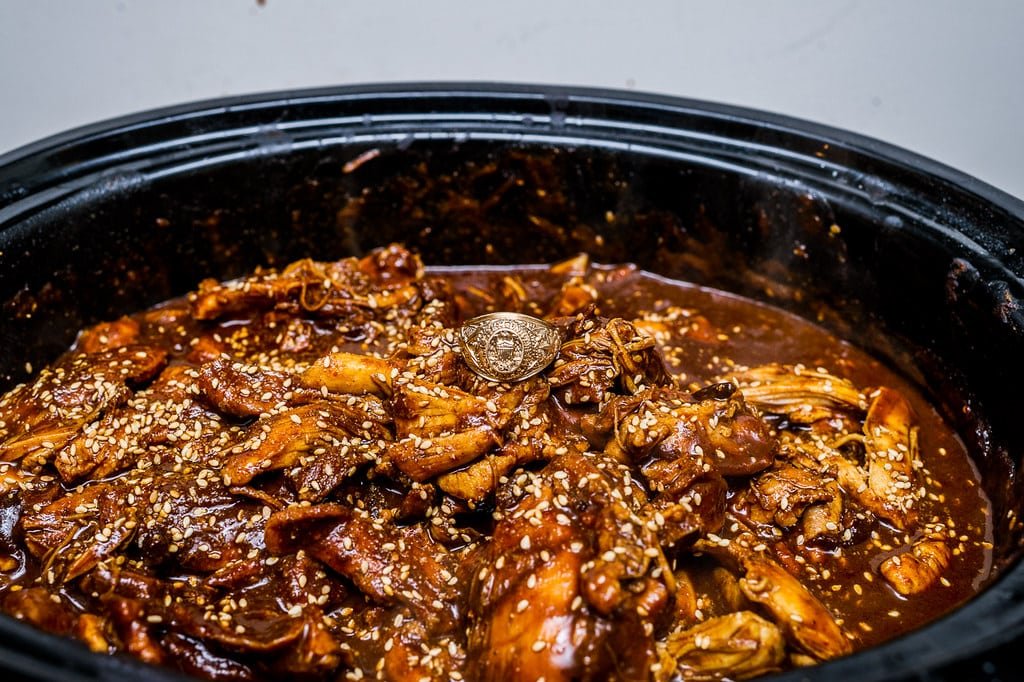
One of the defining features of mole sauce is its complex blend of ingredients. A typical mole sauce may include a variety of dried chilies, such as ancho, pasilla, or chipotle, which lend depth and character to the sauce. In addition to chilies, spices such as cinnamon, cumin, and allspice contribute to its aromatic quality. A distinctive aspect of certain mole recipes is the inclusion of chocolate, which adds a subtle sweetness and richness that balances the heat from the chilies. This amalgamation of ingredients results in a sauce that is multifaceted and complex, often described as having interwoven flavors that evolve with each bite.
Essential Ingredients for Authentic Mole
Creating authentic mole sauce requires a thoughtful selection of ingredients, each playing a crucial role in achieving its signature depth of flavor. The foundation of mole is built on dried chilies, which provide a rich base and complexity. Varieties such as ancho, guajillo, and chipotle are commonly used. The ancho’s sweet, fruity notes contrast with the guajillo’s mildness and the smoky heat of the chipotle, collectively contributing to the sauce’s distinctive profile. When sourcing dried chilies, specialty grocery stores and Mexican markets often offer a wider variety, enabling you to select the right mix for your recipe.
Nuts and seeds are another vital component, adding richness and body to the mole. Common choices include almonds, sesame seeds, and peanuts, each imparting unique flavors. These ingredients should be toasted before blending into the mole to enhance their nuttiness and promote an optimal texture. If certain nuts or seeds are hard to find, consider using sunflower seeds or even pumpkin seeds as effective substitutes.
Spices play an equally important role in enhancing the overall flavor of mole. Common spices include cinnamon, cloves, and cumin, which lend warmth and complexity. Ground spices can be used, though whole spices that are freshly toasted and ground will yield a more robust flavor. Equally important is the addition of chocolate, traditionally Mexican chocolate, which has a unique texture and flavor that elevates the mole experience. For those unable to locate Mexican chocolate, semi-sweet chocolate can serve as a suitable alternative but may require adjustments in sweetness.
By carefully selecting these essential ingredients, you set the stage for a rich, flavorful mole that pays homage to its authentic roots. Understanding each component’s role and sourcing tips enables a more rewarding cooking experience, ensuring your mole is both delectable and traditional.
Step-by-Step Recipe to Make Mole Sauce
Creating a rich and flavorful mole sauce from scratch can be a rewarding culinary experience. The following steps will guide you through the process to ensure a delicious result.
First, gather your ingredients. Traditional mole sauce typically includes dried chiles, nuts, spices, tomatoes, onions, garlic, and chocolate. You can use a variety of chiles such as ancho, guajillo, or pasilla for depth of flavor.
Begin by toasting the dried chiles. Heat a dry skillet over medium heat, add the chiles, and toast them for about 30 seconds until fragrant. Be sure to turn them frequently to prevent burning. Once toasted, remove them from the skillet and set aside to cool, then soak them in warm water for about 20 minutes to soften.
Next, prepare your aromatics. In the same skillet, add a small amount of oil and sauté finely chopped onions and garlic until they are translucent and fragrant. This should take about 4-5 minutes. Once cooked, add diced tomatoes and cook until they break down and become saucy, approximately 10 minutes.
Once all your ingredients are prepared, it is time to grind them into a smooth paste. Drain the soaked chiles and place them in a blender along with the sautéed mixture and any additional spices, such as cumin or cinnamon. Blend until completely smooth, adding a little vegetable or chicken broth as necessary for consistency.
Finally, transfer the blended mixture back to the skillet and simmer for about 30 minutes, stirring occasionally. This allows the flavors to meld together beautifully. You can also adjust the consistency by adding more broth if needed, depending on your desired thickness.
After simmering, taste the mole sauce and adjust seasonings, adding salt or a piece of dark chocolate to balance the flavors. Once finished, your homemade mole sauce is ready to serve, enhancing your favorite dishes with its complex flavors.
Tips and Variations for Perfecting Your Mole
Creating the perfect mole sauce from scratch can be a rewarding endeavor. However, personalizing this complex sauce to suit individual tastes can elevate it even further. One of the first considerations is the heat level; you can achieve this by adjusting the number and type of chiles used in your recipe. Popular options include pasilla, ancho, or guajillo, each contributing its unique flavor profile. If you prefer a milder mole, consider using fewer chiles or removing the seeds and veins that often impart spiciness.
In addition to spice adjustments, the incorporation of additional flavors can greatly enhance your mole. For instance, some cooks encounter various nuts, such as almonds or peanuts, contributing a creamy texture and depth. Chocolate, particularly dark varieties, is a traditional component, and experimenting with different brands or percentages can yield distinct outcomes. Adding fruits like raisins or plantains can also introduce a subtle sweetness that beautifully balances the sauce’s savory elements.
While many traditional mole recipes call for lengthy simmering times to develop rich flavors, alternative cooking methods can also be utilized. Some may prefer to utilize an Instant Pot or slow cooker to save time without sacrificing quality. Additionally, blending the ingredients in small batches instead of waiting until the end can provide greater control over the sauce’s texture. Remember, mole varies greatly across regions, from the rich and bold flavors found in mole poblano to the lighter notes common in mole verde. Exploring these regional variations and experimenting with ingredients will not only educate but also innovate your mole sauce endeavors.