
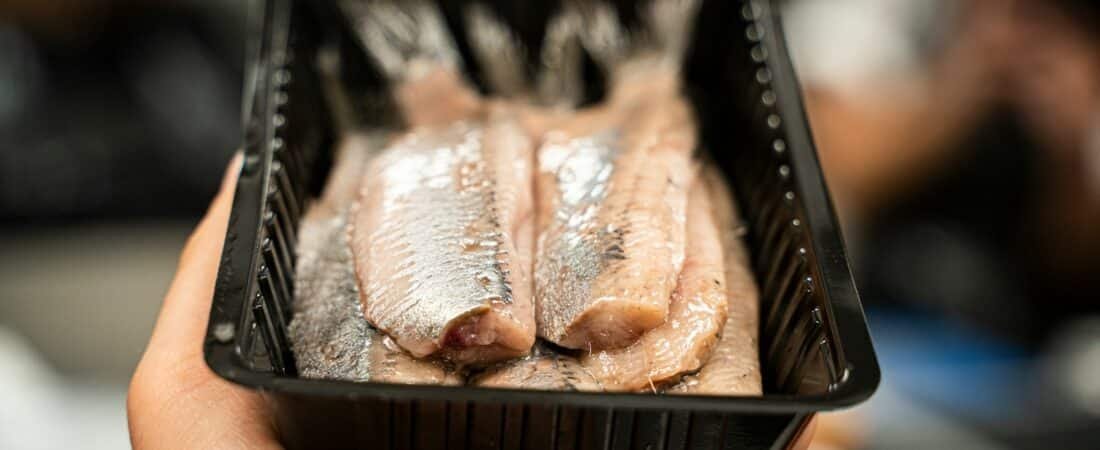
Understanding Herring: Types and Benefits
Herring is a versatile fish that is enjoyed in many cultures, known for its rich flavor and various cooking methods. The most common types of herring include Atlantic herring, Pacific herring, and pickled herring. Atlantic herring is particularly renowned for its delicate taste and is commonly found in the North Atlantic Ocean. In contrast, Pacific herring, which resides in the shores of the Pacific Ocean, offers a slightly different flavor profile and is often used in traditional dishes in coastal regions. Pickled herring, a preservation method dating back centuries, adds a tangy flavor and is a popular appetizer or topping for various dishes.
Nutritionally, herring is highly beneficial as it is rich in omega-3 fatty acids, which are essential for heart health. These beneficial fats contribute to lowering blood pressure, reducing the risk of heart disease, and promoting overall cardiovascular health. Additionally, herring is packed with vital vitamins and minerals, including vitamin D, vitamin B12, and selenium, making it an excellent addition to a balanced diet. The presence of vitamin D is particularly important, especially for individuals living in regions with limited sunlight, as it supports bone health and immune function.
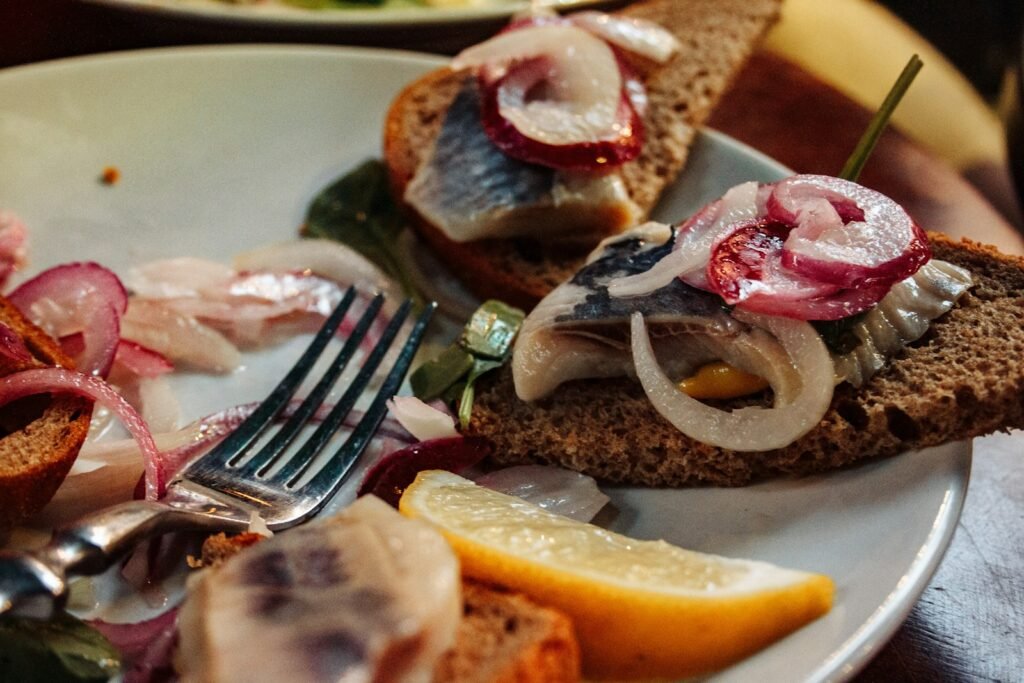
Furthermore, when considering the environmental impact of seafood consumption, it is crucial to source herring from sustainable fisheries. Many fishing operations implement responsible practices that ensure fish populations remain healthy and ocean ecosystems are preserved. Choosing fresh herring not only supports local fisheries but also guarantees a superior flavor and higher nutritional value, emphasizing the importance of mindful consumption. In summary, understanding the various types of herring and their health benefits helps consumers make informed choices while enjoying this nutritious and delicious fish.
Preparing Herring: Cleaning and Filleting Tips
Preparing herring for cooking involves a few essential steps, primarily focusing on cleaning and filleting the fish. To begin, ensure you have the necessary tools: a sharp filleting knife, a fish scaler, a cutting board, and some paper towels. With everything at hand, you can efficiently process your herring.
Start by rinsing the herring under cold, running water to remove any surface slime. Place the fish on your cutting board, with the belly facing upwards. Using the scaler, gently scrape off the scales, starting from the tail towards the head. Be thorough, as this step ensures a more pleasant eating experience.
Once scaled, it is time to gut the herring. Insert the knife into the belly area near the tail and make a careful cut towards the head, being cautious not to pierce the internal organs. Using your fingers or the knife, open the belly and remove the innards, discarding them as they are not suitable for consumption. Again, rinse the cavity of the fish under cold water to eliminate any remaining traces.
Next, to fillet the herring, position the fish so that the head is to your left if you are right-handed. Start by making a cut behind the gills and down towards the backbone, applying gentle pressure to avoid damaging the flesh. Slide the knife along the spine towards the tail while keeping it in contact with the bones. Once you reach the tail, you can separate the fillet from the body. Repeat the process on the other side.
With fillets prepared, it is advisable to remove any remaining pin bones using tweezers or pliers. Rinse the fillets again and place them on a paper towel to dry. Properly cleaned and filleted herring enhances the flavors of your dish, ensuring a delightful cooking experience.
Cooking Techniques: Methods to Impress
Cooking herring can be a delightful experience that allows for a range of flavors and techniques. Here, we will explore several methods including baking, frying, grilling, and smoking, providing you with detailed instructions for each approach.
Baking herring is a straightforward and healthy option. Preheat your oven to 375°F (190°C). Place the cleaned herring on a baking sheet lined with parchment paper, and drizzle with olive oil, lemon juice, and your choice of herbs such as dill or parsley. Bake for approximately 20-25 minutes, depending on the size of the fish, ensuring it flakes easily with a fork.
Frying herring gives it a crispy texture. Start with fillets seasoned with salt and pepper. Heat a skillet with vegetable oil over medium heat. Dredge the fillets in flour before placing them in the oil, cooking for about 3-4 minutes on each side until golden brown. The frying process enhances the fish’s flavor, making it a favorite among many.
Grilling adds a smoky dimension to herring. To prepare, marinate the fillets in a mixture of soy sauce, garlic, and ginger for at least 30 minutes. Preheat your grill to medium heat, and cook the fillets for about 5 minutes on each side, until they are charred and cooked through. Serving grilled herring with a side of grilled vegetables complements the meal beautifully.
Smoking is another excellent method that preserves the fish while infusing it with rich flavors. One can smoke the herring using a stovetop smoke box with wood chips, maintaining a low temperature around 200°F (93°C). Smoke for roughly 1 hour or until firm yet tender. Pairing this smoky herring with a mustard sauce or pickled vegetables can elevate the dish.
When working with herring, consider flavor pairings such as citrus, mustard, and fresh herbs that enhance its natural essence. Careful attention to cooking times and temperatures will prevent common mistakes such as overcooking, which can lead to a dry result. Experimenting with different spices and techniques can help you discover your perfect herring dish.
Recipes to Try: From Appetizers to Main Courses
Herring, a versatile and flavorful fish, can enhance a plethora of culinary creations. Here, we present a selection of recipes that showcase the delightful range of herring, from simple appetizers to hearty main courses.
Appetizer: Herring Canapés
To prepare these delightful starters, you will need:
– 200g pickled herring fillets
– 4 slices of rye bread
– Cream cheese
– Fresh dill for garnish.
Start by spreading cream cheese evenly on each slice of rye bread. Cut the pickled herring into bite-sized pieces and place one piece atop each canape. Garnish with fresh dill, and serve immediately for a refreshing appetizer.
Main Course: Herring Pasta
Ingredients required for this dish include:
– 300g pasta of your choice
– 250g smoked herring fillets
– 2 cloves of garlic, minced
– 200ml heavy cream
– Fresh parsley for garnish.
Cook the pasta according to package instructions. In a separate pan, sauté the garlic in a little olive oil, then add the smoked herring and heavy cream, allowing it to simmer for 5 minutes. Toss the cooked pasta with the herring sauce and garnish with freshly chopped parsley before serving.
Salad: Herring and Beet Salad
Ingredients include:
– 250g pickled herring
– 2 roasted beetroots
– 1 onion, thinly sliced
– Olive oil and vinegar dressing.
Dice the pickled herring and roasted beetroots. Combine the ingredients in a bowl, add sliced onion, and dress with olive oil and vinegar to taste. This colorful salad is nutritious and packed with flavor.
By incorporating these recipes into your cooking repertoire, you will not only enjoy the rich flavors that herring has to offer but also appreciate its versatility in crafting a wide variety of dishes suitable for any occasion.