
Introduction to Kounoupidi Kapama
Kounoupidi Kapama is a traditional Greek dish that highlights the culinary richness of Greece, particularly its regional flavors and agricultural bounty. Originating from the island of Lemnos and other areas across the country, Kounoupidi Kapama is primarily centered around cauliflower, showcasing the vegetable’s versatility and ability to absorb robust flavors. This dish is more than just a meal; it represents a connection to Greek heritage and family traditions that are often passed down through generations.
This delectable dish is characterized by its unique combination of ingredients—most notably, cauliflower, which is commonly paired with aromatic spices such as cinnamon, allspice, and nutmeg. The infusion of these spices intensifies the natural taste of the cauliflower, transforming simple ingredients into a flavorful experience. The dish often also includes tomatoes, onions, and a drizzle of olive oil, creating a harmonious blend of textures and tastes that are quintessential in Greek cooking.
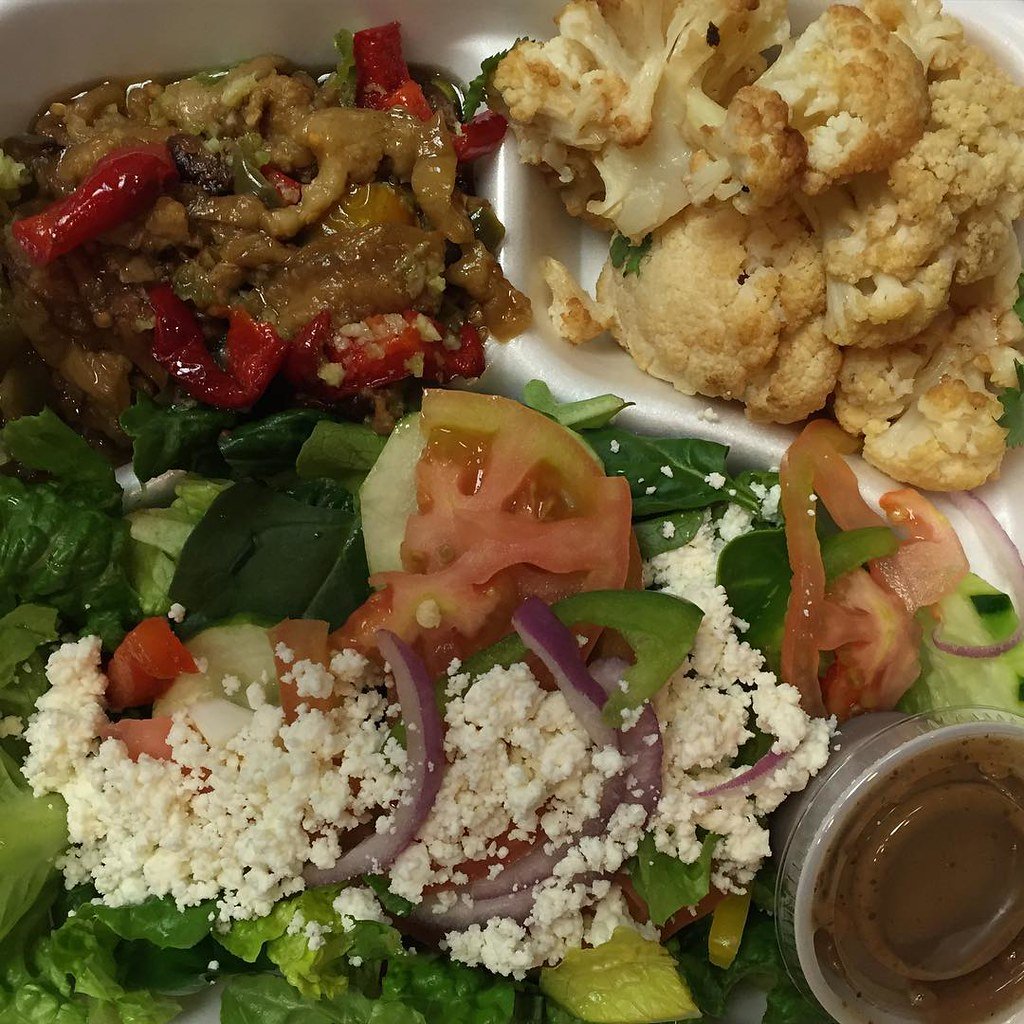
Kounoupidi Kapama holds significance beyond just flavor; it reflects the Mediterranean diet’s principles, which emphasize fresh, whole ingredients. The dish is typically enjoyed as a part of a larger family meal, often served alongside various meats or as a standalone vegetarian option. The preparation of Kounoupidi Kapama is also a culinary ritual that brings families together, encapsulating the essence of Greek hospitality. As we delve deeper into the preparation of this iconic dish, you will discover not only how to recreate it in your kitchen but also the cultural importance it holds within Greek cuisine.
Ingredients Needed for Kounoupidi Kapama
To create a successful Kounoupidi Kapama, a traditional Greek dish highlighting cauliflower, a careful selection of ingredients is essential. The primary ingredient is, of course, fresh cauliflower. A good quality cauliflower should have firm, compact florets and vibrant green leaves. Opt for a medium-sized cauliflower, as it offers the right balance between cooking time and flavor profile.
In addition to cauliflower, the recipe requires olive oil, which serves as the base for sautéing and adds a rich depth to the dish. It is advisable to select extra virgin olive oil for its superior flavor. Onions are another key ingredient, preferably yellow onions, which provide sweetness and complexity when caramelized. Fresh garlic should also be included; its pungency complements the creaminess of the cauliflower.
The spices play a pivotal role in transforming Kounoupidi Kapama into a piece of culinary art. Ground cinnamon, allspice, and a hint of nutmeg are commonly used to season the dish, providing warmth and aromatic layers. Additionally, a handful of fresh herbs, such as parsley and dill, can be chopped and stirred in just before serving to bring brightness and freshness, thus enhancing the overall flavor.
For those looking to elevate their dish further, optional ingredients like capers or olives can introduce a briny contrast. Moreover, a splash of white wine adds an acidic balance that ties the flavors together beautifully. When sourcing these ingredients, local farmers’ markets often provide the freshest produce, while reliable online grocery services can fulfill specific needs when seasonal items are scarce.
Step-by-Step Instructions for Preparation
Preparing Greek Cauliflower Kounoupidi Kapama involves several key steps that ensure a flavorful dish. The first step is to select a fresh head of cauliflower, which should be firm, with tightly packed florets and no brown spots. Start by rinsing the cauliflower thoroughly under cold water to remove any dirt or pesticides. After rinsing, remove the leaves and stem, and cut the cauliflower into bite-sized florets. This size ensures even cooking and enhances the texture of the final dish.
Once the cauliflower is prepared, proceed to gather the other essential ingredients for Kounoupidi Kapama. These typically include olive oil, garlic, onions, tomatoes, and a blend of spices such as cinnamon, allspice, and parsley. The quality of your ingredients greatly influences the flavor of the dish, so opt for high-quality olive oil and fresh spices. Begin by heating olive oil in a large pot over medium heat. Add finely chopped onions and cook until they are translucent, allowing the natural sweetness to develop.
Next, incorporate minced garlic, stirring continuously to prevent burning. After about a minute, it’s time to add the cauliflower florets to the pot. Gently toss them in the mixture, ensuring they are evenly coated with the oil and aromatics. Allow the cauliflower to sauté for approximately 5-7 minutes, just until it begins to soften slightly. At this stage, add chopped tomatoes, along with your chosen spices. Stir well to combine the flavors and cover the pot, allowing the mixture to simmer gently for another 15-20 minutes. This time helps to meld the flavors, resulting in a rich and aromatic sauce.
As the dish cooks, it is important to check the cauliflower’s tenderness periodically. The cooking time may vary based on the size of the florets and the desired consistency. Once the cauliflower is cooked to your liking, garnish with freshly chopped parsley before serving. This enhances both the visual appeal and the flavor. Enjoy your Kounoupidi Kapama, a traditional Greek dish that celebrates the goodness of cauliflower!
Expert Tips and Serving Suggestions
To perfect your Kounoupidi Kapama, a dish renowned for its vibrant flavors and rich texture, several expert tips can be beneficial. Start by ensuring that the cauliflower is cut into uniform florets, which allows for even cooking. When sautéing the vegetables, moderate the heat to prevent them from browning too quickly; this is crucial for developing the dish’s deep flavors without compromising the texture of the cauliflower. If you find the dish turning out watery, this might be due to the moisture content of the tomatoes. In such cases, simmering the dish longer can help evaporate excess liquid, concentrating the flavors further.
Flavors can be enhanced by adjusting the seasoning. Use fresh herbs, such as dill or parsley, for a fresher taste, and consider adding a dash of lemon juice just before serving to brighten the overall profile of Kounoupidi Kapama. Variations might include adding chickpeas for more protein or incorporating spices like cumin for an extra layer of complexity.
When it comes to serving Kounoupidi Kapama, presentation plays an important role. Serve it in a shallow dish, garnished with fresh herbs for added color and flavor. This traditional dish pairs beautifully with crusty bread or a side of pilaf. For an authentic experience, consider complementing your meal with a refreshing Greek salad. Additionally, selecting the right beverage can elevate the dining experience; a crisp white wine, such as Assyrtiko, provides a delightful contrast to the richness of the dish. Alternatively, serve it alongside a light red wine for a harmonious pairing.