
- Introduction to Kung Pao Chicken
- Why You’ll Love These Recipes
- Classic Kung Pao Chicken Recipe
- Recipe 2: Spicy Garlic Kung Pao Chicken
- Kung Pao Chicken with Cashews
- Recipe 4: Vegetarian Kung Pao Chicken
- Recipe 5: Slow Cooker Kung Pao Chicken
- Tips for Perfecting Your Kung Pao Chicken
- Conclusion and Call to Action
Introduction to Kung Pao Chicken
Kung Pao Chicken, known as “Gong Bao Ji Ding” in Mandarin, is a stir-fried dish that originates from the Sichuan province of China. Its inception dates back to the late Qing Dynasty and is often associated with Ding Baozhen, a governor of Sichuan who is said to have had a fondness for this tantalizing combination of chicken and peanuts. Over the years, this dish has evolved from its humble beginnings into a staple of Chinese cuisine, beloved in kitchens around the globe.
The hallmark of Kung Pao Chicken is its distinctive blend of flavors, featuring a spicy, savory profile complemented by a nutty richness from roasted peanuts. The dish typically consists of diced chicken, marinated and then stir-fried with garlic, ginger, and an assortment of peppers that lend a fiery kick. The inclusion of soy sauce and vinegar introduces a depth of umami and tang that balances the heat perfectly.
Kung Pao Chicken is not merely a standalone dish; it reflects the complexity of Sichuan cuisine, which is characterized by bold flavors and the use of numbing Sichuan peppercorns. This unique ingredient adds a tingling sensation to the palate, amplifying the overall taste experience. The dish can also vary regionally and personally, with some variations incorporating vegetables or different proteins, yet always retaining its core identity.
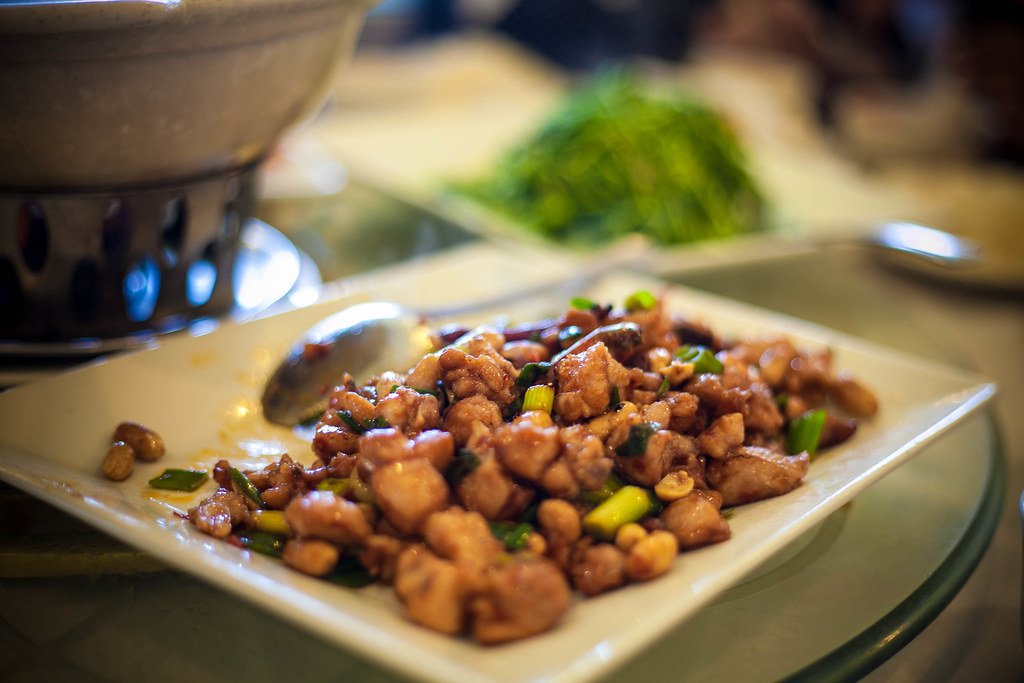
Today, Kung Pao Chicken continues to captivate food enthusiasts worldwide, transcending its cultural origins to become a symbol of the rich culinary heritage of China. The combination of spicy, savory, and nutty elements ensures that this dish remains a favorite in both traditional restaurants and contemporary homes, inviting everyone to explore its relentless appeal.
Why You’ll Love These Recipes
Kung Pao Chicken is a beloved dish known for its exceptional balance of flavors and textures. The combination of tender chicken pieces, crunchy peanuts, and vibrant vegetables results in a satisfying meal that delights the palate. What sets Kung Pao Chicken apart is its unique blend of spices, including the subtly spicy kick from Sichuan peppercorns and the contrasting sweetness of hoisin or oyster sauce. This harmonious interplay of flavors creates a dish that is both exciting and comforting.
One of the primary appeals of Kung Pao Chicken lies in its adaptability. These recipes can easily be customized to suit individual preferences, making them a great fit for diverse dietary needs. Whether one prefers a milder taste or craves an intense spiciness, there is ample room to adjust the level of heat by varying the amount of chili peppers and sauce. Furthermore, those with dietary restrictions can substitute chicken with tofu, shrimp, or even plant-based alternatives, without sacrificing authenticity or flavor.
The versatility of Kung Pao Chicken is not limited to protein choices. A variety of vegetables can be incorporated, such as bell peppers, zucchinis, or carrots, allowing one to make the dish their own while ensuring a plethora of textures. This means everyone can enjoy a version of Kung Pao Chicken that aligns with their tastes, whether they are following specific dietary guidelines or simply aiming for a balanced meal.
Overall, the delightful complexity of Kung Pao Chicken makes it a worthy candidate for home cooking. Each recipe not only promises deliciousness but also the satisfaction of crafting a meal tailored to one’s own dietary preferences.
Classic Kung Pao Chicken Recipe
Kung Pao Chicken is a quintessential dish in Sichuan cuisine, renowned for its unique blend of flavors and textures. The traditional recipe relies heavily on a few key ingredients: chicken thighs, peanuts, and Sichuan peppercorns, which together create a balanced yet exciting taste profile.
To prepare this classic dish, begin with the following ingredients: 500 grams of boneless, skinless chicken thighs, cut into bite-sized pieces, and 3 tablespoons of soy sauce. Marinate the chicken in the soy sauce for about 30 minutes to infuse it with flavor. In addition, gather 2 tablespoons of Chinese rice wine, 1 tablespoon of cornstarch, 1 tablespoon of vegetable oil, and 3 cloves of minced garlic. For the spicy kick, include 2 teaspoons of Sichuan peppercorns and 5-6 dried red chilies, and for crunch, have 100 grams of roasted peanuts ready to add at the end.
Start by heating the vegetable oil in a wok over medium-high heat. Once the oil is hot, add the Sichuan peppercorns and dried chilies, stir-frying for approximately 30 seconds to release their aromatic flavors. Next, incorporate the marinated chicken into the wok. Stir-fry the chicken until it is cooked through and lightly browned, which should take around 5 to 7 minutes.
As the chicken cooks, add the minced garlic, continuing to stir-fry for an additional minute. Afterward, sprinkle in the roasted peanuts and mix well. For added depth, you may also combine 1 tablespoon of sugar and 2 teaspoons of Chinese black vinegar, stirring them into the mixture and allowing it to sauté for a couple of minutes.
Finally, serve the Classic Kung Pao Chicken hot over steamed rice, allowing the rich and spicy flavors to meld together, providing an authentic taste reminiscent of its Sichuan roots. This recipe perfectly highlights the essential elements that characterize traditional Kung Pao Chicken, making it a delightful option for any dinner occasion.
Recipe 2: Spicy Garlic Kung Pao Chicken
This Spicy Garlic Kung Pao Chicken recipe presents a delightful twist on the traditional dish, perfect for anyone seeking an extra zing in their meal. To prepare this tantalizing dish, you will need the following ingredients: 1 pound of boneless, skinless chicken thighs cut into bite-sized pieces, 4 cloves of garlic finely minced, 3 tablespoons of vegetable oil, 1/4 cup of roasted peanuts, 1 bell pepper (red or green), chopped, 3 green onions sliced into rings, 2 tablespoons of soy sauce, 1 tablespoon of rice vinegar, and 2 tablespoons of chili paste to add that signature spiciness. Optionally, you can include Sichuan peppercorns for an authentic flavor enhancement.
The garlic in this recipe plays a vital role in elevating the overall taste profile of the Kung Pao Chicken. When sautéed, garlic releases a fragrant aroma and adds a depth of flavor that balances the spiciness of the dish beautifully. By incorporating garlic, you not only boost the health benefits—thanks to its immune-enhancing properties—but also achieve a savory contrast to the heat provided by chili paste and the crunch of the peanuts.
For those who prefer a milder version, consider adjusting the amount of chili paste based on personal preference. Reducing the chili paste to just one tablespoon can help tone down the heat while still maintaining the essence of the dish. Alternatively, replace the chili paste with sweet chili sauce if a sweeter flavor is favored without compromising the overall profile of the Spicy Garlic Kung Pao Chicken.
Kung Pao Chicken with Cashews
This unique variation of the traditional Kung Pao Chicken replaces peanuts with cashews, providing a delightful twist to this classic dish. Cashews offer a creamier texture and a milder flavor compared to peanuts, which can significantly alter the overall taste experience. The buttery richness of cashews pairs beautifully with the savory and spicy elements of Kung Pao Chicken, offering a luxurious mouthfeel that many diners appreciate.
To prepare Kung Pao Chicken with cashews, begin by marinating the chicken in soy sauce, rice vinegar, and a touch of cornstarch to tenderize the meat and enhance the sauce’s thickness during cooking. For optimal flavor, use fresh ginger and garlic, finely minced, as they will infuse the oil with aroma when sautéed. While cooking, be mindful of stir-frying the chicken until it is golden brown and tender, usually taking around 5-7 minutes.
Another key aspect of this recipe is the stir-frying technique. Ensure your wok or pan is preheated before adding the oil to create a non-stick cooking surface. When adding vegetables such as bell peppers and scallions, include them at different stages of cooking; cook the onions first for a few minutes to soften them, then add peppers, and finally, toss in cashews to lightly toast them. This approach not only preserves the crunchiness of the vegetables but also allows the cashews to impart their flavor throughout the dish.
For spice lovers, don’t shy away from incorporating dried red chilies to give the dish an extra kick. Remember to adjust the quantity according to your heat preference. Finally, the incorporation of cashews instead of peanuts elevates the dish, making it suitable for those with nut allergies or simply looking for a new culinary adventure. By following these handy tips and exploring this variant of Kung Pao Chicken, you can create a dish that is vibrant, flavorful, and pleasingly different.
Recipe 4: Vegetarian Kung Pao Chicken
Vegetarian Kung Pao Chicken offers a delightful twist on the traditional recipe while maintaining its core flavors. In this plant-based variation, tofu or tempeh serves as the primary protein source, ensuring the dish remains hearty and satisfying. By replacing chicken with these nutritious alternatives, you can create a delectable vegetarian experience that is both healthy and flavorful.
Start with firm or extra-firm tofu, which holds its shape during cooking. Press the tofu to remove excess moisture and cut it into bite-sized cubes. Alternatively, tempeh can be sliced thinly or crumbled, contributing a nutty flavor and chewy texture. To achieve the classic Kung Pao flavor profile, marinate the tofu or tempeh in a blend of soy sauce, rice vinegar, cornstarch, and sesame oil, allowing it to soak up the flavors for at least 20 minutes.
While the protein is marinating, prepare the vibrant array of vegetables typically found in Kung Pao Chicken. Bell peppers, onions, and zucchini work well, offering a mix of color and crunch. Incorporate roasted peanuts for added texture and to enhance the dish’s authenticity. For a spice kick, add dried red chilies or a splash of chili paste, adjusting the heat level according to preference.
Stir-fry the marinated tofu or tempeh along with the vegetables in a hot wok or non-stick skillet, ensuring the ingredients are cooked until they are tender yet crisp. Once everything is well combined, finish the dish with a drizzle of hoisin sauce and a sprinkle of green onions, bringing all the flavors together. Serve your Vegetarian Kung Pao Chicken over steamed rice or quinoa for a nutritious meal that everyone can enjoy.
Recipe 5: Slow Cooker Kung Pao Chicken
For those who appreciate the convenience of minimal hands-on cooking, a Slow Cooker Kung Pao Chicken is a perfect choice. Using a slow cooker allows for effortless meal preparation, transforming simple ingredients into a delicious dish with minimal effort. This method is particularly advantageous for individuals with busy schedules, as it requires little supervision once the ingredients are set.
To prepare your slow cooker version, start by dicing your chicken and marinating it with soy sauce, rice vinegar, and your selection of spices and seasonings. The marinade infuses the chicken with flavor while it gently simmers throughout the day. You can add other essential elements such as peanuts, bell peppers, and dried red chilies for a classic Kung Pao twist.
The cooking process for Slow Cooker Kung Pao Chicken differs from traditional stovetop methods. Typically, on a low setting, the dish can cook for about 4 to 6 hours, allowing the flavors to meld beautifully while rendering the chicken tender. Alternatively, if you are short on time, a higher setting cooks it in approximately 2 to 3 hours. During the last 30 minutes of cooking, it is advisable to stir in the peanuts to maintain their crunchiness, which is a vital textural component of the dish.
While many traditional recipes require constant monitoring and stirring, the slow cooker eliminates these steps, making it an ideal option for multitaskers. Just set it and let it work its magic. This energy-efficient appliance allows you to prepare a flavorful Kung Pao Chicken while managing other responsibilities, making it a practical addition to any culinary routine.
Tips for Perfecting Your Kung Pao Chicken
When it comes to creating the perfect Kung Pao Chicken, attention to detail is essential. Start with the ingredients—selecting high-quality, fresh components can significantly elevate the dish. Opt for organic chicken breast or thighs, as they tend to have superior flavor and texture. Additionally, always use dried red chilies that are vibrant in color, which ensures a more intense heat and delightful aroma.
Next, consider the balance of flavors which is paramount in Kung Pao Chicken. The dish is celebrated for its harmonious blend of spicy, sweet, and savory notes. To achieve this balance, you may need to adjust the amount of sugar and soy sauce used according to your taste preference. For those who enjoy more heat, feel free to include additional chilies; however, remember to taste as you go to avoid overpowering the other flavors.
Another factor to consider is the cooking technique. Stir-frying is the traditional method for preparing Kung Pao Chicken, and it is essential to ensure your wok is adequately heated before adding the ingredients. A hot wok allows for quick cooking and helps to seal in the flavors. Start by cooking the chicken until it is perfectly browned, then remove it from the pan before adding your vegetables and other ingredients. This step prevents the chicken from overcooking and maintains its juiciness.
Incorporating a touch of cornstarch to create a marinade for your chicken can also enhance the texture, giving it a tender bite. Lastly, cooking the dish in small batches can help achieve the desired wok hei, or ‘breath of the wok,’ which provides a unique flavor profile that is characteristic of authentic Kung Pao Chicken. Following these tips will certainly guide you toward a delicious and satisfying dish.
Conclusion and Call to Action
In this blog post, we explored five delightful recipes for Kung Pao Chicken, each offering a unique twist on the classic dish. From the traditional style to creative adaptations like the vegetarian version, these recipes allow you to experience different flavor profiles while enjoying the beloved taste of Kung Pao Chicken. Whether you prefer a fast and easy method, a slow-cooked variant, or a health-conscious approach, there is a recipe here to suit your culinary preferences.
Trying your hand at these dishes not only enhances your cooking skills but also lets you enjoy a meal that is packed with protein and bold flavors. The combination of spicy, sweet, and savory elements characteristic of Kung Pao Chicken is sure to satisfy your palate. We encourage you to experiment with the ingredients and techniques presented in these recipes, adapting them to meet your taste or dietary needs.
We invite you to share your experiences after trying these Kung Pao Chicken recipes. Have you made any interesting variations? Did you discover a new favorite among the five recipes? Your feedback and insights are invaluable, and your shared culinary adventures can inspire other food enthusiasts as well. Join our community of cooking aficionados and let us all celebrate the art of preparing delicious meals together.
Start cooking today, and don’t forget to connect with us on social media or drop a comment below to tell us how your Kung Pao Chicken journey unfolds!