
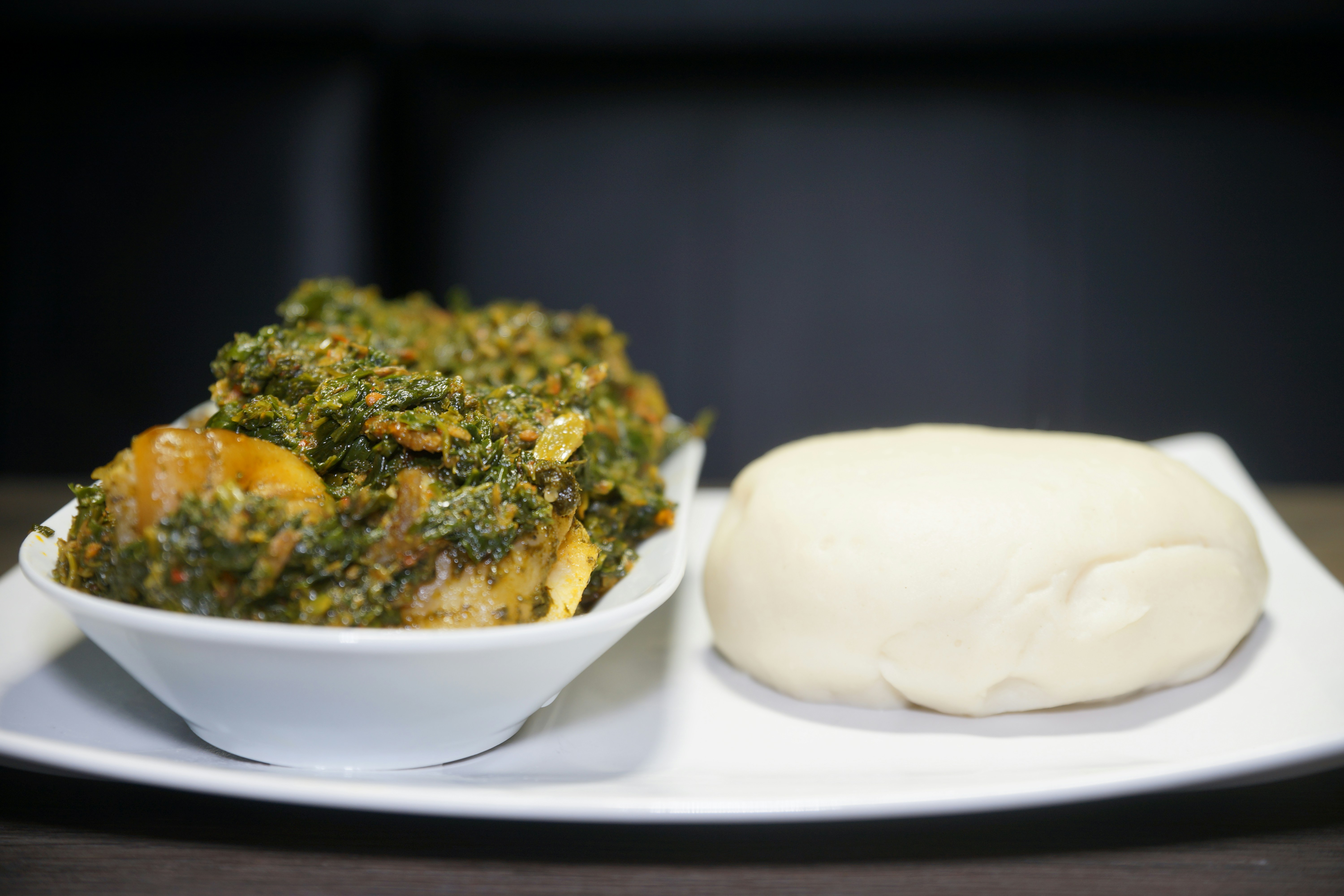
Introduction to Egusi
Egusi, also known as melon seed, is derived from the seeds of various cucurbits, notably the African horned melon and other similar plants. Recognized for its rich, nutty flavor and nutritional profile, egusi has garnered significant popularity in West African cuisines, notably in Nigeria, Ghana, and southern Cameroon. Its versatility in cooking allows it to feature prominently in a variety of traditional dishes, particularly soups and stews.
Nutritionally, egusi is packed with protein, healthy fats, and essential vitamins and minerals. This nutrient-dense seed is especially valued for its high fat content, which contributes to its rich flavor and creamy texture when cooked. Furthermore, egusi seeds are a good source of antioxidants, promoting overall health by combating oxidative stress in the body. As a result, egusi not only enhances culinary experiences but also adds substantial nutritional benefits.
In traditional recipes, egusi is typically ground into a fine powder and incorporated into dishes either as a thickening agent or as a main ingredient. The seeds can be prepared in various ways, such as roasted, boiled, or ground, leading to distinct flavors and textures. Egusi soup, one of the hallmark dishes featuring this ingredient, often combines vegetables, meats, and spices, resulting in a hearty and flavorful meal. Beyond soups, egusi can also be transformed into dishes like egusi pancakes and snacks, showcasing its remarkable adaptability.
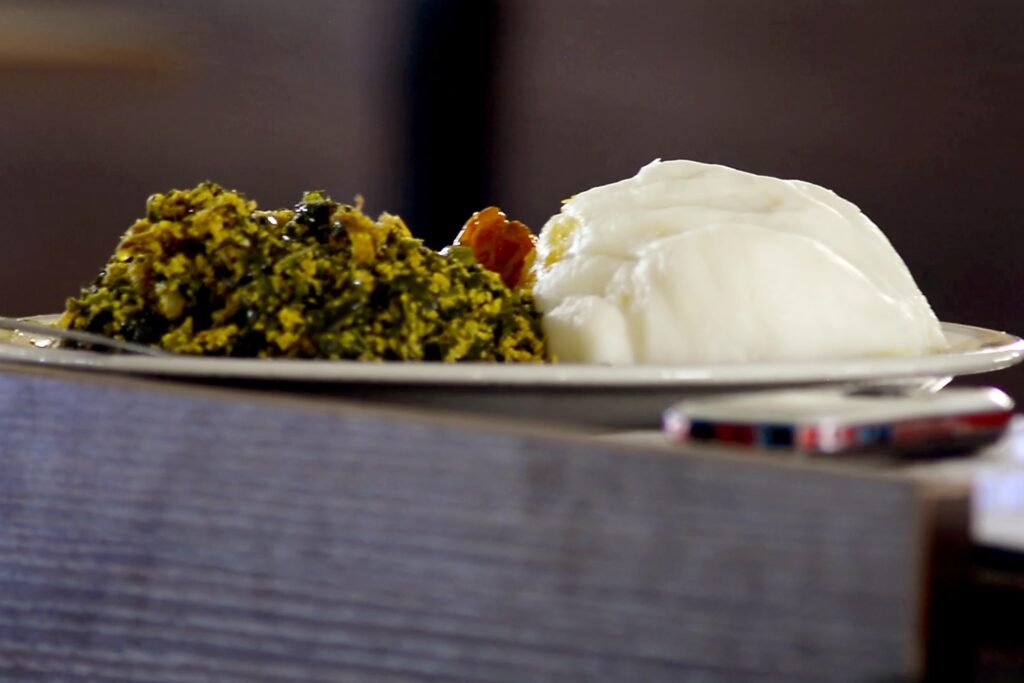
This blog post will explore several delicious variations of egusi recipes, each highlighting the exceptional qualities of this remarkable ingredient. From traditional stews to innovative culinary approaches, egusi proves to be a delightful addition to a wide array of meals.
Classic Egusi Soup
Classic Egusi Soup is a cherished staple in many West African households, celebrated for its rich flavors and hearty texture. To prepare this traditional dish, the primary ingredient is ground egusi seeds, which are packed with nutrients and contribute to the soup’s distinctive taste. Here’s how to create this delightful dish.
Ingredients: For a serving of four, you will need 2 cups of ground egusi seeds, 1 pound of assorted meats (such as goat, beef, or chicken), 1 cup of palm oil, 2 cups of chopped spinach or waterleaf, 1 large onion (diced), 2 cups of beef or chicken stock, and a blend of spices including salt, pepper, and ground crayfish.
Instructions:
- Begin by boiling the assorted meats in a pot with diced onions and salt until tender. Strain the meats and retain the stock for the soup.
- In a separate pot, heat the palm oil over medium heat until it becomes clear. Add the diced onions and sauté until golden brown.
- Gradually mix in the ground egusi seeds, stirring consistently to create a paste. Allow this mixture to cook for approximately 10 minutes.
- Slowly incorporate the meat stock into the mixture while continuing to stir. This will help to form a thick consistency.
- Add the pre-cooked meats, and season the soup with pepper, ground crayfish, and any additional spices to your taste.
- Introduce the chopped spinach or waterleaf, allowing the soup to simmer for another 10-15 minutes to meld the flavors beautifully.
For the best results, ensure that the soup achieves a thick, rich texture, which can be adjusted by varying the amount of stock added. Classic Egusi Soup is traditionally served with fufu or rice, making for a complete and satisfying meal. The combination of robust flavors highlights the versatility of this classic dish, appealing to diverse palates and occasions.
Egusi Fritters (Patties)
Egusi fritters, an innovative take on traditional egusi dishes, present a delightful option for snacking or as a tasty appetizer. These fritters blend the unique flavor of ground egusi seeds with a medley of vegetables and spices, creating a savory treat that is crispy on the outside and soft on the inside. This recipe will introduce you to the delicious potential of egusi when crafted into fritters.
To prepare the egusi fritters, begin by gathering the following ingredients: 1 cup of ground egusi seeds, 1 medium onion (finely chopped), 1 bell pepper (diced), 2 cloves of garlic (minced), 1-2 green chilies (chopped, optional), 1/2 teaspoon of baking powder, 1/4 cup of all-purpose flour, water as needed, and salt and pepper to taste. The combination of these ingredients will ensure a balanced flavor profile.
Start by mixing the ground egusi with the chopped onion, bell pepper, garlic, and optional green chilies in a bowl. Sprinkle in the baking powder and season with salt and pepper. Gradually add water to the mixture until it reaches a slightly thick batter consistency. Incorporate the flour to bind the ingredients together.
Next, heat oil in a frying pan over medium heat. Once hot, carefully drop spoonfuls of the egusi batter into the oil, ensuring they do not overcrowd the pan. Fry for about 3-4 minutes on each side or until golden brown. Remove the fritters and place them on paper towels to absorb excess oil.
Egusi fritters are excellent served warm, accompanied by a variety of dipping sauces such as spicy mayonnaise, sweet chili sauce, or a tangy yogurt dip. These fritters can also be enjoyed alongside a fresh salad for a complete meal. With their rich flavor and enticing crunch, egusi fritters are an ideal option to diversify your selection of egusi recipes.
Egusi Porridge
Egusi porridge presents a delightful twist on the traditional breakfast option, offering a hearty and nutritious meal. Typically made by incorporating ground egusi seeds, this dish is not only appetizing but also packed with health benefits. The egusi, rich in protein and healthy fats, contributes to making the porridge filling, ensuring sustained energy throughout the morning.
To prepare egusi porridge, the common ingredients you will need include ground egusi seeds, water, a choice of sweetener such as honey or agave syrup, and optional fruits or nuts for toppings. The preparation begins by mixing the ground egusi with water to achieve a creamy consistency. Generally, a ratio of 1 cup of egusi to 2 cups of water is recommended, but this can be adjusted based on your desired thickness.
Once blended, the mixture should be simmered on low heat while stirring continuously to avoid lumps. This cooking process typically takes about 10 to 15 minutes, during which the porridge will thicken. As it cooks, you have the opportunity to customize the flavors; for instance, adding a pinch of cinnamon or vanilla can elevate the taste profile.
After the egusi porridge has reached your preferred consistency, you can personalize it further with toppings. Fresh fruits such as bananas or berries provide a refreshing contrast to the rich nutty flavor of the egusi, while nuts add a crunch that enhances the texture. Drizzling honey not only sweetens the dish but also introduces additional health advantages. By tailoring the toppings, you create a unique breakfast experience that caters to your taste preferences.
In summary, egusi porridge is a versatile and nutritious meal option. It allows for creative expression in the kitchen while promoting a healthy diet, making it a worthy addition to any breakfast repertoire.
Baked Egusi and Vegetable Casserole
Baked egusi and vegetable casserole is a delightful dish that highlights the versatility of egusi seeds complemented by fresh seasonal vegetables. This innovative recipe not only offers flavor but also incorporates a finely balanced mix of nutrients, making it an excellent choice for meals at any time of the day.
To prepare the casserole, start by gathering a selection of seasonal vegetables such as zucchini, bell peppers, and spinach, which lend a refreshing contrast to the rich and nutty flavor of egusi. Preheat your oven to 375°F (190°C). In a mixing bowl, combine ground egusi seeds with water to create a creamy texture, then add diced vegetables, chopped onions, and garlic for added depth. Spice it up with salt, pepper, and a pinch of cayenne pepper, ensuring that the flavors meld beautifully.
Next, layer the mixture into a greased baking dish, and top it off with shredded cheese for a golden crust. Cover the dish with aluminum foil to retain moisture during the initial baking phase. Bake for approximately 25-30 minutes, then remove the foil and allow the casserole to bake for an additional 10-15 minutes until it is golden and bubbly.
This casserole not only serves as a hearty main dish but also makes for a great side option at gatherings or a simple family dinner. It can be enjoyed warm or at room temperature, making it truly versatile. Experimenting with different spices and vegetables can personalize the dish further, so don’t hesitate to add your favorite ingredients. Whether you’re a long-time lover of egusi or new to its rich flavor profile, this baked egusi and vegetable casserole is sure to impress.
Egusi Stew with Chicken and Mushrooms
Egusi stew is a celebrated dish in many West African cuisines, known for its rich, hearty texture and deep flavors. This variation incorporates succulent chicken and earthy mushrooms, creating a delightful combination that is both savory and satisfying. To begin, gather your ingredients: 2 cups of ground egusi seeds, 500 grams of chicken (preferably thighs for juiciness), 1 cup of diced mushrooms, 1 large onion, 3 cloves of garlic, 2 tablespoons of tomato paste, 1 red bell pepper, 2 cups of chicken broth, and a selection of spices including salt, pepper, and cayenne pepper to taste.
Start by sautéing the chopped onions and minced garlic in a pot until they are fragrant and translucent. Next, add the diced chicken pieces to the pot, seasoning them lightly with salt and pepper. Cook until the chicken is browned on all sides, which should take about 5 to 7 minutes. Incorporating the mushrooms at this stage will allow them to absorb the flavors of the stew as they cook down alongside the chicken.
Once the chicken and mushrooms are nicely browned, stir in the tomato paste and chopped red bell pepper. Cook for an additional few minutes before adding the chicken broth to the mix. Bring the mixture to a gentle simmer, allowing it to cook for about 15 minutes. This simmering process is key to developing the rich flavors that egusi stew is known for.
After 15 minutes, gradually whisk in the egusi seeds, making sure they dissolve properly in the stew. Allow the stew to cook uncovered for another 10 to 15 minutes, stirring occasionally. For a vegetarian version, substitute the chicken with a medley of vegetables or plant-based protein like tofu, maintaining the bulk of flavor with mushrooms and spices. Regardless of the substitution, this hearty egusi stew can be enjoyed with rice, fufu, or your preferred side dish.
Tips for Cooking with Egusi
Cooking with egusi, or melon seeds, can be a delightful experience, especially when the seeds are high-quality and well-prepared. The first step to achieving culinary success with egusi is selecting the right seeds. Look for egusi that is plump, clean, and free of any mold or off-putting odors. Fresh seeds typically have a creamy white or off-white appearance, which indicates recent harvesting. Purchasing from a reliable source, such as an ethnic grocery store or a trusted online retailer, can also positively impact the quality of your final dish.
Storage methods are crucial in maintaining the integrity of egusi seeds. To ensure longevity, keep the seeds in a cool, dark place in an airtight container. Storing them in the refrigerator can further prolong their freshness. It is advisable to use egusi within six months to a year for optimal flavor and nutritional benefits. When preparing egusi for cooking, it is often effective to toast the seeds lightly in a dry skillet. This enhances their flavor and aroma, contributing a nutty character to the overall dish.
When it comes to cooking egusi, there are several best practices to consider. Blending the seeds into a fine paste with water can yield a creamy texture that melds beautifully with other ingredients. Furthermore, incorporate vegetables, proteins, and healthy fats for a balanced meal. Egusi dishes go exceptionally well when paired with sides like fufu, rice, or plantains, which provide a satisfying contrast of textures. Complementary sauces, such as tomato or pepper-based sauces, can enrich the dish, adding depth to the flavors. Experimenting with spices and herbs also allows you to personalize your egusi creations and enhance their nutritional profile.
Cultural Significance of Egusi Dishes
Egusi, the ground seeds of melons, holds a significant place in various West African cultures, serving as a culinary centerpiece that represents community, heritage, and identity. Throughout regions such as Nigeria, Ghana, and Benin, egusi dishes are not merely meals but a form of cultural expression, often associated with important celebrations and communal gatherings. These dishes are traditionally prepared during festive occasions like weddings, birthdays, and religious ceremonies, embodying a sense of togetherness and shared heritage.
Moreover, egusi is an integral component of family meals, fostering connections among family members. The preparation of egusi soup or stew often involves collaboration, as families come together to pound, mix, and cook the ingredients. This nurturing process reinforces familial bonds and cultural traditions, which are passed from generation to generation. Home cooks often express their fond memories associated with egusi dishes, citing experiences of learning recipes from their parents or grandparents, which further highlights the intergenerational transmission of culinary knowledge.
Culinary experts frequently emphasize egusi’s role in the cultural landscape. Chef Tunde, a well-known figure in the West African culinary scene, notes, “Egusi dishes are more than just sustenance; they are a celebration of our rich culture and history. Every bite tells a story connected to our ancestors and traditions.” This sentiment is echoed widely, reflecting a collective appreciation for the way egusi unites individuals and communities across varied backgrounds.
In essence, egusi dishes not only satisfy hunger but also encapsulate the essence of African cultural identity, demonstrating the profound connection between food, tradition, and community spirit.
Conclusion and Call to Action
As we wrap up our exploration of the delightful world of egusi recipes, it is evident that these variations offer a unique twist on traditional flavors. From egusi soup infused with aromatic herbs to the vibrant textures of egusi pancakes, each recipe presents a delicious opportunity to experience this nutritious seed in new and exciting ways. We encourage you to experiment with these recipes, making them your own by altering ingredients or combining techniques. There is no single way to enjoy egusi, which is part of what makes it such a versatile staple in many culinary traditions.
We invite you to take the initiative and try out the recipes featured in this post. Share your culinary journey, techniques, and personal touches to your egusi dishes. Your contributions can inspire others and create a rich exchange of ideas within our community. Whether it’s a secret ingredient you’ve discovered or a time-saving tip, your input is valued and can enhance the collective culinary prowess of our readers.
Furthermore, if you have your own unique egusi recipe or variation not covered here, we would love to hear from you! Please drop a comment below or share your creation with us on social media. By doing so, you not only join the conversation but also contribute to a growing resource of egusi recipes that others can enjoy.
For more culinary inspiration, tips, and recipes, we encourage you to follow our blog. Together, let’s continue to celebrate the rich flavors and diversity of dishes that egusi can bring to our tables. Happy cooking!