
Introduction to Nihari: A Historical Perspective
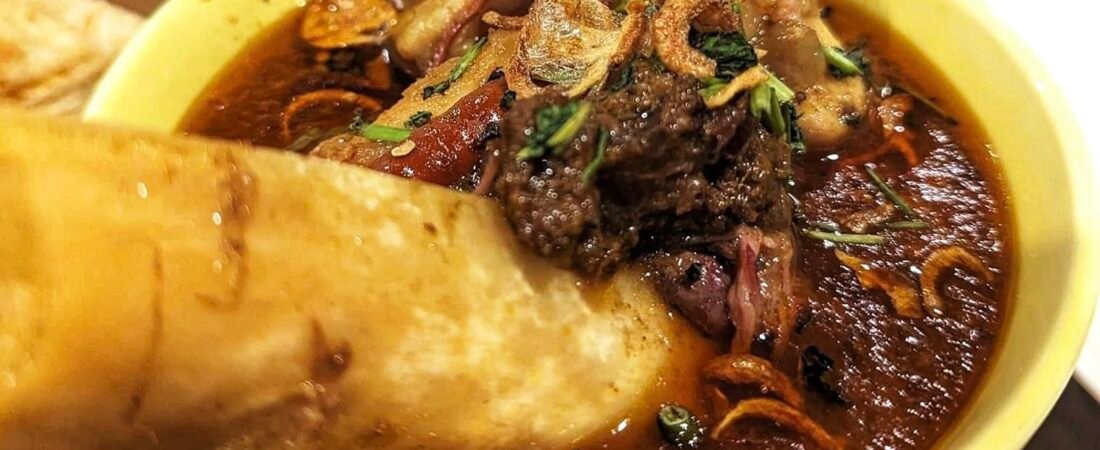
Nihari is a flavorful slow-cooked stew that holds a significant place in the culinary heritage of South Asia, especially within the regions of Pakistan and India. This dish has its roots tracing back to the Mughal Empire in the 13th century, where it was originally a hearty meal for the royal court. The term ‘Nihari’ comes from the Arabic word ‘Nahar,’ which means ‘day,’ and it was traditionally served as a breakfast dish to provide sustenance for laborers and royal officials alike who required energy for their day’s work.
Over the centuries, Nihari has evolved from its imperial beginnings into a beloved comfort food enjoyed across various communities. Different regions in South Asia have adopted and adapted the dish, leading to a plethora of local variations that reflect the rich tapestry of culinary influences. For example, while the traditional version often features tender lamb or beef, some areas might use buffalo meat or chicken, incorporating unique spices and cooking techniques that enhance the flavor profile.
In addition to its savory depth, Nihari is notable for its preparation method. The dish is typically cooked overnight, allowing the flavors to meld beautifully, making it a labor of love. The process involves simmering meat with spices such as ginger, garlic, and a blend of aromatic seasonings, which creates a fragrant and rich gravy. By the time morning arrives, the dish is not just ready to eat, but has become an integral part of social gatherings and celebrations.
As we explore Nihari further, it becomes essential to appreciate its traditional ingredients and cooking methods that contribute to its distinct taste and cultural significance. This understanding not only enriches the dining experience but also honors the legacy of a dish that continues to captivate the palates of many.
Essential Ingredients and Equipment for Cooking Nihari
To successfully prepare Nihari, one must gather a selection of essential ingredients that define its rich and hearty flavor. The primary component of Nihari is high-quality meat, traditionally including cuts such as beef shank or lamb. These cuts are valued for their ability to break down during slow cooking, yielding tender, flavorful results. Opting for fresh, hormone-free meat contributes significantly to the dish’s overall authenticity.
Equally important are the spices that characterize this classic dish. A well-rounded Nihari often includes spices such as cumin, coriander, and garam masala, alongside chili powder for heat. To achieve the signature depth of flavor, a blend of ginger and garlic paste is essential, as it adds complexity to the dish. Additionally, incorporating whole spices such as cloves and cardamom can enhance the aroma significantly.
Garnishes also play a crucial role in completing Nihari. Freshly chopped cilantro, sliced green chilies, and a drizzle of lime juice add brightness and freshness that cut through the richness of the meat. These elements elevate the dining experience, making every bowl of Nihari delightful.
Proper equipment is equally critical to achieving a successful Nihari. A heavy-bottomed pot or Dutch oven is recommended for the slow cooking process, ensuring even heat distribution that helps tenderize the meat. A sturdy ladle is essential for stirring and serving the dish, while a set of serving dishes will allow for easy presentation at the dinner table. Investing in high-quality tools, alongside fresh ingredients, will greatly enhance your Nihari cooking experience.
Step-by-Step Guide to Cooking Nihari Like a Pro
Cooking Nihari starts with selecting the right ingredients, predominantly tender cuts of beef or lamb. Begin by gathering your meat, along with spices such as ginger, garlic, and garam masala, along with a few essential vegetables like onions and tomatoes. Once you have all your ingredients ready, start with the preparation phase, as it is crucial for building a rich flavor.
Start by slicing the onions thinly, as they will be the base of your sauce. Heat a deep pot over medium heat and add ghee or oil, allowing it to warm before adding the onions. Sauté the onions until they are golden brown. This process usually takes around 10 minutes and should be monitored closely to avoid burning. Once browned, add the ginger and garlic paste, cooking for another 2 to 3 minutes until fragrant.
Next, incorporate your meat into the pot. Brown the meat thoroughly on all sides; this step locks in flavor. It typically takes about 5 to 7 minutes. After browning, add the spices and any additional ingredients like chopped tomatoes. It is essential to stir well, ensuring the spices are evenly coated on the meat. After approximately 5 minutes, introduce enough water to cover the meat, and bring the mixture to a boil.
Reduce the heat to low after boiling and cover the pot. The cooking time can vary depending on the meat’s tenderness; for beef, it may take 2 to 3 hours. A low and slow cooking approach allows the meat to become tender while developing a deep flavor in the broth. Regularly check the liquid level and add water if necessary to avoid burning. If you encounter a greasy layer on top of the Nihari, skimming it off will enhance its quality. Finally, before serving, garnish with fresh cilantro and serve with naan or rice for a complete meal.
Serving Suggestions and Tips for Enjoying Nihari
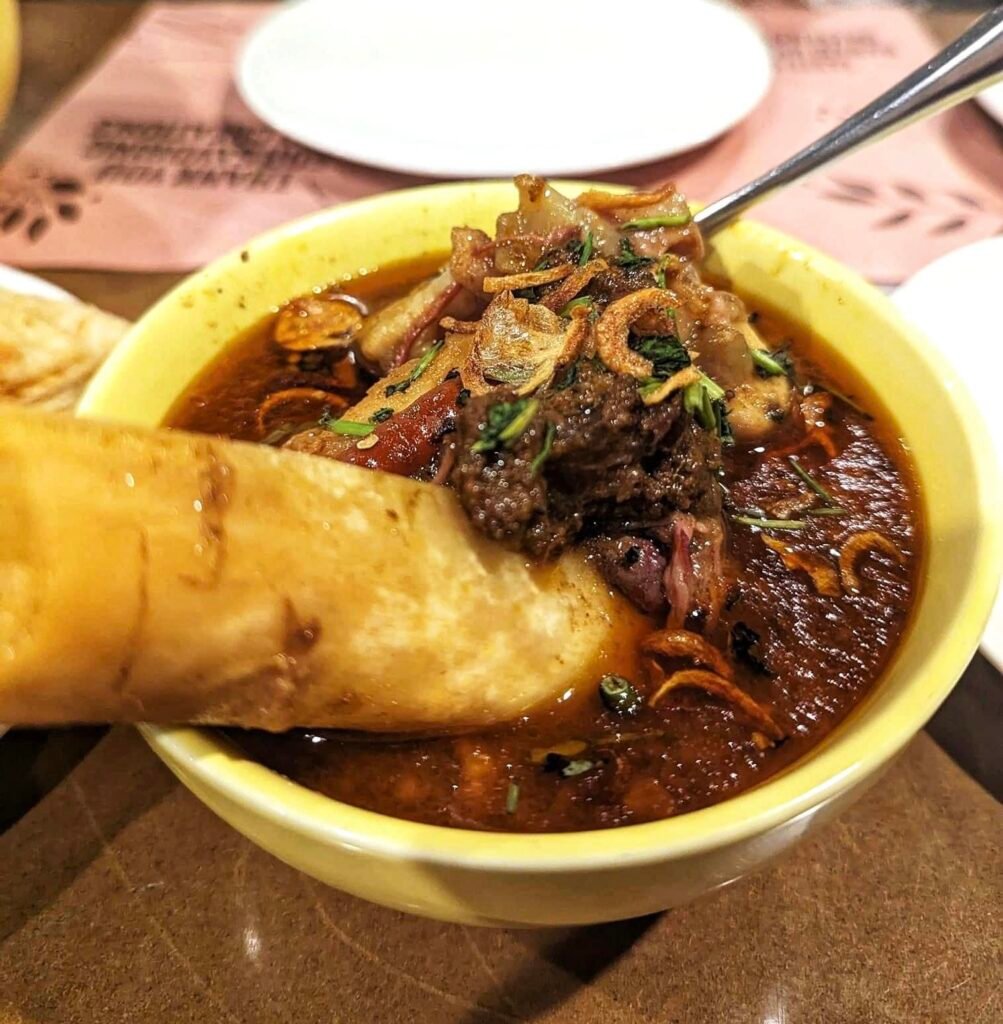
Nihari is a celebrated dish, known for its rich flavors and aromatic spices, and its presentation can enhance the dining experience significantly. Traditionally, Nihari is served hot and is best accompanied by fluffy naan or steamed basmati rice. The choice between naan and rice often depends on personal preference, but both serve as excellent vehicles for absorbing the luscious gravy.
For garnishing Nihari, freshly chopped coriander, slivers of ginger, and a squeeze of lemon add a refreshing touch. These ingredients not only elevate the dish’s appearance but also complement its deep, savory notes. Additionally, serving it with an assortment of chutneys can further enhance the flavor profile. Popular options include mint chutney, which provides a cool contrast, and spicy chili chutney for a kick of heat.
When selecting beverages to pair with Nihari, opt for traditional choices such as sweet lassi or masala chai. These drinks not only help to balance the spices but also refresh the palate. Alternatively, a chilled glass of salty lemonade can also serve as an excellent accompaniment.
Storing leftover Nihari requires some attention to ensure it retains its flavor. It is advisable to refrigerate the dish in an airtight container. When reheating, do so gently over low heat on the stovetop, adding a splash of water if necessary to prevent the gravy from drying out. This method will help maintain the authenticity and taste of Nihari, allowing you to enjoy this delectable dish over multiple meals. For optimal results, it is recommended to consume leftovers within a few days for the best flavor profile.