
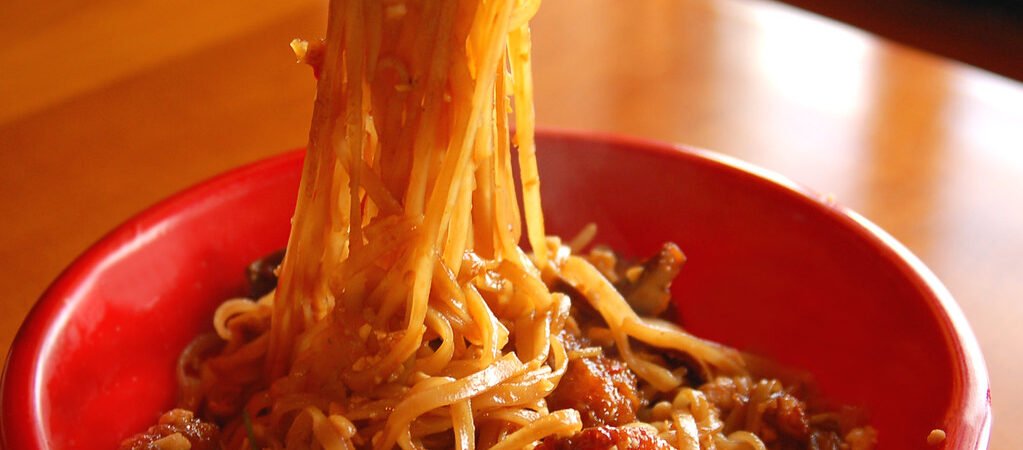
Understanding the Origins of Pad Thai
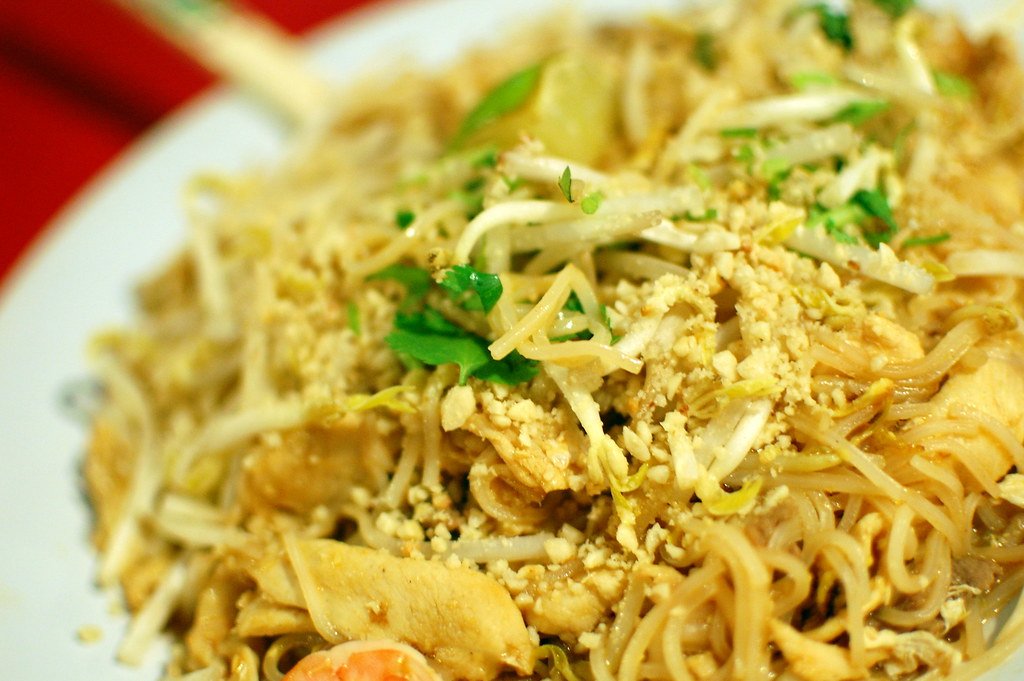
Pad Thai is not just a dish; it is a cultural emblem of Thailand, embodying a rich history and a blend of culinary traditions. The origins of Pad Thai trace back to the early 20th century, during a time when Thailand sought to unify under a national identity. The government, under Prime Minister Plaek Phibunsongkhram, emphasized the importance of a national cuisine that could be recognized worldwide. This initiative aimed to promote Thai food as a staple within the country and abroad, leading to the popularization of Pad Thai.
As a result, Pad Thai quickly evolved from a street food staple to a symbol of Thai cuisine, representing the fusion of various influences. It features rice noodles stir-fried with eggs, tofu, and a mix of shrimp or chicken, enhanced by a distinctive combination of flavors. The dish’s signature taste comes from the use of tamarind paste, which adds a tangy sweetness, combined with the savory notes of fish sauce and the crunch of roasted peanuts. The aromatic touch of cilantro and green onions further elevate its flavor profile, demonstrating the balance that embodies Thai cooking.
Regionally, variations of Pad Thai exist, influenced by local ingredients and preferences. For instance, some versions may incorporate different proteins like crab or use different vegetables, showcasing the dish’s adaptability. Furthermore, the way Pad Thai is served can vary from the bustling street vendor presentations to more refined restaurant offerings. This versatility not only highlights Pad Thai’s unique regional significance but also emphasizes its status as an iconic dish in Thai culinary heritage. Today, Pad Thai continues to delight both locals and tourists, melding tradition with innovation, making it a quintessential representation of Thailand’s vibrant food culture.
Essential Ingredients for Authentic Pad Thai
Pad Thai is a celebrated dish that marries flavors and textures harmoniously, making it essential to select the right ingredients. The foundation of this iconic Thai recipe lies in its noodles. Authentic Pad Thai typically utilizes rice noodles, specifically flat rice noodles, which come in varying widths. It is advisable to choose the 3-5 mm width for a balanced texture, allowing them to absorb the flavorful components of the dish while maintaining some chewiness.
Protein is another vital element in authentic Pad Thai. Common choices include shrimp, chicken, or tofu. Shrimp provides a delicious seafood component, whereas chicken offers hearty protein. For a vegetarian or vegan alternative, firm tofu is an excellent choice that can soak up the flavors well when marinated appropriately. Each of these proteins contributes a unique flavor profile, enriching the overall taste of the dish.
In terms of vegetables, fresh bean sprouts, chives, and peanuts are indispensable. Bean sprouts add a refreshing crunch, while chives provide aromatic hints that elevate the dish. Crushed peanuts act as a finishing touch, introducing nuttiness and texture that complements the other ingredients beautifully.
A key factor in Pad Thai’s flavor profile is the sauce, which typically consists of tamarind paste, fish sauce, and palm sugar. Tamarind imparts a distinct tanginess, while fish sauce adds a savory depth. Alternatively, for a vegetarian option, mushroom sauce can be utilized. The sweetness from palm sugar helps to balance the dish’s overall profile, creating a delightful blend of flavors.
When sourcing these essential ingredients, consider visiting local Asian grocery stores or markets, as they often carry authentic items that ensure the best results. Look for reputable brands when selecting sauces and noodles, as those with a higher quality will ultimately enhance your Pad Thai experience. By carefully choosing the right ingredients, you can create a truly authentic Pad Thai that embodies the rich culinary heritage of Thailand.
Step-by-Step Cooking Instructions
To begin with, gather all necessary ingredients to ensure a smooth cooking process. For authentic Pad Thai, you will need rice noodles, shrimp (or chicken/tofu as alternatives), eggs, bean sprouts, green onions, peanuts, garlic, and the essential Pad Thai sauce, which typically includes tamarind paste, fish sauce, sugar, and chili powder. Having these on hand makes the cooking procedure more efficient.
Start by soaking the rice noodles in warm water for about 30 minutes until they are softened, but still firm enough to handle. After soaking, drain and set aside. Meanwhile, prepare the Pad Thai sauce by mixing tamarind paste, fish sauce, sugar, and chili powder in a bowl; adjust the ingredients according to your taste.
Next, heat a wok or a large pan over medium-high heat and add a tablespoon of oil. Once the oil is shimmering, add minced garlic and sauté for 10-15 seconds until fragrant. If using shrimp, add them at this point and cook until they turn pink. For chicken or tofu, ensure they are fully cooked before proceeding.
Push the protein to one side of the pan and crack in one or two eggs, scrambling them until fully cooked. Incorporate the drained noodles into the pan, followed by the prepared Pad Thai sauce. Toss everything together gently, ensuring the noodles are well-coated with the sauce. It is essential to keep the noodles moving in the pan to prevent sticking.
Incorporate bean sprouts and chopped green onions, continuing to stir-fry for an additional one to two minutes. After you achieve the desired texture, taste and adjust the seasoning if necessary. Once plated, garnish your Pad Thai with crushed peanuts, lime wedges, and fresh herbs as desired. Be mindful of common mistakes, like overcooking the noodles or under-seasoning the dish, as these can significantly affect the overall flavor and texture.
Tips and Variations for Personalizing Your Pad Thai
Pad Thai is an incredibly versatile dish that can be tailored to accommodate a variety of dietary needs and personal tastes. To begin personalizing your Pad Thai, consider the use of different proteins. Traditional recipes often feature shrimp, chicken, or tofu, but you can also experiment with other protein sources such as tempeh or seitan for a diverse flavor profile. For those following vegetarian or vegan diets, simply omit any animal-derived ingredients or incorporate plant-based alternatives.
One effective method for customizing the flavor profile of Pad Thai is by altering the sauce components. The classic sweet, salty, and tangy sauce typically incorporates tamarind paste, fish sauce, and sugar. However, you can create a vegan sauce by substituting fish sauce with soy sauce or liquid aminos, and using agave syrup or maple syrup in place of sugar. Additionally, adding a splash of lime juice or chili sauce can enhance the dish’s overall brightness and spice levels.
When it comes to toppings, the options are abundant. Consider adding crushed peanuts, bean sprouts, scallions, or fresh cilantro for a texture and flavor boost. For an extraordinary twist, try using pickled radishes or a sprinkle of sesame seeds. These ingredients not only enrich the visual presentation of your dish but also contribute complex flavors that can elevate the dining experience.
Furthermore, Pad Thai pairs wonderfully with various side dishes. A simple cucumber salad dressed with rice vinegar creates a refreshing contrast to the richness of the Pad Thai. Alternatively, serving a light soup, such as a clear broth with herbs, can complement the meal beautifully. With these options, you can ensure that your Pad Thai not only fits your dietary preferences but also aligns with your personal culinary style.