
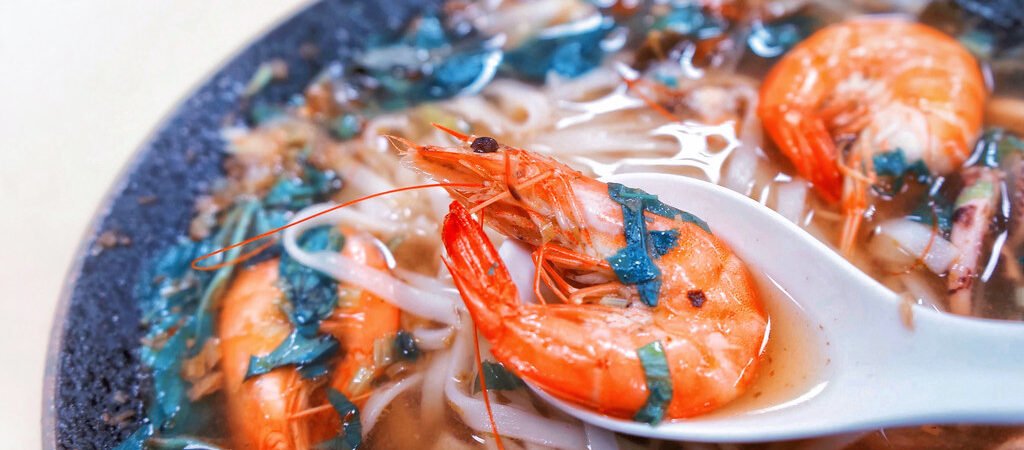
Understanding Pho: The Origins and Components
Pho is not just a dish; it is a cultural emblem that is deeply woven into the fabric of Vietnamese history and identity. Originating in the early 20th century in Northern Vietnam, pho evolved against the backdrop of a nation influenced by Chinese and French culinary traditions. Initially sold by street vendors, this noodle soup has gained international recognition, symbolizing the rich culinary landscape of Vietnam.
The essence of pho lies in its intricate components. Central to the dish is its broth, which serves as the foundation of flavor. A traditional pho broth is crafted by simmering beef bones, spices, and aromatics for hours, resulting in a clear, aromatic soup that is both nourishing and comforting. The careful selection of spices—often including star anise, cinnamon, and cloves—imparts a unique depth of flavor, distinguishing pho from other noodle soups.
Equally important are the rice noodles, known as bánh phở. These flat noodles, typically made from rice flour and water, provide the perfect texture to complement the savory broth. The choice of noodle thickness can vary, contributing to the regional diversity of pho. In Hanoi, for instance, the noodles tend to be more delicate, while in Ho Chi Minh City, a heartier variant is often preferred.
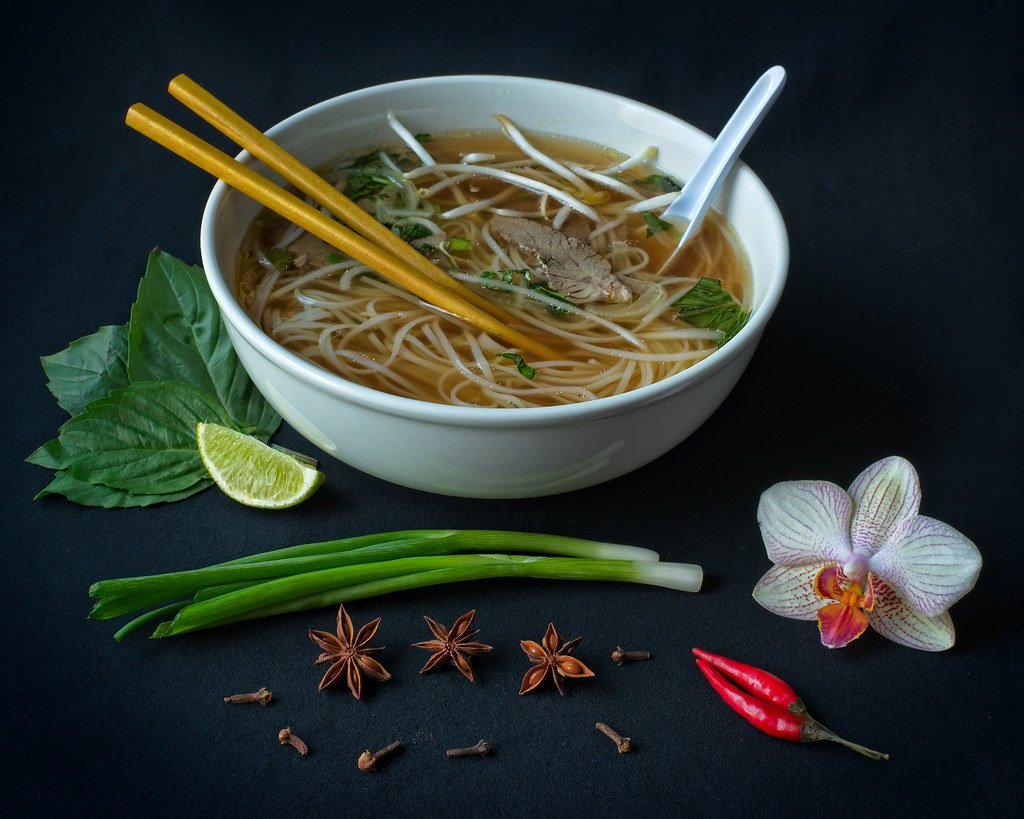
Accompanying the broth and noodles are an array of garnishes that contribute to the overall experience. Fresh herbs such as basil and cilantro, along with lime wedges and bean sprouts, add vibrant flavors and textures, allowing individuals to customize their bowls. Regional variations abound, with each area bringing its own unique twist to this beloved dish, showcasing the artistry involved in creating a perfect bowl of pho. Understanding these components not only enhances appreciation for the dish but also connects diners to its storied heritage.
Essential Ingredients for Authentic Pho
To craft an authentic pho, understanding the essential ingredients is crucial. The foundation of any great pho begins with the broth, often made from beef or chicken bones. For beef pho, a combination of larger bones such as shank and knuckle is preferred, while a whole chicken or chicken carcass can serve as the base for chicken pho. This choice of protein significantly influences the flavor profile, so select high-quality sources to ensure depth and richness in your broth.
Next, aromatic spices play a pivotal role in achieving an authentic pho experience. Traditional spices include star anise, cinnamon, cloves, coriander seeds, and black cardamom. Toasting these spices lightly in a dry pan before adding them to the broth enhances their flavor. Additionally, fresh herbs such as Thai basil, cilantro, and green onions are essential for garnishing and should ideally be sourced fresh to maintain potency.
In addition to the primary ingredients, consider the inclusion of a variety of vegetables and condiments to elevate your pho. Bean sprouts, lime wedges, and sliced chili peppers add freshness and complexity. Hoisin sauce and Sriracha are also frequently served on the side, allowing each individual to adjust the flavor to their preference.
For those who may have difficulty locating certain traditional ingredients, substitutions are possible. For instance, if you cannot find fresh herbs like Thai basil, sweet basil can work in a pinch, though the flavor will differ slightly. Whatever the case, ensure that the ingredients are as fresh and high-quality as possible, as this will significantly impact the authenticity and overall taste of your homemade pho.
Step-by-Step Guide to Preparing Pho Broth
To create an authentic and rich pho broth, it is essential to start with high-quality ingredients and a meticulous approach. Begin by selecting your base protein, typically beef or chicken, as this will greatly influence the flavor profile. For beef pho, using oxtails, brisket, or marrow bones is recommended, while for chicken pho, whole chickens or chicken carcasses work well.
The first step in preparing your broth is to roast the spices that will infuse the broth with rich flavors. Common spices used in pho include star anise, cinnamon sticks, cloves, coriander seeds, and cardamom. To properly roast these spices, lightly toast them in a dry pan over medium heat until they become fragrant, usually about 3 to 5 minutes. This process helps to release their essential oils, enhancing the depth of flavor in the broth.
Next, it is crucial to simmer the broth gradually. Add your protein, roasted spices, a sliced onion, and ginger (that can be charred for added flavor) to a large pot of cold water. Bring the mixture to a boil before reducing it to a gentle simmer. It is vital to skim off any impurities or foam that rises to the surface during the first hour of cooking to achieve a clear and clean broth. This step can make a significant difference in the final presentation and taste.
Allow the broth to simmer for several hours—at least 6 for beef and about 2-3 for chicken—to extract all the flavors thoroughly. Additionally, if you prefer a more intense and concentrated broth, consider reducing it further at the end. When finished, strain the broth through a fine-mesh sieve, discarding the solids, and conditioning it with fish sauce and salt to taste. Pay attention to common pitfalls such as overcooking or under-seasoning, as they can detract from the overall quality of your pho broth.
Finishing Touches: Assembling Your Pho Bowl
As you reach the final steps of making your pho, it is crucial to focus on assembling your pho bowl to ensure an authentic and enjoyable dining experience. This process entails several key components, including cooking your noodles, arranging your meat, and selecting the right garnishes. Each element contributes to the overall flavor and aesthetic of your delicious dish.
Begin by cooking your rice noodles according to package instructions until they are tender yet firm. Once cooked, rinse them under cold water to stop the cooking process and then drain thoroughly. This step is essential as it prevents your noodles from becoming mushy, allowing them to retain their texture when combined with the broth. Place the noodles at the bottom of your serving bowl, forming a bed for the other ingredients.
Next, it is vital to layer your choice of meats on top of the noodles. Slices of tender beef or chicken are commonly used in pho, but you can also experiment with other proteins such as tofu or meatballs. It is advisable to use freshly cooked meat, as its warmth will help enhance the flavors while heating the noodles slightly.
Now, it is time to add garnishes. Fresh herbs like cilantro and Thai basil are traditional staples for pho. They not only elevate the visual appeal of your dish but also impart a delightful aroma and flavor. Additionally, consider including a handful of bean sprouts, lime wedges, and chili peppers to add a zesty contrast. The balance of textures and flavors will truly make your pho unique.
Finally, serve your assembled pho with a steaming bowl of broth poured over the top, ensuring all the ingredients are submerged. You may want to present various garnishes on the side, allowing diners to customize each bowl to their taste. This final assembly is a harmonious blend of tradition and personal touch, completing the authentic pho experience.