
Introduction to Ramen
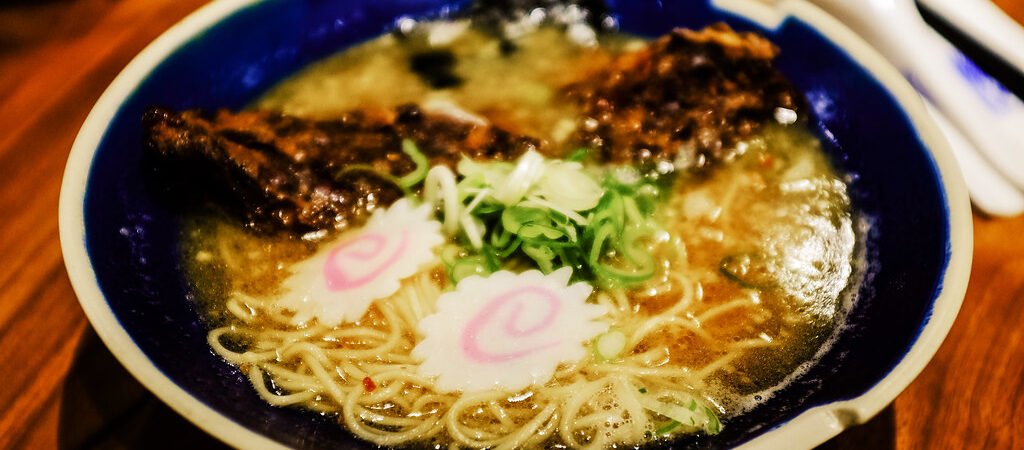
Ramen, a quintessential Japanese noodle dish, is celebrated for its rich flavors and varied ingredients, tracing its origins back to China in the late 19th century. The introduction of Chinese wheat noodles to Japan gave rise to a local adaptation that evolved significantly over the decades. Initially, ramen was primarily consumed by the working class, as it offered an affordable and satisfying meal. However, as the years progressed, this humble dish gained immense popularity across social classes and became a symbol of culinary innovation.
Ramen’s cultural significance extends beyond mere sustenance; it embodies the blending of different culinary traditions and regional flavors. In Japan, various prefectures have developed their unique ramen styles, characterized by distinct broth types, noodle textures, and toppings. For instance, the Tonkotsu ramen from Fukuoka is known for its rich pork bone broth, while the Shoyu ramen from Tokyo features a soy sauce base. This regional diversity highlights the adaptability of ramen, making it a canvas for chefs and home cooks alike.
With the globalization of food culture, ramen has successfully crossed geographical boundaries, emerging as a beloved dish in Western countries as well. It has inspired countless adaptations and fusion recipes, ranging from traditional to modern interpretations. In cities around the world, ramen bars have sprouted up, showcasing both authenticity and creativity in their offerings. As a result, experimenting with ramen has become a popular trend, prompting enthusiasts to create inventive recipes that push the boundaries of this classic dish.
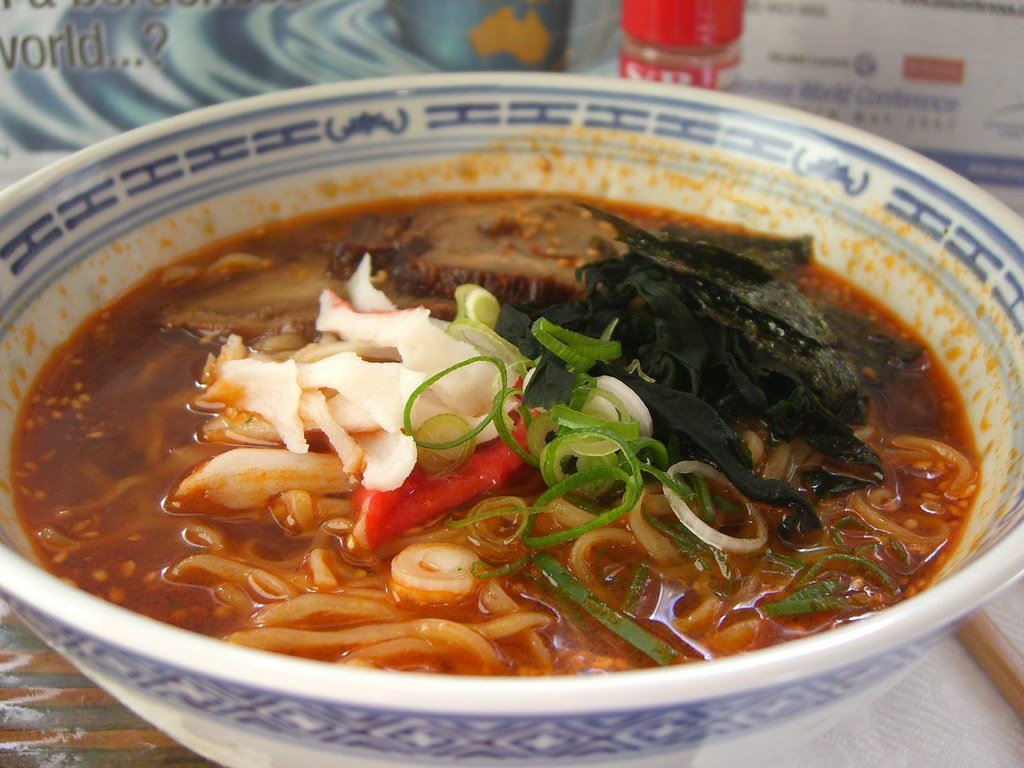
This blog post will explore five creative ramen recipes that reflect the dish’s evolving nature and cultural importance. By combining traditional techniques with inventive flavors, these recipes will encourage home cooks to embrace their creativity while preparing their own versions of this beloved noodle dish.
Why Get Creative with Ramen?
Ramen, a beloved staple of Japanese cuisine, is often considered a simple comfort food. However, choosing to get creative with ramen opens up a world of possibilities that can transform this classic dish. By experimenting with flavor profiles, the incorporation of unexpected ingredients, and accommodating various dietary needs, one can elevate a humble bowl of ramen into a remarkable culinary experience.
One of the primary benefits of creativity in ramen preparation is the enhancement of flavor. Traditional ramen dishes typically feature a rich broth, tender noodles, and a selection of toppings, but utilizing unique ingredients such as artisan spices, gourmet oils, or locally-sourced vegetables can introduce a new depth of flavor. For instance, adding infusions like truffle oil or kimchi can create an entirely different taste sensation, catering to both adventurous and discerning palates.
Moreover, getting creative with ramen allows for the incorporation of diverse and unconventional ingredients that may not traditionally belong to Japanese cuisine. Categories may include seasonal produce, various proteins ranging from tofu to seafood, or even fusion elements from other culinary traditions. Such combinations not only diversify flavor but also encourage innovation in the kitchen, making the cooking experience more enjoyable and fulfilling.
Furthermore, creativity in ramen recipes can accommodate various dietary restrictions. Individuals following vegetarian, vegan, or gluten-free diets can find numerous ways to adapt traditional recipes, ensuring that ramen is accessible for everyone. By utilizing alternative broths, such as vegetable or miso-based, and substituting traditional noodles with gluten-free options, the essence of ramen can still be preserved while adhering to dietary needs.
Ultimately, exploring creative avenues with ramen not only enhances the overall meal experience but also fosters culinary creativity and inclusivity, making it an ideal option for anyone looking to enjoy delicious and varied cuisine.
Essential Ingredients for Creative Ramen
When embarking on the journey of crafting unique ramen dishes at home, it is paramount to gather a selection of essential ingredients that will serve as the foundation for your culinary creations. At the heart of every ramen recipe is the noodle. Varieties such as fresh, dried, or even gluten-free noodles offer diverse textures and flavors. Popular choices include wheat noodles, known for their chewiness, and rice noodles, which are lighter. Consider experimenting with different types to discover your personal favorites.
The broth is another crucial element in achieving an exceptional bowl of ramen. There are several styles to choose from, including traditional tonkotsu, a rich pork bone broth, and shoyu, a soy sauce-based broth that adds depth. Alternatively, you could opt for a lighter vegetable or miso broth to suit your palate. Each type of broth provides a distinct flavor profile that enhances the overall dining experience.
Garnishes and toppings elevate the presentation and taste of your ramen. Staples such as soft-boiled eggs, green onions, and nori add texture and complementary flavors. Additionally, there is a wide array of options to explore, such as bamboo shoots, bean sprouts, and sliced mushrooms. For those seeking an extra layer of umami, consider toppings like marinated pork belly or spicy chili paste.
Lastly, a selection of seasonings is essential for bringing your ramen to life. Miso paste, sesame oil, and soy sauce not only enhance flavors but also allow for customization, ensuring that each bowl is uniquely tailored to your preferences. With these essential ingredients at your disposal, you are well-equipped to experiment with creative ramen recipes that reflect your culinary style and tastes.
Recipe #1: Spicy Kimchi Ramen
Spicy Kimchi Ramen is a delightful fusion of traditional Japanese ramen and the bold flavors of Korean kimchi. This recipe not only introduces a spicy kick to your meal but also enhances the umami profile of the broth, creating a complex flavor that is both comforting and invigorating.
To begin crafting your Spicy Kimchi Ramen, you will need the following ingredients: 2 packs of ramen noodles, 2 cups of kimchi (preferably well-fermented for deeper flavor), 4 cups of chicken or vegetable broth, 2 tablespoons of gochujang (Korean chili paste), 2 cloves of garlic (minced), 1 tablespoon of soy sauce, and optional toppings such as sliced green onions, a soft-boiled egg, and sesame seeds.
Start by heating a large pot over medium heat; add the minced garlic and sauté until fragrant, about 1 minute. Next, incorporate the gochujang and stir until it is well combined with the garlic. Add the kimchi and cook for another 2 to 3 minutes, allowing the kimchi to release its rich juices.
Pour in the broth and soy sauce, bringing the mixture to a gentle simmer. Let the broth simmer for about 10 minutes, allowing all the flavors to meld together. Meanwhile, cook the ramen noodles according to the package instructions, typically around 3 to 4 minutes in boiling water.
Once the broth is ready and the noodles are cooked, drain the noodles and add them to the pot of broth. Gently stir to combine everything well. Serve the ramen hot in bowls, garnished with toppings of your choice, such as a soft-boiled egg, sliced green onions, and a sprinkle of sesame seeds. The result is a vibrant and satisfying meal that perfectly fuses the tangy heat of kimchi with the comforting nature of ramen.
Recipe #2: Miso Sesame Ramen
Miso sesame ramen presents a delicious opportunity to enjoy a rich and savory broth, incorporating tahini and sesame oil for an added depth of flavor. This recipe invites creativity and versatility, making it suitable for both traditionalists and those in search of innovative twists on the classic dish.
To start, prepare the miso sesame broth by simmering together vegetable broth, white miso paste, tahini, and sesame oil. These ingredients work harmoniously to create a nutty, umami-rich base that perfectly complements the noodles. As a reference, the use of tahini not only enriches the broth but also serves as a robust source of plant-based protein, making it ideal for a vegan version of this ramen.
If you are looking for substitutions, consider using almond butter or sunflower seed butter in place of tahini for different flavor profiles. The sesame oil can also be swapped with a neutral oil, like grapeseed oil, if you prefer a milder taste. To maintain the integrity of the dish as vegan while not compromising on flavor, ensure all ingredients, particularly the miso and broth, are plant-based.
For toppings, a variety of vegetables can be showcased, such as bok choy, mushrooms, or corn, which allow for aesthetic and culinary diversity. Nuts or seeds can also be scattered on top for added texture. Don’t forget to garnish with green onions and sesame seeds, enhancing both visual appeal and crunch.
This miso sesame ramen is not simply a meal; it is an exploration of flavors and textures, inviting anyone to customize their bowl to suit personal palates. Whether shared with family or savored solo, this dish is sure to impress.
Coconut Curry Ramen Recipe
Coconut curry ramen is an aromatic and flavorful dish that brings an exotic twist to your usual ramen experience. This delightful recipe combines a creamy coconut-based broth infused with various curry spices, resulting in a warm, comforting meal that is sure to please. Making this dish is straightforward and allows room for customization, particularly with protein options like tofu or shrimp.
To begin, gather your ingredients. You will need 400ml of coconut milk, 4 cups of vegetable or chicken broth, 2 tablespoons of red curry paste, and 2 packets of instant ramen noodles. Additionally, prepare any protein you wish to add, such as cubed tofu, shrimp, or even chicken. Fresh vegetables like spinach, bell peppers, or mushrooms can enhance the dish while providing nutritional diversity.
Start by heating a large pot over medium heat. Add the red curry paste and sauté for a minute until fragrant, ensuring the flavors are released. Next, pour in the vegetable or chicken broth followed by the coconut milk. Stir well to incorporate the curry paste into the liquid. Allow the broth to simmer for about 10 minutes to meld the flavors.
While the broth simmers, prepare your protein. If you are using shrimp, cook them separately until they turn pink. For tofu, pan-frying adds a delightful texture. After simmering the broth, add the ramen noodles according to the package instructions, generally allowing them to cook for about 3-4 minutes. Just before serving, fold in your protein and any fresh vegetables, allowing them to warm through.
Once everything is combined, serve your coconut curry ramen hot, garnished with fresh cilantro or a squeeze of lime for an extra zing. This dish is not only quick to prepare but also adaptable, perfect for experimenting with your favorite ingredients!
Teriyaki Chicken Ramen
Teriyaki chicken ramen presents a delightful fusion of rich flavors and satisfying textures, making it a beloved dish in various culinary circles. To prepare this delicious variation, you first need to create a flavorful marinate for the chicken. Combine soy sauce, sake, mirin, brown sugar, and minced garlic in a bowl, mixing thoroughly to form a harmonious marinade. Place the chicken breasts in the marinade, ensuring they are well-coated. Allow the chicken to marinate for at least 30 minutes, though a few hours or overnight will enhance the flavor further.
Once the chicken has marinated, grill it over medium-high heat until it reaches an internal temperature of 165°F (75°C), which typically takes around 6-7 minutes per side. This grilling method adds a delightful smoky taste that pairs beautifully with the ramen. While the chicken is grilling, you can prepare the ramen noodles according to the packaging instructions. Fresh ramen noodles will deliver the best texture, but dried noodles can also work in a pinch.
For the finishing touches, consider including an array of fresh vegetables to elevate the dish’s nutritional value and visual appeal. Popular choices include bok choy, snap peas, and shiitake mushrooms. Simply sauté the vegetables in a bit of sesame oil until tender but still vibrant. After the noodles have cooked, drain and place them in bowls. Slice the grilled teriyaki chicken on top and generously sprinkle the sautéed vegetables around. Additionally, drizzle some of the remaining marinade over the dish for extra flavor.
This teriyaki chicken ramen recipe beautifully combines the rich, savory elements of grilled chicken with fresh vegetables and silky noodles, creating an exceptional homemade meal experience.
Recipe #5: Pesto Ramen Bowl
The Pesto Ramen Bowl offers a delightful twist on traditional ramen, infusing the dish with vibrant Mediterranean flavors. To create this innovative recipe, one can start by preparing a savory base using chicken or vegetable broth. The key element is to incorporate fresh basil pesto into the broth, an ingredient that lends a unique character to the soup and pairs excellently with the rich, umami flavors of the ramen noodles.
To begin, chef’s can heat the selected broth in a saucepan over medium heat. Once hot, gradually stir in the basil pesto, allowing it to dissolve and permeate the broth, creating a luscious, aromatic soup. The quantity of pesto can be adjusted to taste, but a general guideline is about 2-3 tablespoons for a single serving. As the flavors meld, cook the ramen noodles according to the package instructions, ensuring they retain their texture and bite.
When assembling the Pesto Ramen Bowl, the presentation becomes pivotal. Lay the freshly cooked ramen noodles in the bowl and generously ladle the aromatic pesto-infused broth over the noodles. For garnishing, fresh basil leaves can be sprinkled atop the bowl, providing an additional burst of color and flavor. Other ideal garnishes include sliced radishes for a crunchy texture, sautéed mushrooms, or even a soft-boiled egg, which adds creaminess that complements the broth beautifully.
Lastly, a sprinkle of toasted sesame seeds can enhance both the visual appeal and flavor profile, providing a pleasant nutty undertone. This creative Pesto Ramen Bowl not only showcases a harmonious blend of Italian and Japanese cuisines but also serves as a refreshing alternative to conventional ramen recipes, making it a delightful dish to savor.
Conclusion and Next Steps
Throughout this blog post, we have explored five creative ramen recipes, each showcasing a unique approach to this beloved dish. From traditional variations enriched with unexpected toppings to modern fusions that blend diverse culinary influences, these recipes celebrate the versatility of ramen. Whether you prefer a spicy kimchi ramen or a light and refreshing seafood broth, there is a recipe here that caters to every palate.
As you embark on your culinary adventures, we encourage you to take these foundational recipes and make them your own. Feel free to experiment with different ingredients, flavors, and cooking techniques. Creative ramen preparation is about personal expression, so tailor each dish to suit your tastes and dietary preferences. For example, consider incorporating seasonal vegetables or experimenting with homemade noodles to enhance the dish’s overall flavor and texture.
Moreover, we invite you to join the conversation and share your creative ramen creations on social media. Engaging with fellow ramen enthusiasts can cultivate a vibrant community around this cherished dish. By sharing photos, tips, and modifications, you not only inspire others to try their hand at ramen-making, but also foster connections with like-minded individuals who appreciate innovative cooking. Don’t hesitate to use the hashtag #CreativeRamenRecipes to showcase your dishes and discover what others have crafted.
In summary, the realm of ramen is expansive and full of possibilities. With these five recipes as your starting point, delve into your culinary creativity and explore what delightful variations await you. Enjoy the process, and happy cooking!