
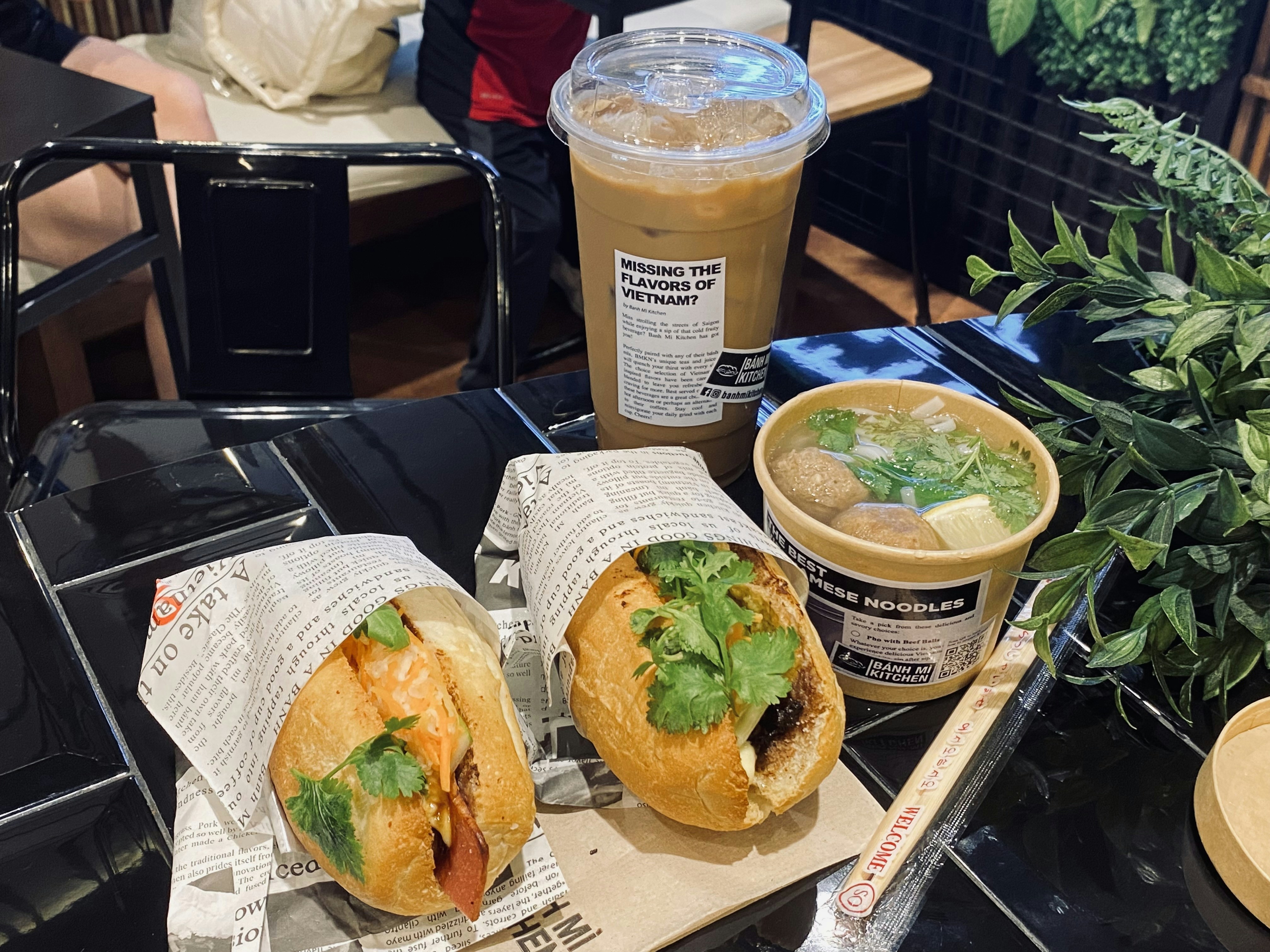
The Origin of Banh Mi
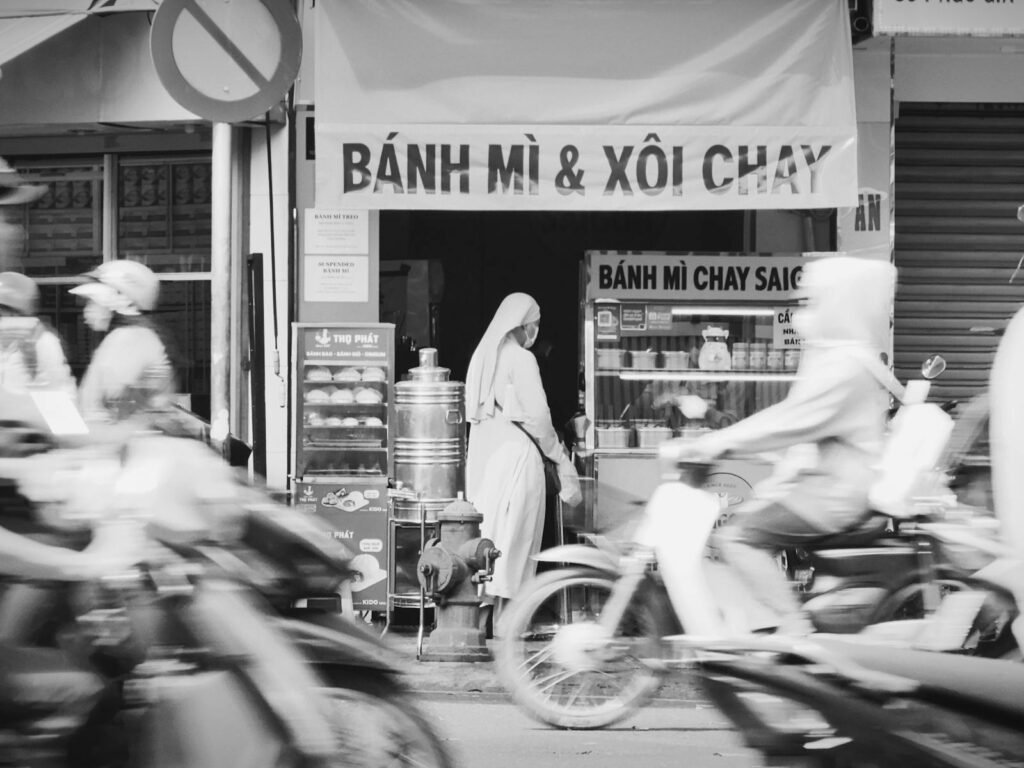
Banh Mi is a quintessential Vietnamese sandwich that reflects the rich tapestry of the country’s culinary evolution, particularly influenced by its colonial history. The origins of Banh Mi can be traced back to the late 19th and early 20th centuries during the period of French colonialism in Vietnam. The colonizers introduced European elements into Vietnamese culture, and one of the prominent imports was the baguette. This crusty, elongated bread quickly gained popularity and was skillfully adapted to local tastes.
In a striking fusion of culinary techniques, the Vietnamese began to incorporate local flavors and ingredients into this French-inspired bread. Instead of simply replicating the classic baguette, they made adjustments that included the use of rice flour to create a lighter and airier texture. Alongside the bread, traditional Vietnamese elements such as pickled vegetables, fresh herbs, and various proteins emerged as fillings, transforming the Banh Mi into a unique delicacy that represents the fusion of two distinct culinary worlds.
Furthermore, the various adaptations of Banh Mi across regions in Vietnam showcase its versatility and the creative spirit of Vietnamese street food culture. Different provinces emphasize specific ingredients such as grilled pork, chicken, or even tofu, attesting to the country’s diverse agricultural landscape. With globalization, Banh Mi has not only maintained its local flavors but has also evolved to accommodate international palates, finding its way into culinary scenes worldwide.
Today, Banh Mi stands as a symbol of Vietnamese identity and resilience, celebrated for its rich history and the harmonious blend of flavors that it offers. Its journey from colonial influence to beloved street food encapsulates a narrative of adaptation, creativity, and the enduring nature of culinary traditions.
Cultural Significance of Banh Mi
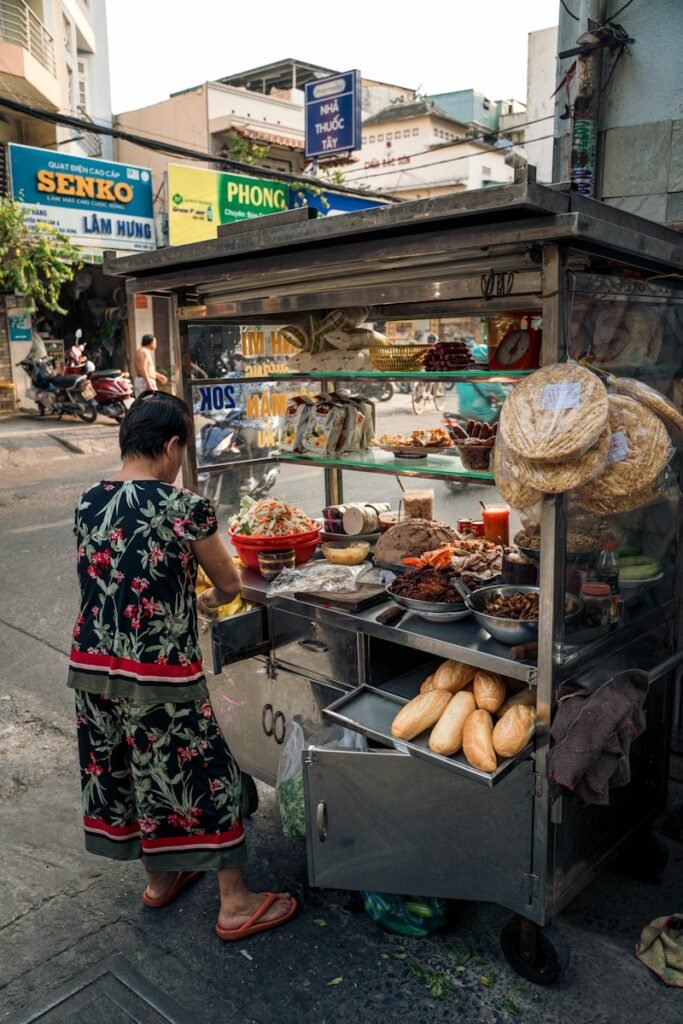
Banh Mi, the beloved Vietnamese sandwich, holds deep cultural significance, acting as a delicious fusion of flavors and a representation of Vietnam’s rich history. Rooted in the colonial past, the sandwich combines traditional Vietnamese ingredients with French culinary influences, reflecting a period of cultural exchange. The baguette, a remnant of French rule, is filled with diverse fillings, such as grilled meats, pickled vegetables, and fresh herbs, allowing for a vibrant, multi-layered experience. This seamless blend makes Banh Mi not only a popular meal but also a symbol of resilience and adaptation within the Vietnamese community.
In Vietnam, Banh Mi serves as a staple in daily life, being widely available from street vendors and local eateries. Its accessibility and affordability make it a go-to choice for many, from busy workers to students. Beyond mere sustenance, Banh Mi occupies an important role in social gatherings and communal activities, where it contributes to the cultural fabric of Vietnamese society. The act of sharing meals together fosters connections and strengthens cultural ties, making Banh Mi a food that transcends individual plates.
Among the Vietnamese diaspora, Banh Mi symbolizes cultural identity and pride. For those living abroad, the sandwich evokes nostalgia, transporting them back to their homeland while also introducing others to the flavors of Vietnam. Its growing popularity in international cuisine has allowed Banh Mi to serve as a culinary ambassador, helping to bridge cultural gaps and promote understanding. As it finds its place in restaurants and food fairs across the globe, Banh Mi not only sustains its historical roots but also evolves into a canvas for innovation, showcasing its versatility and welcoming new interpretations. This ongoing journey highlights the sandwich’s place not just in Vietnamese food culture, but in global gastronomy as well.
Unique Flavors of Banh Mi
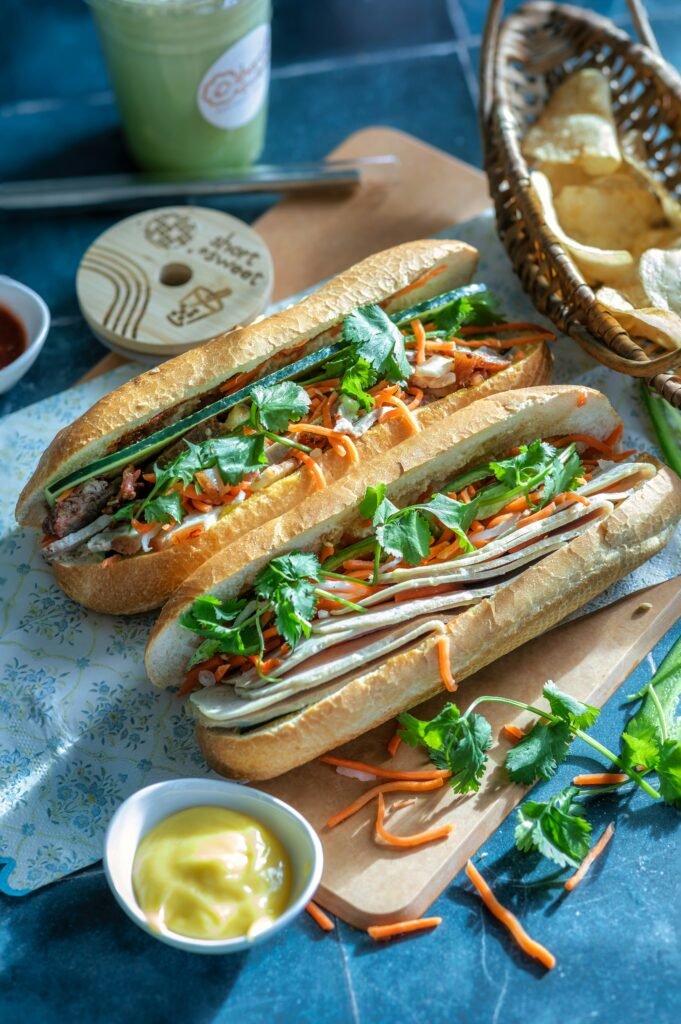
Banh Mi, the beloved Vietnamese sandwich, is a culinary masterpiece that offers an intricate blend of unique flavors resulting from its diverse ingredients. At the heart of its appeal lies the perfect balance of savory, sweet, sour, and spicy elements that work harmoniously to create a delightful experience for the palate. The foundation of any Banh Mi starts with a crusty, airy baguette, a remnant of French colonial influence, which serves as the vessel for an array of vibrant fillings.
The choice of proteins in a Banh Mi is extensive, which greatly contributes to its flavor profile. Common options include tender slices of roasted pork, succulent grilled chicken, or savory tofu for a vegetarian alternative. Additionally, the availability of pâté adds a rich creaminess that elevates the overall taste. Accompanying the proteins are a mix of fresh vegetables, most notably pickled carrots and daikon radishes, which introduce a tangy crunch that complements the richness of the meats.
Sauces also play a vital role in enhancing the layers of flavor. The inclusion of mayonnaise lends a smoothness, while chili sauce or sambal oelek provides a refreshing heat. Furthermore, fresh herbs such as cilantro contribute a fragrant, aromatic element that brightens the dish. The interplay between these diverse ingredients results in a sandwich that is not only satisfying but also a feast for the senses.
Ultimately, the combination of sweet, sour, salty, and spicy notes creates a harmonious symphony of tastes in Banh Mi. Every bite offers a new discovery, showcasing the versatility and depth of flavor that this iconic Vietnamese dish embodies. This unique layering of flavors ensures that Banh Mi remains a celebrated culinary delight, appealing to those seeking a memorable gastronomic experience.
Textures in Banh Mi
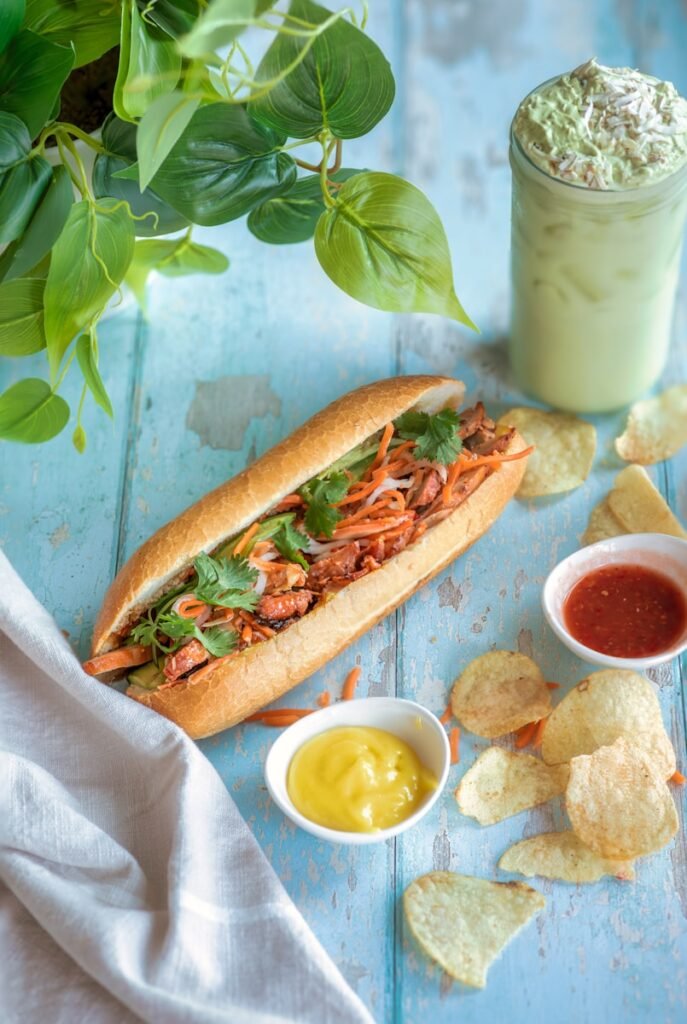
The texture of Banh Mi plays a crucial role in its overall appeal, creating a multi-dimensional eating experience that reflects the harmonious fusion of various ingredients. The most distinct layer is the baguette itself, which forms the outer shell of this delightful sandwich. The crusty exterior offers a satisfying crunch when bitten into, serving as a robust foundation for the fillings. This outer layer is essential as it provides structural integrity while also yielding to the soft interior when pressure is applied.
Inside the baguette, diners encounter a mix of textures that elevate the dish to new heights. The tender meats, often marinated to perfection, provide a contrast to the crispy exterior. These proteins, which may include grilled pork, chicken, or even tofu, are usually sliced thinly and stacked generously, ensuring that each bite is infused with rich flavors. The tenderness of the meat is complemented by the sharp crunch of fresh vegetables, particularly pickled carrots and daikon radishes, which add a refreshing bite and a subtle tanginess.
The addition of creamy spreads, such as mayonnaise or pâté, introduces another texture altogether. This spreadable element not only enhances the moistness of the sandwich but also enriches the flavor profile. The creaminess of these sauces melds beautifully with the crunchy vegetables and tender meats, resulting in a well-balanced mouthfeel. Furthermore, fresh herbs like cilantro contribute an aromatic burst that engages the palate, further enhancing the sensory experience.
The interplay of these diverse textures—crusty bread, tender meats, crunchy vegetables, and creamy sauces—defines the Banh Mi sandwich. This delightful array is what makes each bite a surging blend of sensation, showcasing the complexity and culinary artistry inherent in this iconic dish.
Visual Appeal of Banh Mi
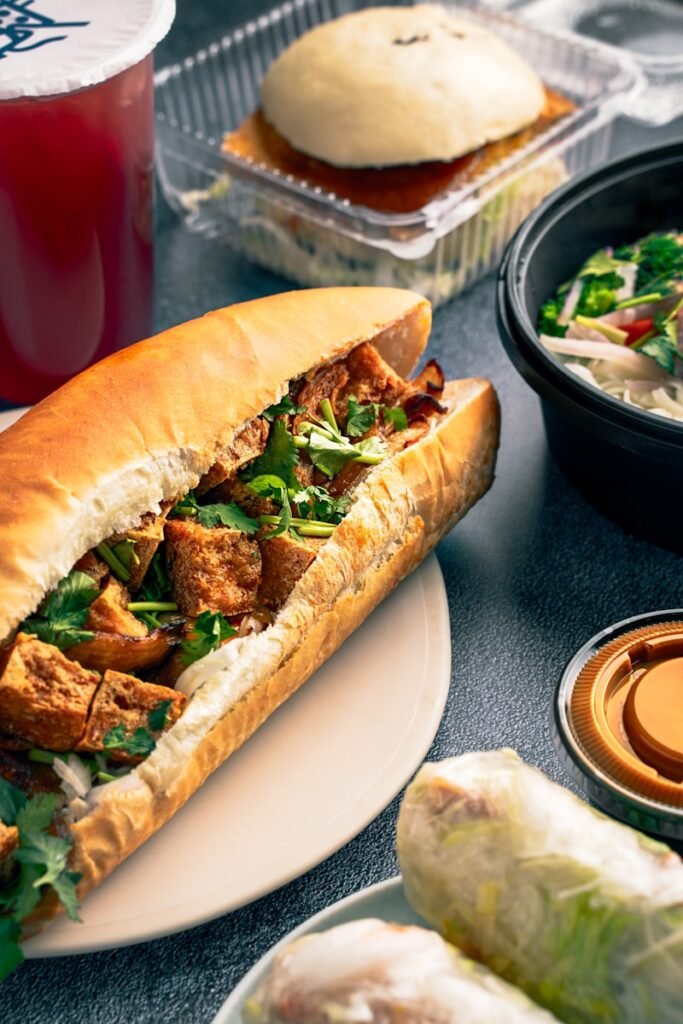
Banh Mi, a quintessential Vietnamese sandwich, is widely celebrated not only for its remarkable flavors but also for its vivid visual presentation. The dish is a delightful layering of colors and textures, making it a feast for the eyes as much as it is for the palate. Typically served in a crispy baguette, the artistry begins with the contrasting hues of its fresh ingredients. A Banh Mi often showcases vibrant vegetables such as crisp cucumbers, colorful carrots, and bright cilantro, each adding their unique flair and freshness to the overall composition.
The vividness is further enhanced by the inclusion of meats, which can range from succulent grilled pork to tender chicken, all meticulously arranged to create a visually arresting result. Additionally, the use of sauces, often drizzled or dolloped onto the sandwich, introduces a glossy sheen that contrasts beautifully with the matte textures of the bread and fillings. This interplay of colors not only enhances its aesthetic appeal but also evokes the richness of Vietnamese culture and culinary tradition.
Artful presentation is essential in elevating the enjoyment of Banh Mi, as it stimulates the senses even before the first bite is taken. The careful arrangement of ingredients within the baguette allows for a playful approach to each eating experience, as diners can see the individual elements and anticipate the burst of flavors they bring. The Banh Mi embodies the concept of “eating with the eyes,” where its visual elements are a precursor to the delicious medley that follows. Through its colorful and appealing presentation, Banh Mi serves as a tangible reflection of the vibrancy and diversity inherent in Vietnamese cuisine.
The Appearance of Banh Mi Dishes
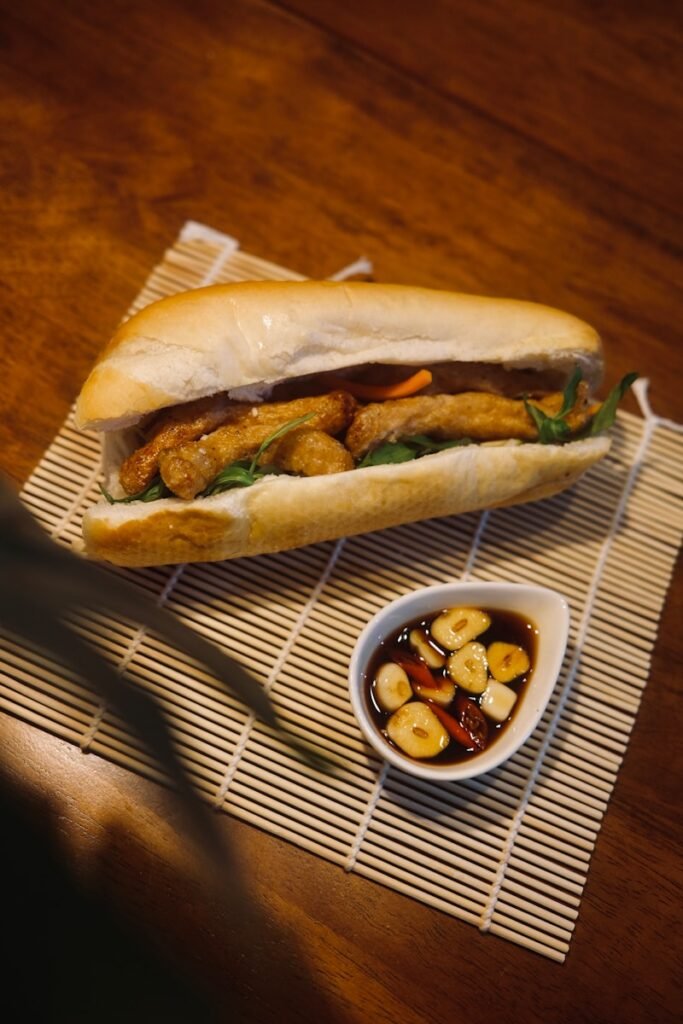
Banh Mi sandwiches are renowned not only for their exquisite flavors but also for their visually appealing presentation. Typically, a Banh Mi is characterized by its elongated, airy baguette, which is influenced by both French colonial culinary traditions and Vietnamese cooking techniques. The bread is a crucial element, typically measuring around six to eight inches in length, with a crusty exterior and a soft, fluffy interior that serves as the perfect vehicle for a variety of fillings.
The arrangement of ingredients in a Banh Mi is deliberate and contributes to the sandwich’s overall aesthetic. A standard Banh Mi showcases a harmonious layering of meats, such as char siu pork, grilled chicken, or pate, complemented by pickled vegetables, fresh herbs, and condiments. Notably, the vibrant colors of the ingredients—the bright green of cilantro, the crisp orange of pickled carrots, and the rich browns of the meats—create a visually dynamic experience that invites the diner to indulge in the flavors that await.
The context in which Banh Mi is served can influence its appearance significantly. In traditional markets, vendors typically present Banh Mi in a rustic manner, wrapped in paper or served on simple platters, allowing the focus to remain on the sandwich itself. In contrast, modern cafes may adopt a more polished aesthetic, often showcasing Banh Mi on artisanal wooden boards or in beautifully designed packaging, elevating the experience to align with contemporary dining expectations. This evolution in presentation underscores the importance of aesthetics in enhancing the enjoyment of Banh Mi, ensuring that it remains not only a culinary delight but also a feast for the eyes.
Plating Techniques for Banh Mi
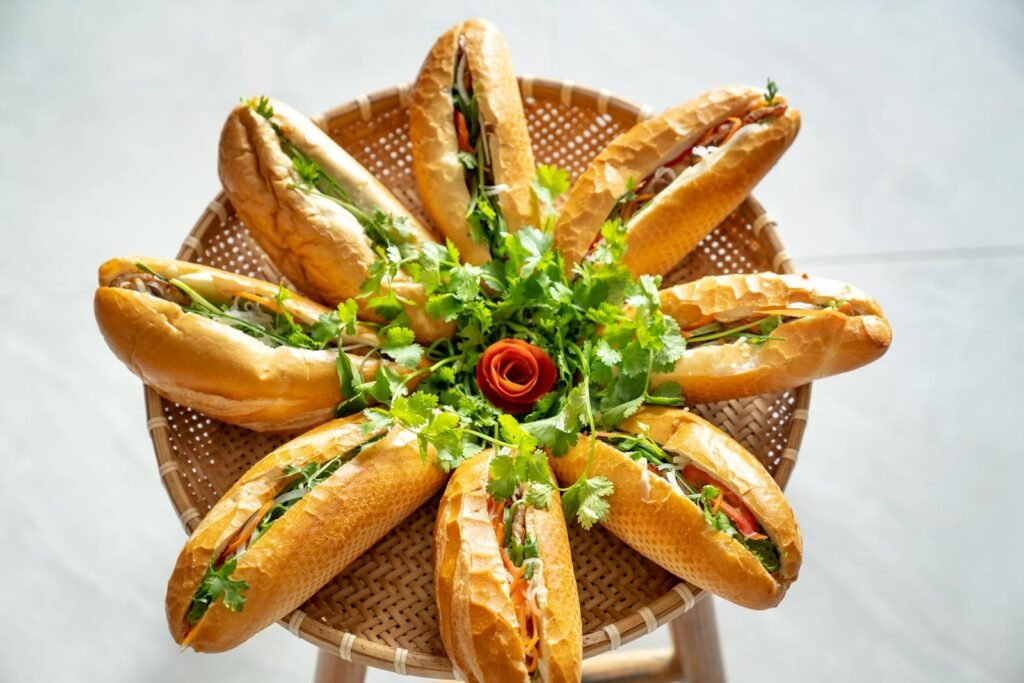
Banh Mi, a quintessential Vietnamese sandwich, offers a unique blend of textures and flavors, making it a delightful culinary experience. The presentation of Banh Mi is just as important as its taste, and employing effective plating techniques can significantly enhance its visual appeal while honoring its cultural roots. One foundational aspect of plating Banh Mi is the arrangement of its core ingredients: bread, protein, pickled vegetables, and fresh herbs. Begin with the base—the baguette. Position it diagonally on the plate for an inviting look, allowing the interior ingredients to be showcased.
Next, focusing on the protein layer, whether it is grilled pork, chicken, or tofu, should be the highlight of the sandwich. Ensure that it is neatly sliced and arranged to beckon the eyes. For authenticity, incorporate a balance of color and texture by layering pickled daikon and carrots alongside the protein. These vibrant ingredients not only add crunch but also create a colorful contrast against the baguette. Fresh herbs like cilantro and mint can be added on top, adding a burst of green that enhances the overall aesthetic.
To elevate the dish further, consider garnishing the plate. A scattering of sesame seeds, chopped peanuts, or crispy onions around the edges can add sophistication while echoing the flavors found within the sandwich. Additionally, small bowls or dollops of sauces—such as spicy mayonnaise or hoisin—placed strategically on the plate provide both visual interest and a functional purpose for dipping. Remember, the goal is to create a dish that is both visually enticing and faithful to the traditional elements of Banh Mi.
By thoughtfully arranging the ingredients and incorporating organic garnishes, one can elevate the presentation of this beloved Vietnamese sandwich, making it a visual delight as much as a culinary one. Through these plating techniques, Banh Mi can shine on any table setting, highlighting its cultural significance and culinary allure.
Variations of Banh Mi Across Vietnam
Banh Mi, the iconic Vietnamese sandwich, is not merely one dish but a vibrant ensemble of various regional versions, each reflecting the local culture, ingredients, and culinary traditions. Originating in the bustling streets of Vietnam, Banh Mi stands out for its remarkable adaptability, making it a staple across the nation. This versatility has led to numerous regional specialties, each with a unique twist that can be traced to local flavors and preferences.
In the north, particularly in Hanoi, Banh Mi often highlights traditional ingredients such as marinated pork, known as “thit nướng,” and a variety of pickled vegetables, offering a more straightforward yet deeply flavorful experience. The local baguette is characterized by a thinner crust, contributing to a softer texture that pairs well with the savory fillings. A common element in this region is the addition of cilantro, which elevates the sandwich with fresh herbal notes.
Traveling to the southern regions, such as Ho Chi Minh City, one encounters a different take on Banh Mi. Here, the sandwiches are often filled with robust flavors and more diverse ingredients, including grilled pork, chicken, or pâté. The use of mayonnaise adds a creaminess that contrasts beautifully with the crunchiness of fresh vegetables, such as cucumbers and jalapeños. Additionally, the southern version frequently incorporates regional herbs and spices that cater to the local palate, emphasizing both sweetness and depth.
Central Vietnam contributes its distinct flair, most notably from Hue, where Banh Mi is infused with rich, spicy flavors. The use of chả lụa, a pork sausage, alongside various hot sauces provides a bold taste that appeals to those who enjoy a little heat in their meals. Moreover, the bread in this region tends to be crustier, providing a satisfying crunch that complements the richly flavored fillings.
In summary, Banh Mi is a culinary representation of Vietnam’s regional diversity. Each area brings its own unique ingredients and influences, resulting in a myriad of flavors and textures that enrich this beloved sandwich.
Banh Mi: A Global Phenomenon
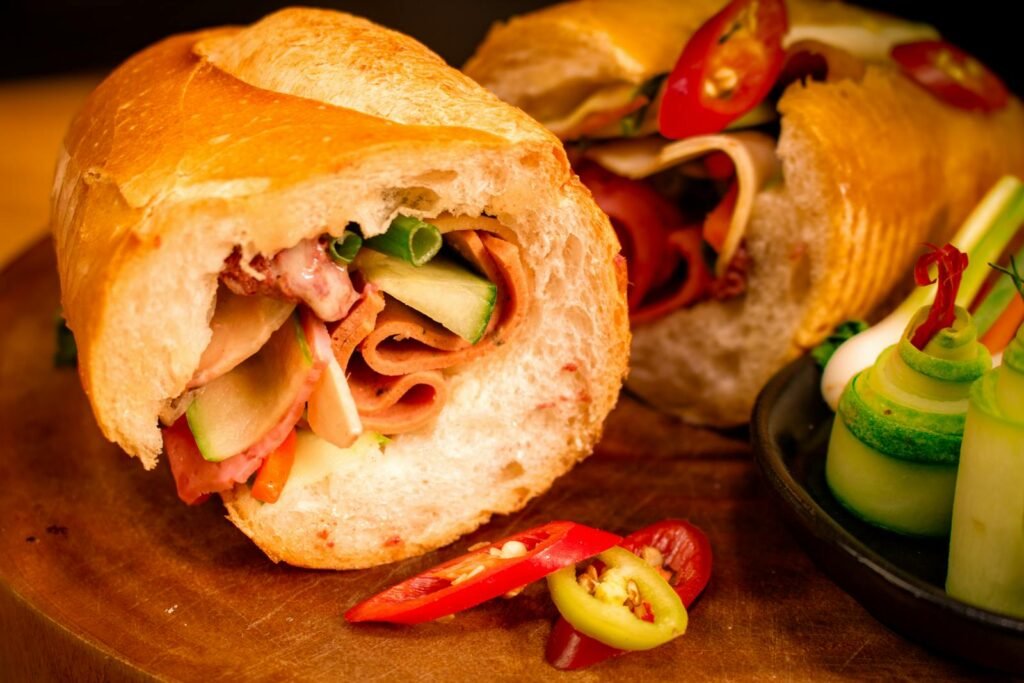
The culinary landscape has witnessed the remarkable evolution of Banh Mi, a quintessential Vietnamese sandwich that has transcended its regional roots to emerge as a global sensation. Known for its harmonious blend of flavors and textures, Banh Mi has adapted to various international contexts while retaining its cultural significance. Throughout the last decade, this Vietnamese delicacy has made its way into the hearts of food enthusiasts around the world, evolving into a symbol of fusion cuisine.
Restaurants specializing in Banh Mi have sprung up in urban centers globally, reflecting local tastes while honoring its original elements. For instance, in the United States and Australia, it is common to find Banh Mi infused with local ingredients such as artisanal meats or gourmet spreads. Chefs have taken creative liberties, merging Banh Mi with Mediterranean, Mexican, and even American barbecue elements, offering diners unique interpretations of this traditional sandwich. This adaptation is not merely a reflection of the chefs’ creativity but also indicates a broader acceptance and celebration of global culinary influences.
Moreover, the proliferation of Banh Mi vendors and dedicated restaurants is indicative of its acceptance as not just an ethnic dish, but a culinary trend in its own right. Food festivals often feature Banh Mi prominently, with chefs and vendors showcasing innovative twists on classic recipes. Social media has also played a significant role in popularizing Banh Mi; enticing images shared online have led to increased curiosity and demand, propelling this dish to the forefront of artisan and gourmet cuisine.
As Banh Mi continues to captivate palates across the globe, it becomes more than just a meal; it’s a culinary bridge connecting diverse cultures and promoting a greater appreciation for Vietnamese cuisine. Its journey from the streets of Vietnam to international food scenes exemplifies the beauty of culinary fusion and the universal love for delicious, satisfying food.