Understanding the Components of Lasagna
The first component, pasta, is available in various forms. Traditional lasagna pasta comes in sheets that are either regular or no-boil. Regular lasagna noodles require pre-cooking before layering, while no-boil noodles can be placed directly into the dish, simplifying the preparation process. Whole wheat options cater to those seeking a healthier alternative, offering slightly nutty flavors in addition to added fiber.
Next, the sauce is crucial for imparting moisture and flavor to lasagna. Common choices include marinara, a tomato-based sauce rich in herbs; béchamel, a creamy white sauce that adds richness; and robust meat sauces, which often incorporate ground beef or sausage. Each sauce type can profoundly alter the character of the final dish, ensuring that lasagna can be customized to suit various palates.
Cheese is another indispensable ingredient in lasagna, contributing both flavor and creaminess. Ricotta is often used for its creamy texture, while mozzarella adds a delicious stretch and mild flavor. Parmesan, grated over the top, enhances the overall richness, providing a savory finish. Combining these cheeses can elevate the dish, enriching every layer with distinct flavors.
Finally, fillings—such as vegetables, meats, or vegetarian options—add substance and depth to lasagna. Popular choices include spinach, mushrooms, zucchini, or seasoned ground meats, but the possibilities are virtually endless. Choosing the right combination of fillings can personalize your lasagna and cater to dietary preferences.
Essential Tools and Equipment for Beginners
Preparing a delightful lasagna requires not only quality ingredients but also the right tools and equipment to ensure a smooth cooking process. For beginners, having a well-equipped kitchen will make the lasagna-making journey more enjoyable and successful.
First and foremost, a sturdy and appropriately sized baking dish is crucial. A standard rectangular baking dish, approximately 9×13 inches, is ideal for traditional lasagna recipes. It’s important to select a dish made from durable materials, such as glass or ceramic, which can withstand high temperatures and provide even cooking results.
Next, investing in good cookware, such as pots and pans, is essential. A large pot is necessary for boiling the lasagna noodles, while a skillet is beneficial for sautéing onions, garlic, and other vegetables. Additionally, a saucepan can be used for preparing sauces, whether you choose a classic marinara or a rich béchamel. High-quality non-stick pans can also make cleaning up much easier.
Utensils play a vital role in crafting your lasagna. A solid spatula is recommended for layering ingredients without damaging the noodles, while a mixing bowl is essential for combining ingredients such as ricotta cheese, herbs, and spices. A set of measuring cups and spoons will help ensure that you accurately measure ingredients, promoting consistency and flavor in your dish.
Finally, to maintain these tools properly, wash them with care and avoid using abrasive sponges that could damage surfaces. Regularly checking for signs of wear and replacing items when necessary will ensure that your equipment remains in top condition, ultimately enhancing your cooking experience.
Step-by-Step Lasagna Recipe
Creating a delicious lasagna is rewarding and straightforward for beginners. Below is a comprehensive recipe that guides you through each step, from preparing the sauce to the final baking. This recipe will serve approximately six people.
Ingredients: 12 lasagna noodles, 2 cups ricotta cheese, 2 cups shredded mozzarella cheese, 1 cup grated Parmesan cheese, 1 pound ground beef or sausage, 2 cups marinara sauce, 1 egg, 1 teaspoon dried oregano, salt, and pepper to taste.
Step 1: Prepare the Sauce
In a large skillet over medium heat, add the ground meat. Cook until browned, breaking it apart as it cooks. Drain any excess fat. Stir in the marinara sauce, oregano, salt, and pepper. Simmer for about 10 minutes to allow flavors to meld.
Step 2: Cook the Lasagna Noodles
If using traditional lasagna noodles, boil them in salted water according to package instructions. Ensure they are al dente as they will cook further while baking. Drain and rinse with cold water to stop the cooking process.
Step 3: Mix the Cheese Filling
In a bowl, combine the ricotta cheese, egg, half of the Parmesan, and a pinch of salt and pepper. Mix until well combined. This mixture adds creaminess and flavor to the lasagna.
Step 4: Assemble the Lasagna
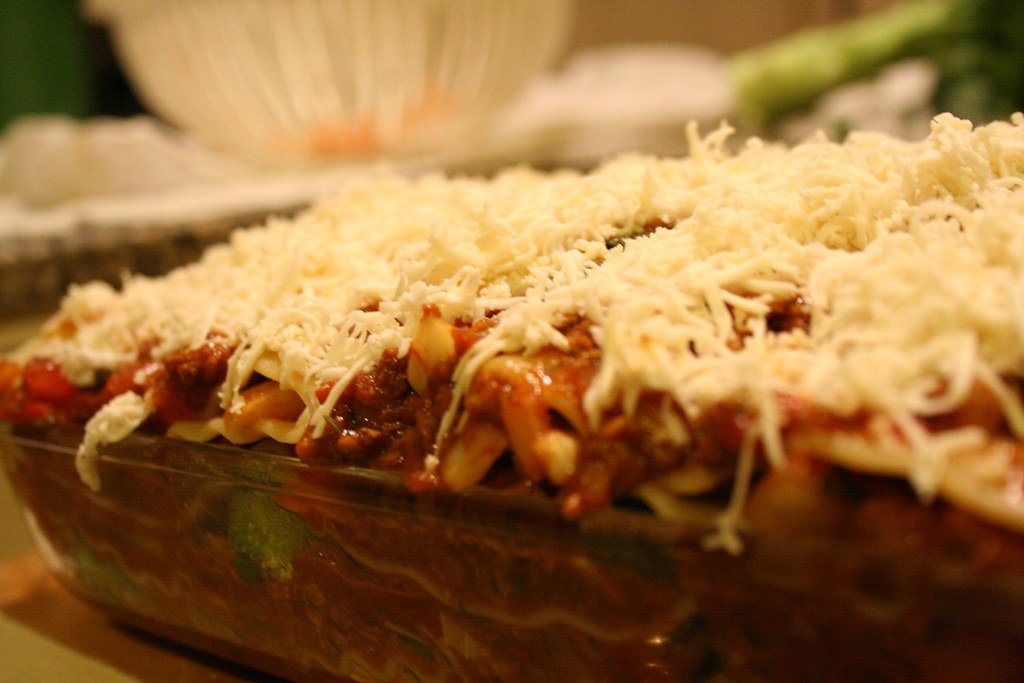
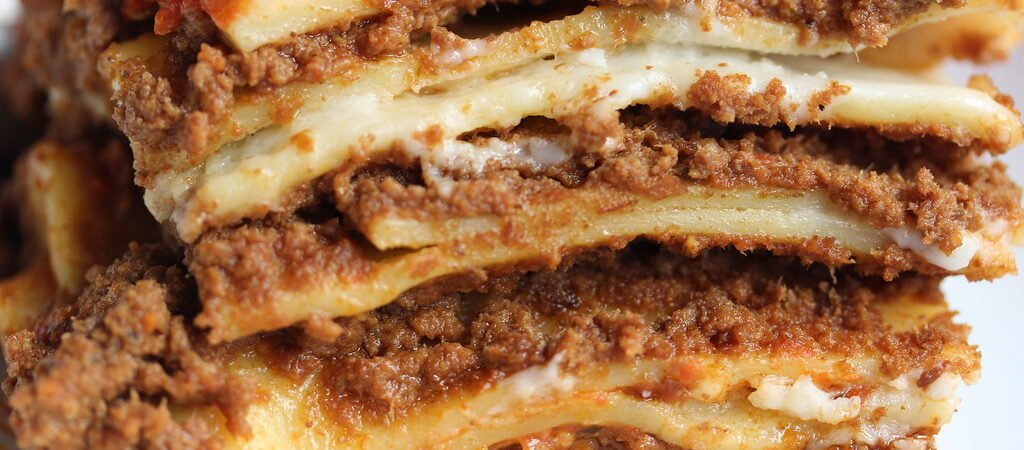
Preheat the oven to 375°F (190°C). In a 9×13 inch baking dish, spread a layer of the meat sauce at the bottom. Place three lasagna noodles over it. Spread half of the ricotta mixture on the noodles followed by a layer of mozzarella cheese, and then another layer of meat sauce. Repeat these layers, finishing with noodles topped with remaining sauce and mozzarella.
Step 5: Bake the Lasagna
Cover the baking dish with foil (to prevent over-browning) and bake for 25 minutes. Remove the foil and bake for an additional 15-20 minutes until the top is bubbly and golden brown. Allow the lasagna to rest for about 10-15 minutes before slicing.
Tips:
If the lasagna feels too dry, consider adding more sauce. For a vegetarian version, swap the meat for grilled vegetables. Enjoy your homemade lasagna, a classic dish that is sure to impress!
Tips for Perfecting Your Lasagna and Variations to Try
To achieve a perfect lasagna, attention to detail in balancing flavors and textures is crucial. One essential tip is to ensure each layer of your lasagna consists of high-quality ingredients, as this directly impacts the overall taste. Using a combination of cheeses, like ricotta, mozzarella, and parmesan, will add depth to the flavor profile. Incorporating fresh herbs such as basil, oregano, or thyme can enhance the aromatic quality of the dish.
It is also important to allow your lasagna to rest after taking it out of the oven. This resting period, typically around 15 to 30 minutes, allows the layers to set, making it easier to cut and serve without compromising its structure. During this time, the flavors meld together beautifully, resulting in a more satisfying meal.
When it comes to serving your lasagna, consider complements that elevate the meal. A simple green salad dressed with a lemon vinaigrette or garlic bread can add freshness and balance. As you grow more confident in your lasagna-making skills, you may wish to explore various lasagna variations. Vegetarian options, such as those featuring layers of grilled zucchini, spinach, or mushrooms, provide a delightful twist for those avoiding meat.
For those requiring gluten-free options, there are numerous pasta brands now offering gluten-free lasagna sheets that work just as well. Additionally, gourmet adaptations, like adding layers of smoked salmon or wild mushrooms, can take your dish to the next level. By experimenting with different fillings and sauces, you can customize your lasagna to suit your taste preferences and dietary needs, ultimately crafting a unique version of this classic dish.