
Understanding Chana Masala: History and Variations
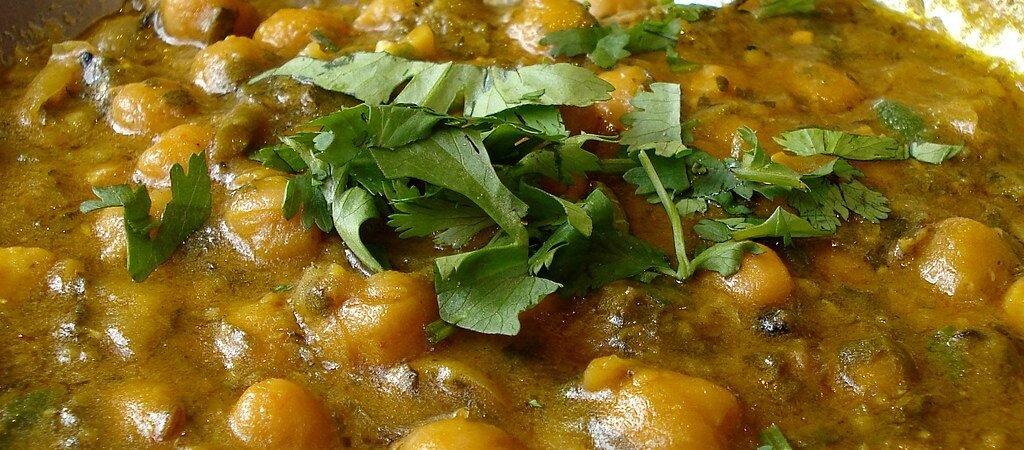
Chana masala, a beloved dish in Indian cuisine, primarily made with chickpeas, has rich historical roots. It is said to have emerged from the Indian subcontinent, where legumes have been cultivated for thousands of years. The dish not only embodies the essence of traditional cooking but also reflects the agricultural bounty of the region. Its widespread popularity is attributable to its nutritious value and the amalgamation of spices that create a unique flavor profile.
Historically, chickpeas have been a staple in Indian diets, particularly among vegetarian communities, due to their high protein content. Chana masala symbolizes the versatility and creativity of Indian cooking, adapting over centuries to incorporate local ingredients and flavors. Each region of India boasts its own variation, showcasing regional preferences and culinary styles. For example, in Northern India, chana masala is often prepared with a bold mix of spices like cumin, coriander, and garam masala. In contrast, South Indian variations might include coconut and curry leaves, resulting in a distinct flavor.
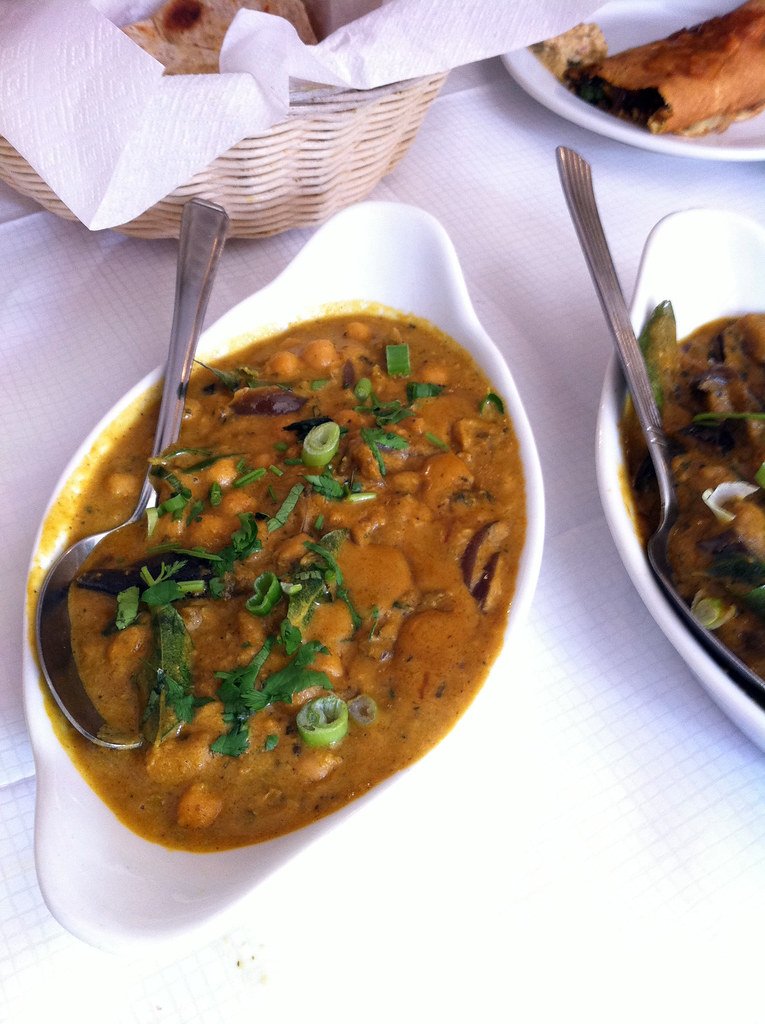
Across the diverse Indian landscape, chana masala can vary significantly in terms of preparation methods and key ingredients. While the classic recipe includes tomatoes and onions, some regions may substitute these with tamarind or yogurt, adding tartness or creaminess to the dish. The spices used also distinguish different variations, with common choices being turmeric, red chili powder, and amchur (dried mango powder) that enhance the dish’s depth. Adaptations can be made according to personal taste preferences, allowing this dish to be customized for a variety of palates.
Ingredients and Tools You Will Need
To cook a delicious chana masala, having the right ingredients and kitchen tools is essential. The foundation of the dish is, of course, the chickpeas, which can be used dried or canned. If using dried chickpeas, they will need to be soaked overnight and then cooked, often in a pressure cooker, for tenderness. Moreover, make sure to have fresh and vibrant spices to elevate the flavors, particularly cumin, coriander, turmeric, and garam masala.
In addition to these fundamental spices, you may want to include optional add-ins such as diced tomatoes or coconut milk for a creamier texture and richer flavor. Some prefer to add green chilies for heat or a hint of tang by incorporating fresh lemon juice or tamarind paste. Fresh herbs like cilantro can also be used as a garnish, adding a burst of freshness to the finished dish.
The necessary kitchen tools for making chana masala include a heavy frying pan or skillet to sauté the onions, spices, and tomatoes, along with a pressure cooker or pot for cooking the chickpeas. A food processor can be beneficial for creating a smooth paste from fresh ingredients, especially if you are hand-grinding your spices or pureeing tomatoes. A good set of measuring spoons and cups will help to ensure you add the right spices in the right proportions, leading to your desired flavor profile.
Before you begin cooking, it’s advisable to gather all your ingredients and tools so that the cooking process is smooth and organized. This preparation will also help you to make adjustments as you go, allowing for personalized touches to your chana masala.
Step-by-Step Instructions for Cooking Chana Masala
Cooking chana masala, a popular and flavorful chickpea dish, requires a methodical approach to ensure an authentic taste and texture. Begin by soaking dried chickpeas in water for at least 6-8 hours or overnight. This process helps to soften the beans and reduces cooking time. After soaking, rinse the chickpeas under cold water and transfer them to a pressure cooker or pot.
For optimal results, consider cooking the soaked chickpeas in a pressure cooker with adequate water for about 20-25 minutes, or until they are tender. If using a regular pot, boil the chickpeas for 1-1.5 hours, checking frequently to ensure they do not overcook. While the chickpeas are cooking, you can prepare the masala base.
In a large pan, heat 2-3 tablespoons of oil over medium heat. Add finely chopped onions and sauté until they become golden brown, which takes about 8-10 minutes. Next, incorporate freshly grated ginger and minced garlic, frying them for an additional minute. Gradually add chopped tomatoes and let the mixture cook down until it reaches a thick consistency, which typically takes around 10 minutes. Stir occasionally to prevent sticking.
Once the tomato-onion mixture is ready, add spices such as cumin seeds, coriander powder, turmeric powder, and garam masala. Cook the spices for a couple of minutes to awaken their flavors, contributing to the richness of the dish. After the chickpeas are cooked, add them to the masala, along with a bit of the cooking liquid to achieve the desired consistency.
Simmer the chana masala on low heat for at least 15-20 minutes to allow the flavors to meld. Taste and adjust seasoning with salt or additional spices as needed. Finally, garnish with fresh cilantro for an aromatic finish. For a quicker option, canned chickpeas can be used, reducing cooking time significantly while still providing a hearty meal.
Serving Suggestions and Pairing Ideas
Chana masala is a versatile dish that can be served in a variety of ways, making it a centerpiece for many meals. Traditionally, chana masala is often paired with steamed basmati rice or fluffy naan, creating a delightful balance of flavors and textures. Serving it alongside aromatic rice allows the robust spices of the chana masala to be absorbed, enhancing the overall dining experience. Naan, on the other hand, can be used to scoop up the chickpeas, making it an interactive meal.
For a lighter option, consider serving chana masala with a fresh cucumber or tomato salad. This not only provides a refreshing contrast but also adds a crunchy element that complements the dish. Additionally, a dollop of creamy yogurt can be a perfect way to temper the spice, and it enhances the dish with a rich, tangy flavor. Yogurt also introduces a soothing element that can balance the heat of the spices, making it an ideal accompaniment.
For a more modern take on serving chana masala, you might also explore creative presentations. Consider using it as a filling for wraps or tacos, providing an international twist to traditional Indian fare. Another inventive idea is to serve chana masala over a bed of quinoa or brown rice, catering to health-conscious diners while still delivering a hearty meal. To elevate the presentation, garnishing with fresh cilantro, lime wedges, or a sprinkle of pomegranate seeds can add an appealing touch of color and flavor, enhancing the overall experience.
In conclusion, the key to serving chana masala lies in the thoughtful selection of accompaniments and creative presentation. Whether adhering to traditional methods or innovating new serving styles, the possibilities are endless when it comes to enjoying this beloved dish.