
Introduction to Kalguksu: Korean Knife-Cut Noodle Soup
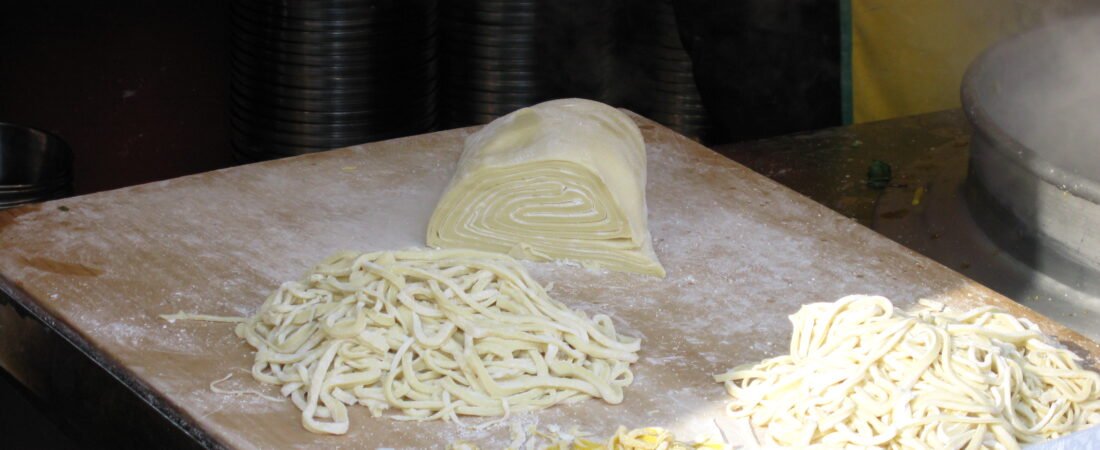
Kalguksu, a traditional Korean dish, is known for its comforting qualities and hearty flavors. The term “kalguksu” translates to “knife noodles,” aptly describing the method of making the noodles, which are typically cut by hand, resulting in a chewy and unique texture. This elegant noodle soup has a rich history, often associated with family gatherings and communal dining.
Historically, kalguksu dates back to the Goryeo Dynasty, where it was considered a food of the royal court and was enjoyed by monarchs during significant events. Over the years, kalguksu has evolved into a beloved dish among various communities in Korea, symbolizing warmth and hospitality. It is not uncommon to find koguksu served at local festivals and celebrations, showcasing its integral role in Korean culture.
The preparation of kalguksu is deeply rooted in tradition, primarily using simple yet wholesome ingredients. The essential components include flour, water, and salt for the noodles, while the soup base typically comprises a flavorful broth made from anchovies, kelp, and vegetables such as zucchini and potatoes. Notably, kalguksu is often served with seasonal ingredients, reflecting the Korean culinary philosophy of harmony with nature. The addition of handmade dumplings or other toppings can further enhance the dish, making it a versatile meal suitable for any occasion.
For beginners venturing into the world of kalguksu, understanding its cultural significance and foundational ingredients is crucial. As you embark on this culinary journey, appreciate the preparation’s artistry and the heartwarming tradition surrounding this dish. Kalguksu is not just a meal; it is a tradition that encapsulates the essence of Korean cuisine.
Essential Ingredients and Tools for Preparing Kalguksu
To create an authentic bowl of kalguksu, a Korean handmade noodle soup, the selection of ingredients is crucial. The primary component of kalguksu is the noodles, which are made from flour. For the ideal texture and flavor, it is recommended to use a combination of all-purpose flour and a small amount of glutinous rice flour, which enhances the chewiness of the noodles. When measuring, a typical ratio is approximately 3 cups of all-purpose flour to 1 cup of glutinous rice flour, which yields a sturdy yet tender noodle.
Broth plays a significant role in enhancing the overall taste of the dish. Traditionally, kalguksu is made with a rich, savory broth that can be prepared from various sources, such as chicken, beef, or vegetables. An authentic kalguksu broth often comprises ingredients like anchovies, kelp, and vegetables such as onions, radishes, and garlic, yielding a depth of flavor that complements the noodles. It is advisable to simmer the broth for several hours to extract the maximum umami essence from the ingredients.
Vegetables also add to the dish’s texture and nutritional value. Common additions include zucchini, potatoes, and mushrooms, all of which should be sliced thinly to ensure they cook quickly and blend seamlessly with the noodles. Furthermore, fresh herbs, such as green onions, provide a refreshing garnish when serving.
To successfully prepare kalguksu, certain kitchen tools are essential. A rolling pin is needed to roll the dough to the desired thickness, while a sharp knife is required to cut the dough into even strips, yielding the traditional noodle shape. A large pot for boiling the noodles and broth is also necessary. Preparation and organization of these ingredients and tools are key steps in embarking on your kalguksu cooking journey.
Step-by-Step Process to Make Kalguksu
Making authentic kalguksu, a traditional Korean noodle dish, involves several detailed steps that are essential for achieving the right texture and flavor. The first step is preparing the noodle dough. In a mixing bowl, combine flour and salt, gradually adding water to form a cohesive dough. Knead the mixture on a floured surface until the dough is smooth and elastic, which usually takes about 10 minutes. To enhance the flavor of the noodles, consider allowing the dough to rest for at least 30 minutes covered with a damp cloth.
Next, roll out the rested dough. Use a rolling pin to flatten it to about 1/8 inch thick. Ensure even thickness throughout to aid in uniform cooking. Once rolled out, sprinkle a bit of flour to prevent sticking. Carefully fold the dough into thirds and use a sharp knife or pizza cutter to slice the folded dough into thin strips, commonly seen in traditional kalguksu. Unfold the strips and lightly dust them with flour to keep them separated.
The third step is preparing the broth, which is a crucial element of kalguksu. Start by simmering a combination of water, chicken or beef bones, and aromatic vegetables such as onion, garlic, and green onions. Allow this mixture to simmer for at least 1 hour to develop a robust flavor. The broth can be seasoned with soy sauce and salt to taste, adjusting according to your preference.
Finally, it is time to assemble the dish. Bring the broth to a rolling boil, adding the freshly cut noodles directly into the pot. Cook the noodles for about 3-5 minutes or until they are tender. Serve the kalguksu garnished with more green onions, perhaps a sprinkle of sesame oil, and additional vegetables as desired. Avoiding overcooked ingredients is key; fresh vegetables should retain some crunch. Mastering each step will ensure a delicious serving of kalguksu that preserves its comforting essence.
Serving Suggestions and Variations on Kalguksu
When it comes to serving kalguksu, presentation and flavor are key components. This traditional Korean noodle soup is often served hot, and a few simple garnishes can elevate the dish significantly. Consider topping your kalguksu with thinly sliced scallions, a sprinkle of sesame seeds, or even a dollop of gochujang for a spicy kick. These additions not only enhance the visual appeal but also contribute layers of flavor that harmonize beautifully with the hearty broth.
As for side dishes, a variety of banchan, or Korean side dishes, complement kalguksu wonderfully. Kimchi, seasoned soybeans, or pickled radishes serve as excellent accompaniments. These cold or mildly spiced vegetables balance the warm, savory notes of the soup, creating an engaging dining experience.
Variations of kalguksu allow for personal creativity and adaptation to seasonal ingredients. While the classic recipe features a savory chicken or beef broth, creating a seafood kalguksu can introduce a novel taste. Incorporating clams, shrimp, or fresh fish enhances the umami profile of the soup. Alternatively, for a vegetarian option, consider a rich vegetable broth, using mushrooms and root vegetables to build depth. Each of these variations provides a unique twist, allowing home cooks to explore different flavor combinations.
Another popular variation includes the addition of seasonal vegetables such as zucchini, carrots, or napa cabbage, which can be added to the broth during cooking. These not only enrich the soup with nutrients but also add texture and color, making the dish visually appealing. Ultimately, kalguksu is a versatile dish that invites experimentation; don’t hesitate to customize your bowl according to personal tastes and available ingredients.