
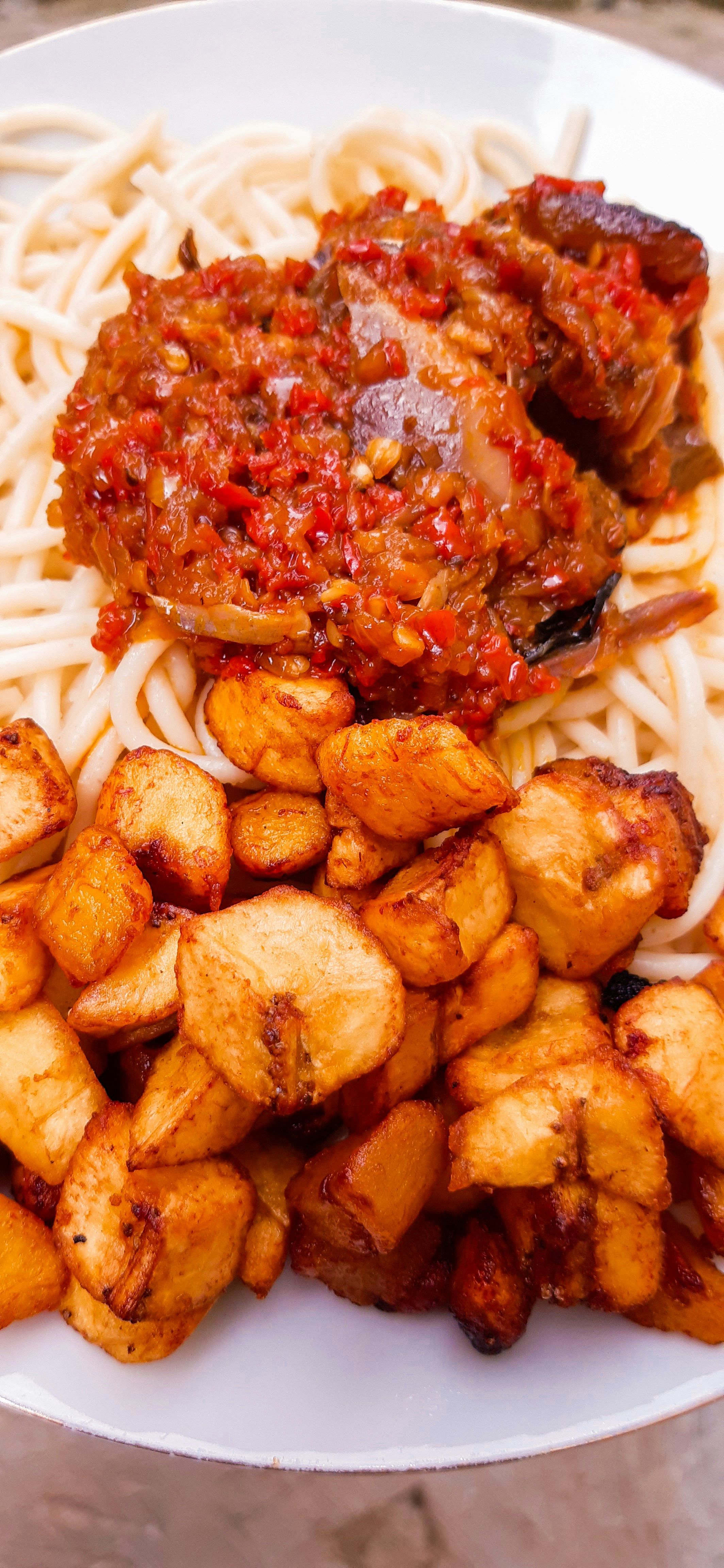
- The Origin of Rasta Pasta
- Cultural Significance of Rasta Pasta
- Unique Flavors of Rasta Pasta
- Textural Delights of Rasta Pasta
- Visual Appeal of Rasta Pasta
- Dishing Out the Appearance of Rasta Pasta
- Plating Rasta Pasta: Techniques and Tips
- Variations of Rasta Pasta: Diverse Interpretations
- Conclusion: The Enduring Legacy of Rasta Pasta
The Origin of Rasta Pasta
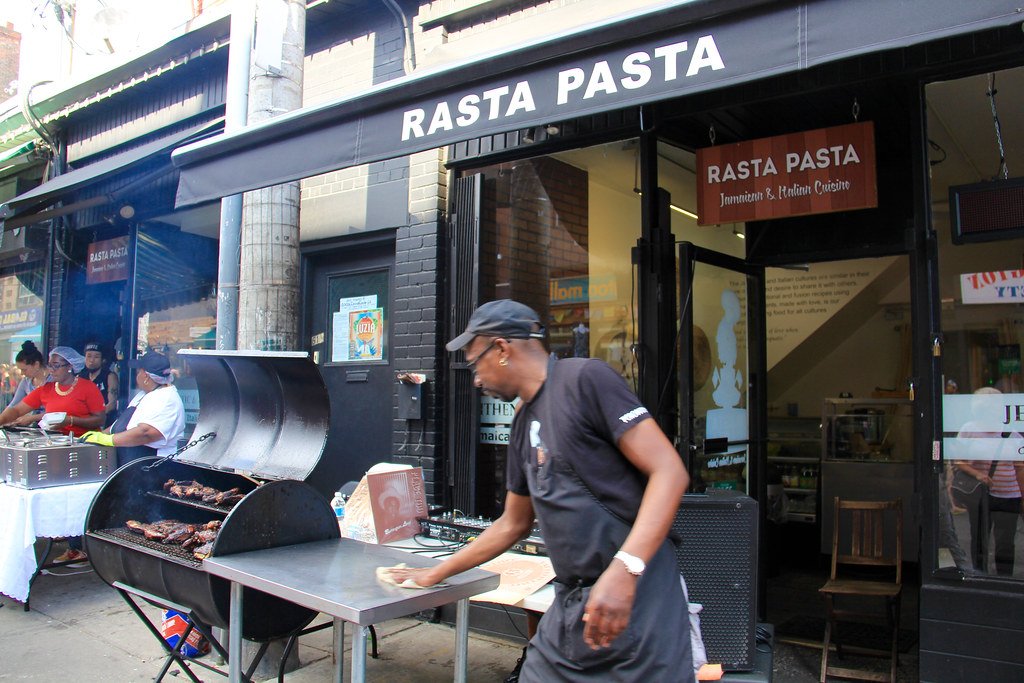
Rasta Pasta is a culinary creation that beautifully embodies the fusion of Italian and Caribbean cuisines, tracing its origins primarily to Jamaica. This unique dish emerged as a result of cultural exchanges brought about by immigration and globalization, which facilitated the blending of diverse culinary traditions. The term “Rasta” refers to the Rastafarian movement, which significantly shapes the cultural landscape of Jamaica and influences various aspects of daily life, including food.
At its core, Rasta Pasta reflects the vibrant lifestyle of the Rastafarian culture, which emphasizes natural ingredients, bright colors, and a connection to the earth. The dish often features a medley of vegetables, including bell peppers, onions, and tomatoes, typically relating to the Rastafarian colors of red, green, and yellow. These colors symbolize the struggle for freedom, peace, and prosperity within the Rastafarian community, and they are prominent in the dish’s visual appeal. The use of fresh, locally sourced ingredients highlights the Rastafarian principles of sustainability and respect for the environment.
The introduction of Italian pasta into Jamaican cuisine can be credited to the influence of Italian immigrants who settled in Jamaica during the late 19th and early 20th centuries. Over time, as Jamaican cooks began to adapt traditional Italian pasta recipes, they incorporated local flavors and spices, resulting in the birth of Rasta Pasta. This innovative approach to cooking showcases how culinary practices evolve through intercultural interactions and the exchange of cooking techniques.
As Rasta Pasta gained popularity, it became a symbol of the dynamic cultural interplay in Jamaica, standing testament to how food can serve as a bridge between diverse cultural identities. The dish has evolved further, reflecting not only its Italian roots but also entrenching itself within the Caribbean’s rich gastronomic heritage, making it a beloved favorite among locals and visitors alike.
Cultural Significance of Rasta Pasta
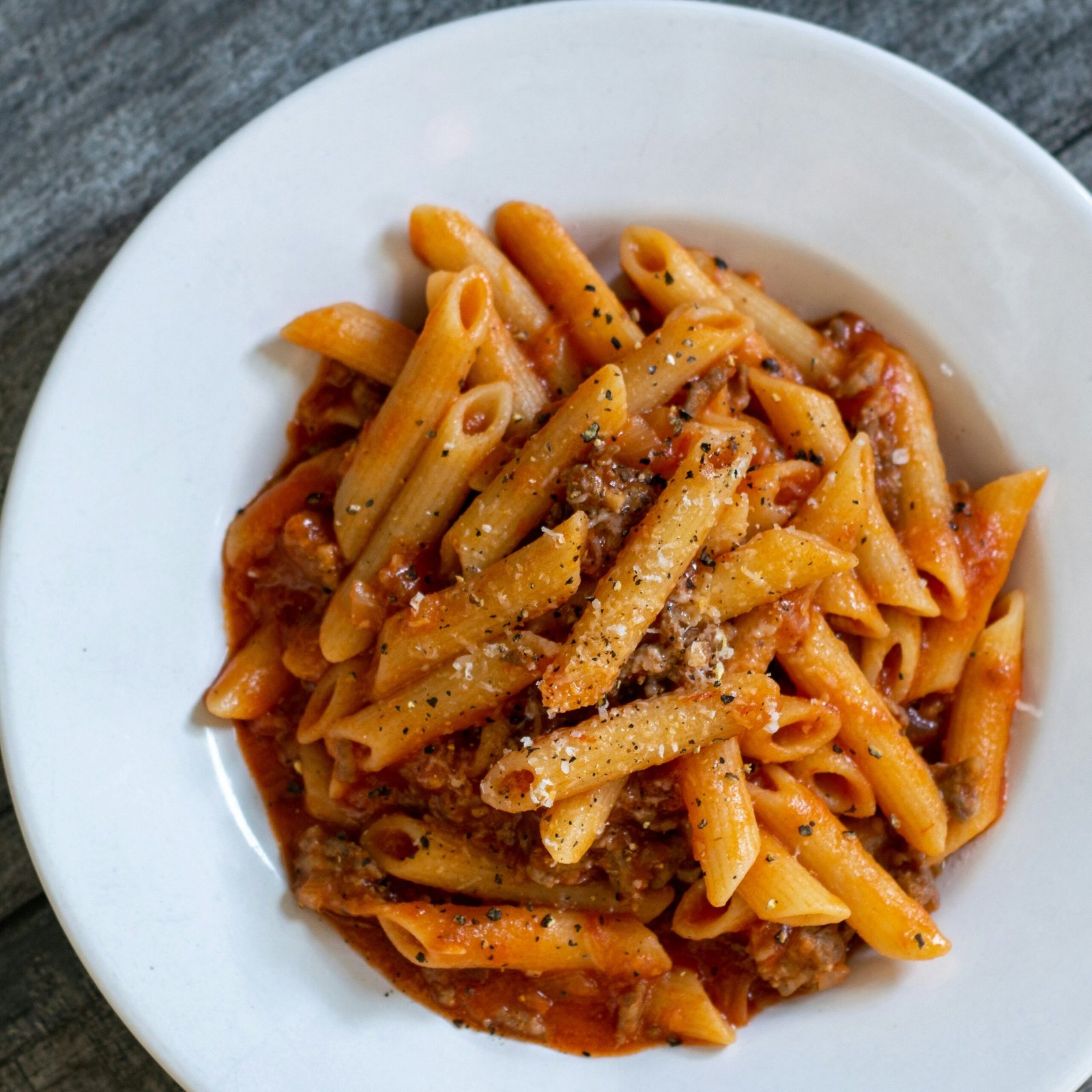
Rasta Pasta is not merely a dish but a vibrant expression of cultural identity, particularly for Jamaicans within the Rastafarian community. The colorful combination of pasta with fresh vegetables, herbs, and spicy sauces reflects the bright aesthetic commonly associated with Rastafarianism, often symbolized through the red, gold, and green colors of the Ethiopian flag, which hold significant historical and spiritual meaning. These colors represent the blood of the people, the wealth of the land, and the richness of the African heritage that Rastafarians embrace.
In Jamaican culture, Rasta Pasta has emerged as a staple in various celebrations and gatherings, showcasing the culinary creativity that is an integral part of the nation’s identity. Whether at family reunions, community festivals, or social gatherings, this dish serves as a tool for unifying participants, inviting them to share in the experience of good food and culture. It encapsulates the idea of togetherness, as families and friends come together to appreciate the flavors, colors, and stories intertwined with each serving.
The incorporation of local produce, such as callaloo, peppers, and tomatoes, not only emphasizes sustainability and the importance of regional agriculture but also connects the preparation of Rasta Pasta to the land and the community. This dish symbolizes a shared heritage among Jamaicans, highlighting the resourcefulness involved in transforming simple ingredients into a beloved culinary experience. Through Rasta Pasta, individuals celebrate their roots while forging connections with others who share similar values and beliefs.
Ultimately, the significance of Rasta Pasta extends beyond the plate. It embodies the spirit of resilience and creativity found within Jamaican culture, capturing the essence of identity and community spirit. With its unique blend of flavors and cultural stories, Rasta Pasta continues to play a crucial role in the societal fabric of Jamaica, promoting unity and celebrating the richness of diversity.
Unique Flavors of Rasta Pasta
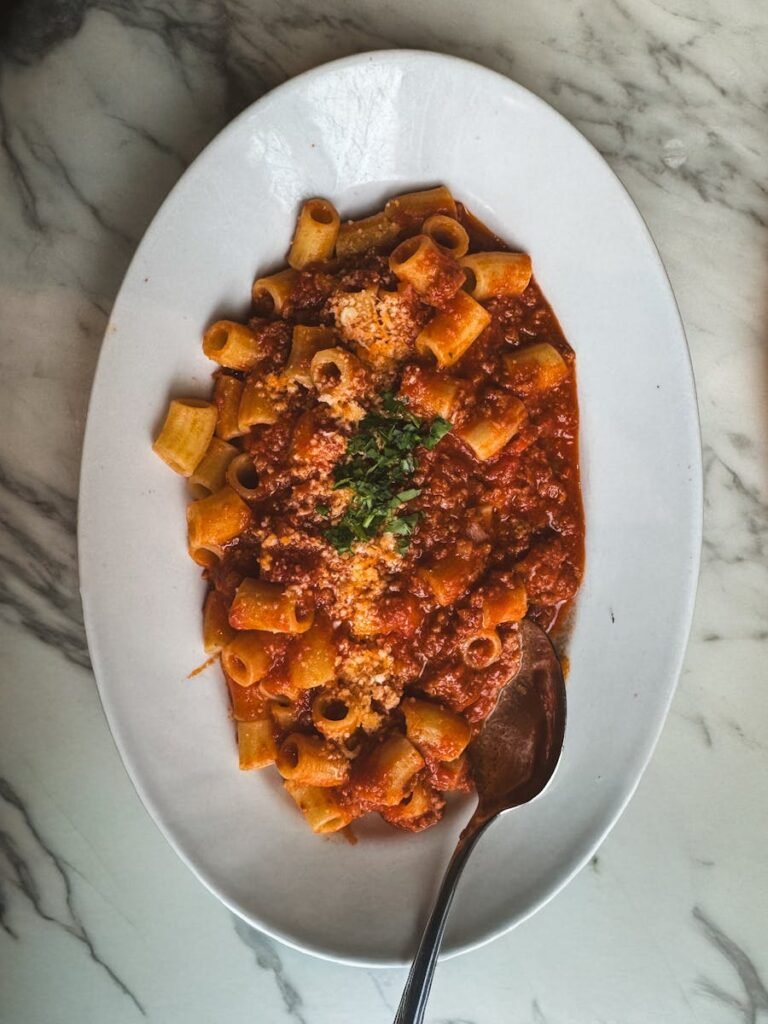
Rasta Pasta presents a delightful fusion of Italian and Caribbean culinary traditions, resulting in a unique flavor profile that captivates the palate. This dish primarily showcases a vibrant medley of traditional Italian seasonings intertwined with the bold spices characteristic of Caribbean cuisine. The harmonious blend creates a distinctive taste that is both comforting and exhilarating.
One of the key components of Rasta Pasta is the incorporation of fresh bell peppers, which not only add a splash of color but also a sweet crunch that balances the savory elements. The peppers, typically red, yellow, and green, mirror the Rastafarian flag and contribute a subtle sweetness that complements the richness of the pasta. Adding to this palette are garlic and onions, foundational staples in both Italian and Caribbean cooking that serve to enhance the overall depth of flavor.
Herbs play a crucial role in defining the flavor of Rasta Pasta. A blend of fresh thyme, parsley, and sometimes basil creates a fragrant aroma that entices the senses. These herbs provide a fresh, earthy essence to the dish, further distinguishing it from traditional pasta options. Additionally, spices such as allspice, scotch bonnet pepper, or jerk seasoning may be introduced, infusing the dish with a characteristic heat and complexity that echoes Caribbean influences.
Ultimately, the marriage of these ingredients results in a vibrant dish that embodies the spirit of cultural fusion. The combination of creamy sauces, bold vegetables, and Caribbean spices makes Rasta Pasta not only a feast for the eyes but also a dish that tantalizes the taste buds, making it a beloved creation among food enthusiasts. This culinary exploration highlights how Rasta Pasta stands apart in the diverse world of pasta dishes, offering a flavorful experience that reflects a rich cultural heritage.
Textural Delights of Rasta Pasta
The culinary masterpiece known as Rasta Pasta is celebrated not only for its vibrant colors but also for its delightful array of textures that contribute to an exceptional dining experience. At the core of this dish is al dente pasta, which provides a firm yet tender bite. The careful selection of pasta ensures that each strand holds onto the creamy sauces and flavors that permeate the dish. This textural foundation sets Rasta Pasta apart from many other pasta dishes, as it encourages a satisfying chew that can transform a simple meal into a sensual experience.
Complementing the pasta are an assortment of sautéed vegetables, typically including bell peppers, onions, and sometimes spinach. These vegetables introduce a variety of textures; the crispness of the bell peppers contrasted with the softness of the sautéed onions creates a vivid interplay that enhances each mouthful. This mix of textures draws the diner in, providing both visual and tactile satisfaction, ensuring that each bite is not just about flavor but also an exploration of texture. The addition of fresh herbs can also enhance this texture palette, adding a hint of bitterness and freshness that complements the overall dish.
Moreover, the creamy sauces that bind the ingredients together contribute to the overall mouthfeel of Rasta Pasta. Unlike traditional marinara or oil-based sauces, the creaminess adds a rich, velvety element that envelops the pasta and vegetables, creating a luxurious experience. When contrasting Rasta Pasta with similar dishes, such as Alfredo or Pesto, the noticeable difference lies in its diversity of texture. While Alfredo typically leans towards a more uniform creaminess, Rasta Pasta captivates with its distinctive blend of both crunchy and creamy profiles that keep the palate engaged. This unique textural composition not only elevates the dish but also makes Rasta Pasta a truly memorable delight of colors and sensations.
Visual Appeal of Rasta Pasta
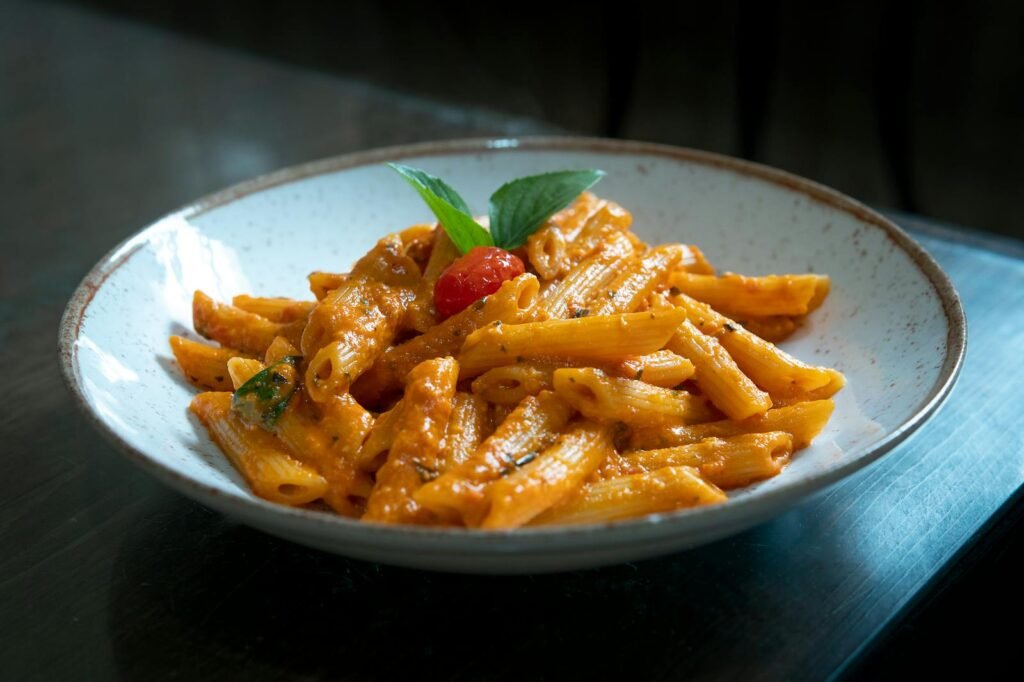
The visual appeal of Rasta Pasta is one of its defining characteristics, drawing attention not only for the flavors it encapsulates but also for the vibrant colors that decorate the plate. The dish, inspired by Jamaican culture, merges the elements of traditional pasta with an array of colorful vegetables, symbolizing the Rastafarian commitment to vibrant and natural living. This culinary creation typically incorporates bell peppers, peas, carrots, and other vegetables, which infuse the dish with bright hues of green, red, yellow, and orange. The natural pigments from these ingredients contribute to a stunning tableau, stimulating not just the palate but the eyes as well.
Furthermore, the preparation and presentation of Rasta Pasta play a significant role in its visual allure. Chefs often employ a technique of sautéing the vegetables to maintain their crunch and vividness, which enhances their aesthetic appeal. When plated, the contrasting colors of the pasta, often taking on a golden or cream shade, combine harmoniously with the colorful vegetables. This well-balanced presentation creates an inviting dish that embodies a feast for both the senses and the spirit, bringing forth the message of unity that is central to its cultural roots.
Rasta Pasta is commonly garnished with herbs like parsley or basil, adding even more depth to its visual presentation. The beauty lies not only in the colors themselves but also in the culinary artistry displayed. Chefs take care to serve this dish in a way that reflects its origins, often using rustic or earthy bowls that complement its natural ingredients. By doing so, they honor the cultural significance behind Rasta Pasta, ensuring that its visual presentation matches the vibrant and rich tapestry of flavors that it offers. The resulting dish is not just a meal but a lively celebration of culture, color, and creativity.
Dishing Out the Appearance of Rasta Pasta
Rasta Pasta is a vibrant culinary dish that not only tantalizes the taste buds but also captivates the eyes. One of the most striking characteristics of this dish is its colorful appearance, which typically incorporates the colors of the Rastafari movement: red, yellow, and green. These hues reflect the cultural significance and pride associated with the Rasta lifestyle, making the dish not only a meal but also a visual representation of its roots.
When served, Rasta Pasta often features a base of al dente pasta, enveloped in a creamy sauce, which serves as a canvas for the vivid ingredients. Bell peppers in red, yellow, and green, sautéed to perfection, create an alluring contrast against the pale pasta. Ingredients such as broccoli and cherry tomatoes add additional splashes of color, while fresh herbs like cilantro may grace the dish with a hint of green and freshness, elevating its aesthetic appeal.
Plating Rasta Pasta is an essential element of its presentation. A common technique is to twirl the pasta onto a large, flat plate, creating height and a sense of elegance. The vibrant vegetables can be artistically arranged around the pasta, effectively contrasting with the creaminess of the sauce. Garnishes, such as a drizzle of olive oil or a sprinkle of grated Parmesan cheese, can further enhance the presentation, providing a reflective shine that attracts attention. Additionally, serving Rasta Pasta in a rustic wooden bowl or a colorful ceramic dish can further emphasize its Caribbean heritage, leaving a lasting impression on diners.
This emphasis on visual appeal not only enhances the dining experience but also invites individuals to partake in a cultural celebration through food. With attention to color combinations and artistic plating techniques, Rasta Pasta embodies a dish that is as appealing to the eye as it is to the palate.
Plating Rasta Pasta: Techniques and Tips
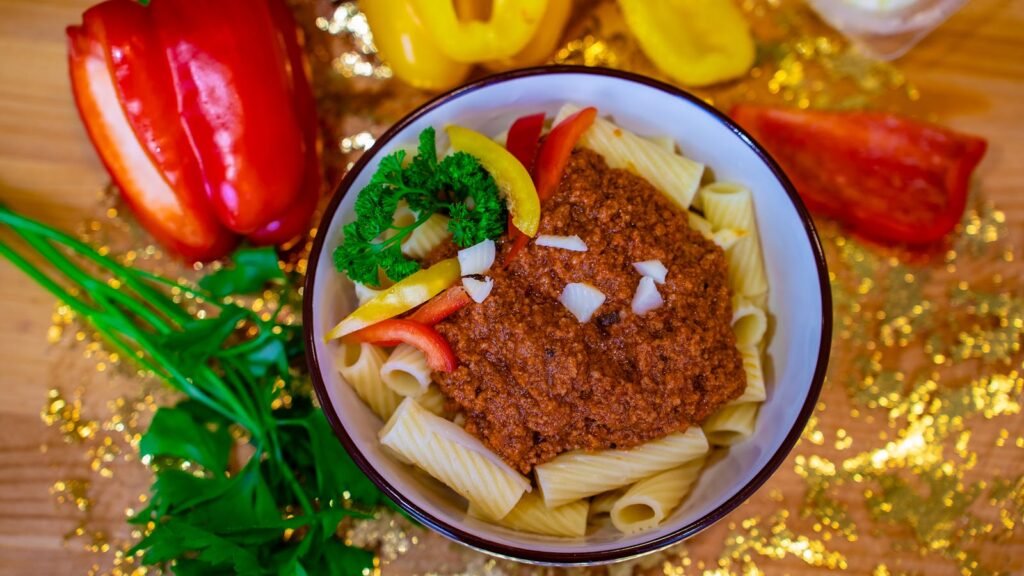
Plating Rasta Pasta is an art that transcends simply arranging food on a plate. It offers the opportunity to showcase the vibrancy of this dish while enhancing the overall dining experience. The key elements to consider when plating Rasta Pasta include balance, color contrast, and portioning, each of which plays a vital role in creating an appealing presentation.
Balance is crucial in any culinary plating. A well-balanced plate should have components that complement each other without overcrowding. For Rasta Pasta, consider a generous serving of pasta accompanied by a colorful medley of vegetables, such as bell peppers and spinach. This not only maintains visual equilibrium but also ensures that the dish is nutritionally vibrant. Aim for a portion size that is satisfying yet allows room for garnishes, ensuring that the viewer’s eye is drawn to the full arrangement.
Color contrast is another essential aspect of successful plating. The bright yellow of cooked pasta, combined with the rich greens and reds from fresh produce, creates an inviting display. When arranging the pasta, swirls or nests can be formed to invite the diner in, making it appear both dynamic and enticing. A sprinkle of additional vegetables on top can amplify this effect.
Garnishing plays a pivotal role in elevating the dish’s appeal. Fresh herbs, such as parsley or basil, add not only a splash of color but also an aromatic quality that heightens the overall sensory experience. Consider adding a zesty touch with a drizzle of olive oil or a sprinkle of cheese to enhance the flavor profile. Creating height in the presentation can be achieved by stacking or layering ingredients strategically. This technique enhances the visual interest and encourages diners to take their time savoring the vibrant experience of Rasta Pasta. By employing these plating techniques, you can transform a simple dish into a visually stunning culinary masterpiece.
Variations of Rasta Pasta: Diverse Interpretations
Rasta Pasta, a dish celebrated for its colorful presentation and unique flavors, has become a canvas for culinary creativity across the globe. Chefs and home cooks alike have embraced this vibrant plate, often modifying the foundational elements to incorporate local ingredients and personal flair. These variations maintain the essential spirit of Rasta Pasta while introducing a delightful array of tastes and textures, resulting in interpretations that honor its Jamaican roots.
One popular adaptation involves the incorporation of seafood, often seen in coastal regions. For instance, shrimp or scallops are added to the traditional concoction, creating a savory blend that enhances the overall depth of flavor. By integrating fresh ingredients, such as local herbs and spices, these interpretations not only pay homage to the original dish but also reflect the surrounding culinary landscape.
Vegetarian adaptations of Rasta Pasta have also gained traction, catering to the growing demand for plant-based meals. Chefs may substitute the protein with hearty vegetables like mushrooms or zucchini, while still utilizing the quintessential tri-color bell peppers. Some cooks experiment with plant-based proteins, such as tofu or tempeh, which complements the dish’s rich sauce without sacrificing taste.
Regional influences further diversify Rasta Pasta’s interpretations. In South America, for example, chefs may introduce tropical fruits, like mango or pineapple, to impart a sweet contrast to the dish’s savory elements. Conversely, in European adaptations, creamy sauces or cheese might be introduced, altering the dish’s overall character while still preserving its vibrant aesthetic.
Ultimately, the creativity surrounding Rasta Pasta demonstrates its versatility and appeal. Each variation tells a story, showcasing the individual chef’s connection to the dish while remaining grounded in the fundamental aspects that define Rasta Pasta. Through these diverse interpretations, the culinary journey of this beloved dish continues to evolve and inspire.
Conclusion: The Enduring Legacy of Rasta Pasta
Rasta Pasta embodies more than just a unique culinary experience; it is a vibrant reflection of Jamaican culture and its diverse influences. Throughout this blog post, we have explored the rich history and cultural significance of this dish, which artfully combines traditional Italian pasta with Jamaican flavors and ingredients. The bright colors often associated with Rasta Pasta—green, yellow, and red—symbolize the Rastafarian movement and its connection to the rich cultural heritage of Jamaica.
The ingredients used in Rasta Pasta play a crucial role in conveying its culinary identity. Vegetables such as bell peppers, which mimic the vibrant Rastafarian colors, and spices that evoke the warmth of Jamaican cuisine, come together to create a dish that is as visually striking as it is flavorful. The harmonious blend of these elements highlights the adaptability of Rasta Pasta and underscores its position as a comfort food that brings people together, regardless of their background.
As we turn to contemporary cuisine, Rasta Pasta continues to evolve, gaining popularity beyond Jamaica and adapting to various culinary traditions. Chefs around the world now experiment with different interpretations, incorporating local ingredients and flavors while maintaining the essence of this beloved dish. This adaptability illustrates the enduring legacy of Rasta Pasta, confirming its appeal to a wider audience and its role in promoting cultural exchange.
In the ever-changing landscape of food and culinary trends, Rasta Pasta stands tall as a symbol of creativity and cultural pride. Its ability to fuse tradition with innovation ensures that it will remain not only a cherished dish but also a testament to the ongoing journey of Jamaican heritage in the global culinary sphere.