
- The Origins of French Onion Soup
- Cultural Significance of French Onion Soup
- Unique Flavors of French Onion Soup
- Textures in French Onion Soup
- The Visual Appeal of French Onion Soup
- Appearance of French Onion Soup
- Plating French Onion Soup
- Variations of French Onion Soup
- Conclusion: The Timelessness of French Onion Soup
The Origins of French Onion Soup
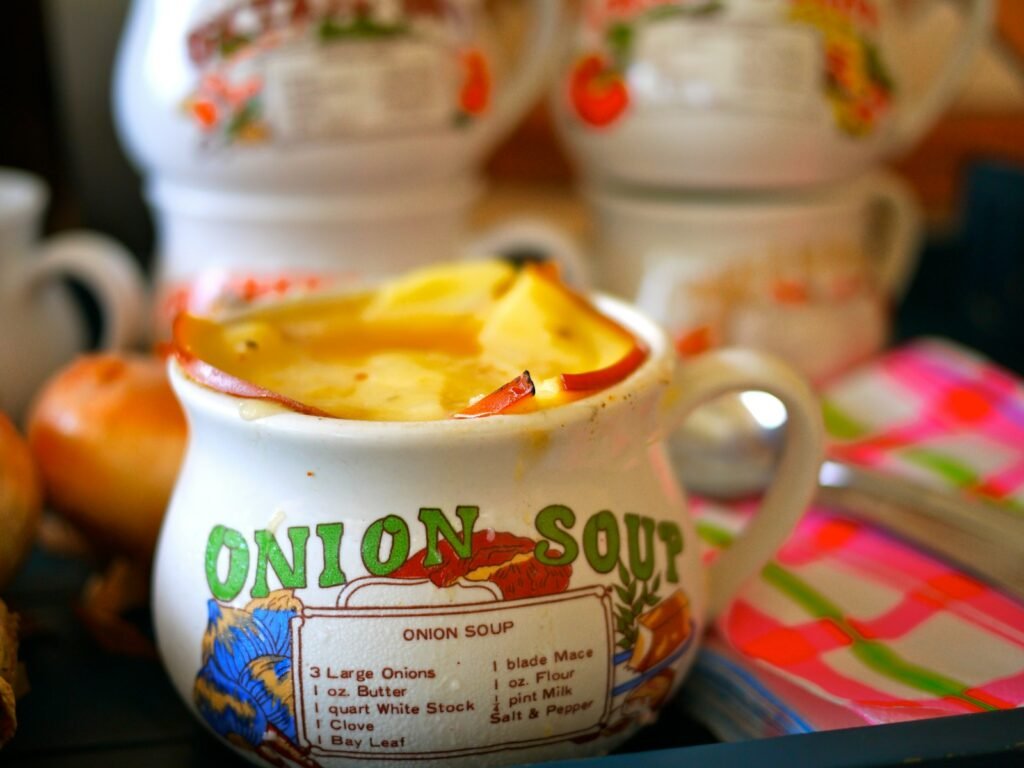
French onion soup is a culinary staple deeply embedded in the history of French cuisine, with its origins tracing back to ancient Roman times. The earliest iterations of this soup can be linked to the Romans, who recognized the value of onions for their flavor and nutritional benefits. Historical texts suggest that the Romans would simmer onions with a mix of other herbs, laying the groundwork for the distinctive flavors that would later define French onion soup.
As time progressed, the simple onion soup evolved through the centuries. By the 18th century, the soup began to gain stature in French culinary circles. The transformation was in part influenced by the rise of the French nobility, who enjoyed culinary experimentation and refinement. It is widely believed that the modern version, characterized by caramelized onions, rich broth, and topped with melted cheese, solidified during this era. This evolution marked the transition from a humble peasant dish to a beloved French classic.
The geographical regions of France where French onion soup flourished are significant to its story. While variations of onion soup can be found throughout the country, the dish is most closely associated with Paris. In particular, the famous bistros of the city contributed to its popularity during the late 19th and early 20th centuries. Noteworthy historical figures, including chefs and writers, played an essential role in elevating the soup to icon status by featuring it in culinary literature and restaurant menus.
This rich history of French onion soup demonstrates not only its ability to adapt and thrive but also its cultural significance within French gastronomy. The combination of simple ingredients and intricate preparation methods illustrates the artistry of French cooking, making it a dish that truly embodies the heart of France’s culinary traditions.
Cultural Significance of French Onion Soup
French onion soup holds a revered position in French cuisine, often regarded as a symbol of culinary tradition and social bonding. Its origins can be traced back to ancient times, but it gained popularity as a peasant dish in France, particularly in the 18th century. The recipe reflects the frugality and resourcefulness of the French people, as it principally consists of simple ingredients like onions, broth, and bread, which can be easily sourced and prepared. This accessibility has contributed to its integration into the broader cultural tapestry of France.
Jonathan Gold, a renowned food critic, emphasized the significance of comfort food in creating shared experiences. French onion soup is not only a meal; it is a communal dish that encourages gathering, conversation, and togetherness. From intimate family dinners to festive occasions, serving this rich soup promotes a sense of warmth and hospitality, embodying the French cultural ethos of well-being through shared meals. The act of gathering around a warm bowl of French onion soup fosters connection and camaraderie, making it an essential part of social dining experiences.
Moreover, the adoption of French onion soup across various cultures further illustrates its universal appeal and adaptability. As traditions spread, countless variations emerged, reflecting local tastes and ingredients. This ability to transcend borders exemplifies the soup’s relevance in contemporary culinary landscapes, where it has become a favorite in many international restaurants and homes. By incorporating elements from various cuisines, French onion soup continues to evolve while maintaining its essence, making it a timeless comfort food.
In summary, French onion soup presents a rich tapestry of cultural significance and communal dining in French cuisine. It is a dish that transcends its humble origins, embodying values of hospitality, comfort, and social connection across cultures. This beloved soup not only satisfies hunger but also nourishes the spirit, making it a staple in culinary traditions worldwide.
Unique Flavors of French Onion Soup
The distinctive flavor profile of French onion soup is primarily attributed to its core ingredients. At the heart of this beloved dish lies caramelized onions, which serve as the foundation of its deep, sweet, and savory essence. To achieve the perfect caramelization, onions must be slowly cooked over low heat, allowing their natural sugars to develop into a rich, golden-brown hue. This process can take anywhere from 30 to 45 minutes, depending on the type and amount of onions used, and is essential for creating the signature depth of flavor that French onion soup is renowned for.
The use of quality beef broth further elevates the soup, contributing to its hearty base. Traditional recipes often call for a well-made homemade beef broth, but many modern cooks may opt for store-bought varieties. Regardless of the source, the broth is typically simmered with the caramelized onions, allowing the flavors to meld beautifully. Some variations may include additional components such as white wine or sherry, providing an extra layer of acidity that balances the sweetness of the onions.
Cheese is another critical element, often Gruyère or Emmental, which is melted on top of the soup after being broiled with slices of toasted baguette. This not only adds a rich and creamy texture but also enhances the overall flavor profile of the dish. Furthermore, for those who appreciate a nuanced taste, various herbs and seasonings such as thyme, bay leaves, or even a dash of nutmeg can be introduced during the cooking process. These ingredients create a harmonious blend that accentuates the comforting nature of the soup. Thus, the unique flavors of French onion soup exemplify the artistry involved in balancing sweet, savory, and umami elements to create a dish enjoyed by many around the world.
Textures in French Onion Soup
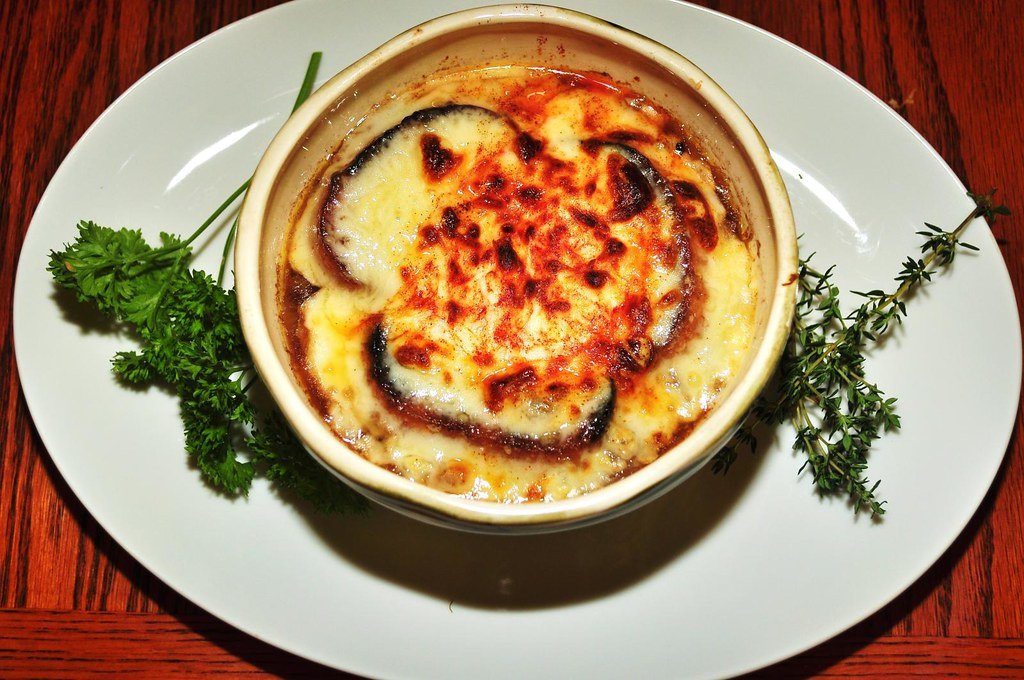
The sensory experience of French onion soup is notably defined by its textures, which create a delightful contrast that enhances its overall appeal. At the heart of this famous dish are the onions, which undergo a transformation during the cooking process. When sautéed, they soften and become tender, providing a smooth and velvety base for the soup. This gentle texture invites the diner to savor each spoonful, setting a comforting stage for the accompanying ingredients.
Another essential component of French onion soup is the broth, which is typically rich and flavorful. The liquid, absorbed by the onions, envelopes them like a warm embrace, creating an inviting mouthfeel that encourages indulgence. As one sips this savory concoction, the soothing sensation of the broth blends harmoniously with the onions, heightening the overall experience.
The textural contrast is amplified by the addition of crispy bread that forms the topping of the soup. Traditionally, a slice of baguette is placed atop the bowl before being broiled with melted cheese, typically Gruyère or Emmental. This bread not only serves as a physical barrier, keeping the soup warm, but its crunchy surface offers a delightful textural juxtaposition to the tender onions and smooth broth beneath. The act of dipping the toasted bread into the soup is a tactile pleasure, as the bread gradually absorbs the flavors while retaining its crunch.
Completing this texture trifecta is the gooey, melted cheese that blankets the bread. When the cheese is melted, it transforms into a luscious layer, contributing creaminess and depth to the dish. Each bite results in a luxurious melding of the crispy bread, savory broth, tender onions, and rich cheese, making French onion soup a multi-sensory delight for the palate. Through the harmonious interplay of these various textures, the dining experience becomes truly memorable, elevating it beyond mere sustenance into a cherished culinary tradition.
The Visual Appeal of French Onion Soup
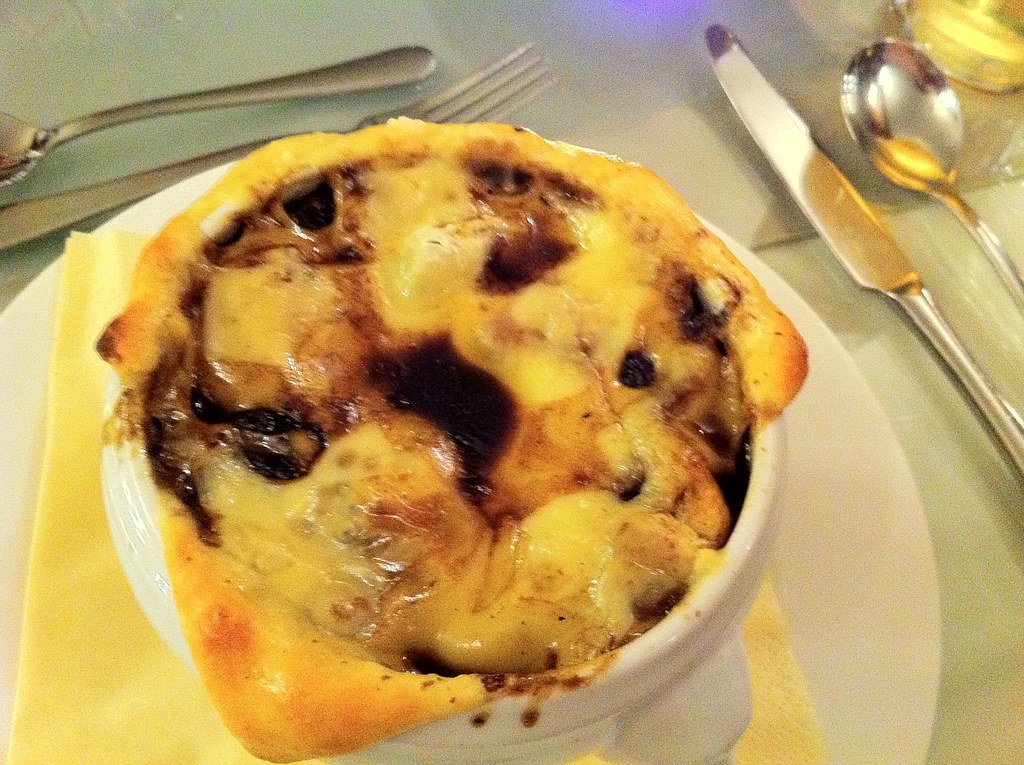
French onion soup is not only a culinary delight but also a feast for the eyes. The first aspect that captures attention is the inviting golden-brown hue of the caramelized onions, which serve as the heart of this dish. The process of caramelization transforms the onions, enhancing their natural sweetness and creating a rich, deep color that signifies the hours of slow cooking required to achieve perfection. This striking color contrasts beautifully against the rich beef broth base, inviting diners to take a closer look and tantalizing their taste buds even before a spoonful is served.
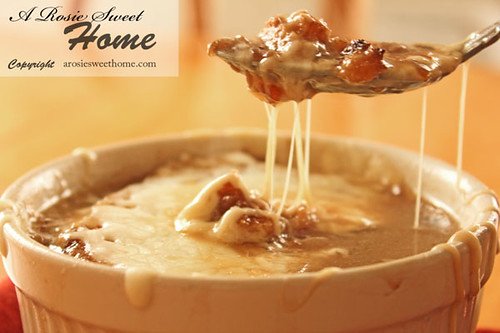
Complementing the mesmerizing color of the onions is the glossy surface created by the melted cheese, which is typically Gruyère or a similar variety. As the cheese is broiled to a bubbly finish, it creates a golden crust that not only adds depth to the visual experience but also promises a satisfying texture on the first taste. The sight of cheese slightly stretching as one takes a spoon makes the experience even more enticing, exuding a warm and cozy feeling that is reminiscent of a rustic French bistro.
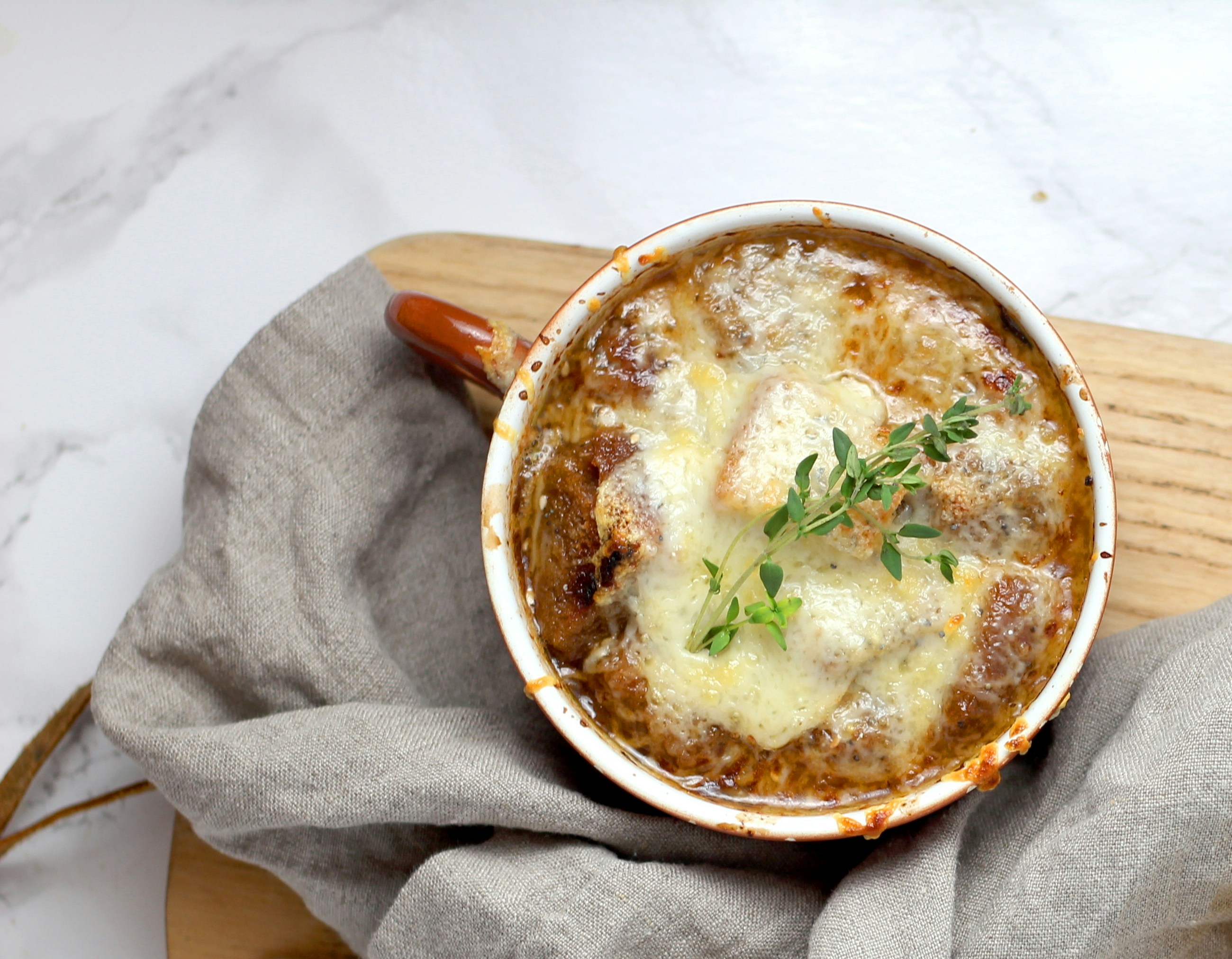
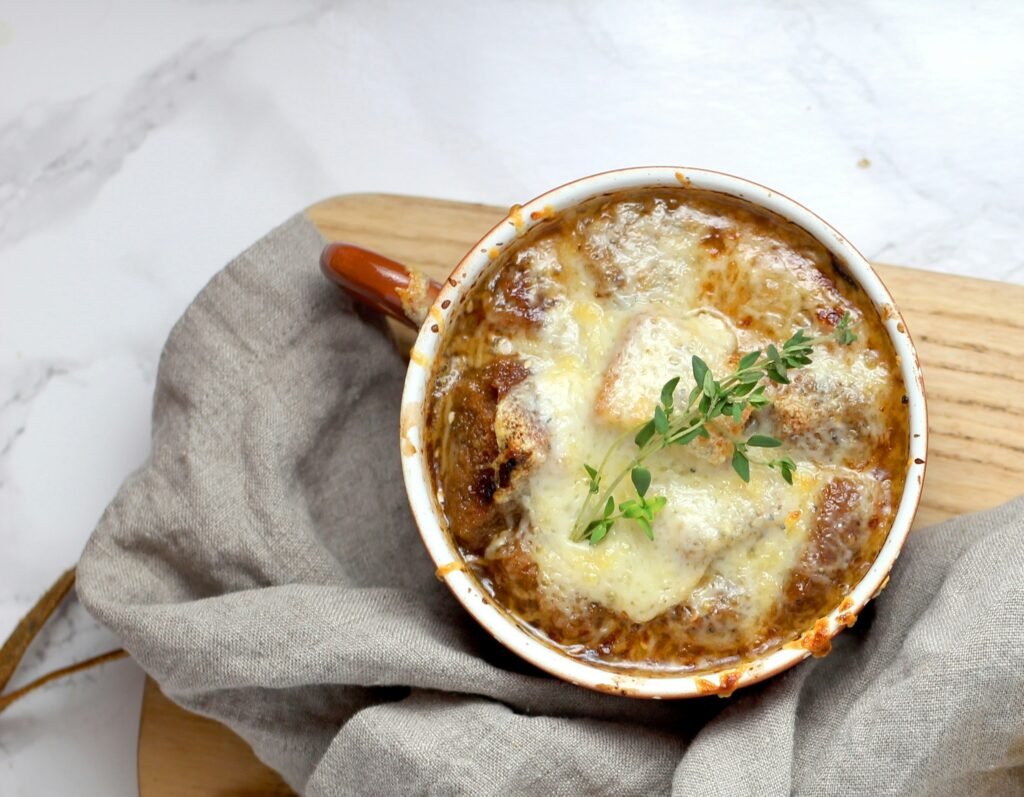
The presentation of French onion soup plays a crucial role in elevating the entire dining experience. Served in traditional earthenware bowls or crocks, the rustic nature of this dish enhances its inviting qualities. The contrasting colors—the dark, rich broth, the golden onions, and the creamy cheese—with the rustic bowl create an appealing tableau that draws diners in. Garnishing with fresh herbs or a sprinkle of cracked black pepper can add a touch of elegance, further enhancing its aesthetic quality. Ultimately, the visual elements of French onion soup contribute significantly to its overall allure, making it a dish that not only satisfies the palate but also delights the eyes.
Appearance of French Onion Soup
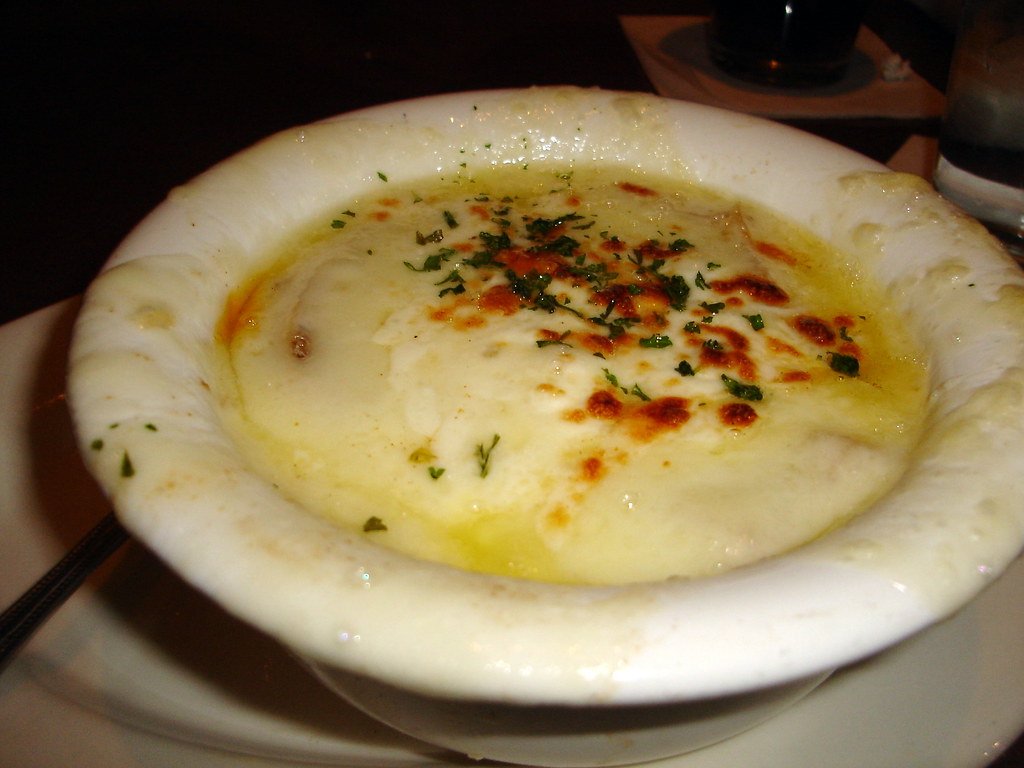
French onion soup is celebrated not only for its rich flavor but also for its distinctive visual appeal. Traditionally served in a ceramic or oven-safe bowl, this iconic dish plays with the contrast of colors and textures, drawing diners in even before they take their first bite. The bowl, often crafted with a rustic design, retains heat effectively, creating an inviting display of bubbling cheese and savory broth.
The layered presentation of French onion soup is one of its hallmark characteristics. At the base lies a deep, amber-hued broth, the product of patiently caramelized onions that lend both depth of flavor and a golden appearance. On top of this rich broth rests a thick layer of toasted bread, typically a slice of a baguette. This bread not only contributes a delightful crunch but also serves as the foundation for a generous heap of melted cheese—often Gruyère—which has been broiled to a bubbling, golden perfection. The cheese can overflow and create a delightful, slightly blistered appearance, adding to the dish’s charm and inviting nature.
Regional variations of French onion soup may also influence its appearance. In some areas of France, additional garnishes such as herbs or a sprinkle of colorful paprika can enhance the soup’s visual appeal. Furthermore, some chefs will opt for individual ramekins, presenting each serving with personal flair. The aspect of presentation is vital, as it encapsulates the essence of French cuisine—balancing flavor and aesthetics. Ultimately, the appearance of French onion soup plays a significant role in the overall dining experience, as the sight of this delightful dish often evokes anticipation and warmth, perfectly embodying the culinary traditions of its origins.
Plating French Onion Soup
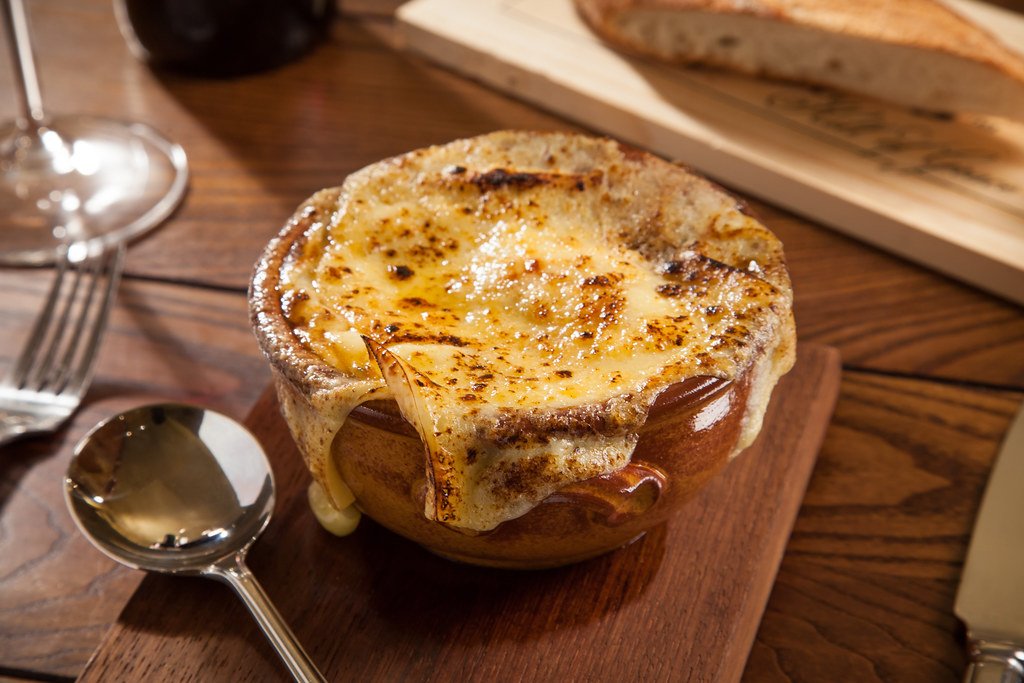
The presentation of French onion soup plays a significant role in enhancing its appeal and elevating the dining experience. Aesthetically pleasing meals not only satisfy hunger but also entice the palate. To achieve a remarkable plating of this classic dish, it is essential first to consider the vessel in which it will be served. Traditional French onion soup is often presented in shallow, oven-safe bowls that can withstand high temperatures. These bowls are usually ceramic or stoneware, both of which provide excellent heat retention while allowing the ingredients to cook evenly.
When plating French onion soup, the key is to create contrasting textures and colors. Start by ladling a generous portion of the rich, savory broth into the bowl. This base should be filled with tender caramelized onions that have developed a sweet, deep flavor through a slow cooking process. Once the broth is in place, the pièce de résistance is the cheese—a thick layer of Gruyère or Emmental cheese is often used, as it melts beautifully and creates a luxurious, creamy layer on top of the soup. To achieve the perfect cheese melt, a broiler can be employed. After sprinkling the cheese generously over the soup, place the bowls under the broiler until the cheese is bubbly and golden brown.
Garnishing is another important facet of plating French onion soup. A sprinkle of freshly chopped herbs, such as thyme or parsley, can add a bright splash of color while enhancing the overall flavor. Additionally, a few croutons placed strategically on top can add both texture and visual interest. It is beneficial to serve the soup with a side of crusty bread, allowing diners to enjoy the delightful combination of flavors and textures as they dip into the gooey cheese and flavorful broth. By applying these plating techniques, you can elevate your French onion soup, ensuring it delights both the eyes and the taste buds.
Variations of French Onion Soup
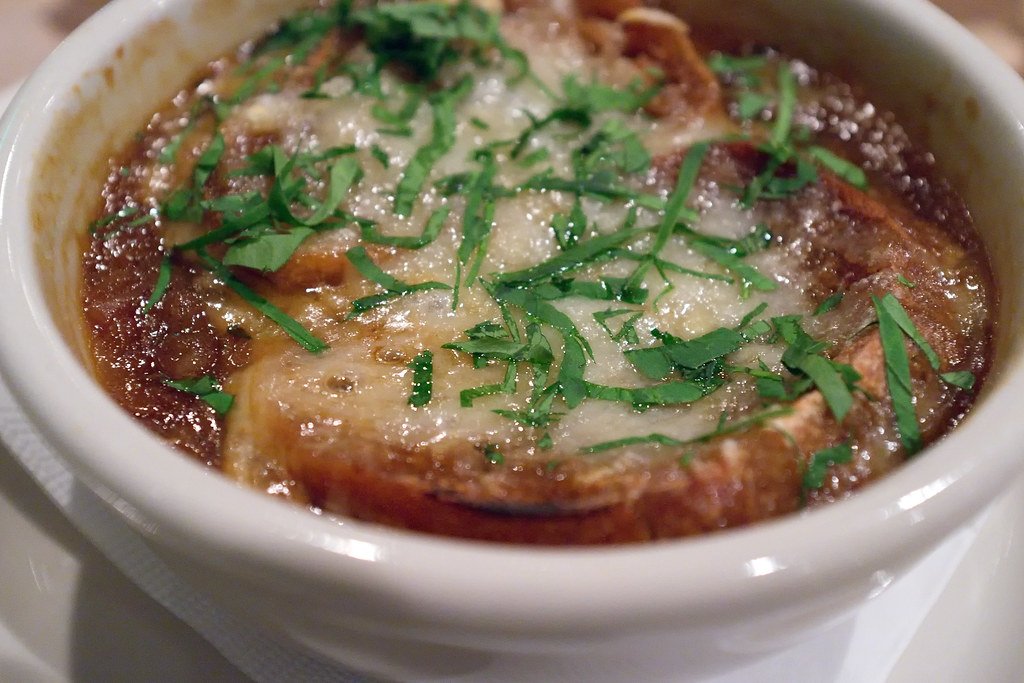
French onion soup, celebrated for its rich flavor and comforting warmth, has inspired numerous variations throughout the culinary world, showcasing its versatility beyond the classic preparation. One notable adaptation is the vegetarian French onion soup, which omits the traditional beef broth in favor of vegetable stock. This adjustment allows for a lighter yet still satisfying option that preserves the characteristic sweetness of caramelized onions. Often, chefs will enhance the depth of flavor by incorporating additional ingredients such as miso paste or tamari, resulting in a unique twist that appeals to both vegetarians and meat-eaters alike.
Gourmet twists on French onion soup have also gained popularity, where chefs elevate the dish with creative ingredients or techniques. For instance, some recipes introduce exotic cheeses, like Gruyère or Comté, which create a richer and more complex flavor profile. Other gourmet variations may incorporate truffle oil for an earthy aroma or sautéed mushrooms that add depth. These twists illustrate how French onion soup can be adapted to different palates while maintaining its essential character.
Regional adaptations further exemplify the global appeal of French onion soup. In the north of France, certain variations may include local cheeses or herbs, while regions in Canada often embrace the dish with the inclusion of maple syrup, adding a subtle sweetness that highlights the onions’ flavor. In the United States, particularly in New Orleans, chefs may blend the soup with Cajun spices, introducing a spicy element that transforms it into a truly distinctive offering. Each variation retains the core essence of French onion soup, yet reflects the local ingredients and culinary traditions, making it a beloved dish across various cultures.
Conclusion: The Timelessness of French Onion Soup
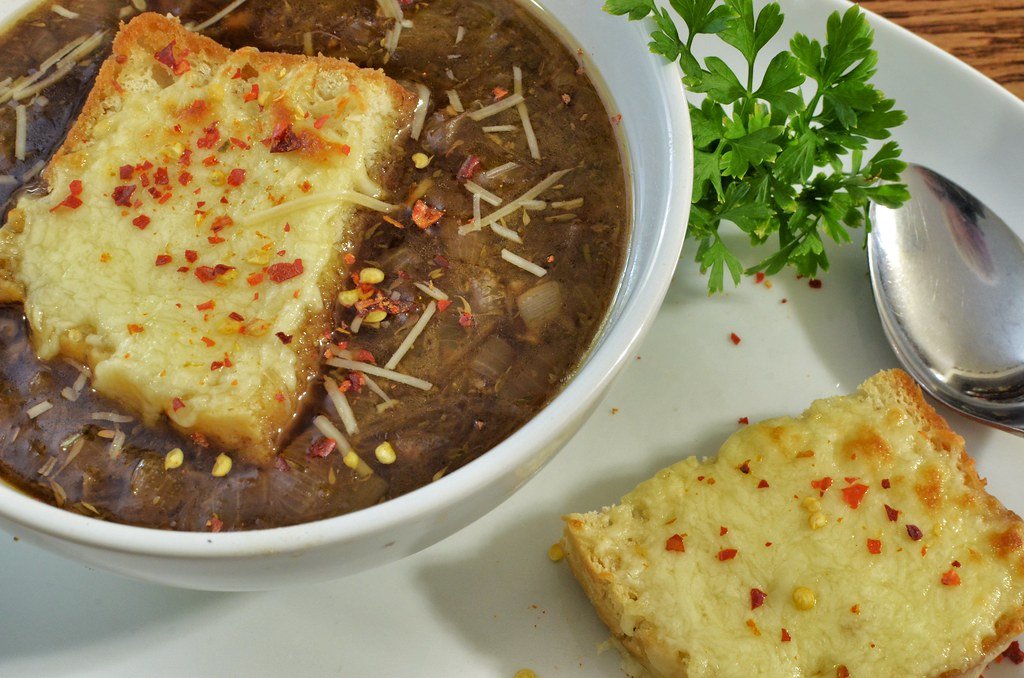
French onion soup stands as a quintessential example of culinary artistry, deeply woven into the cultural fabric of France and beyond. Its origins trace back to ancient times, with references to onion broth seen in Roman texts. Over centuries, it has evolved into a dish that showcases the comfort and depth of flavors resulting from a simple yet sophisticated combination of ingredients—caramelized onions, rich broth, melted cheese, and crusty bread. This evolution reflects not only culinary trends but also social contexts, as the dish transitioned from a peasant staple to a symbol of gourmet dining.
The cultural significance of French onion soup extends beyond its historical origins. It encapsulates a unique narrative of resourcefulness, demonstrating how humble ingredients can create a meal that resonates with warmth and indulgence. Traditionally enjoyed during cold months, the soup fosters a sense of togetherness, often served in convivial settings, whether at family gatherings or elegant bistro dinners. Consequently, it has come to symbolize comfort food in a broader context, cherished by diverse palates around the world.
Additionally, the sensory appeal of French onion soup cannot be understated. The aroma of simmering onions, the inviting visual layers of cheese melting over the golden broth, and the satisfying crunch of bread create a multi-faceted experience that engages the senses. This harmony of flavors and textures captivates both seasoned gourmets and those just embarking on their culinary adventures. The enduring popularity of French onion soup in restaurants and home kitchens alike affirms its status as a beloved classic, proving that this cherished dish will continue to earn its place on tables for generations to come.