
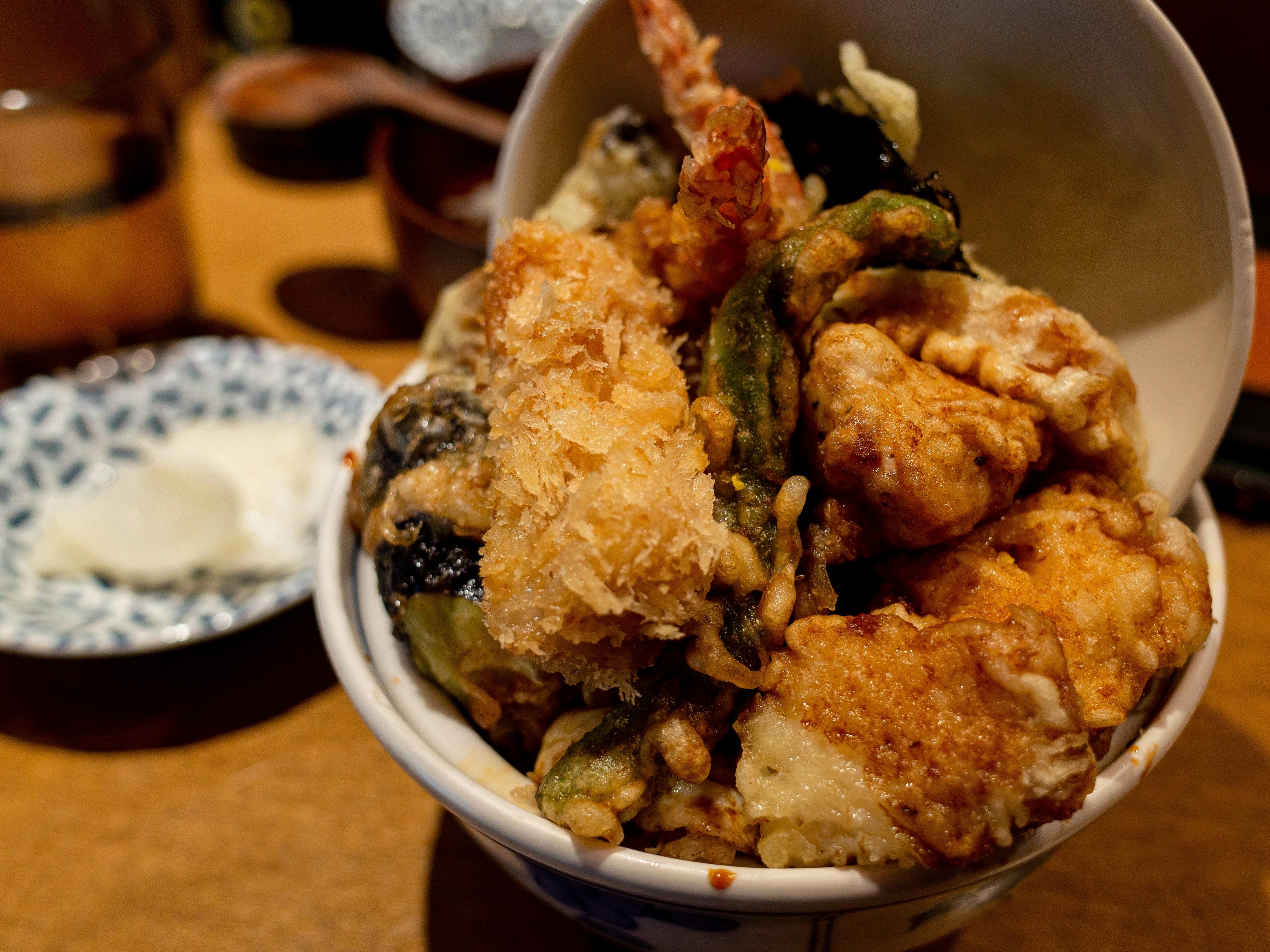
Introduction to Tempura
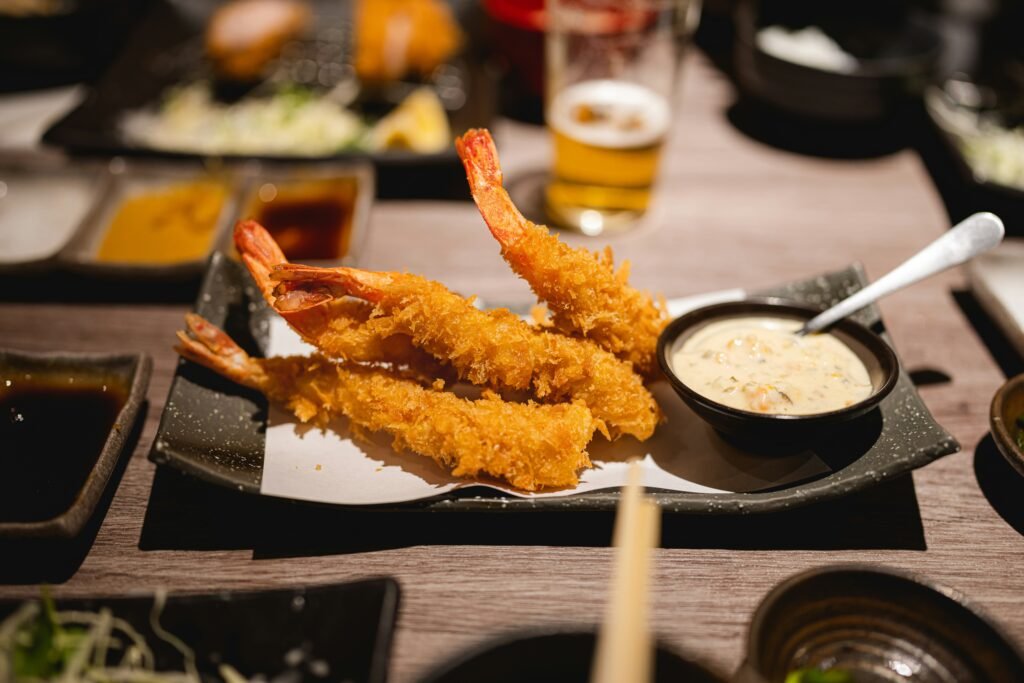
Tempura is a renowned Japanese dish characterized by its delicate, crispy batter coating ingredients such as seafood and vegetables. Its origins can be traced back to the mid-16th century when Portuguese missionaries introduced the technique of deep-frying food in batter to Japan. This culinary practice quickly gained popularity and evolved into what is now recognized as tempura. The name itself is believed to derive from the Latin phrase “tempora,” which referred to the periods of fasting when people would consume fish fried in batter.
As time progressed, tempura became a significant part of Japanese cuisine, integrating local ingredients and adapting to regional flavors. The traditional method involves lightly battering ingredients, typically using a combination of cold water and flour, and frying them at a high temperature to achieve a light and crisp texture. Unlike heavier batter used in other fried foods, tempura is designed to enhance rather than overshadow the natural flavors of the selected ingredients.
Tempura’s rise in popularity can also be attributed to its aesthetic appeal and the emphasis on seasonality in Japanese cooking. Seasonal vegetables and fresh seafood are often chosen for tempura, showcasing the vibrant colors and unique textures of each ingredient. This attention to detail not only elevates the dining experience but also reflects the core principles of Japanese cuisine, which values harmony, simplicity, and balance.
In contemporary settings, tempura is widely celebrated both in Japan and internationally, featuring prominently on menus in restaurants specializing in Japanese food. It has also undergone various adaptations, with chefs experimenting with different ingredients and techniques, thus expanding the traditional boundaries of this exquisite dish. As we delve deeper into the elements that make up tempura, we will discover the intricate techniques, the variety of ingredients used, and the cultural significance it holds within Japanese culinary tradition.
Cultural Significance of Tempura
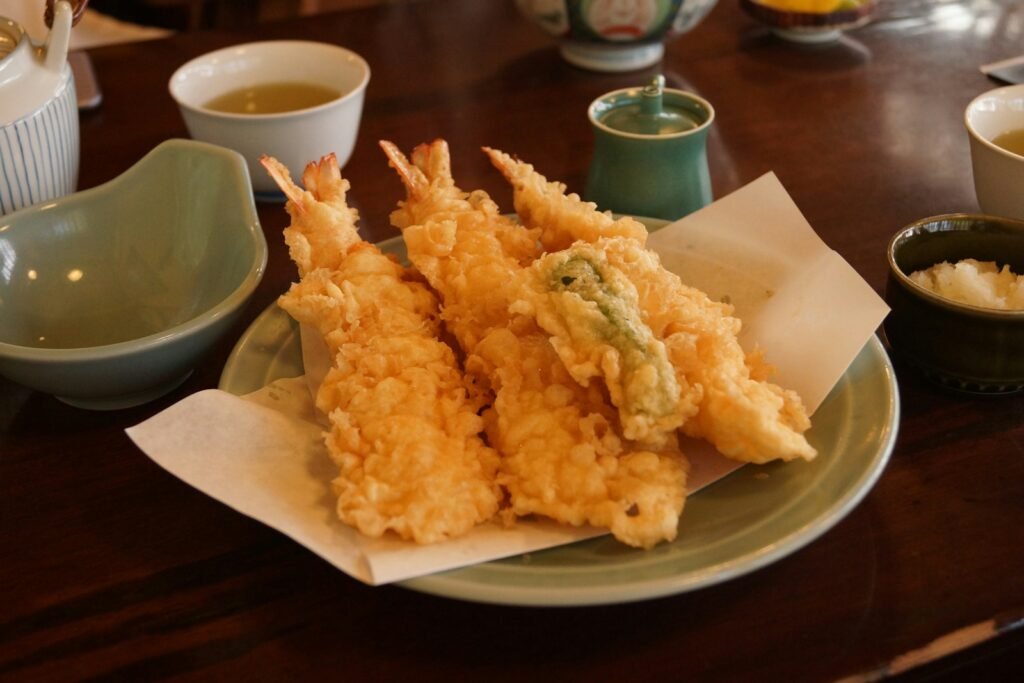
Tempura, a venerable Japanese culinary creation, holds a distinct place in the cultural fabric of Japan. Originally introduced by Portuguese missionaries in the 16th century, this dish has undergone significant transformation, evolving from its foreign roots to become a quintessential representation of Japanese cuisine. Tempura is characterized by its light, crispy batter that envelops various ingredients, such as fish, vegetables, and seafood. The dish has managed to blend traditional Japanese aesthetics with the influences of foreign techniques, reflecting Japan’s capacity for adaptation and innovation.
In Japan, tempura plays a vital role in both daily meals and special occasions. It is often featured in traditional kaiseki dining, where the intricacies of presentation and flavor are highly valued. By serving tempura as part of a multi-course meal, chefs not only showcase their skills but also pay homage to the seasonal ingredients that define Japanese culinary practices. This seasonal approach underscores the importance of nature in Japanese culture, allowing diners to appreciate the harmony between ingredients and the environment.
Furthermore, tempura has transcended its original boundaries to maintain significance in contemporary culinary experiences. In modern Japanese restaurants, it serves as a beloved appetizer or main dish enjoyed by locals and tourists alike. The growing popularity of tempura beyond Japan’s borders exemplifies a broader cultural exchange, where this dish is embraced by global cuisine. Restaurants worldwide have adopted and adapted tempura, allowing diverse gastronomic communities to experience its unique qualities.
Thus, tempura is more than just a dish; it represents the rich interplay of cultural history, culinary innovation, and social bonding in Japan. Through its adaptability and widespread appreciation, tempura continues to foster a deeper understanding of Japan’s culinary heritage, making it an integral part of both traditional and contemporary dining experiences.
Unique Flavors of Tempura
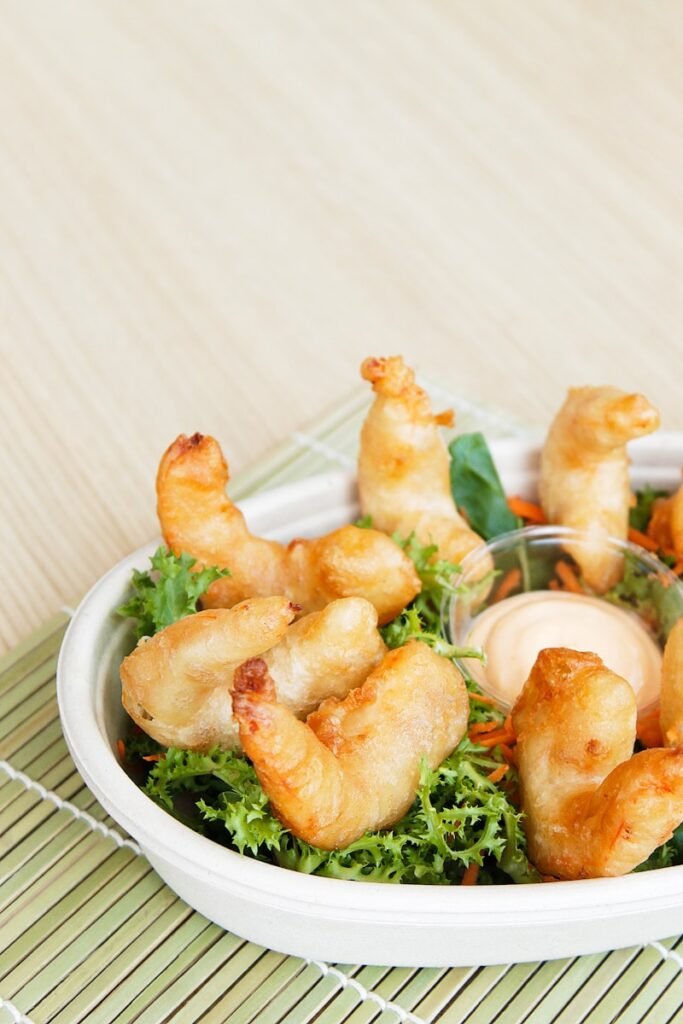
Tempura, a traditional Japanese dish, is celebrated for its unique flavors and textures, resulting from the careful preparation of various ingredients. The range of flavors found in tempura is expansive, primarily derived from the selection of components used in its construction. Commonly, seafood and vegetables take center stage, but the diversity exists within the types of ingredients utilized. Varieties of seafood, such as shrimp, squid, and white fish, provide a savory depth, while an array of seasonal vegetables like sweet potato, eggplant, and bell pepper add sweetness and earthiness. This combination of ingredients allows for a delicate balance of flavors that cater to different palates.
The choice of ingredients often determines the overarching flavor profile of the dish. For instance, the light and crispy texture of the batter used during cooking allows the natural tastes of seafood and vegetables to shine through, creating a harmony between the savory and delicate notes. Moreover, whether one chooses to deep-fry leafy greens or root vegetables, the outcome remains a delightful medley of flavors with each bite, brilliantly complemented by the contrast in textures.
Equally important to the dish are the seasonings and accompanying dipping sauces, which play a crucial role in enhancing the experience of enjoying tempura. Tentsuyu, a commonly used dipping sauce, combines dashi, soy sauce, and mirin, offering a savory yet slightly sweet flavor that elevates the tempura even further. The essence of tempura lies not only in its ingredients but also in the careful attention to seasoning that can transform it into a multi-dimensional culinary delight. Thus, tempura not only showcases a variety of flavors from its core ingredients but also integrates several elements of Japanese cuisine that emphasize taste and texture.
Textures in Tempura
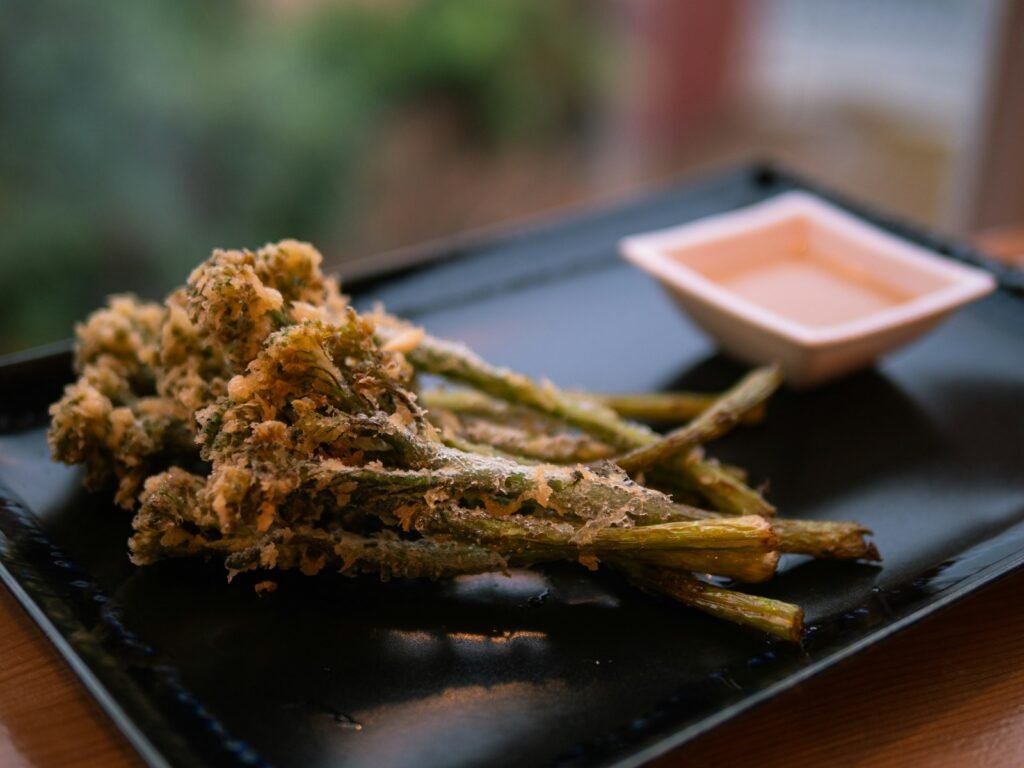
Tempura is celebrated not only for its exquisite flavors but also for the contrasting textures that define this culinary art form. The hallmark of tempura lies within its light and crispy batter, enveloping a variety of ingredients, from vegetables to seafood. Achieving the perfect crunch is an intricate process that necessitates a keen understanding of both cooking techniques and the specific batter used. Traditional tempura batter consists of a simple mixture of flour, cold water, and sometimes egg, which, when combined in the right proportions and with minimal mixing, creates a unique texture that is essential for the dish.
The most critical factor in achieving the desired crispness is the temperature of the oil. The batter should be introduced to hot oil, ideally around 350 to 375 degrees Fahrenheit. This high temperature allows the moisture within the batter to rapidly evaporate, resulting in a beautifully crisp exterior that yields to a tender interior. Additionally, the timing of cooking plays a vital role; ingredients that are fried for too long tend to lose their appealing crunch. Thus, expert tempura chefs monitor the frying process closely, often turning the ingredients to ensure even cooking and a uniform texture throughout.
Moreover, various techniques employed in the tempura-making process can further influence texture. For instance, the use of cornstarch or rice flour in the batter will create a different mouthfeel compared to traditional wheat flour. Incorporating cold sparkling water instead of still water can also enhance the lightness of the batter, contributing to that iconic crispiness. Ultimately, the interplay of these elements—the choice of batter, the temperature of the oil, and the timing of frying—culminates in a dish that is not merely a feast for the palate, but also a delightful experience for the senses, showcasing the artistry that tempura embodies.
Visual Appeal of Tempura
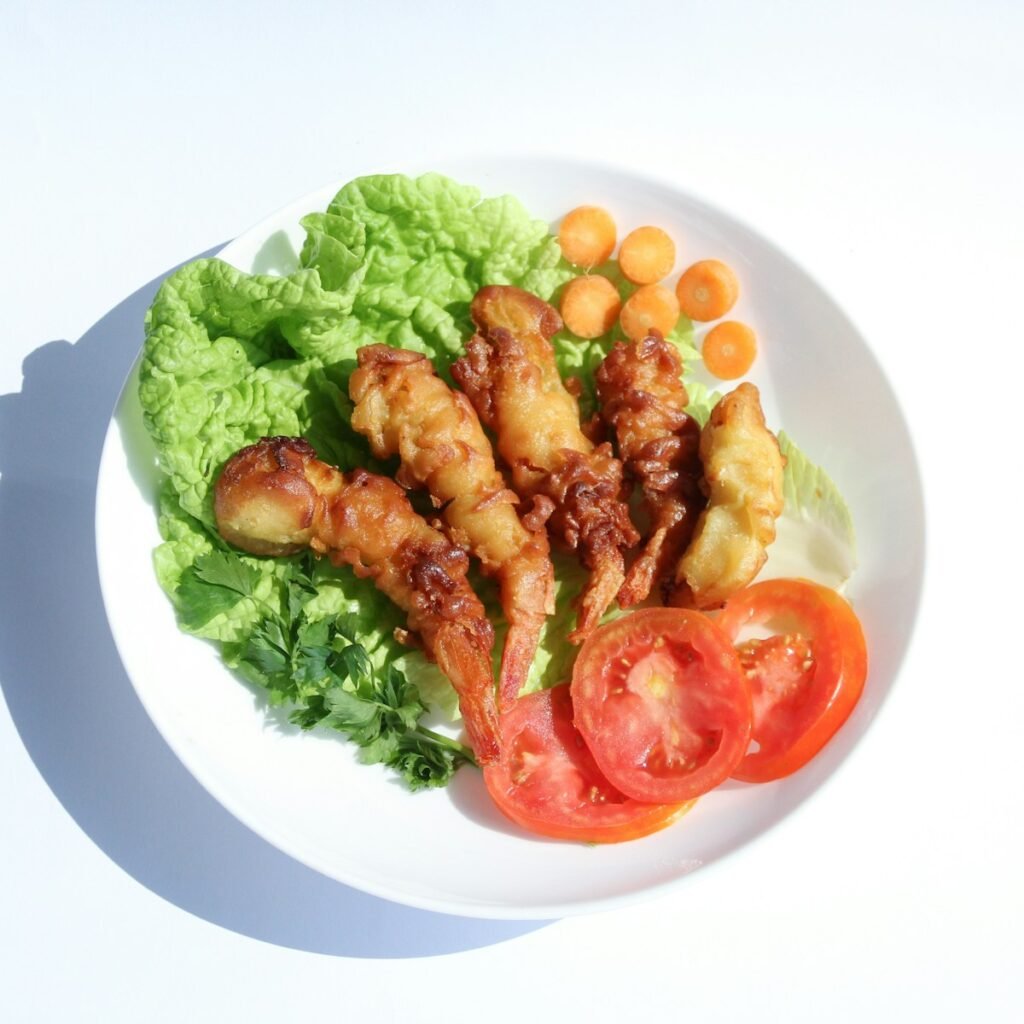
Tempura is renowned not only for its delightful flavors but also for its striking visual appeal. The dish typically features a variety of fresh vegetables and seafood, which are dipped in a light batter and deep-fried to create a crispy exterior. When presented, tempura showcases a vibrant array of colors; the bright greens of broccoli pieces, the rich orange of sweet potato slices, and the pearl-white shrimp all come together to create a feast for the eyes. This vivid combination not only highlights the freshness of the ingredients but also sets the stage for an enticing dining experience.
The golden-brown hue of the batter is another essential aspect of tempura’s visual allure. When perfectly fried, the batter should exhibit a crisp texture that contrasts beautifully with the cooked ingredients inside. This golden coloring indicates a well-executed frying process, signaling to diners that the texture will be light and delicate rather than greasy. Such an appealing presentation captures the attention of diners even before they take their first bite, enhancing the overall anticipation of the meal.
In addition to the ingredients and the batter, garnishing and serving styles significantly influence the visual impact of tempura. Typically served on a wooden platter or in individual bowls, garnishes such as lemon wedges, dipping sauces, and even a sprinkle of finely chopped green onions can elevate the presentation. These additions not only enhance the appearance but also invite diners to engage with the dish on a more sensory level, combining visual stimulation with the pleasure of aroma and taste. Altogether, the thoughtful arrangement and vibrant presentation of tempura are instrumental in creating a memorable dining experience that captivates and excites the palate.
Plating Techniques for Tempura
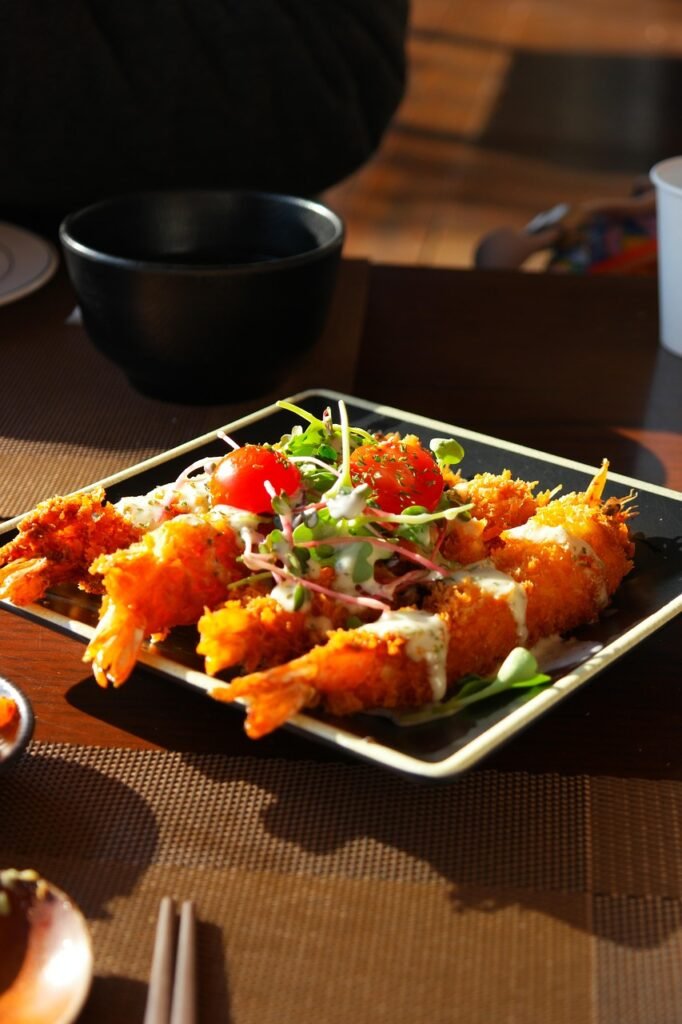
The presentation of tempura plays a crucial role in the overall dining experience, transforming a simple dish into a culinary masterpiece. The art of plating tempura requires careful consideration of aesthetics, harmony, and balance. Chefs often employ various techniques to enhance the visual appeal of their dishes, combining traditional methods with modern flair.
Traditional Japanese plating emphasizes minimalism and natural beauty. Tempura is typically served on simple, earthenware plates, allowing the vibrant colors of the battered ingredients to shine through. A common practice is to arrange the tempura in a manner that reflects the seasons, showcasing fresh produce and seafood that reflect the current time of year. For instance, in spring, chefs might present tempura with blooming cherry blossoms or ferns, while in autumn, they might incorporate vibrant autumn leaves or root vegetables. This connection to nature not only captivates the eye but also engages the diner’s senses.
On the other hand, modern plating techniques take a more experimental approach to the presentation of tempura. Chefs may use unconventional plates, such as slate or glass, and incorporate various garnishes, such as microgreens, edible flowers, or sauces, to create a more intricate display. This innovative style often involves height and layering, where tempura is elevated and arranged in a way that encourages diners to interact with the dish. Plating in this manner can also highlight the textures of the tempura batter, emphasizing its crispy exterior and tender interior.
Ultimately, the choice of plating style—traditional or modern—depends on the chef’s vision and the dining context. An expertly plated tempura dish not only captures the attention of the diner but also prepares them for the flavors to come, enriching the entire culinary experience.
Popular Tempura Dishes Around the World
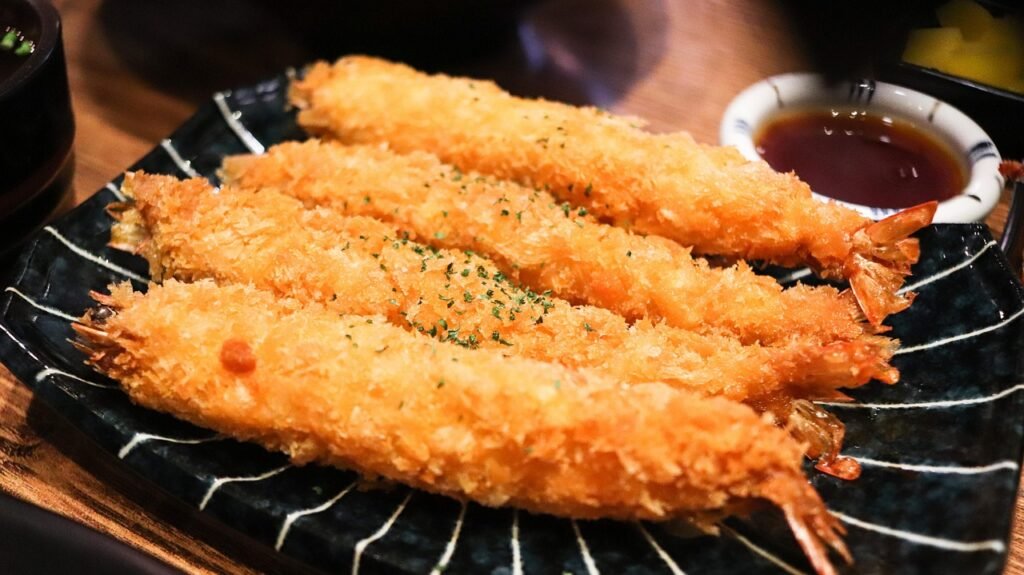
Tempura, a culinary staple originating from Japan, has successfully garnered international appeal through various adaptations and interpretations. This versatile dish is popular due to its unique method of preparation, typically involving light batter-fried vegetables and seafood. Across the globe, chefs and home cooks have embraced the concept of tempura, leading to an exciting array of popular dishes specific to different regions.
In Japan, the classic tempura features fresh seasonal ingredients such as sweet potatoes, green beans, and shrimp, each lightly coated in a delicate batter. The technique remains true to its roots, emphasizing a crisp and airy texture. However, variations also arise within Japan, with regional specialties such as kakiage, which consists of mixed seasonal vegetables and seafood, fried into bite-sized fritters.
Traveling to South Korea, tempura has integrated itself into the culinary fabric as “twigim.” Here, the emphasis may shift to larger vegetables, including zucchini and onion, often served with a side of dipping sauces adding an extra layer of flavor. Meanwhile, Thailand has introduced its own take, exemplified by the dish known as “pla meh.” This version of tempura often features fish and a blend of Thai spices, reflecting the local palate.
In Western cuisine, particularly within restaurants in the United States and Europe, tempura has also evolved, presenting items such as tempura avocado and tempura asparagus. These adaptations not only cater to local tastes but also showcase the endless possibilities of ingredients suitable for tempura preparation. The influence of tempura continues to expand globally, as it remains a versatile dish that invites creativity and innovation in the kitchen.
Making Tempura at Home
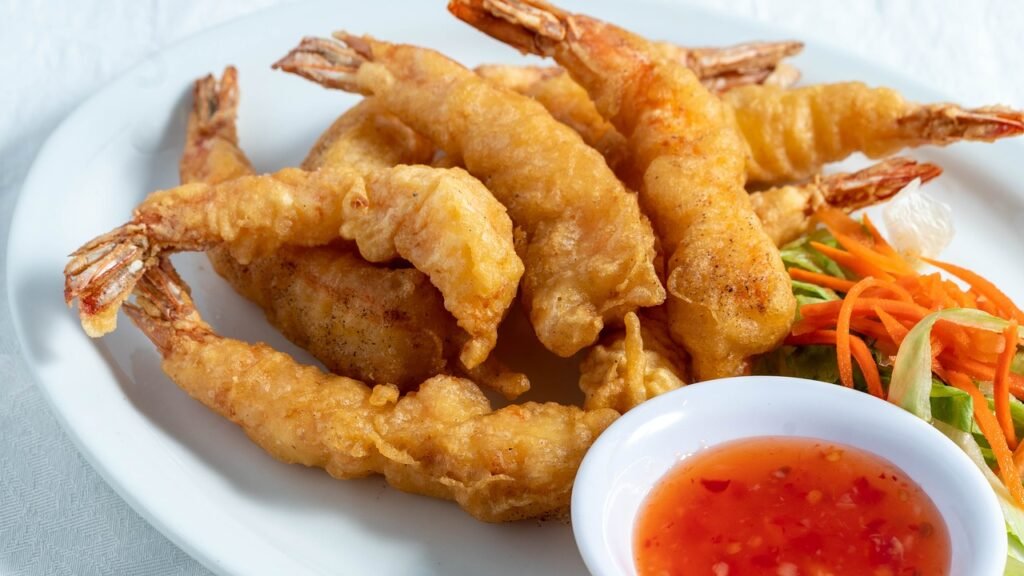
Creating tempura at home can be a rewarding culinary experience. The key begins with selecting the right ingredients. Traditionally, tempura is made using a variety of vegetables and seafood. Popular choices include sweet potatoes, green beans, shrimp, and fish. It’s important to choose fresh, high-quality produce and seafood to enhance the flavor and texture of your tempura. Look for seasonal vegetables, as they often provide the best taste and crunch.
Once you’ve gathered your ingredients, the next step is preparing the batter. A classic tempura batter is light and airy, typically made from a mixture of all-purpose flour, cold water, and sometimes egg. The cold temperature is crucial as it helps create the crispy coating that tempura is known for. Mixing the batter should be done lightly; overmixing can lead to a dense texture. It is acceptable for the batter to be slightly lumpy, as this will contribute to the desired crunchiness.
Frying techniques are vital for achieving perfect tempura. Use a deep pan or a wok filled with oil heated to around 350°F (175°C). This temperature ensures that the batter cooks quickly, resulting in a golden, crispy exterior while keeping the interior moist. Fry your tempura in small batches to avoid lowering the oil temperature, which can compromise the texture. Turn the pieces occasionally to ensure even cooking and avoid sticking.
Finally, serving tempura properly enhances the dining experience. Present your tempura on a platter lined with absorbent paper to absorb excess oil. For a restaurant-style touch, consider serving it with a dipping sauce made from soy sauce, mirin, and grated daikon. Encourage experimentation by trying different combinations of ingredients and dipping sauces, as this can elevate your homemade tempura experience and delight your guests.
Conclusion: The Lasting Appeal of Tempura
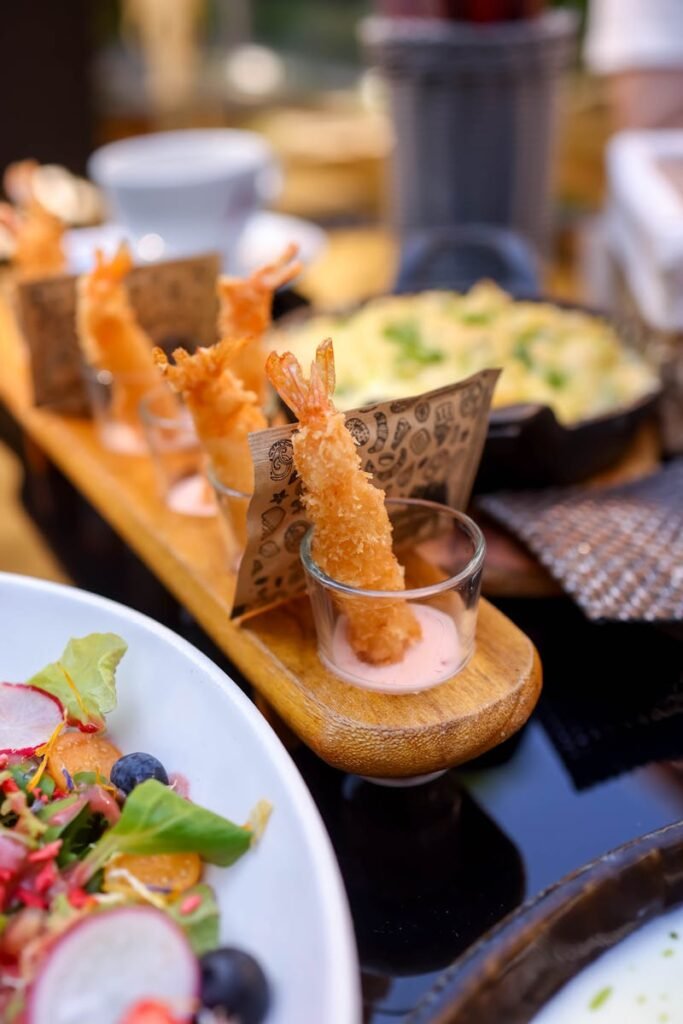
Tempura, a culinary masterpiece with roots in Japan, has transcended its geographical boundaries to become a beloved dish worldwide. Its unique preparation method, which involves lightly battering and frying a variety of ingredients, allows for an exceptional blend of textures and flavors. Over the years, tempura has proven itself to be more than just a dish; it is a representation of Japanese culture and culinary artistry. This versatility has contributed to its lasting appeal, making it a staple in both traditional and contemporary cuisine.
The adaptability of tempura is evident in its evolution over time. While originally featuring seasonal vegetables and seafood, modern interpretations have led to innovative ingredients and fusion styles that continue to excite the culinary landscape. This capacity for reinvention ensures that tempura remains relevant in a fast-paced food environment, allowing it to attract a wide range of food enthusiasts who seek both authenticity and novelty. Consequently, tempura has found a place not only in family kitchens but also in high-end restaurants, illustrating its universal allure.
Moreover, the communal experience of enjoying tempura further elevates its significance. Sharing a platter of crispy tempura with family and friends fosters a sense of connection and enjoyment that transcends cultural differences. As diners savor the dish, they engage in a sensory journey that encompasses not only taste but also visual appeal and the aroma of freshly fried ingredients. Therefore, tempura embodies a rich culinary tradition that respects its origins while welcoming new influences.
In conclusion, tempura encapsulates the essence of culinary craftsmanship. Its unwavering popularity can be attributed to its ability to evolve while preserving its fundamental qualities. As it continues to captivate food lovers around the globe, tempura invites everyone to partake in its delightful experience, making it an enduring favorite across generations.