
- Introduction to Sheer Khurma
- The Historical Origin of Sheer Khurma
- Cultural Significance of Sheer Khurma
- Unique Flavors and Aromatic Ingredients
- Textures and Consistency of Sheer Khurma
- Visual Appeal and Plating of Sheer Khurma
- Recipe Variations Across Regions
- Pairing Suggestions with Sheer Khurma
- Conclusion: Celebrating Traditions Through Sheer Khurma
Introduction to Sheer Khurma
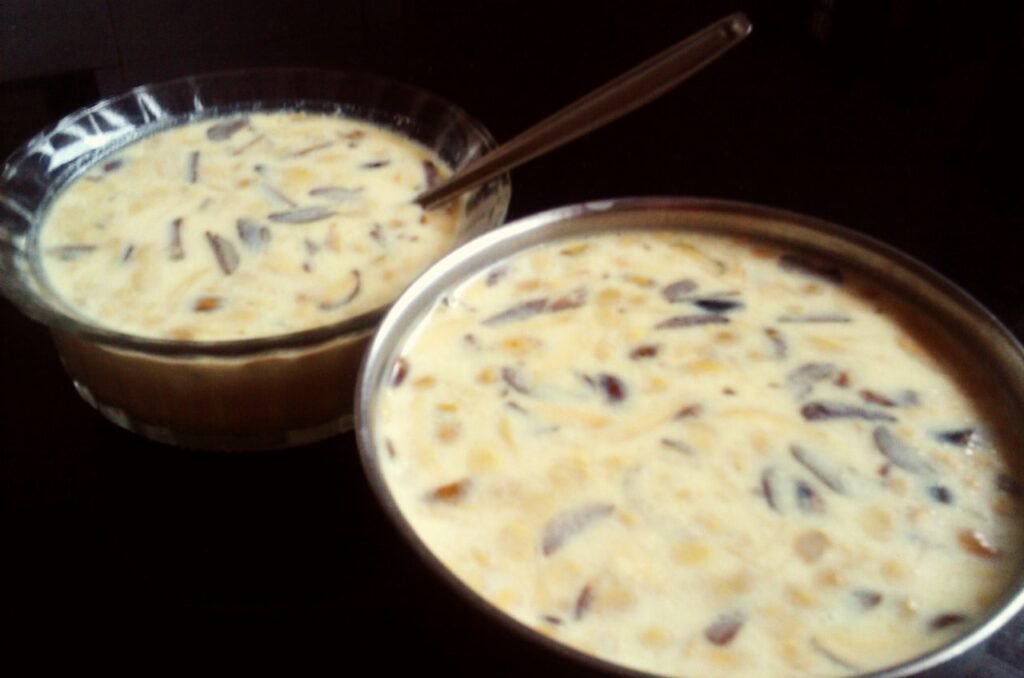
Sheer Khurma, a delightful and rich dish, holds a special place in the culinary traditions of South Asia, particularly among Muslim communities. This sumptuous dessert is primarily prepared during the holy month of Ramadan, especially on the joyous occasion of Eid al-Fitr. As a symbol of celebration and festivity, Sheer Khurma brings families together, complemented by its unique flavors and textures that reflect the rich cultural heritage of the region.
The name “Sheer Khurma” translates to “milk with dates,” aptly describing its primary ingredients. The dish is typically made from fine vermicelli, full-fat milk, sugar, and a variety of nuts and dried fruits, including dates, which enhance its flavor profile. As families gather to break their fasts during Ramadan, Sheer Khurma is often served as a sweet treat, embodying the spirit of togetherness and generosity. The process of preparation itself is a labor of love, with each household carrying its own unique recipe, passed down through generations, thereby infusing the dish with personal and familial significance.
Origins of Sheer Khurma can be traced back to Persian influences, which have woven into the fabric of South Asian cuisine over centuries. This dish not only serves as a festive dessert but also holds historical importance, symbolizing prosperity and abundance. Its significance extends beyond mere taste, embodying the cultural values of sharing and hospitality that are deeply rooted in Muslim communities. As the narrative of Sheer Khurma unfolds, it reflects the interplay between tradition and modernity, where families cherish this delicacy while also adapting to contemporary culinary practices. The stage is set for a deeper exploration of its rich history and the profound emotional connections it fosters during celebrations across the subcontinent.
The Historical Origin of Sheer Khurma
Sheer Khurma, a delectable dessert, can trace its roots back to the opulent Mughal era, where it was first prepared to celebrate festivals and special occasions. The term “Sheer Khurma” translates to “milk with date”, a simple yet evocative description of its primary ingredients. This dessert embodies the rich culinary tradition of the Mughal dynasty, which is renowned for its extravagant feasts and culinary innovations. Originating from the central Asian region, Sheer Khurma eventually made its way to the Indian subcontinent, primarily influencing the cooking practices in modern-day India, Pakistan, and Afghanistan.
Over the centuries, Sheer Khurma has evolved significantly, not only in its ingredients but also in its preparation methods, with variations reflecting the local tastes and cultural practices. The dessert is customarily made during festive occasions, most notably during Eid celebrations. As Islamic tradition dictates the celebration of Eid as a period of togetherness and festivity, Sheer Khurma has gained a special status among the dishes served during this time. The historical context of the dish highlights how it is closely tied to religious observance and community bonding.
The geographical areas where Sheer Khurma is popular have contributed significantly to its various adaptations. In India, for example, the addition of nuts and saffron provides unique nuances in flavor, appealing to the regional palates. Conversely, the versions found in Afghanistan often spotlight the use of local dates, which lend a distinct sweetness. The cross-cultural influences have shaped the preparation of Sheer Khurma, making it a versatile dish that maintains its traditional essence while adapting to local customs and flavors. As a result, Sheer Khurma continues to be celebrated not just as food, but as a veritable symbol of rich culinary heritage across cultures.
Cultural Significance of Sheer Khurma
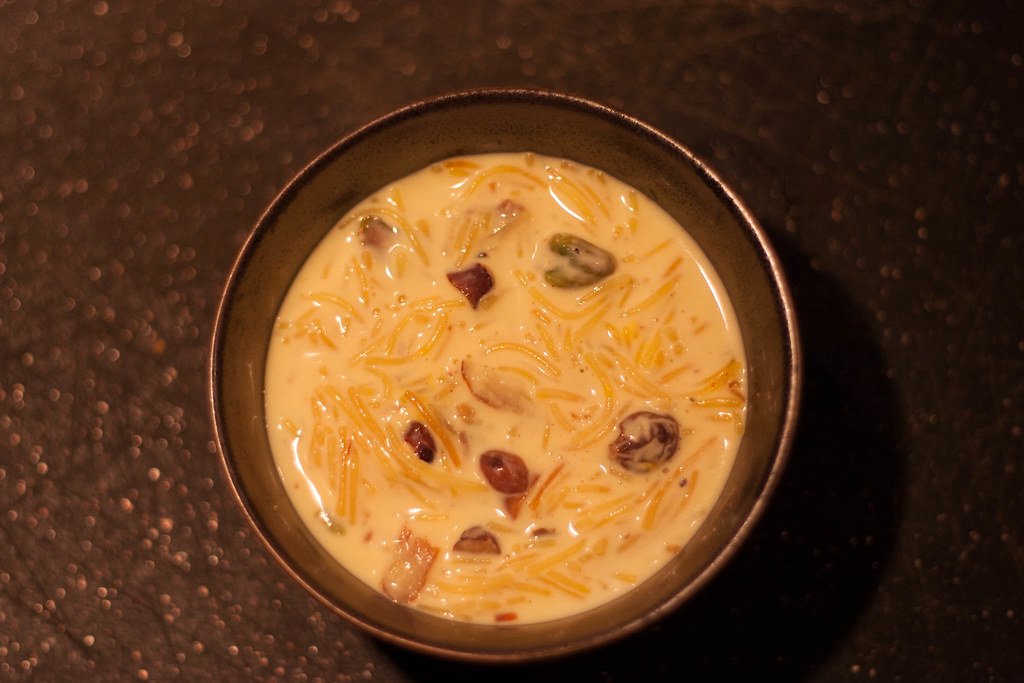
Sheer Khurma, a traditional dessert made with vermicelli, milk, dates, and nuts, holds profound cultural significance within various communities, particularly among Muslims during the month of Ramadan and the festival of Eid. This rich dish is not merely a culinary delight; it embodies the spirit of celebration, family togetherness, and religious observance, acting as a symbol of hospitality and generosity that is central to these festive occasions.
During Eid al-Fitr, Sheer Khurma is often one of the first dishes prepared to break the fast, marking the festive spirit that accompanies the end of Ramadan. Families gather to partake in this delicacy, which signifies abundance and joy. As tradition dictates, the preparation of Sheer Khurma typically involves several family members contributing, thereby reinforcing bonds and enhancing a sense of community. Each household often follows its own recipe, imparting unique touches reflective of heritage and family legacy.
Beyond the celebratory aspect, Sheer Khurma also has its place in other significant life events. It is frequently served at weddings, religious ceremonies, and family gatherings, underlining its role as a dish that fosters connection. Some families have specific rituals associated with its preparation and consumption, demonstrating the depth of its cultural roots. For instance, inviting guests over to share this sweet dish often symbolizes goodwill and unity, enhancing social ties within the community.
In essence, Sheer Khurma transcends its role as a food item; it is a vessel for cultural expression, celebration, and familial love. Its preparation and enjoyment encapsulate the values of togetherness and shared joy, making it an integral part of social and religious festivities in communities where it is cherished.
Unique Flavors and Aromatic Ingredients
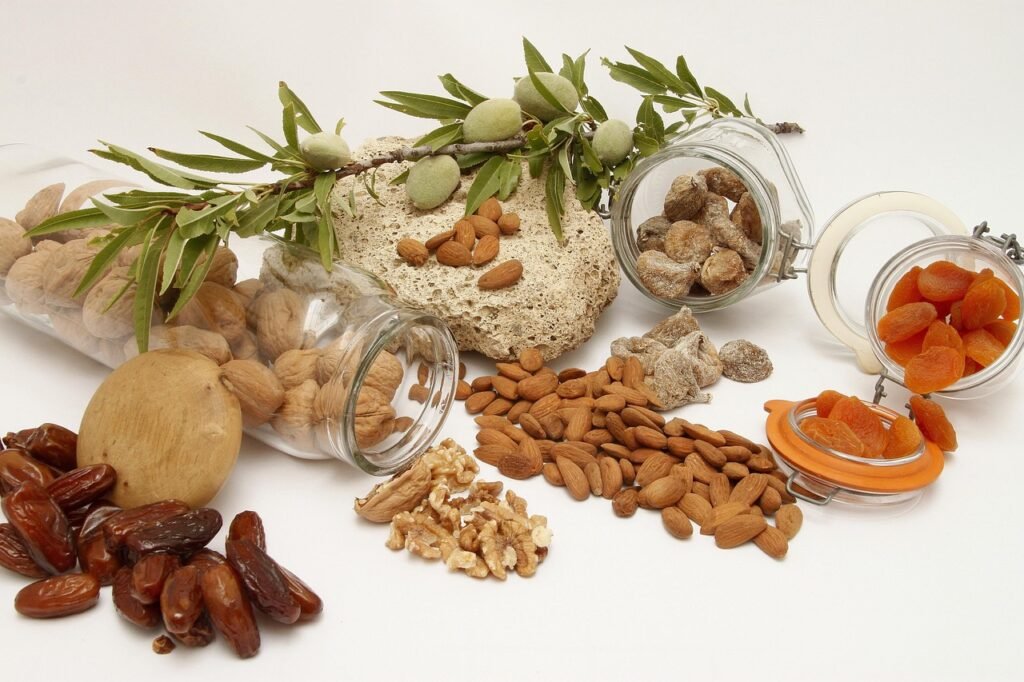
Sheer Khurma, a traditional dessert often prepared during the festive occasion of Eid, captivates the senses with its unique flavors and aromatic ingredients. Central to its delightful taste is semiya or vermicelli, which serves as the foundational element. Usually roasted in ghee, the fine strands absorb the rich flavors of the fat, enhancing their taste and giving them a subtle nuttiness. This initial preparation lays the groundwork for a dessert that is both rich and comforting.
Milk, the primary liquid component, plays a critical role in creating the creamy base of Sheer Khurma. Typically, full-fat milk is used to achieve a luscious texture, which melds seamlessly with the other ingredients. As the milk simmers and thickens, it takes on the individual notes of the added components, including dates and nuts.
Dates are not just a natural sweetener; they add a chewy richness that complements the delicate nature of vermicelli. Their unique flavor profile, combined with the sweetness they impart, elevates the entire dish. Nuts, commonly almonds and pistachios, not only provide a crunchy contrast but also contribute to the dessert’s overall decadence. Each bite offers a delightful mix of textures and flavors that can be savored individually or as part of a harmonious whole.
To heighten the dish’s complexity, spices such as cardamom and saffron are often incorporated. Cardamom lends a warm, floral quality while saffron infuses a distinct color and aroma. Together, these ingredients not only enhance the flavor but also enrich the overall sensory experience of Sheer Khurma. The careful layering of these unique flavors and aromatic ingredients makes Sheer Khurma a cherished delicacy, celebrated for its cultural significance as much as its delightful taste.
Textures and Consistency of Sheer Khurma
Sheer Khurma, a celebrated dish often enjoyed during festive occasions, offers a delightful interplay of textures that contribute substantially to its overall appeal. At its core, the dish features a creamy milk base which is essential in creating a rich mouthfeel. The process of preparing the milk involves simmering it until it thickens slightly, allowing the flavors to concentrate. This creamy consistency of the milk provides a luxurious foundation that envelops the other ingredients, making each spoonful indulgent and satisfying.
Complementing the creamy milk is the soft texture of the vermicelli. Traditionally, the vermicelli is roasted in ghee before being cooked in the milk, which adds a slight nutty flavor while ensuring that it remains tender and easily pliable. This softness contrasts beautifully with the other textural elements, such as the crunchy nuts and dried fruits that are often sprinkled atop the dish. The combination of softness and crunch enhances the eating experience, creating a cascade of sensations that engage the palate.
The nuts, typically including almonds, pistachios, and cashews, are often toasted to accentuate their flavor and to add a satisfying crunch. As diners savor Sheer Khurma, the distinct textures of the creamy milk, soft vermicelli, and crunchy nuts meld together, resulting in a complex mouthfeel that is both comforting and invigorating. Each bite carries an array of sensations that make this dish not only enjoyable but also a celebration of diverse culinary elements. This harmonious blend is what makes Sheer Khurma a beloved delicacy across various cultures—rich in history and full of flavor, it embodies both tradition and innovation in every serving.
Visual Appeal and Plating of Sheer Khurma
Sheer Khurma, a quintessential festive dessert, is not only a delight for the palate but also a feast for the eyes. The dish is renowned for its rich textures and striking presentation, which plays a crucial role in enhancing the overall dining experience. The vibrant colors, derived from its diverse ingredients, contribute significantly to its visual allure. The golden strands of vermicelli, the creamy hues of the milk, and the colorful assortment of dried fruits come together to create a visually enticing dish.
Plating is an art, and when it comes to Sheer Khurma, meticulous attention to detail elevates this dessert to a celebratory masterpiece. A well-executed presentation ensures that the dish not only captures attention but also sets the tone for special occasions. Serving Sheer Khurma in elegant bowls or glassware allows the colorful layers and textures to be beautifully displayed. The contrasting shades of brown from the dates and the light cream from the milk create an appealing juxtaposition that invites guests to indulge.
Garnishing plays a pivotal role in the visual appeal of Sheer Khurma. Topping the dish with slivered almonds and pistachios not only adds a crunch but also introduces a splash of color that enhances the overall aesthetic. Other options, such as a sprinkle of saffron strands or a dusting of edible rose petals, can add a touch of opulence to the dessert. Additionally, consider incorporating a drizzle of honey or a touch of rose water on top, which lends a graceful finish that is both fragrant and visually stunning.
In essence, the presentation and plating of Sheer Khurma are integral to its charm. A thoughtfully plated dish ensures that this rich dessert captivates the senses, making it a cherished centerpiece at festive gatherings. By focusing on the visual aspects, one can truly appreciate the artistry and tradition behind Sheer Khurma, making it an unforgettable experience for all who partake.
Recipe Variations Across Regions
Sheer Khurma, a delightful festive dish, showcases a rich tapestry of regional variations that reflect the diverse culinary practices of different communities. Originating from the Indian subcontinent, this rich dessert has transcended boundaries, taking on unique adaptations that celebrate local ingredients and traditions.
In Maharashtra, Sheer Khurma is often prepared using a base of milk enriched with dates, which are considered auspicious. This version frequently includes an assortment of nuts such as cashews, almonds, and pistachios, adding a crunchy texture that complements the creamy comfort of the dish. The use of saffron in some renditions elevates its luxuriousness, providing both flavor and a vibrant hue.
In contrast, North Indian adaptations may utilize a variety of dried fruits like raisins and apricots, alongside a base of vermicelli which gives the dish a distinct texture. A notable feature of this version is the inclusion of cardamom, which infuses the sweet treat with a warm, aromatic note, making it particularly inviting during festive occasions.
Afghanistan’s interpretation of Sheer Khurma stands out for its generous use of rosewater, which imparts a floral aroma that distinguishes it from its South Asian counterparts. The Afghans also emphasize the importance of family gatherings during its preparation, underlining the dish’s role as a communal celebration of togetherness during Eid festivities.
Southern regions, particularly in parts of India like Kerala, may include coconut milk as a substitute for regular milk, infusing a unique creaminess and flavor profile. These adaptations highlight the inherent flexibility of Sheer Khurma, demonstrating how this beloved dessert can be tailored to suit local tastes and preferences while maintaining its core essence as a celebratory dish.
Pairing Suggestions with Sheer Khurma
Sheer Khurma, a delightful and decadent dish, pairs beautifully with a variety of beverages and snacks that enhance its rich flavors and textures. The date-infused vermicelli pudding, renowned for its delicate sweetness, invites careful consideration when choosing complementary accompaniments. A curated pairing can elevate the overall dining experience, ensuring that each element on the plate contributes to the dish’s intricacies.
One of the most popular beverages served with Sheer Khurma is Persian tea. Its subtle bitterness balances the sweetness of the dish perfectly. Traditionally, Persian tea is brewed using loose black tea leaves, creating a robust flavor that complements the creamy consistency of Sheer Khurma. Guests often enhance their tea with a touch of sugar or cardamom, adding additional layers of flavor that resonate with the spices used in the pudding. The warm, aromatic essence of the tea enhances the culinary experience, allowing for an enjoyable contrast to Sheer Khurma’s sweet profile.
In addition to beverages, simple savory snacks can offer a delightful counterpoint to the sumptuous nature of Sheer Khurma. Options such as crispy samosas, pakoras, or even spiced nuts provide a texture contrast that can be quite appealing. These savory bites, rich in flavor, can help cleanse the palate between mouthfuls of the sweet dish, ensuring that diners can fully appreciate the depth of flavors in both Sheer Khurma and the snack pairing.
Ultimately, when serving Sheer Khurma, the focus should be on achieving a harmonious balance between sweet and savory elements. Careful selection of beverages and snacks not only heightens the appeal of this traditional dish but also encourages a more immersive dining experience, allowing the rich heritage of Sheer Khurma to shine through each beautifully paired component.
Conclusion: Celebrating Traditions Through Sheer Khurma
Sheer Khurma, a delightful dessert with deep cultural significance, serves not only as a delicious treat but also as a symbol of celebration and familial love. Through its rich flavors and diverse ingredients, this dish encapsulates the essence of joyous occasions, particularly during festivals such as Eid. Rooted in tradition, Sheer Khurma brings families together, igniting fond memories and encouraging the sharing of stories, values, and culinary practices across generations. The preparation of Sheer Khurma often involves the participation of various family members, contributing to the joy of the season and reinforcing bonds through a shared love of food.
This dessert, with its delectable combination of vermicelli, milk, nuts, and dates, encourages individuals to reflect upon their heritage while also inspiring new approaches to celebrating similar events. As each household may have its distinctive twist on the recipe, it becomes a canvas on which families can imprint their unique narratives, making the experience of sharing Sheer Khurma more than just a culinary delight. It transforms into a vessel of memory, instilling a sense of belonging and continuity within the community.
As you partake in celebrations, consider embracing Sheer Khurma as part of your festive traditions. By doing so, you not only savor a rich and flavorful dessert but also honor the heritage it represents. Sharing this dish within your family can enrich the festive atmosphere, allowing you to celebrate not just the occasion at hand, but also the connections that bind us to our culture and fellow kin. Thus, Sheer Khurma is more than just a dessert; it embodies the warmth, love, and joy of togetherness, making it an essential part of our culinary and celebratory practices.