
- The Origins of Dim Sum
- Cultural Significance of Dim Sum
- A Journey Through Unique Flavors
- Textures That Tempt the Palate
- Visual Appeal: The Art of Plating Dim Sum
- Dim Sum Preparation: A Culinary Art
- The Dim Sum Experience: Dining Etiquette and Customs
- Modern Takes on Dim Sum: Innovation and Fusion
- Where to Find the Best Dim Sum: Recommendations and Tips
The Origins of Dim Sum
Dim sum, a beloved culinary tradition, has a rich history that can be traced back to ancient China, particularly during the Tang Dynasty (618-907 AD). Initially, these delectable morsels were simple snacks offered to travelers along the Silk Road. As the popular trade route facilitated cultural exchanges, it also contributed to the evolution of food practices in the regions connected by this extensive network. The term “dim sum” translates to “touch the heart,” reflecting the care and affection associated with these small dishes.
During the Tang Dynasty, the emphasis was on hospitality and the enjoyment of good food. As a result, tea houses began emerging along trade routes, where weary travelers could rest and dine on light fare. These establishments would serve fare that complemented the drinking of tea, which eventually led to the development of dim sum as we know it today. The delightful bites provided an ideal accompaniment, allowing people to savor different textures and flavors while enjoying leisurely conversations.
As time progressed, particularly during the Song Dynasty (960-1279), the practice of dining on small plates continued to gain popularity. The variety of dim sum began to expand, with chefs experimenting with ingredients and cooking techniques to create a range of delectable offerings. This evolution mirrored the changes in Chinese society, as more people began to appreciate refined culinary experiences in a communal setting. Consequently, dim sum transitioned from being a mere roadside snack to an integral part of the Chinese dining tradition, enjoyed in both casual and formal gatherings.
The cultural significance of dim sum became even more pronounced during the Ming (1368-1644) and Qing Dynasties (1644-1912), when it was firmly established as a favorite among the upper classes, leading to the establishment of specialized restaurants dedicated to this cuisine. Through centuries of artistic and culinary refinement, dim sum has emerged as a celebrated aspect of Chinese culinary culture, illustrating the influence of historical events and cross-cultural interactions.
Cultural Significance of Dim Sum
Dim sum holds a prominent place in Chinese culture, serving as more than just a culinary delight; it represents a rich tapestry of social values, family bonds, and traditions that span generations. Originating from the Cantonese culture, dim sum, which translates literally to “touch the heart,” emphasizes the importance of sharing food and experiences, thus fostering connections among individuals. Traditionally consumed during brunch or lunchtime, it has become a symbol of community gathering.
During festive occasions, family reunions, and social gatherings, dim sum is a celebrated meal that brings people together. The variety of small dishes allows diners to share, sample, and exchange, reinforcing bonds among family members and friends. This communal aspect highlights the significance of meals in Chinese culture, where dining is often synonymous with bonding and social interaction. In essence, the act of sharing dim sum reflects values such as unity, hospitality, and joy.
Moreover, as Chinese diaspora communities have spread across the globe, the cultural significance of dim sum has been adapted to new contexts while retaining its core essence. In Western countries, for instance, dim sum restaurants often operate as vibrant social hubs, attracting diverse clientele eager to experience the traditions encapsulated within this unique cuisine. The emergence of fusion dim sum dishes in international settings showcases how culinary innovation can honor heritage while appealing to contemporary tastes.
As such, dim sum transcends mere nourishment; it embodies cultural storytelling, illustrating the importance of heritage, social ties, and the transformative power of food in connecting individuals across cultures. The ongoing evolution of dim sum, while staying true to its roots, exemplifies its significance both within and beyond Chinese society. This adaptability further cements dim sum’s status as a timeless and cherished culinary tradition.
A Journey Through Unique Flavors
Dim sum represents a vibrant tapestry of flavors, textures, and aromas, showcasing the rich culinary heritage of Chinese cuisine. This unique style of eating features a diverse array of dishes that tempt the senses and highlight the harmonious balance of sweet, savory, and umami-rich profiles. Each dim sum offering is meticulously crafted, combining various ingredients and seasonings that contribute to their distinctive tastes.
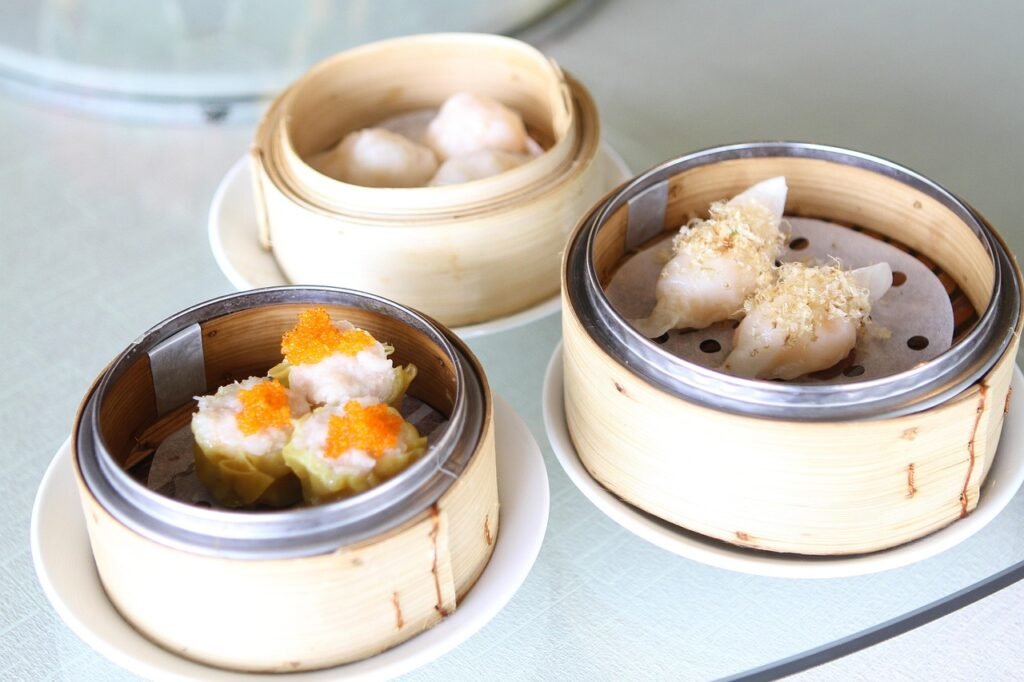
One of the quintessential dim sum dishes is siu mai, a delightful open-topped dumpling filled with a mixture of ground pork, shrimp, and fragrant seasonings. This dish exemplifies a savory flavor profile that is both rich and comforting, while the topping of fish roe adds a touch of elegance and subtle sweetness. The use of soy sauce and sesame oil not only enhances the umami but also elevates the overall dining experience.
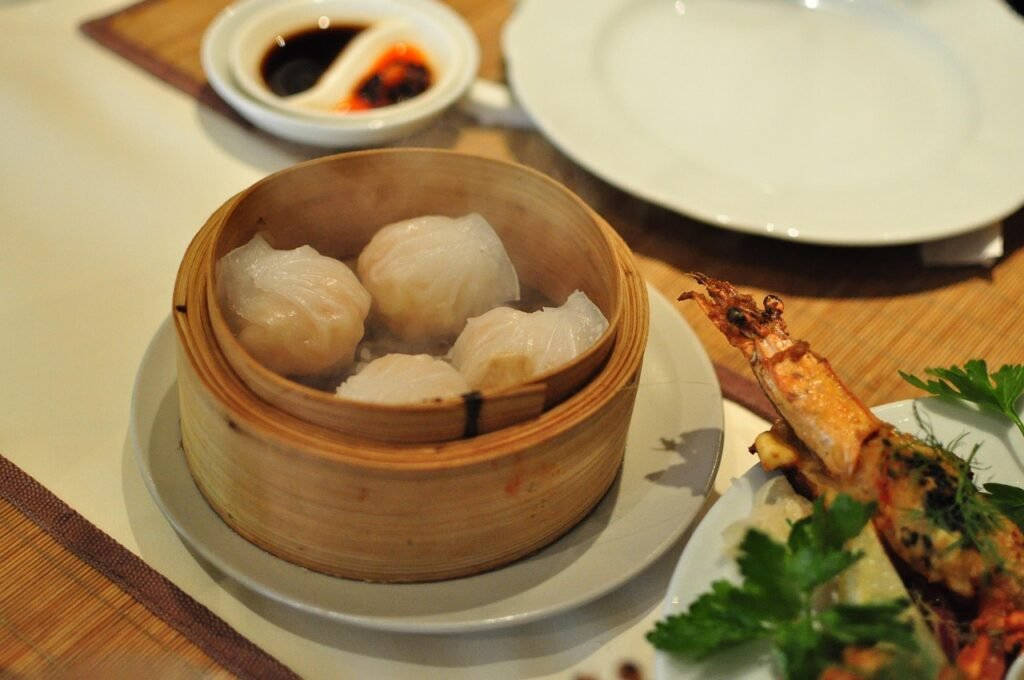
Another classic favorite is har gow, known for its delicate, translucent skin and juicy shrimp filling. The natural sweetness of the shrimp is complemented by a touch of ginger and garlic, creating a well-rounded taste. The unique texture of the dumpling skin, made from rice flour, offers a delightful contrast to the tender filling, making har gow a must-try for any dim sum enthusiast.
Char siu bao, or barbecued pork buns, present a sweet and savory fusion that encapsulates the essence of dim sum. The soft, fluffy bun encases a luscious filling of marinated char siu (barbecued pork) that is both sweet and smoky. This interplay of flavors and textures provides a satisfying experience, demonstrating the creativity and skill involved in crafting these delectable offerings.
In summary, the flavorful world of dim sum invites diners to explore an extensive range of taste profiles, each dish telling a story through its ingredients and preparation. The thoughtful combination of seasonings and textures ensures that each bite is a celebration of culinary artistry.
Textures That Tempt the Palate
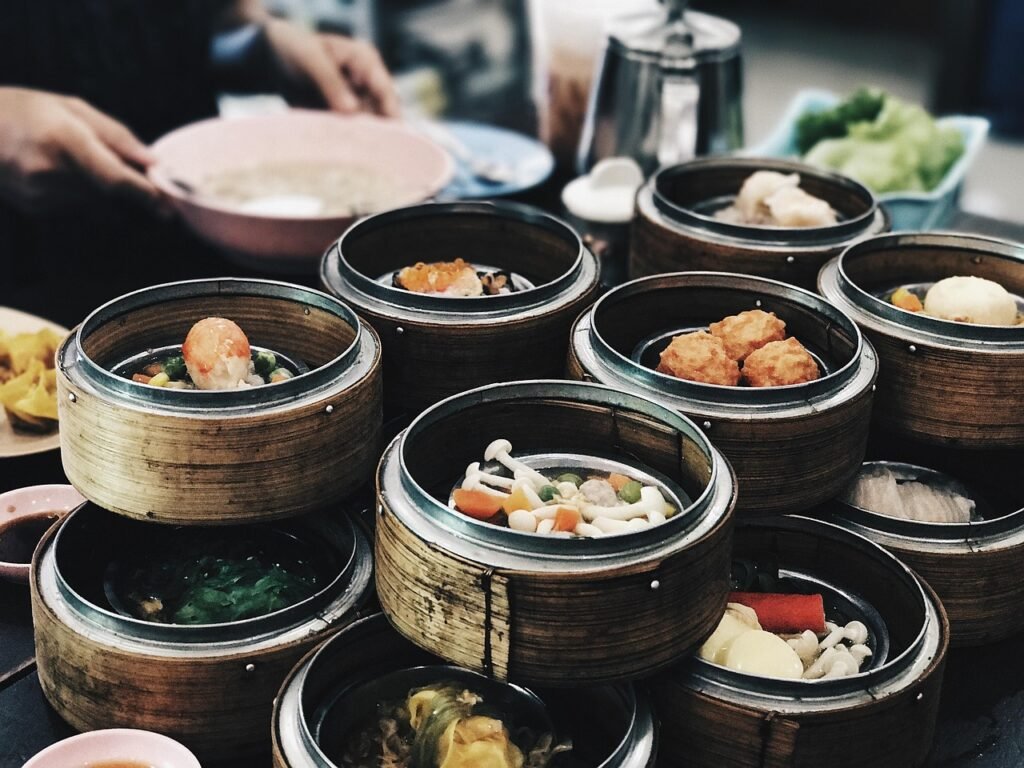
Dim sum is renowned not only for its vibrant flavors but also for its diverse textures, each contributing significantly to the overall dining experience. The interplay of softness, crunchiness, and chewiness in dishes crafted for dim sum enlivens the palate and enhances enjoyment. One prominent example is the soft dumpling, often filled with either tender meat or vegetables. Upon biting into these velvety morsels, diners encounter a delicate balance between the tender exterior and the rich, steaming filling, creating a satisfying burst of flavor.
In stark contrast, crispy spring rolls present a delightful crunch that excites the senses. When served hot, these rolls embody a remarkable contrast between their golden, crackling shell and the succulent fillings inside, which may include ground pork, vegetables, or seafood. The crispy texture not only tempers the moisture from the filling but also offers a satisfying auditory experience when bitten into, creating a multisensory delight for those sampling dim sum.
Another noteworthy texture in the dim sum repertoire is exemplified by various buns, particularly the ubiquitous char siu bao. These steamed buns feature a soft, pillowy texture that envelops a flavorful filling of barbecued pork. The chewy exterior complements the sumptuous interior, making every bite a harmonious experience. Chewy textures can evoke a sense of nostalgia, harkening back to traditional cooking methods and authentic flavors.
Understanding these differing textures is essential for appreciating dim sum fully. Each element, from soft dumplings to crispy spring rolls and chewy buns, serves a purpose in enhancing the excitement of the meal. The sensation of varied textures not only showcases the culinary expertise involved in dim sum preparation but also reflects the cultural significance of this beloved cuisine, inviting patrons to indulge in a medley of sensations that are both pleasing and memorable.
Visual Appeal: The Art of Plating Dim Sum
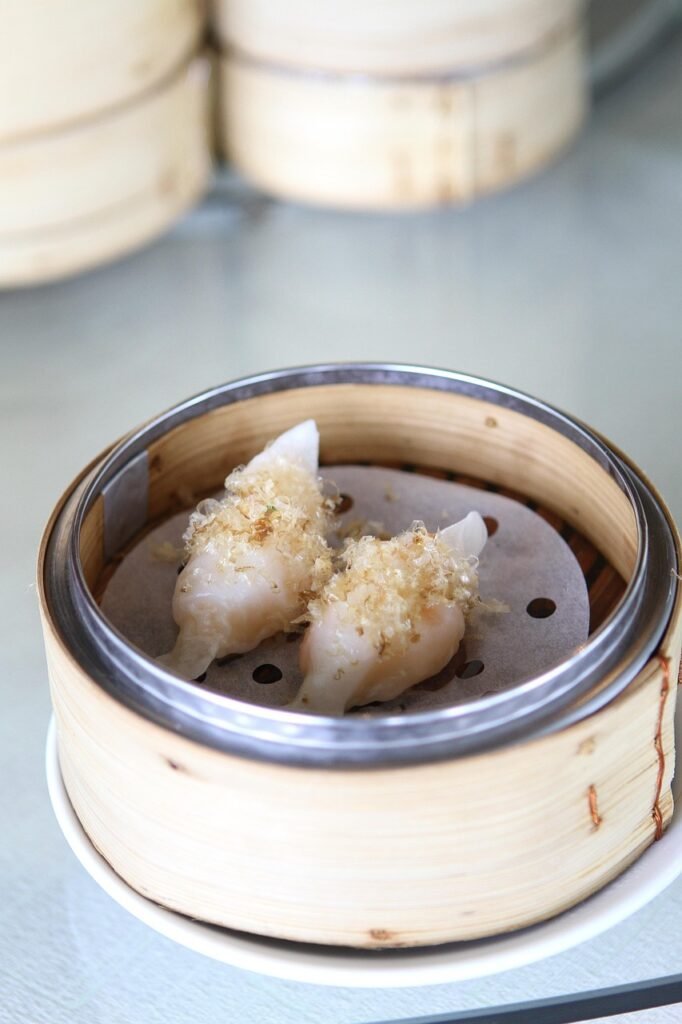
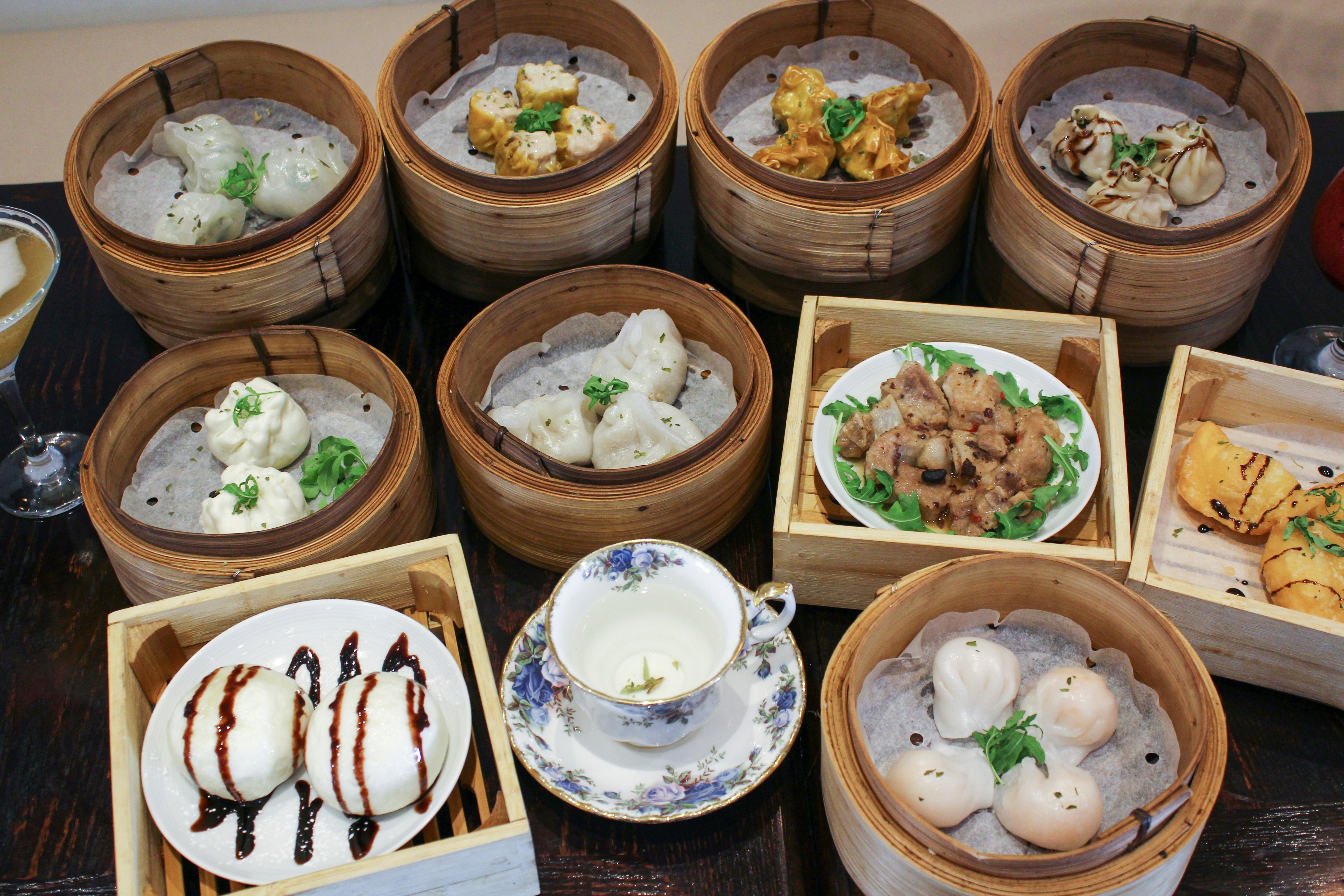
Dim sum is renowned not only for its delectable flavors but also for its artistic presentation. The visual appeal of dim sum plays a crucial role in the overall dining experience, as the vibrant colors and thoughtful arrangements evoke excitement and anticipation before the first bite. Perusing a variety of dim sum dishes reveals a spectrum of shapes, sizes, and hues that reflect both cultural traditions and culinary creativity.
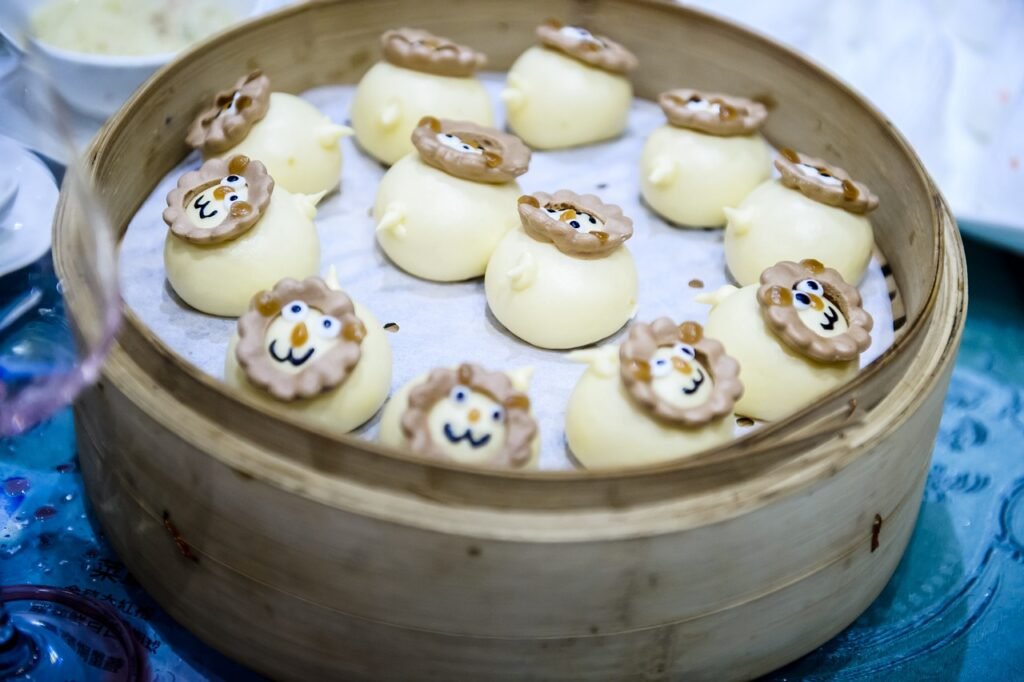
The concept of plating in dim sum is deeply rooted in cultural significance. Many dim sum dishes are meticulously crafted to showcase harmony and balance, often mimicking the natural attributes of the ingredients used. For instance, steamed buns and dumplings are elegantly shaped to resemble animals or flowers, invoking both artistry and symbolism. The bright yellows of custard tarts, the deep greens of spinach dumplings, and the rich reds of barbecue pork buns create a vivid mosaic that captures the eye and invites exploration of flavors.
Arranging dim sum on the plate is also a reflection of craftsmanship. Skilled chefs prioritize balance in their platings, whether they stack dumplings artfully or spread them across a platter in an inviting manner. Each piece is often served in bamboo steamers, which not only retain heat but also enhance the rustic aesthetic. This presentation imbues the dining experience with a sense of authenticity while underscoring the time-honored traditions associated with dim sum.
Moreover, the visual experience is vital in Chinese culinary practices. Colorful dishes symbolize prosperity and joy, making the act of enjoying dim sum a celebratory affair. The artistic presentation complements the communal nature of dim sum dining, where sharing various dishes encourages interaction and connection among diners. As such, dim sum becomes not just a sensory experience for taste but also for sight, embodying the philosophy that food should be as pleasing to the eyes as it is to the palate.
Dim Sum Preparation: A Culinary Art
Dim sum preparation is an intricate culinary art that reflects the dedication of chefs and the cultural heritage of Chinese cuisine. The journey of creating these delightful morsels begins with selecting the finest ingredients, which are crucial for producing authentic flavors. Chefs often choose fresh vegetables, premium meats, and high-quality seafood to ensure that each dim sum dish meets culinary standards.
One of the most celebrated aspects of dim sum preparation is the crafting of dumplings. This involves hand-rolling dough to create wrappers that are both thin and elastic, allowing them to encase a variety of fillings such as shrimp, pork, or vegetables. The filling is meticulously prepared, often marinated with spices and seasonings that enhance the flavor profile. Once the fillings are ready, skilled chefs employ various folding techniques to shape the dumplings, reflecting their artistry and expertise.
In addition to steaming, which is one of the most common methods used in preparing dim sum, techniques such as frying and baking are also prominent. Steaming preserves the moisture and texture of the dumplings, allowing the flavors to meld beautifully. On the other hand, frying provides a contrasting crunch, particularly in dishes like potstickers or spring rolls. Chefs often utilize bamboo steamers, traditional vessels that are efficient and help to impart a subtle flavor to the food. The process of timing the cooking methods is essential, as overcooking can lead to undesirable results.
Ultimately, the preparation of dim sum is a celebration of culinary craftsmanship that emphasizes patience, skill, and creativity. It is a practice that not only nourishes the body but also fosters a connection to the rich cultural traditions of Chinese dining. Each dim sum dish is a reflection of the passion and artistry that goes into its creation, making every bite a testament to the chef’s commitment to this beloved cuisine.
The Dim Sum Experience: Dining Etiquette and Customs
Enjoying dim sum is not just about savoring the diverse flavors; it also embodies a rich tapestry of dining etiquette and cultural customs. Traditionally, the dim sum experience is marked by the sharing of small plates, fostering a sense of community among diners. This communal style of eating encourages guests to order an array of dishes that can be shared, allowing everyone to sample different flavors.
To initiate the dim sum experience, tea plays a pivotal role. Guests are often welcomed with a selection of teas, most commonly oolong, jasmine, or pu-erh. The custom of serving tea, known as “cha”, is an integral aspect of dim sum dining. When tea is poured, it is customary to refill the cups of others before your own, demonstrating respect and consideration for fellow diners. Furthermore, it is polite to tap the table lightly with two fingers after receiving tea as a gesture of gratitude towards the server.
The ordering process is another distinct feature of dim sum dining. Diners typically receive a menu or a cart featuring a variety of dumplings, buns, and other specialties. It is common practice to flag a server or indicate your preferences by pointing at the dishes you wish to order. In high-end establishments, a dim sum cart may be wheeled around, providing an interactive experience as patrons select their desired items directly from the cart.
As guests enjoy their meal, it is considerate to share dishes rather than keeping them private. Conversations flow with the shared experience of sampling different offerings, enhancing the overall enjoyment. Adhering to these dining customs not only enriches the dim sum experience but also deepens one’s appreciation of the cultural significance behind this beloved culinary tradition.
Modern Takes on Dim Sum: Innovation and Fusion
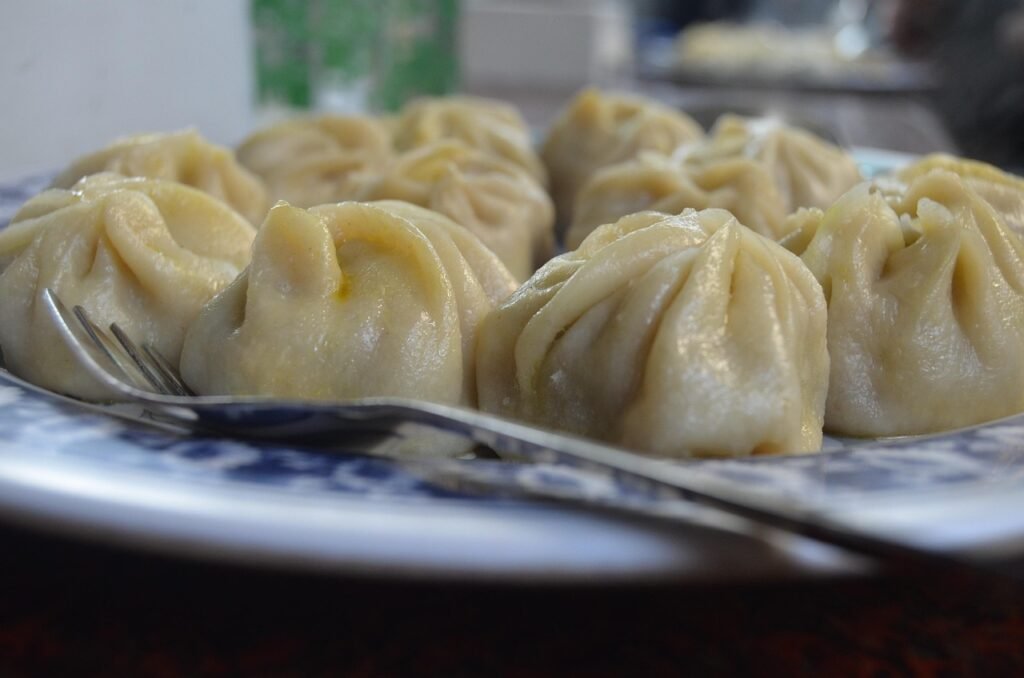
In recent years, dim sum has evolved beyond its traditional footprints, with chefs worldwide embracing innovative techniques and ingredients to create exciting fusion dishes. The essence of dim sum remains rooted in its time-honored methods, yet there is an increasing appetite for variation. Modern interpretations have emerged, exploring a blend of international flavors and local ingredients that honor the original spirit of dim sum while catering to contemporary palates.
One striking development within this culinary landscape is the rise of vegan and vegetarian dim sum. As dietary preferences shift towards plant-based options, chefs are redefining classic dim sum offerings using innovative ingredients such as jackfruit, tofu, and a variety of vegetables. These adaptations not only accommodate those with dietary restrictions but also demonstrate creativity and inclusivity in dim sum cuisine. Dishes such as mushroom har gow and stuffed vegetable dumplings provide vibrant flavors without compromising on the tradition and technique of preparation.
Moreover, fusion concepts have gained popularity, allowing chefs to experiment with diverse culinary traditions. For instance, the incorporation of ingredients such as truffle oil or sriracha can elevate the dim sum experience, marrying Asian techniques with Western influences. Creative interpretations such as dim sum tacos or sushi dumplings illustrate the limitless possibilities when chefs embrace cross-cultural collaboration, attracting a broader audience and expanding the appreciation of dim sum beyond its traditional demographic.
As food trends continue to evolve, the modern take on dim sum highlights not only the chefs’ commitment to innovation but also a broader cultural exchange. Through inventive adaptations, modern dim sum has become a fusion of heritage and contemporary influence, while still honoring the cherished traditions that have defined this beloved cuisine for generations.
Where to Find the Best Dim Sum: Recommendations and Tips
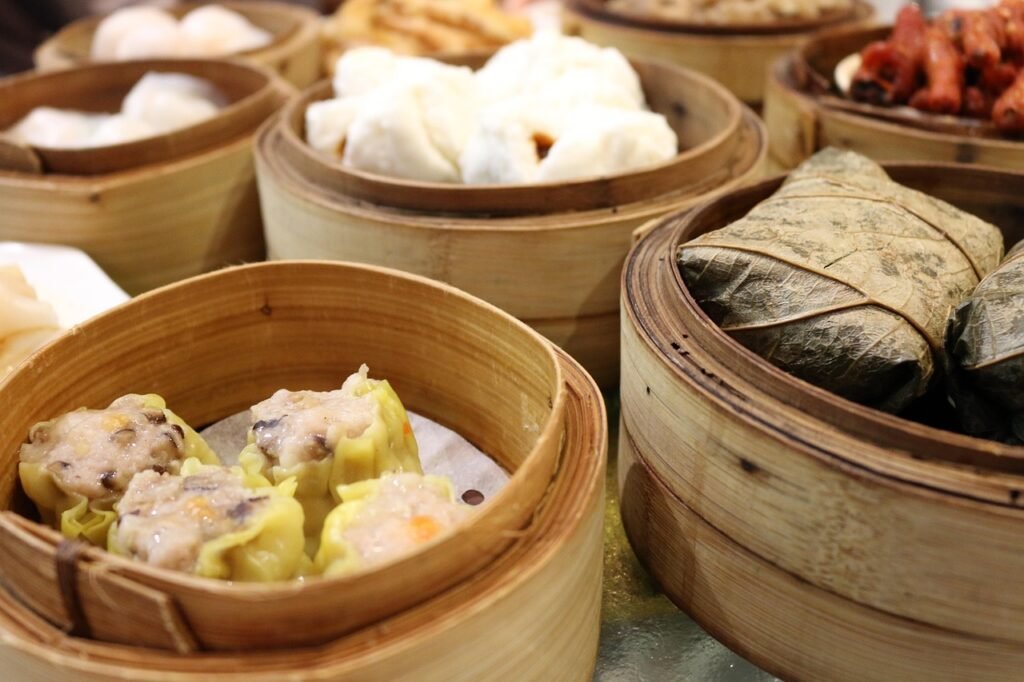
For those eager to explore the appealing world of dim sum, finding the right venue is essential to enjoying an authentic dining experience. Renowned restaurants like Tim Ho Wan and DimDimSum have earned accolades for their quality, and they serve as excellent starting points. These establishments, famous for their expertly crafted dishes, typically feature a diverse menu that highlights both traditional and contemporary takes on dim sum. Thus, whether it’s steamed buns or siu mai, you are sure to find something that tantalizes your taste buds.
In addition to well-known chains, don’t overlook local hidden gems that often take great pride in their dim sum offerings. Look for restaurants that specialize in Cantonese cuisine, as they tend to provide the most authentic experience. Personal recommendations from locals can be invaluable; therefore, engaging with community members or exploring online forums may lead to some delightful discoveries. Checking customer reviews and photo uploads can also give you a glimpse of the dishes available and their overall quality.
When it comes to ordering, consider opting for a variety of small plates to share among your group. This approach not only fosters a communal atmosphere but also allows for a broader tasting experience. Signature dishes, such as har gow (shrimp dumplings) and char siu bao (barbecue pork buns), are often recommended, along with seasonal specials that highlight fresh ingredients. Don’t forget to complement your meal with traditional tea, which enhances the flavors and completes the dim sum dining experience.
Finally, whether you choose a bustling traditional tea house or a sleek modern restaurant, be sure to approach your meal with an open mind. Dim sum is as much about the social experience as it is about the food. Engaging with your dining companions and embracing the ritual of sharing small plates will inevitably elevate your overall enjoyment. By keeping these recommendations and tips in mind, you’re well-prepared to embark on an unforgettable dim sum journey.