
- The Origin of Conch Fritters
- Cultural Significance of Conch Fritters
- Unique Flavors of Conch Fritters
- Textures of Conch Fritters
- Visual Appeal of Conch Fritters
- Plating Techniques for Conch Fritters
- Popular Variations of Conch Fritters
- Pairing Conch Fritters with Beverages
- Conclusion: The Enduring Allure of Conch Fritters
The Origin of Conch Fritters
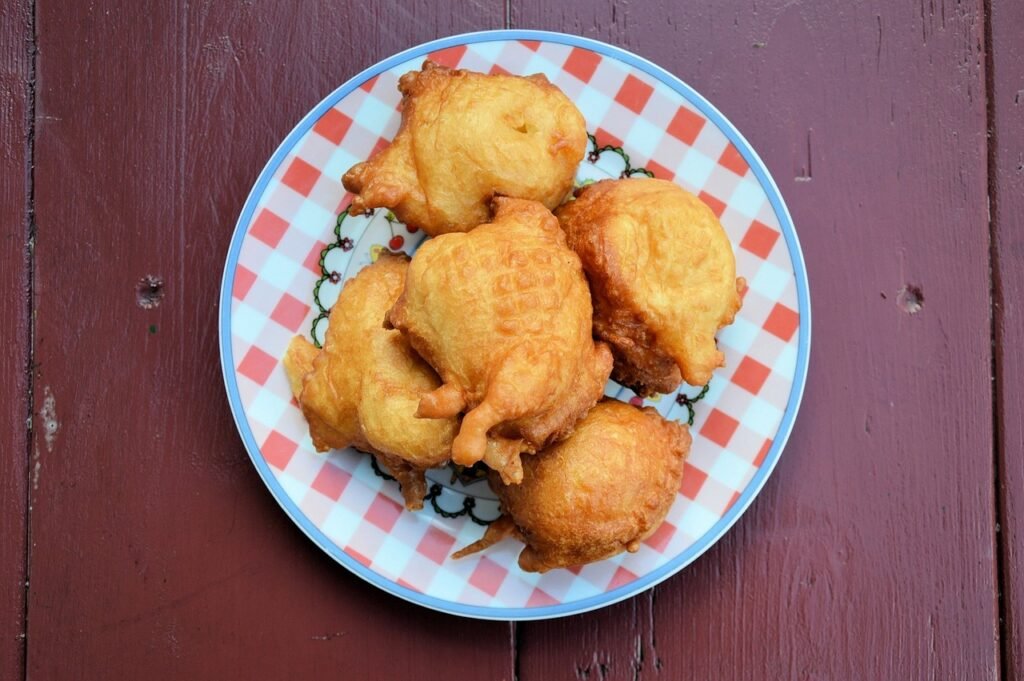
Conch fritters, a beloved staple in Caribbean cuisine, trace their roots to the rich culinary traditions of the Bahamas and surrounding islands. Historically, conch has been a significant source of sustenance for both indigenous populations and coastal communities, with its availability contributing to local diets for centuries. Indigenous peoples were known to harvest conch from the coastal waters, utilizing not only the meat but also the shell for various purposes, including tools and decoration. This mollusk has played a crucial role in the culture and economy of the region, shaping people’s livelihoods and culinary practices.
As the centuries progressed, conch fritters emerged as a traditional dish that showcases the versatility of this ingredient. The dish typically consists of conch meat mixed with a batter of flour, spices, and vegetables, then deep-fried to a golden perfection. The early versions of conch fritters showed modest ingredients; however, over time, these fritters have undergone a transformation, reflecting the various cultural influences that have permeated the Caribbean. African, Spanish, and British culinary techniques and flavors have all left their mark on this dish, making it a unique representation of the region’s diverse history.
The fishing and harvesting of conch remain vital components of local economies within the Caribbean. Sustainable practices are of utmost importance, as overfishing has led to declining populations in some areas. To address this, regulations and conservation efforts have been implemented, aiming to ensure that this cherished resource is preserved for future generations. As conch fritters continue to delight palates in restaurants and homes alike, they serve as a flavorful reminder of the harmonious relationship between food and culture and the history that enriches every bite.
Cultural Significance of Conch Fritters
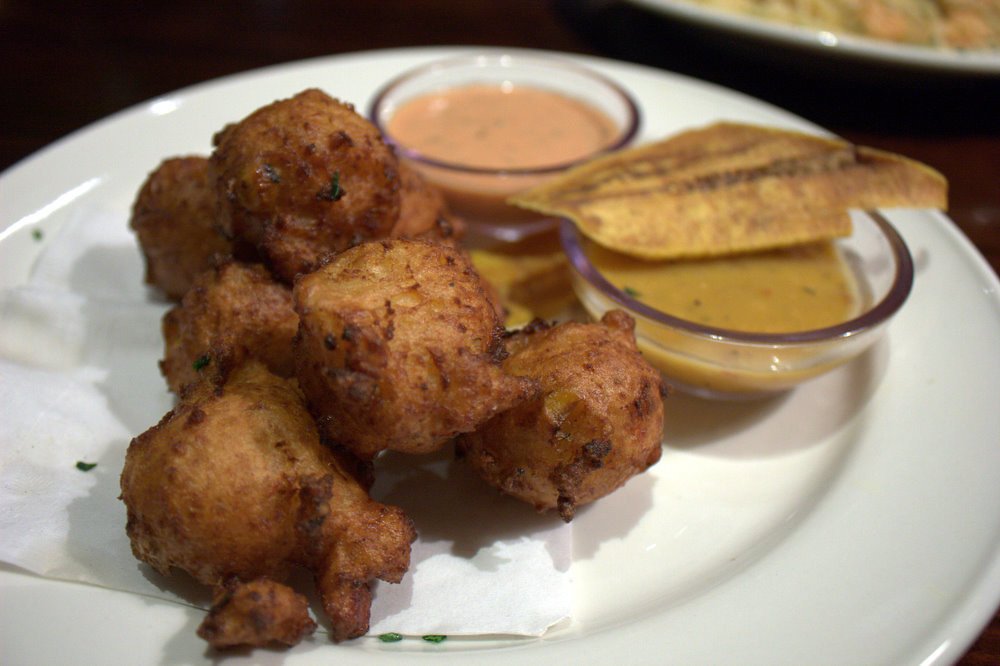
Conch fritters hold a prominent place in Caribbean culture, serving as not just a beloved dish but also a symbol of community and celebration. Originating from the meat of the conch shellfish, these fritters have transcended their culinary roots to become integral to local traditions and gatherings. Across various Caribbean islands, conch fritters are frequently prepared during festive occasions, family gatherings, and community celebrations, showcasing their role in unifying people through shared culinary experiences.
Local chefs often highlight conch fritters as a quintessential part of their heritage, showcasing an array of recipes passed down through generations. Many chefs emphasize the importance of fresh, local ingredients, stating that the taste of conch fritters is a reflection of the surrounding ocean and land. One local chef from the Bahamas recalls how her grandmother would gather the family to prepare conch fritters, teaching her the skills needed while sharing stories of cultural significance. This narrative illuminates the dish’s role in not only preserving culinary techniques but also forging familial bonds.
Moreover, conch fritters are often served during important cultural events, such as Carnival and Independence Day celebrations, effectively becoming a symbol of national pride. Many locals share fond memories of gatherings where conch fritters were the highlight, fostering connections among friends and families. This dish resonates on an emotional level while also serving as a reminder of shared cultural identities. Overall, the importance of conch fritters in Caribbean cuisine reflects a broader narrative of community, heritage, and togetherness that continues to thrive among locals and visitors alike.
Unique Flavors of Conch Fritters
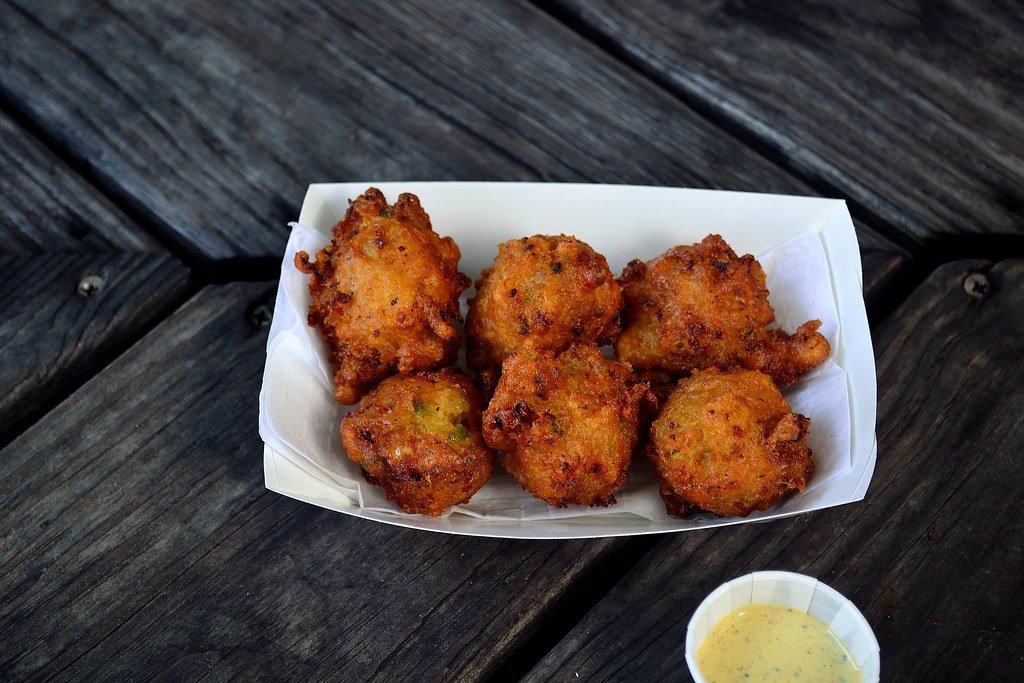
Conch fritters are a beloved delicacy in many Caribbean regions, renowned for their rich and distinctive flavors. At the core of this dish is conch, a type of shellfish known for its mild, yet slightly sweet taste and firm texture. When prepared as fritters, the conch is finely chopped and combined with a blend of spices and herbs, creating a taste sensation that is both delightful and complex.
The flavor profile of conch fritters is largely determined by the spices utilized in the recipe. Common ingredients include a mix of bell peppers, onions, garlic, and even hot peppers, which can impart a subtle heat. Additionally, seasoning blends incorporating thyme and parsley contribute to the dish’s fresh and vibrant flavors. These elements not only enhance the natural taste of the conch but also create a harmonious balance that appeals to a wide range of palates.
Region-specific variations of conch fritters further demonstrate the diverse culinary practices within the Caribbean. For instance, in the Bahamas, conch fritters may feature a thicker batter, providing a crispy exterior that contrasts beautifully with the soft, savory interior. In contrast, other regions might emphasize lighter, more delicate fritters, enhancing the flavor of the conch itself. Local ingredients—such as coconut or other native spices—can also influence the final taste, showcasing the uniqueness of each locale.
Culinary traditions play a significant role in these variations, as chefs often incorporate local cooking techniques that can alter not only the texture but also the rich flavors of the fritters. From frying methods to presentation styles, the artistry involved in crafting conch fritters highlights the cultural significance of this dish among the diverse communities that cherish it.
Textures of Conch Fritters
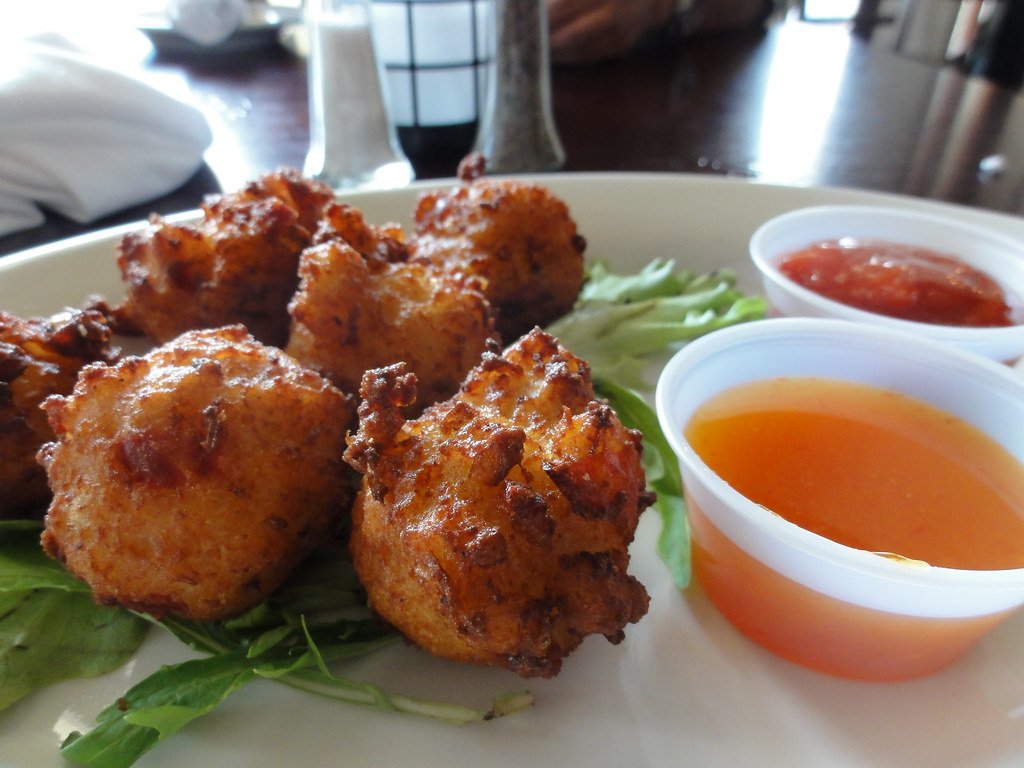
One of the most enticing aspects of conch fritters is the remarkable textural contrast they present. When prepared correctly, conch fritters feature a crispy, golden-brown exterior that provides a satisfying crunch upon the first bite. This outer layer is usually achieved through a skillful deep-frying process, which not only ensures that the fritters develop a delightful crispness but also enhances the overall flavor profile.
Encased within this crunchy shell lies a tender and juicy interior that contrasts beautifully with the exterior. The conch meat, known for its slightly chewy yet succulent texture, is accentuated by the surrounding batter, which is often enriched with ingredients like diced vegetables and spices. These additions create unexpected bursts of flavor and texture, making each bite a rich sensory experience. The cooking method plays a significant role in achieving this balance; proper frying ensures that the fritters are cooked through, maintaining the integrity of the conch without becoming tough or rubbery.
Furthermore, the enjoyment of conch fritters can be elevated through the use of various sauces or sides. For instance, a tangy dipping sauce introduces an additional creamy texture that pairs harmoniously with the crispiness of the fritters. Alternatively, serving conch fritters alongside a refreshing slaw can enhance the dish’s overall texture profile, combining the soft crunch of cabbage or carrots with the fritters’ characteristics. This interplay of textures not only satisfies the palate but also adds a layer of complexity, making each serving of conch fritters a delightful exploration of culinary contrasts.
Visual Appeal of Conch Fritters
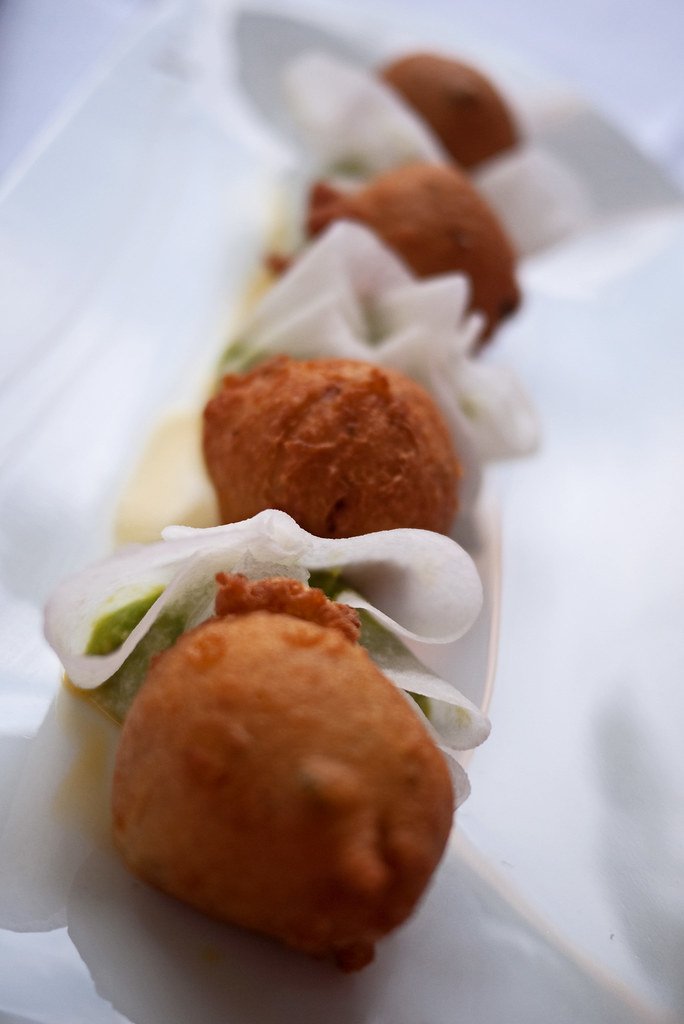
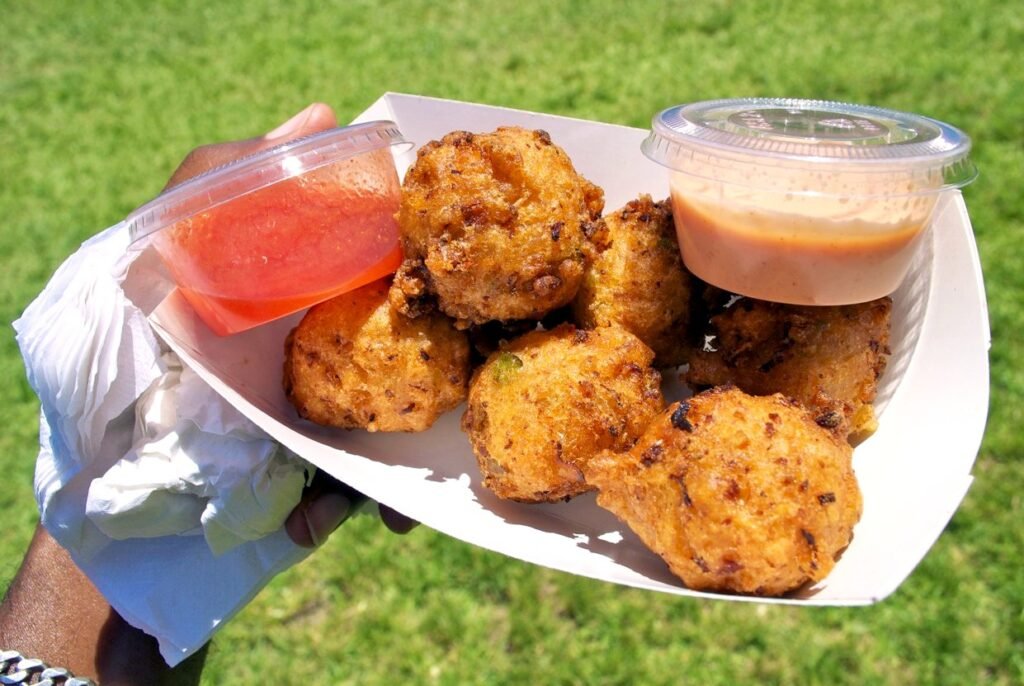
The visual presentation of conch fritters plays a significant role in the overall dining experience, as it not only attracts the eye but also piques the appetite. When it comes to conch fritters, the quintessential appeal lies in their golden-brown, crispy exterior, which is a testament to the skill used in their preparation. This enticing coloration is typically achieved through frying, as the fritters are cooked until perfectly crisp while maintaining a tender texture within.
The choice of dishware is another important element that can enhance the visual allure of conch fritters. Serving these fritters on varied plates, such as bright-colored ceramic dishes or rustic wooden platters, can elevate their presentation. A simple, elegant arrangement can highlight the fritters, allowing the natural colors and textures to draw attention. Furthermore, garnishing with accompaniments like vibrant sauces or fresh herbs can introduce contrasting hues, enriching the visual experience. For example, a dollop of zesty dipping sauce in a vivid shade of green or orange can lend vibrancy and stimulate the senses.
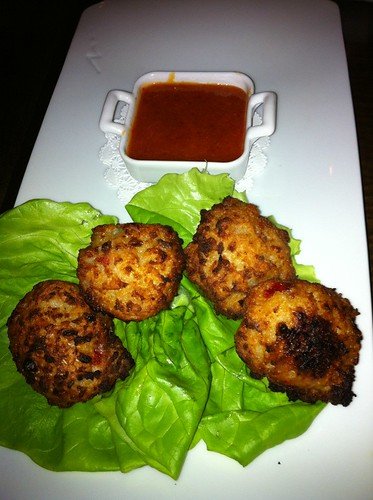
Moreover, the inclusion of sides like crispy lettuce, tangy slaw, or fresh lime wedges can further enhance the dish’s appeal. These components not only add color and texture but also provide an opportunity for diners to customize their experience, such as squeezing fresh lime over the fritters. An artistic arrangement that showcases the fritters alongside their garnishes can transform a simple dish into a feast for the eyes, promising an enjoyable meal. The key is ensuring that each element complements the fritters, creating a harmonious visual presentation that delights and entices potential diners.
Plating Techniques for Conch Fritters
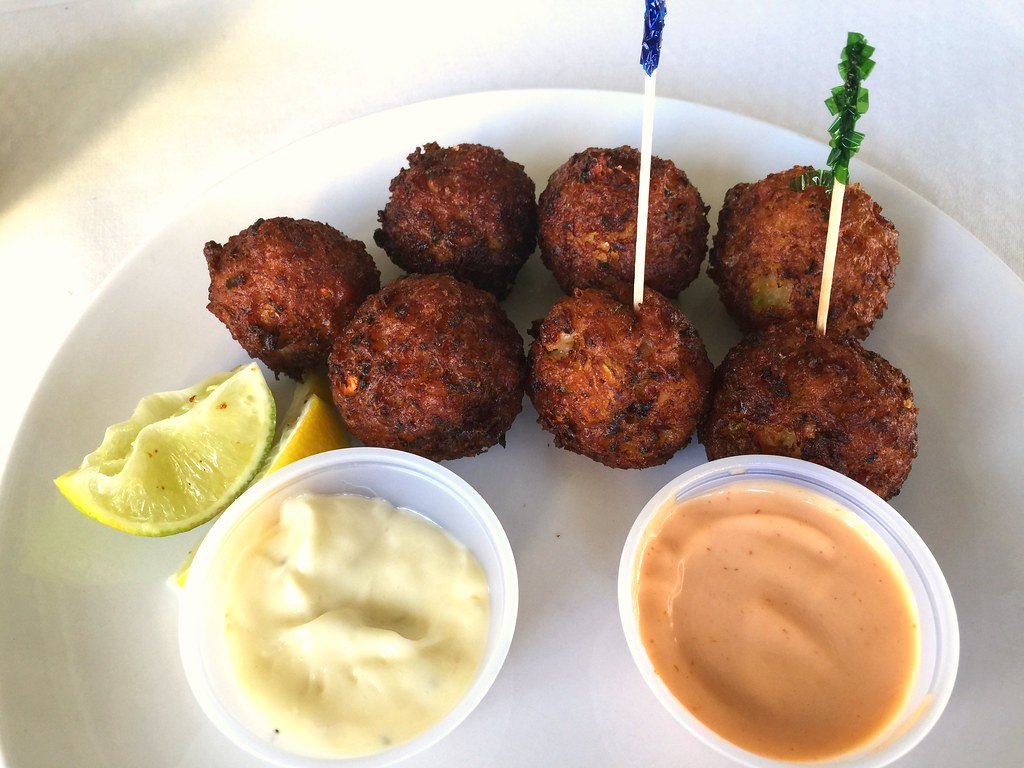
Effective plating is essential in enhancing the dining experience of conch fritters, transforming them from a simple dish into an artistic presentation. One technique to consider is the arrangement of fritters in a cluster, creating a visually appealing focal point. By stacking or leaning the fritters on the plate, chefs can add dimension and height, capturing the eye of the diner. A minimalist approach can also work wonders, where a fewer number of fritters are plated elegantly, allowing each piece to shine.
Accompaniments significantly elevate the overall presentation of conch fritters. Dipping sauces, such as a tangy mango salsa or a spicy remoulade, not only provide contrast in color but also enhance flavor profiles. Placing a small ramekin of sauce beside the fritters encourages diners to engage with the dish actively. In addition, creating a sauce smear or dotting the plate with sauce can add a touch of elegance and sophistication to the presentation.
Incorporating fresh components like salads or vibrant garnishes can further enhance the appeal. Microgreens or edible flowers provide bursts of color and textures, while a light citrus-based salad can introduce a refreshing contrast to the richness of the fritters. Furthermore, thoughtful garnishing, such as a sprinkle of paprika or fresh herbs, adds a finishing touch that excites the palate visually and adds layers of flavor.
For those striving for impressive plating at home, utilizing shapes like rings or molds can help achieve uniformity in presentation. Experimenting with different plate styles—like large, flat platters for a rustic appeal or smaller, round plates for a formal setting—can also influence the dish’s overall impact. Ultimately, the goal of these plating techniques is to create a memorable dining experience that not only satisfies the palate but also pleases the eye.
Popular Variations of Conch Fritters
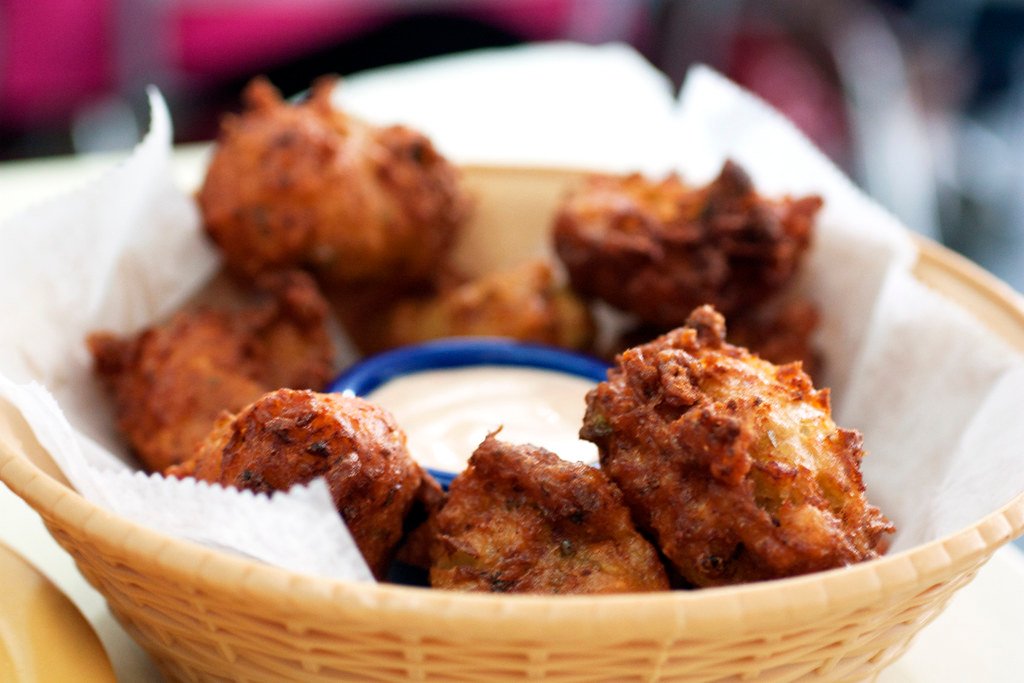
Conch fritters are a beloved dish with numerous adaptations and variations worldwide, reflecting the diverse culinary cultures in which they are prepared. Traditionally associated with the Caribbean, conch fritters can vary significantly in ingredients and preparation methods from one region to another, revealing the local flavors and culinary creativity of each area.
In the Bahamas, for instance, conch fritters are often seasoned with a blend of Bahamian spices, which may include thyme, garlic, and pepper. The fritters are usually crispy on the outside while retaining a moist and flavorful interior, often served with a side of tangy dipping sauces. Island chefs are known for adding a touch of creative flair, such as incorporating local vegetables like bell peppers and onions, enhancing both the taste and texture.
In Jamaica, conch fritters take on a unique twist, often accompanied by spicy condiments such as jerk sauce. This addition not only adds heat but also contributes to a vibrant flavor profile that defines Jamaican cuisine. The fritters may be served as a snack or appetizer, appealing to both locals and tourists alike.
Furthermore, conch fritters have found their way into fusion cuisines, blending traditional recipes with elements from other culinary traditions. For example, some chefs experiment by adding Asian ingredients such as shredded cabbage or incorporating spices like ginger and cilantro, offering a delightful twist that resonates with a broader audience.
Overall, the variations of conch fritters highlight the adaptability of this dish, illustrating how different regions bring their own unique tastes and ideas to the table. This delightful seafood treat continues to inspire culinary innovation, making it a favorite among food enthusiasts around the globe.
Pairing Conch Fritters with Beverages
When it comes to enhancing the dining experience of conch fritters, selecting the right beverages can significantly elevate the flavors of this beloved dish. Known for its crispy, golden exterior and tender interior, conch fritters are frequently seasoned with spices and accompanied by dipping sauces, making thoughtful beverage pairings essential to balance these rich flavors.
Local beers often emerge as the ideal accompaniment to conch fritters. The light, crisp characteristics of a pale lager or a refreshing pilsner can contrast nicely with the hearty texture of the fritters. In addition, the mild bitterness from the hops can cut through the dish’s richness, providing a satisfying contrast that enhances the overall tasting experience. Breweries local to Caribbean regions often produce specialized beers that embody the tropical essence, making them complementary partners to conch fritters.
Cocktails also serve as an excellent pairing option, particularly if they incorporate citrus or herbal elements. For instance, a classic mojito or a tangy margarita can harmonize beautifully with the savory and spicy notes of the fritters. The freshness of mint or the brightness of lime complements the seafood profile of the conch, while a touch of sweetness rounds out any spice present in the dish. Additionally, cocktails designed around tropical fruits, such as pineapple or passion fruit, incorporate a sweetness that can further balance the seasonings in conch fritters.
Furthermore, tropical juices provide a non-alcoholic option that can accentuate the fritters’ flavors. Juices such as freshly squeezed pineapple or mango juice introduce a fruity and tangy profile that pairs well with the salty and spicy aspects of the fritters. This combination not only enhances the dish’s tasting experience but also adds a refreshing element to the meal.
In summary, whether opting for local beers, vibrant cocktails, or refreshing tropical juices, the right beverage can enhance the experience of enjoying conch fritters, creating a delightful interplay of flavors that celebrates this iconic dish.
Conclusion: The Enduring Allure of Conch Fritters
Conch fritters have firmly established themselves as a beloved culinary staple, transcending geographical boundaries and cultural dimensions. The dish’s unique blend of flavors, originating from the tender and subtly sweet conch meat, is complemented by a medley of spices and vegetables that create a delightful fusion of tastes. Throughout this exploration of conch fritters, we have delved into their historical significance, preparation techniques, and the factors contributing to their widespread appeal across various communities.
The visual allure of conch fritters cannot be overlooked; their golden-brown exterior, often accompanied by vibrant dipping sauces, makes them a feast for the eyes as much as for the palate. This combination of aesthetics and flavor not only elevates the dining experience but also reinforces the dish’s role in social gatherings, festivals, and culinary traditions. As we aggregate the insights revealed in this review, it becomes increasingly evident that conch fritters are more than just a meal; they are a celebration of shared experiences and cultural heritage.
For those inspired to create their own conch fritters, the process can be a rewarding endeavor. Experimenting with various seasoning blends and cooking methods can yield a personalized take on the classic recipe, allowing home cooks to capture the essence of this cherished dish. Alternatively, seeking out local restaurants that specialize in conch fritters can provide an authentic taste of tradition, enriching one’s culinary journey. With their enduring popularity and relevance in contemporary gastronomic scenes, conch fritters undoubtedly remain a delightful treat worth savoring.