
- Introduction to Bouillabaisse
- Historical Origins of Bouillabaisse
- Cultural Significance and Traditional Practices
- Unique Flavors and Ingredients
- Textures and Mouthfeel
- Visual Appeal and Presentation
- Plating Techniques and Serving Suggestions
- Modern Twists and Variations of Bouillabaisse
- Conclusion: The Legacy of Bouillabaisse
Introduction to Bouillabaisse
Bouillabaisse is a traditional Provençal fish stew that originates from the coastal city of Marseille, France. Historically, this dish was a humble meal created by fishermen who utilized the catch that was less desirable or unsold at markets. These resourceful craftsmen would create a hearty stew from various species of fish and shellfish, simmered with aromatic herbs and spices, giving birth to a culinary icon celebrated today.
The name “bouillabaisse” itself is derived from the method of preparation, where the broth is first brought to a boil (bouillir) and then lowered to a simmer (abaisser). This cooking technique, alongside the local ingredients, highlights the essence of Mediterranean cuisine and reflects the region’s deep relationship with the sea. Over time, bouillabaisse has evolved significantly, transcending its origins to become a dish that is both cherished by locals and sought after by culinary enthusiasts worldwide.
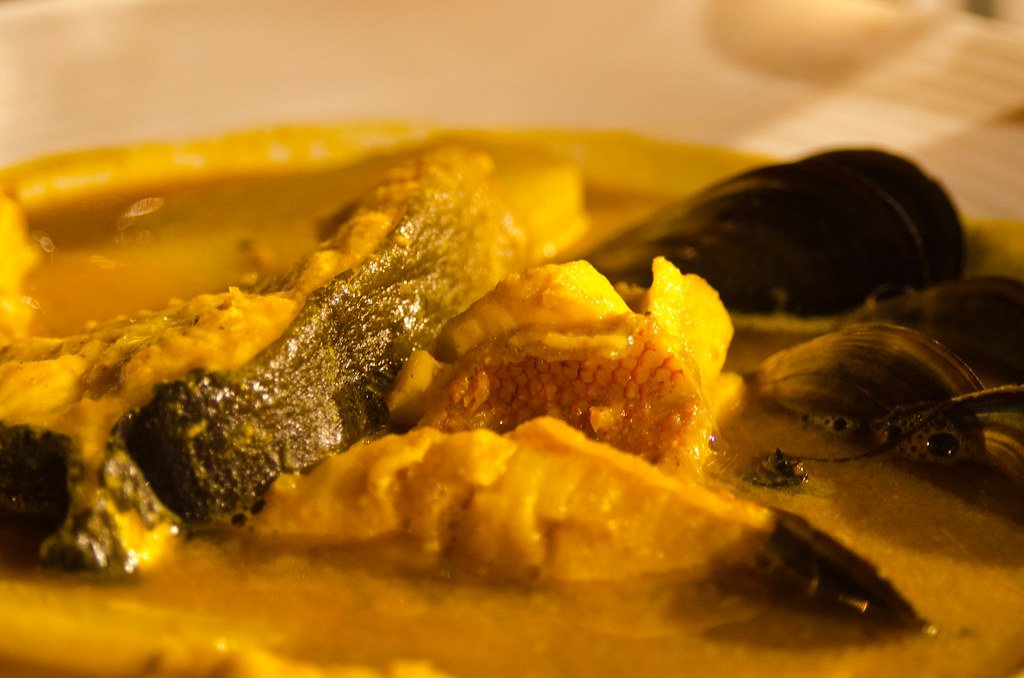
One of the defining features of bouillabaisse is its use of local seafood, which varies depending on the day’s catch. Traditional recipes often include a mix of fish such as rascasse, red mullet, and sea bass, along with shellfish like mussels and prawns. This reliance on fresh, local ingredients elevates the dish, showcasing the flavors of the Mediterranean waters. Moreover, the preparation of bouillabaisse incorporates traditional spices such as saffron and orange zest, which not only enhance the flavor but also contribute to the vibrant color and aroma.
In contemporary dining, bouillabaisse is celebrated as a luxurious dish found in fine dining establishments, as well as being embraced in home kitchens around the world. Its rich history and evolution from a simple fisherman’s stew to a gourmet classic underscores the significance of bouillabaisse in both culinary tradition and Mediterranean identity.
Historical Origins of Bouillabaisse
Bouillabaisse, the renowned fish stew hailing from the Mediterranean region, has origins that are closely tied to the fishing communities of Marseille, France. Initially, this dish emerged as a humble meal prepared by fishermen who sought to utilize the less desirable fish that were not suitable for sale. The fishermen would combine these leftover catches with aromatic herbs, spices, and local vegetables, crafting a nourishing dish that would sustain them after their long hours at sea. The term ‘bouillabaisse’ itself derives from the Provençal words “bouil” (to boil) and “abaisser” (to lower), referencing the cooking technique involved in preparing this stew.
As the centuries progressed, bouillabaisse evolved from a simple fisherman’s meal into a culinary symbol reflective of the cultural richness and diversity of the Mediterranean. The Marseillais embraced this dish, and it gradually garnered attention beyond the fishing communities. One notable aspect of bouillabaisse’s history is the blending of flavors and ingredients that have come from various cultures, thanks to the historically significant trade routes along the Mediterranean Sea. Influences from the Italian and North African cuisines, for instance, can be seen in the incorporation of spices such as saffron and the usage of ingredients like tomatoes, which were introduced to the region after the Columbian Exchange.
In the 19th century, bouillabaisse attained further recognition, as it made its way into the dining establishments of the bourgeoisie and eventually began appearing in cookbooks and culinary literature. The dish then began to see various interpretations, influenced by the tastes and preferences of different chefs. As such, regional variations emerged, each characterized by unique ingredients and preparation methods, thus contributing to the rich tapestry of the Mediterranean culinary heritage. Bouillabaisse not only tells the story of a dish but also serves as a testament to the resilience and adaptability of local traditions in the face of evolving tastes and cultural exchanges.
Cultural Significance and Traditional Practices
Bouillabaisse holds a place of esteemed cultural significance in Mediterranean societies, particularly in regions such as Provence, France. This traditional fish stew transcends mere sustenance; it embodies the essence of community, heritage, and local identity. Historically, bouillabaisse originated as a humble fisherman’s dish, utilizing fresh catches and certain herbs to create a nourishing meal. Today, it has evolved into a celebrated culinary experience that reflects the rich maritime tradition of the Mediterranean coastal regions.
In many Mediterranean locales, bouillabaisse is more than just a meal; it serves as a focal point for communal gatherings and family celebrations. Often, this dish is shared among family and friends during festive occasions, symbolizing unity and togetherness. The preparation and enjoyment of bouillabaisse may involve various customs, such as inviting guests to take part in its making or the ritualistic serving of the dish at large family gatherings. This enhances not only the appreciation of the flavors involved but also the shared experience that accompanies this gastronomic delight.
Additionally, bouillabaisse is often associated with special events, such as weddings or religious festivals, elevating its importance within cultural practices. The dish is served with traditional accompaniments, such as rouille—a garlic and saffron mayonnaise—emphasizing the culinary heritage of the region. This aspect of serving bouillabaisse showcases the significance of local ingredients and the deep-rooted traditions surrounding seafood in Mediterranean life. As such, bouillabaisse stands as a testament to the artistry of Mediterranean cuisine, bringing people together while serving as a vital expression of cultural heritage.
Unique Flavors and Ingredients
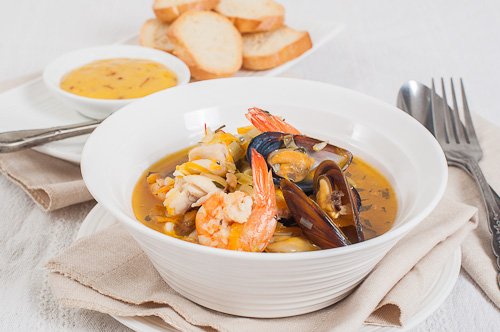
Bouillabaisse is a traditional Provençal fish stew that showcases the rich culinary heritage of Mediterranean cuisine. A defining characteristic of this dish is its use of a variety of fresh fish and shellfish, which are sourced from the coastal waters of southern France. Commonly featured fish include species such as red rascasse, monkfish, and gurnard, each contributing unique textures and flavors to the broth. Moreover, shellfish varieties like mussels, clams, and shrimp add an additional layer of complexity to this classic preparation. The selection of seafood not only enhances the taste but also reflects the seasonal catch of the region, emphasizing a farm-to-table philosophy.
Integral to the flavor profile of bouillabaisse are the aromatic herbs and spices utilized during its preparation. Saffron, known for its distinctive golden hue and depth of flavor, is a crucial ingredient that imparts a warming richness to the dish. Fennel contributes a gentle anise-like sweetness, layering the taste further and creating a harmonious balance with the seafood. Garlic, leeks, and onions are also essential, as these aromatics form the base of the flavorful broth, releasing their essences as they simmer together.
The broth itself is arguably one of the most important elements of bouillabaisse, deeply infused with the essence of the chosen ingredients. Made by simmering fish trimmings, tomatoes, and white wine, the liquid serves as the canvas upon which the other ingredients interact and meld, resulting in a robust and savory experience. This alluring amalgamation of ingredients exemplifies the dedication to quality and tradition within Mediterranean cuisine, inviting diners to indulge in a sensory journey that is as rich in heritage as it is in flavor. The complexity of bouillabaisse is a testament to the skill and knowledge passed down through generations, ensuring its position as a centerpiece of shared meals and communal dining experiences.
Textures and Mouthfeel
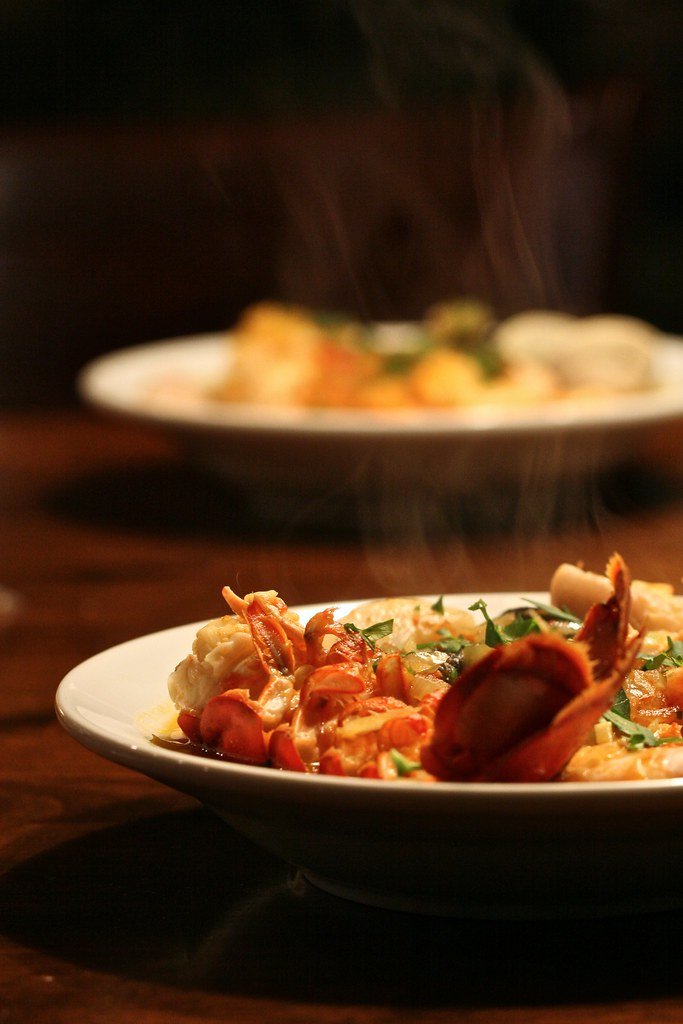
Bouillabaisse is celebrated not only for its rich flavors but also for the diverse textures that create a unique sensory experience. This Mediterranean dish is a harmonious blend of various seafood, each contributing its own distinct mouthfeel that enhances the overall enjoyment of the meal. The tenderness of freshly caught fish fillets, such as sea bass or monkfish, is particularly notable. When prepared correctly, the fish remains flaky yet succulent, providing a delicate contrast to the more robust ingredients found in the broth.
Complementing the tender fish, the shellfish in bouillabaisse introduces a pleasing variety in texture. Varieties such as mussels, clams, and shrimp offer a slight chewiness that invites diners to savor each bite. This textural interplay between the soft fish and the more resilient shellfish not only makes for an interesting palate experience but also highlights the dish’s multifaceted nature.
The broth, which serves as the cornerstone of bouillabaisse, adds yet another layer of texture. Its luxurious richness envelops the ingredients, offering a velvety mouthfeel that enhances each bite. Infused with aromatic herbs and spices, the broth provides depth and warmth, creating an inviting base for the array of seafood. The careful balance of thickness and fluidity allows the broth to blend seamlessly with the other components, ensuring that each spoonful is as satisfying as the last.
Ultimately, the contrasting textures in bouillabaisse, from the tender softness of the fish to the chewy shellfish, combined with the richness of the broth, culminate in a delightful dining experience. Each element plays an integral role, inviting food lovers to explore the complexities of this classic Mediterranean dish, making it a gastronomic pleasure.
Visual Appeal and Presentation
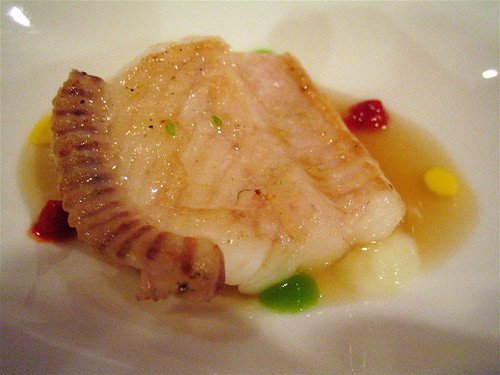
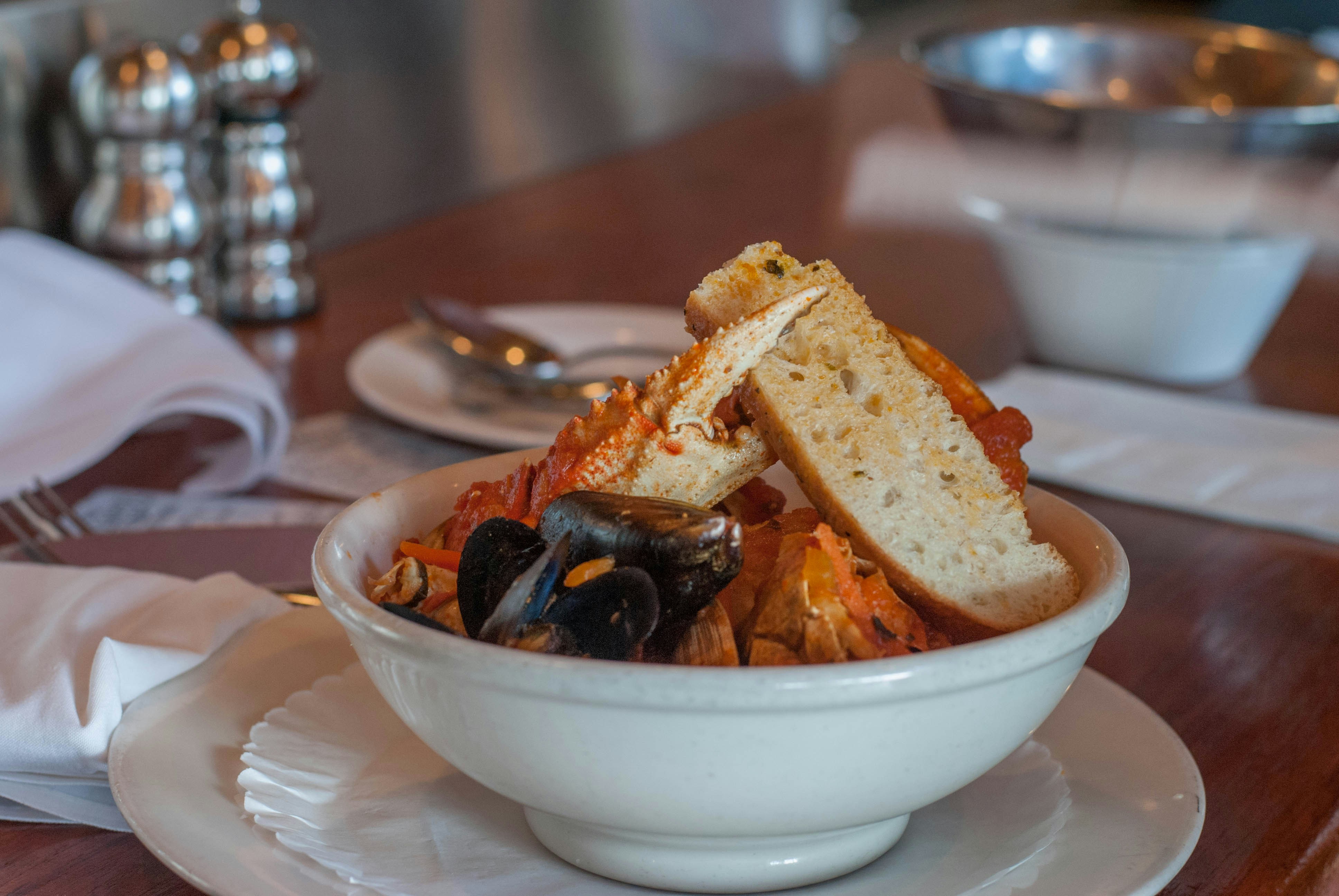
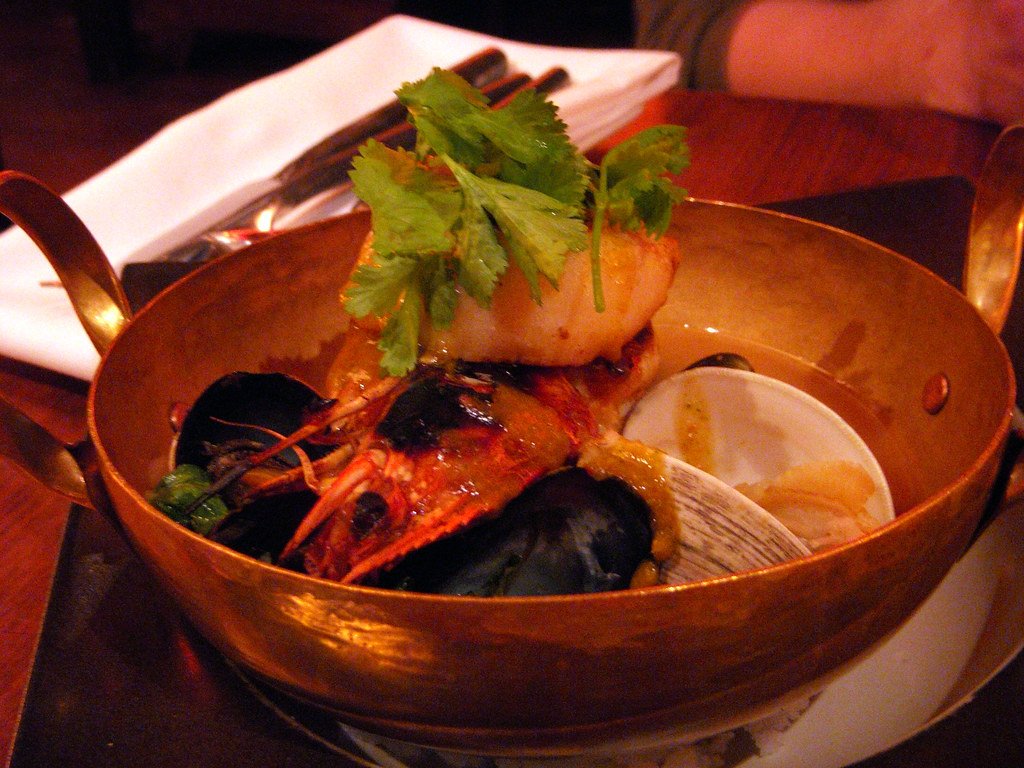
Bouillabaisse, a traditional Mediterranean dish, is not only celebrated for its rich flavors but also for its captivating visual appeal. The presentation of bouillabaisse is an art form that incorporates a vibrant array of colors, textures, and garnishments, creating an impressive feast for the eyes. At the heart of this dish is a medley of fresh seafood, including fish, mussels, shrimp, and sometimes even lobster, which are beautifully arranged in a deep bowl or a rustic pot. This variety showcases not only the bounty of the sea but also the culinary skill involved in preparing such a complex dish.
The colors of bouillabaisse are especially noteworthy. The bright orange and red tones of the saffron-infused broth contrast beautifully with the pale hues of the seafood and the bright green of fresh herbs, such as parsley or basil, that are often utilized as garnishes. Such a vibrant palette serves to stimulate the appetite even before the first spoonful is tasted. The broth itself, typically rich and steaming, adds an inviting warmth that beckons diners to indulge.
Moreover, garnishing techniques play a significant role in the overall presentation of bouillabaisse. A sprinkle of fresh herbs or a delicately placed slice of lemon can elevate the aesthetic allure of the dish. Often, croutons or a dash of rouille—the saffron and garlic-flavored sauce—are served on the side, enhancing both the dish’s visual charm and the texture experience for diners. The way in which bouillabaisse is served, often communal, encourages sharing and adds an element of friendliness to the dining experience, making it not just a meal, but a social event. This captivating visual presentation not only enriches the enjoyment of bouillabaisse but also creates lasting memories associated with Mediterranean cuisine.
Plating Techniques and Serving Suggestions
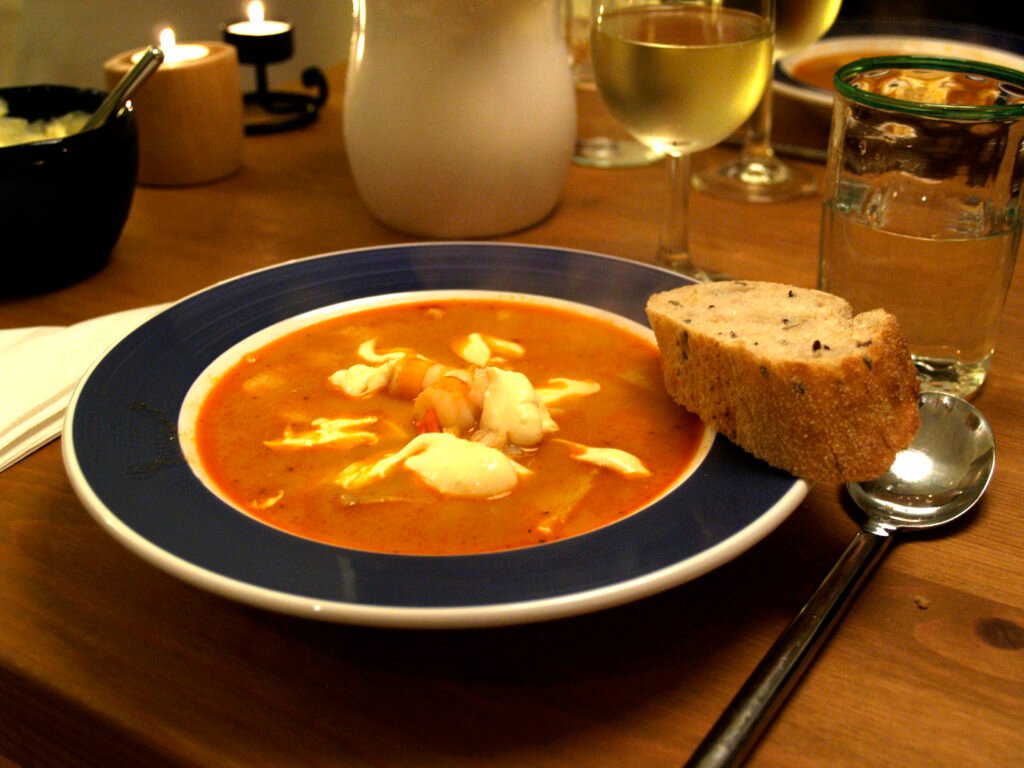
Bouillabaisse, a classic Mediterranean dish, not only captivates the palate with its rich flavors but also delights the eyes when artfully presented. The approach to plating bouillabaisse can vary widely, ranging from traditional serving methods that honor its origins to modern interpretations that introduce an aesthetic flair. Understanding these techniques and the accompanying garnishes can significantly enhance the dining experience.
Traditionally, bouillabaisse is served in a wide, shallow bowl that allows for an enticing display of its components. The base is usually a rich broth filled with a variety of fish and shellfish, often complemented by aromatic herbs and spices. To achieve an authentic presentation, it is essential to layer the ingredients thoughtfully. Begin by placing a carefully arranged selection of fish, mussels, and prawns in the center of the bowl, allowing the vibrant colors of the seafood to shine. The broth is then gently ladled over the top, showcasing the ingredients without obscuring them.
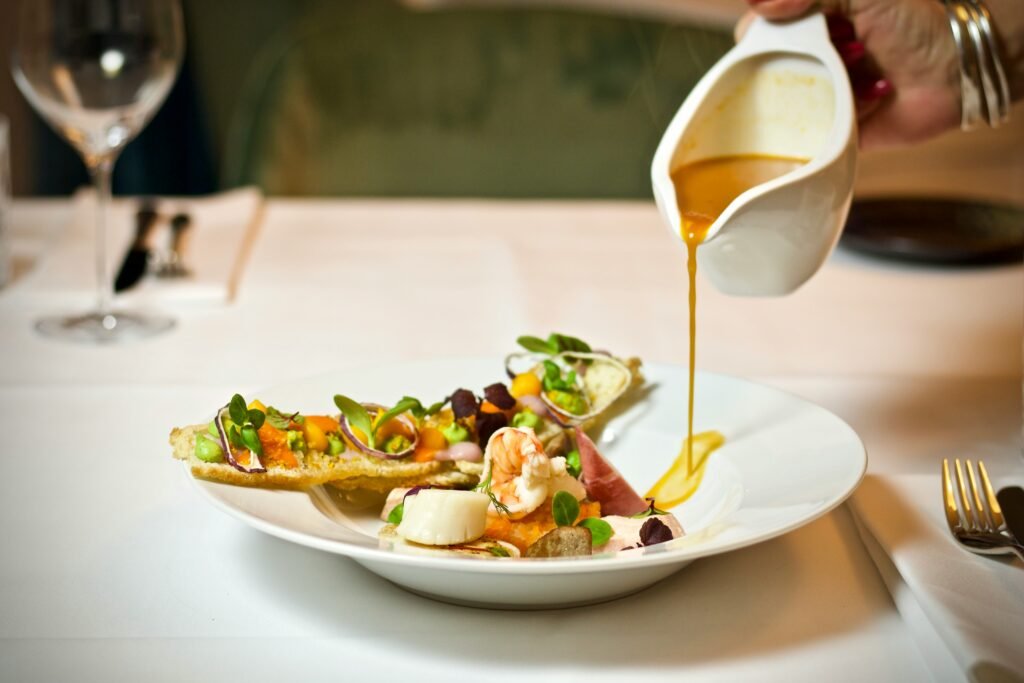
Modern presentations may deviate from this classic approach by incorporating creative techniques. For example, plating bouillabaisse in a tall, narrow dish can evoke height and sophistication, while the careful drizzling of broth can create a dramatic effect. Moreover, garnishes such as fresh herbs, citrus zest, or edible flowers can be added to provide a contemporary twist, enhancing both visual appeal and flavor complexity.
Another essential accompaniment to bouillabaisse is rouille, a garlic mayonnaise that is not only traditional but serves to enrich the dish with creaminess. Typically served in a small bowl alongside crusty bread, rouille offers diners the opportunity to customize each bite. The bread is commonly toasted to add an earthy element and provides a satisfying crunch, balancing the richness of the broth and the tender seafood. In summary, the plating of bouillabaisse, along with its garnishes and accompaniments, plays a vital role in elevating the overall dining experience, making it a feast for both the eyes and the palate.
Modern Twists and Variations of Bouillabaisse
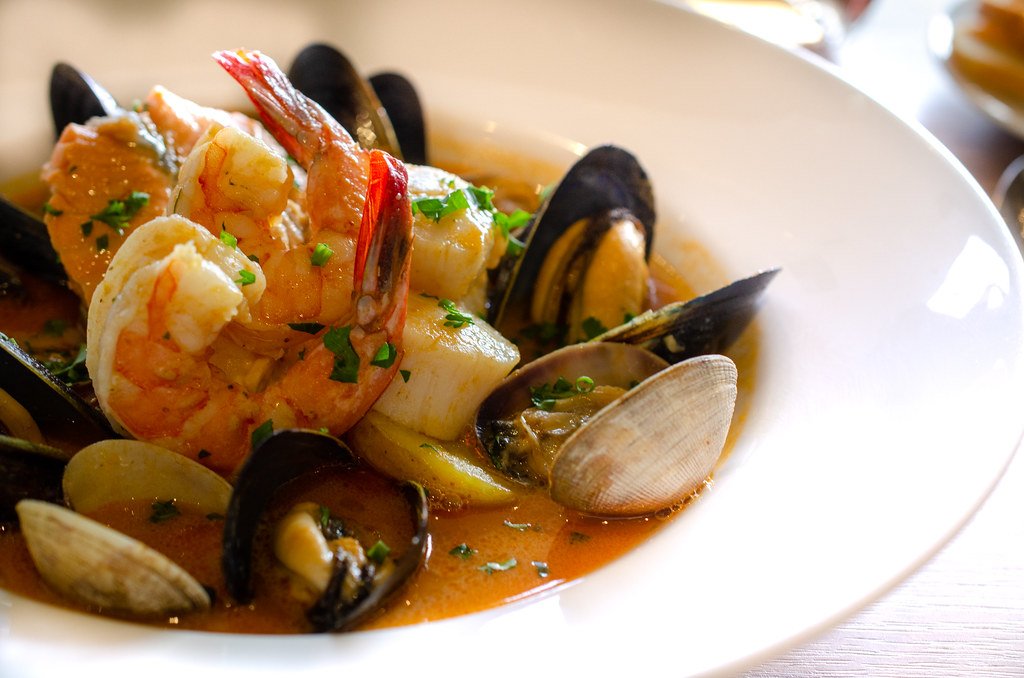
Bouillabaisse, with its rich history rooted in the coastal regions of France, particularly Provence, remains a pivotal dish that has captivated food enthusiasts worldwide. In recent years, contemporary chefs have embarked on a journey to reinterpret this classic Mediterranean seafood stew, incorporating innovative elements while respecting its original essence. This evolution has led to a variety of modern twists and interpretations that reflect the diverse culinary landscape of today.
One prominent trend within the modern bouillabaisse landscape is the incorporation of fusion cuisine. Chefs are experimenting with various ingredients that are not traditionally associated with the dish, thereby introducing a unique twist. For instance, some have opted to blend Asian flavors, such as ginger or lemongrass, into the broth, resulting in a refreshing reinterpretation that appeals to adventurous palates. Others have embraced global seafood options, sourcing ingredients from sustainable fisheries to ensure that their bouillabaisse not only tastes exquisite but is also environmentally responsible.
Additionally, the rise of veganism and plant-based diets has spurred innovative alternatives to this traditional seafood stew. Many chefs have crafted vegan bouillabaisse using rich vegetable stocks infused with herbs and spices to replicate the depth of flavor found in its meaty counterpart. Plant-based proteins such as tofu or tempeh are sometimes included, providing texture and substance, thereby creating a dish that maintains the spirit of bouillabaisse for those who abstain from animal products.
Across various regions, one can find localized interpretations of bouillabaisse that illustrate the adaptability of this beloved dish. Each adaptation retains its core elements while showcasing distinctive regional ingredients and cooking techniques. This ability to innovate while honoring tradition ensures that bouillabaisse continues to thrive, captivating new generations of food lovers and inviting them to explore the richness of Mediterranean cuisine.
Conclusion: The Legacy of Bouillabaisse
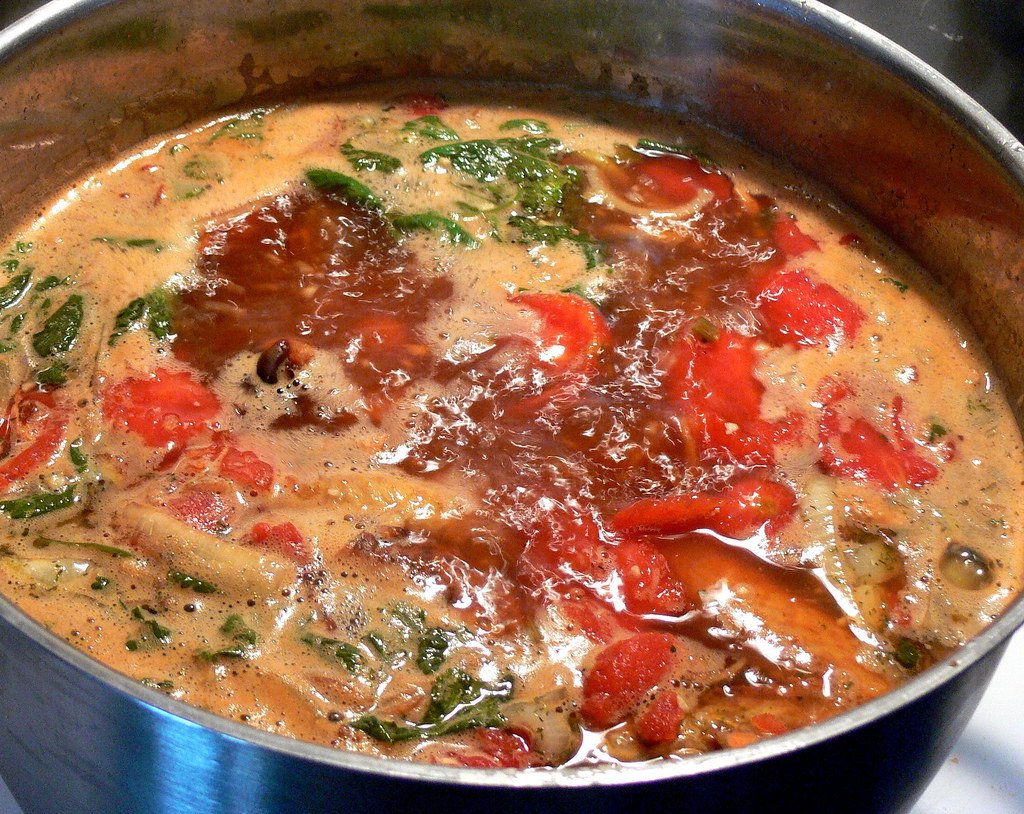
Bouillabaisse stands as a true emblem of Mediterranean cuisine, celebrated not only for its unique flavors but also for its rich cultural history and regional significance. Originating from the coastal town of Marseille, this traditional fish stew encapsulates the essence of local ingredients, showcasing a harmonious blend of different varieties of fish, shellfish, herbs, and spices. Throughout the centuries, bouillabaisse has evolved yet retained its status as a culinary masterpiece, deeply rooted in the maritime traditions of Provence.
The dish is more than just a meal; it reflects the identity of the region’s fishermen, who have crafted this delicacy as a means of utilizing their daily catch. Each bowl of bouillabaisse tells a story, unfolding the narratives of the people and the land it represents. Today, it continues to thrive in both humble bistros and upscale restaurants, showcasing its versatility and timeless appeal. Modern chefs have embraced the challenge of interpreting this classic dish, often infusing contemporary culinary techniques while remaining faithful to its authentic flavors.
Moreover, bouillabaisse serves as a bridge connecting generations. Families often gather to prepare and savor this dish, sharing stories and traditions that have been passed down through the decades. As globalization encourages the exchange of culinary arts, the importance of such traditional recipes becomes even more significant. Bouillabaisse invites enthusiasts to not only indulge in its exquisite taste but to delve into the rich tapestry of Mediterranean culture, exploring the local customs, music, and histories alongside the dish.
In appreciation of bouillabaisse, one is encouraged to explore its nuances and revel in its multifaceted nature. Engaging with this dish allows individuals to celebrate the flavors and heritage of the Mediterranean, fostering a deeper connection to the vibrant culture and culinary traditions that continue to thrive today.